 1 / 8
1 / 8 2 daysGroup Joining
2-Day GroupTarangire & Ngorongoro Adventure
by
Highlights
- Explore top national parks
Loading SafariFind...
1 / 8by
SafariFind app
Keep up with your inquiries and bookings, and message operators wherever you are.

Transfer Arusha – Tarangire National Park
Tarangire National Park
Meals: Lunch, Dinner
Game Drive in Ngorongoro Crater
Ngorongoro Crater
Meals: Breakfast, Lunch
Year Round
Year-round
| Season | Solo traveller | 2 people | 3 – 4 people | 5 – 6 people | 7+ people | Child rate | Single suppl. |
|---|---|---|---|---|---|---|---|
Year Round Year-round | $1,275 | $850 | $765 | $723 | $680 | $595 | $255 |
Child rate applies to travelers under 12 years. Single supplement applies to solo travelers taking their own room.
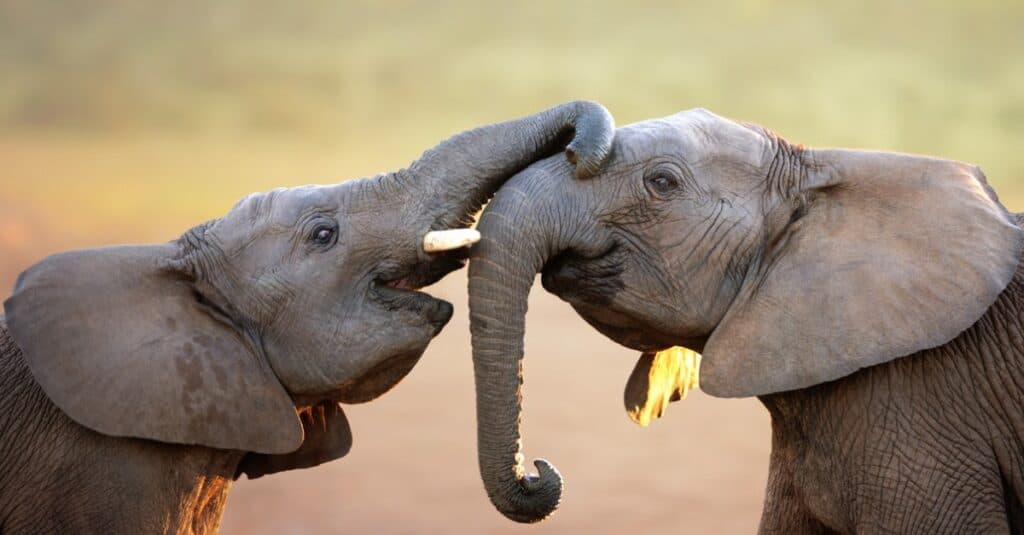
Tarangire National Park is renowned for its exceptional elephant populations, with herds often numbering in the thousands, particularly during the dry season. You'll also encounter a diverse array of wildlife including lions, leopards, giraffes, zebras, wildebeest, buffalo, and various antelope species. The park is also a birdwatcher's paradise with over 500 bird species recorded there. The Tarangire River acts as a crucial water source, especially during dry months, making it an excellent location for game viewing as animals congregate around the water.
The best time for safari in these regions is during the dry season, from June to October, when vegetation is sparse and animals congregate around water sources, making wildlife viewing exceptional. December to February is also a good period with dry conditions and lush landscapes. The rainy seasons (March to May and November) can be challenging for game viewing due to thick vegetation and difficult road conditions, though these months offer fewer tourists and dramatic scenery. Consider your priorities: wildlife viewing favors dry seasons, while photography enthusiasts might prefer the clearer skies of June-October.
Essential items include lightweight, neutral-colored clothing in layers (mornings and evenings are cool, afternoons warm), a wide-brimmed hat, sunglasses, and high-SPF sunscreen. Bring binoculars for better wildlife viewing, a camera with extra batteries and memory cards, and a power bank. Comfortable walking shoes and closed-toe hiking boots are important for game drives and any walking activities. Pack a light jacket or sweater for early morning and evening game drives. Don't forget insect repellent, any personal medications, and a small first-aid kit. Most safari vehicles provide binoculars, but bringing your own ensures you have quality optics. Avoid bright colors and patterns that might disturb wildlife.
A 2-day mid-range safari in Tanzania typically ranges from $400 to $800 per person for group tours, depending on the season, specific parks visited, and accommodation level. Budget safaris may cost less, while luxury experiences can exceed $1,500 per person. Group tours offer better value than private safaris. The price usually includes park entrance fees, accommodation, meals, professional guides, vehicle, and airport transfers. Additional costs to budget separately include international flights, travel insurance, visa fees, tips for guides and staff, alcoholic beverages, and optional activities. Booking during shoulder seasons (April-May or November) may offer better rates than peak season (June-October).
The Ngorongoro Crater is a UNESCO World Heritage Site and one of Africa's most spectacular natural wonders. It's the world's largest intact volcanic caldera, featuring a crater floor spanning 260 square kilometers at an elevation of 2,286 meters. The crater contains a self-contained ecosystem with permanent water sources, supporting an estimated 25,000 large animals including lions, elephants, buffalo, zebras, and wildebeest. The unique geography creates excellent game viewing opportunities as animals remain concentrated within the crater. The surrounding highlands offer stunning panoramic views. The crater's biodiversity, combined with its dramatic landscape and accessibility, makes it an exceptional safari destination. The Maasai people also inhabit the conservation area, adding cultural richness to the experience.
Visa requirements for Tanzania depend on your nationality. Many countries' citizens can obtain a visa on arrival at the airport, while others must apply in advance through a Tanzanian embassy or online. Most visitors receive a 90-day tourist visa. It's essential to check the current requirements with the official Tanzanian immigration website or your nearest Tanzanian embassy well before your trip, as regulations can change. Ensure your passport is valid for at least six months beyond your travel dates. Some nationalities qualify for visa exemption for short stays. Starting your visa process early prevents travel disruptions and allows time for any unforeseen delays.
Yellow fever vaccination is strongly recommended and may be required depending on where you're traveling from. Consult with a travel medicine clinic or your healthcare provider at least 4-6 weeks before departure, as vaccination recommendations vary by individual health status and travel itinerary. Common recommendations typically include vaccinations for typhoid, hepatitis A and B, and tetanus. Malaria prophylaxis is advised for most regions of Tanzania, particularly lower-altitude areas. Your doctor can recommend the most appropriate antimalarial medication based on current resistance patterns and your health profile. It's crucial to start any required medications before arrival. Travel insurance that covers medical evacuation is highly recommended for remote safari destinations.
A comprehensive safari package typically includes park entrance fees, professional English-speaking guides, accommodation, all meals (breakfast, lunch, and dinner), game drives in a 4x4 vehicle, bottled water during drives, airport transfers, and government taxes. Some packages provide binoculars and vehicle amenities like roof hatches and cooling systems. Costs not included usually cover international airfare, travel insurance, visa fees, alcoholic beverages, tips and gratuities for guides and staff (typically 10-15% of tour cost), travel vaccinations, personal expenses, and optional activities like hot air balloon rides or special excursions. Understanding what's included helps you budget accurately and avoid surprises. Always clarify the inclusions and exclusions with your tour operator before booking.
A minimum 2-3 day safari allows you to see a good variety of wildlife and experience different habitats and times of day, which is crucial since many animals are most active during early morning and late afternoon. Two days provides sufficient time for multiple game drives and exposure to different ecosystems. However, 4-5 days or longer allows deeper exploration, increased chances of spotting elusive species like leopards, and a more immersive experience. The quality of wildlife viewing depends on several factors beyond duration: the season (dry seasons are better), specific parks visited, guide expertise, and luck. Even a 2-day safari can yield excellent sightings, particularly during peak seasons. First-time safari visitors often find 3-4 days ideal for balancing time, cost, and wildlife viewing opportunities.
Group safaris are excellent for first-time visitors as they offer significant cost savings, typically 40-50% less than private safaris, making them more accessible for budget-conscious travelers. Group tours provide opportunities to meet fellow travelers and share the experience, which many find enriching. Professional guides on group tours are experienced at accommodating varied interests and experience levels. However, private safaris offer flexibility in timing, personalized itineraries, and a more intimate experience. Group safaris work well if you're flexible with schedules and enjoy social interaction, while private safaris suit those seeking customization or traveling with specific companions. For first-timers, group tours provide excellent value and a structured introduction to safari experiences. Many travelers transition to private safaris on subsequent trips once they know their preferences.
 Natalia Safari ToursArusha, Tanzania4.8(13 reviews)
© 2026 SafariFind. All rights reserved.
