7 daysPrivate
7-Day 7-Day Tanzania Northern Circuit Amazing Luxury Adventure
by
Highlights
- Big Five Game Drives
- Landscapes Imaginable
Loading SafariFind...
by
JRO-Arusha City
Kilimanjaro International Airport
Meals: Dinner
Arusha-Tarangire National Park
Tarangire National Park
Meals: Breakfast, Lunch, Dinner
Lake Manyara National Park
Lake Manyara National Park
Meals: Breakfast
Year Round
Year-round
| Season | Solo traveller | 2 people | 3 – 4 people | 5 – 6 people | 7+ people | Child rate | Single suppl. |
|---|---|---|---|---|---|---|---|
Year Round Year-round | $3,668 | $2,445 | $2,152 | $2,078 | $1,956 | $1,712 | $734 |
Child rate applies to travelers under 12 years. Single supplement applies to solo travelers taking their own room.
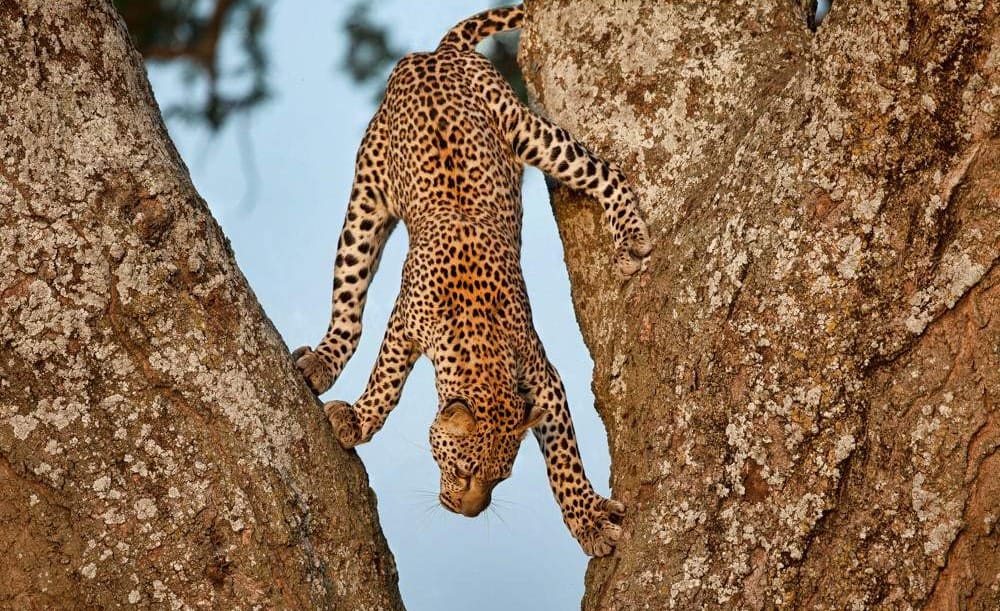
The Tanzania Northern Circuit is home to an incredible diversity of wildlife. In Tarangire National Park, you'll encounter large elephant herds, buffalo, giraffes, zebras, wildebeest, and various antelope species. Lake Manyara is known for its tree-climbing lions, hippos, flamingos, and abundant birdlife. The Serengeti National Park offers sightings of the Big Five (lion, leopard, elephant, buffalo, and rhinoceros), plus cheetahs, hyenas, and massive herds of wildebeest and zebras. The Ngorongoro Crater is a natural amphitheater teeming with wildlife including rhinos, hyenas, jackals, and numerous bird species. The specific animals you see depend on the season and your luck during game drives, but the region is renowned for its exceptional wildlife viewing opportunities.
Tanzania's safari season is generally excellent year-round, but the best times are during the dry seasons. The long dry season (June to October) offers the best wildlife viewing because animals congregate around water sources, making them easier to spot. During this period, vegetation is sparse, providing clearer sightlines. The short dry season (January to February) is also excellent, with good wildlife viewing and fewer crowds. The wet season (November to May) brings lush landscapes and is ideal for birdwatchers, though some roads may be challenging and wildlife is more dispersed. Many travelers prefer June to October for the most reliable game viewing experiences.
A 7-day Tanzania Northern Circuit safari typically ranges from mid-range to luxury pricing depending on accommodation standards and specific inclusions. This particular package includes all park entrance fees, professional guides, private 4x4 vehicles, accommodation, meals as specified, bottled water during game drives, and airport transfers. However, costs can vary based on the season you travel, the quality of lodges selected, and current exchange rates. International airfare, travel insurance, visa fees, tips, and optional activities are typically not included in the base package price. We recommend requesting a detailed quote to understand the complete cost structure for your travel dates.
Packing for a Tanzania safari requires practical, comfortable clothing suited to outdoor game viewing. Bring neutral-colored clothing (khaki, tan, green, brown) as bright colors can startle wildlife. Pack lightweight, breathable fabrics for daytime warmth and layers for early morning and evening game drives when temperatures drop. Essential items include a wide-brimmed hat, sunglasses, high-SPF sunscreen, insect repellent, and closed-toe hiking boots or sturdy walking shoes. Bring a camera with extra batteries and memory cards, binoculars, and a small daypack. Include personal medications, a basic first-aid kit, and toiletries. A light jacket or sweater is necessary for cooler evenings. Consider bringing a reusable water bottle (bottled water is provided during drives). Check weather forecasts for your travel dates and pack accordingly, as conditions vary seasonally.
Yes, a 7-day safari is an excellent duration for experiencing the highlights of Tanzania's Northern Circuit. This timeframe allows you to visit the major parks—Tarangire National Park, Lake Manyara, the Serengeti, and Ngorongoro Crater—with sufficient time for multiple game drives in each location. Seven days provides a good balance between travel time and wildlife viewing opportunities, allowing you to experience diverse landscapes and increase your chances of seeing a wide variety of animals. While longer safaris offer more extensive exploration, a week gives you meaningful exposure to each destination and the flexibility to explore at a comfortable pace without feeling rushed. Many first-time visitors find a 7-day itinerary ideal for getting a comprehensive introduction to the region.
Most international visitors require a visa to enter Tanzania. Visa requirements depend on your nationality, so it's essential to check with the Tanzanian embassy or consulate in your country well before your travel dates. Many nationalities can obtain a visa on arrival at Kilimanjaro International Airport (JRO) or apply for an e-visa online beforehand. The e-visa process is typically straightforward and can be completed within a few days. We recommend applying for your visa at least 4-6 weeks before departure to avoid any delays. Keep in mind that visa fees are not included in most safari packages, so budget accordingly. Always verify current requirements with official sources as visa policies can change.
Vaccinations for Tanzania typically include Yellow Fever, which is strongly recommended or required depending on where you're traveling from. Many countries require proof of Yellow Fever vaccination if you're arriving from Tanzania. Additionally, routine vaccinations (measles, mumps, rubella, polio, tetanus) should be up to date. Malaria prevention is crucial for most safari destinations in Tanzania—consult your doctor about antimalarial medications suitable for the regions you'll visit. Typhoid and Hepatitis A vaccinations are also commonly recommended. Since health requirements and recommendations can vary based on your medical history and specific itinerary, schedule a consultation with a travel medicine clinic 4-6 weeks before your trip. They can provide personalized advice based on current health advisories. Note that travel vaccinations are not included in safari package costs.
A comprehensive Tanzania Northern Circuit safari package typically includes several key components: all national park entrance fees, professional English-speaking guides with extensive wildlife knowledge, private 4x4 safari vehicles for game drives, accommodation at selected lodges or camps as per the itinerary, meals as specified in the day-by-day schedule, bottled water during game drives, airport transfers, and government taxes and VAT. These inclusions ensure a well-organized, comfortable safari experience without hidden costs for major components. However, international airfare, travel insurance, visa fees, alcoholic beverages, tips and gratuities for guides and staff, personal expenses, and optional activities are typically excluded. It's important to clarify exactly what's included in your specific package before booking to avoid surprises.
On most Tanzania safari itineraries, you can expect 2-3 game drives per day: an early morning drive (typically 6-9 AM) when wildlife is most active, and an afternoon/evening drive (typically 4-7 PM). Some safaris may include a midday break at your lodge for rest and meals, while others offer continuous driving with a lunch stop. The exact schedule depends on your specific itinerary, the parks you're visiting, and your lodge's policies. Early morning drives are particularly productive as animals are feeding and moving around before the heat of the day. Evening drives offer excellent opportunities to spot nocturnal animals and experience stunning sunsets. Game drive durations typically range from 3-5 hours depending on wildlife sightings and distances. Your professional guide will plan drives strategically based on recent animal sightings and seasonal movement patterns.
Kilimanjaro International Airport (JRO) is located approximately 50-60 kilometers from Arusha, the main gateway to Tanzania's Northern Circuit safari parks. From Arusha, it's roughly 2-3 hours' drive to Tarangire National Park, 2.5-3 hours to Lake Manyara, and 4-5 hours to the Serengeti. Most safari packages include airport transfers, so you'll be picked up and driven directly to your first destination or to Arusha for an overnight stay before heading into the parks. The drive from the airport to Arusha typically takes 45-60 minutes depending on traffic. This convenient location makes the Northern Circuit easily accessible for international travelers. Your safari operator will coordinate all transfer logistics, so you simply need to arrange your international flight into JRO.
© 2026 SafariFind. All rights reserved.

