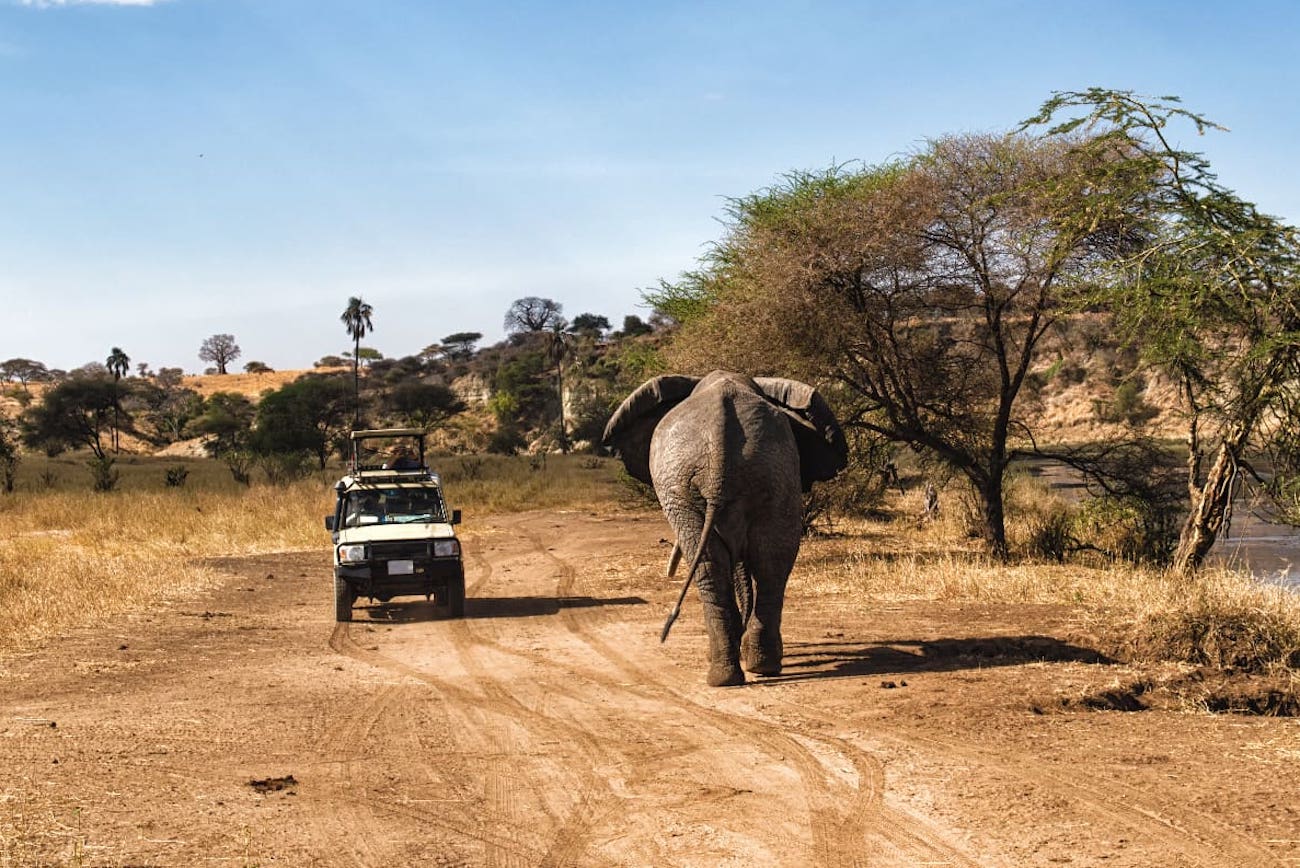
 1 / 8
1 / 8 3 daysPrivate
3-Day Big Five Serengeti & Ngorongoro Safari
by
Highlights
- Big Five game drives
Loading SafariFind...
1 / 8by
SafariFind app
Keep up with your inquiries and bookings, and message operators wherever you are.

Arusha to Serengeti National Park
Serengeti National Park
Meals: Lunch, Dinner
Full Day Central Serengeti National Park
Ngorongoro Crater
Meals: Breakfast, Lunch, Dinner
Serengeti to Ngorongoro Crater then Arusha
Arusha City
Meals: Breakfast, Lunch
Year Round
Year-round
| Season | Solo traveller | 2 people | 3 – 4 people | 5 – 6 people | 7+ people | Child rate | Single suppl. |
|---|---|---|---|---|---|---|---|
Year Round Year-round | $2,175 | $1,450 | $1,305 | $1,233 | $1,160 | $1,015 | $435 |
Child rate applies to travelers under 12 years. Single supplement applies to solo travelers taking their own room.
The Serengeti is home to an incredible diversity of wildlife, including the Big Five (lions, elephants, buffalo, leopards, and rhinoceros). You'll also encounter giraffes, zebras, wildebeest, hyenas, cheetahs, and numerous antelope species. The park is particularly famous for its tree-climbing lions, which are a unique sight. Beyond mammals, the Serengeti supports over 500 bird species, making it exceptional for birdwatchers as well. The sheer concentration and variety of animals you can see in a single day makes the Serengeti one of Africa's premier safari destinations.
The Ngorongoro Crater is one of the world's largest intact volcanic calderas and functions as a natural wildlife sanctuary. Inside this collapsed volcano, you'll find a self-contained ecosystem with an estimated 25,000 large animals, including lions, elephants, buffalo, zebras, and wildebeest. The crater's unique geography creates excellent wildlife viewing opportunities because animals are concentrated in a relatively contained area. The diverse habitats within the crater—including grasslands, forests, and a soda lake—support an impressive variety of species. This makes the Ngorongoro Crater an unforgettable safari experience and a UNESCO World Heritage Site.
The Serengeti and Ngorongoro can be visited year-round, but the best times depend on what you want to see. The dry seasons—June to October and January to February—offer the best wildlife viewing because animals congregate around water sources, making them easier to spot. June to October is particularly excellent as it coincides with the Great Migration, when massive herds of wildebeest and zebras move across the plains. The wet season (November to May) sees fewer tourists and lush landscapes, though some roads may be challenging. If you're flexible, shoulder months like March to May and November to December offer a good balance of wildlife viewing and fewer crowds.
A 3-day safari is an excellent introduction to the Serengeti and Ngorongoro Crater, allowing you to experience both destinations and maximize your wildlife viewing time. This duration gives you sufficient time for multiple game drives in each location, increasing your chances of encountering the Big Five and other wildlife. Three days also allows for a more relaxed pace, including time for meals and rest between drives. If you have more time available, 4 to 7 days would allow for deeper exploration and potentially visiting additional areas like the Rift Valley. However, 3 days is considered the minimum sweet spot for capturing the essence of these iconic Tanzanian destinations.
Pack neutral-colored, lightweight clothing in earth tones (greens, browns, tans) to blend in with the landscape and avoid disturbing wildlife. Bring layers as mornings and evenings can be cool, despite daytime heat. Essential items include a wide-brimmed hat, high-SPF sunscreen, sunglasses, and a light rain jacket for the wet season. Comfortable, closed-toe hiking boots or sturdy shoes are crucial for uneven terrain. Don't forget binoculars for wildlife spotting, a camera with extra batteries and memory cards, and any personal medications. Toiletries, insect repellent, and a headlamp or flashlight are also recommended. Check with your tour operator about specific recommendations, and remember that most lodges have laundry facilities if you're packing light.
Yellow fever vaccination is recommended for travel to Tanzania, and some countries may require proof of vaccination for entry. Malaria prophylaxis is also strongly advised, particularly for lower-altitude areas like the Serengeti and Ngorongoro. Consult your doctor or a travel health clinic at least 4 to 6 weeks before your trip to discuss vaccinations and medications specific to your health profile and the regions you'll visit. Common recommendations include vaccinations for typhoid, hepatitis A and B, and tetanus. Carry comprehensive travel insurance that covers medical emergencies. Always check the latest health advisories from your government's health department before traveling, as recommendations can change.
Most Tanzania safari packages include park entrance fees, accommodation at lodges or camps, all meals (breakfast, lunch, and dinner), a private or shared 4x4 safari vehicle, and a professional guide. Many packages also cover airport transfers, bottled water during game drives, and government taxes. However, inclusions vary by operator and package tier. Items typically not included are international flights, travel insurance, visa fees, alcoholic beverages, tips and gratuities, and optional activities. Some packages may charge extra for premium lodges or special experiences. Always review the detailed inclusions and exclusions with your tour operator to understand exactly what's covered and budget accordingly for additional expenses.
Tanzania safari costs vary widely depending on duration, season, accommodation type, and operator. A 3-day safari typically ranges from $1,500 to $5,000+ per person, with budget options offering basic but comfortable lodges and premium packages featuring luxury accommodations and exclusive experiences. High season (June to October) is generally more expensive than low season (April to May, November). Mid-range packages often provide the best value, offering quality wildlife viewing and comfortable accommodations without excessive luxury pricing. Budget should also account for international flights, travel insurance, visa fees, tips, and personal expenses, which are rarely included in package prices. Request detailed quotes from multiple operators to compare value and services.
Tanzania is generally considered a safe destination for safari tourism, with well-established infrastructure and experienced tour operators. The national parks and protected areas are well-managed with security measures in place. However, standard travel safety precautions apply: avoid displaying valuables, be aware of your surroundings in cities, and follow your guide's instructions during game drives. Wildlife encounters are managed carefully by professional guides who understand animal behavior and maintain safe distances. Travel insurance that covers medical emergencies is highly recommended. Check current travel advisories from your government before booking, and choose reputable tour operators with good safety records and reviews. When properly organized with experienced guides, safari tourism in Tanzania is a safe and rewarding experience.
The Great Rift Valley is a massive geological feature that stretches across East Africa, including Tanzania. It's characterized by dramatic escarpments, deep valleys, and unique ecosystems. The Rift Valley is world-famous for its geological significance and stunning landscapes, offering some of Africa's most breathtaking scenery. From a safari perspective, the Rift Valley supports diverse wildlife and provides excellent viewing opportunities, particularly for birds and large mammals. The region's varied habitats—from highland forests to grasslands—create distinct ecological zones within a relatively small area. Visiting the Rift Valley during your safari adds geographical and geological education to your wildlife experience, making it a comprehensive introduction to East Africa's natural wonders and geological history.
 Natalia Safari ToursArusha, Tanzania4.8(13 reviews)
© 2026 SafariFind. All rights reserved.