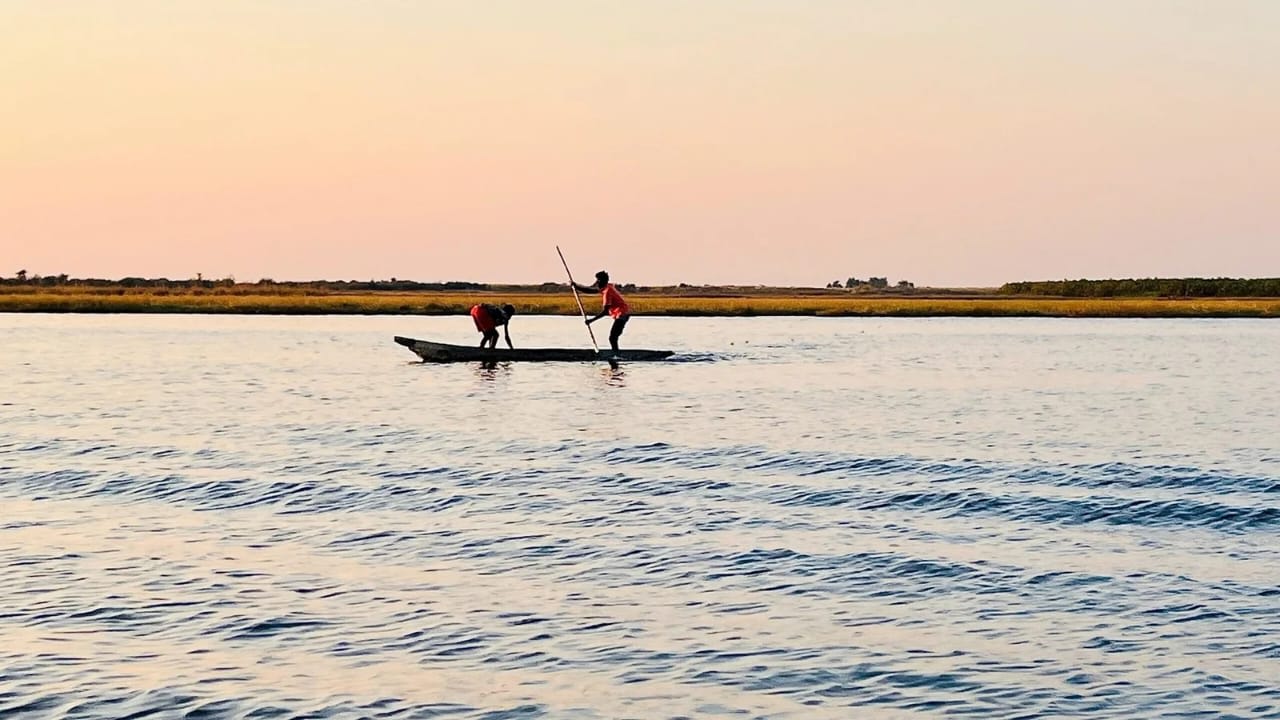
 1 / 4
1 / 4 4 daysprivate
4-Day Botswana Chobe National Park Highlights
by
Loading SafariFind...
1 / 4by
Arrival in Kasane & Transfer to Chobe Camp
Chobe National Park
Meals: Lunch, Dinner
Full Day Safari Experience in Chobe
Chobe National Park
Meals: Breakfast, Lunch, Dinner
Full day day trip in Chobe National Park
Kasane
Meals: Breakfast
Day 4
Chobe National Park
Meals: Breakfast, Lunch
Year Round
Year-round
| Season | Solo traveller | 2 people | 3 – 4 people | 5 – 6 people | 7+ people |
|---|---|---|---|---|---|
Year Round Year-round | $3,850 | $2,300 | $1,900 | $1,680 | $1,500 |
Chobe National Park is renowned for its exceptional wildlife viewing opportunities. The park is home to one of Africa's largest elephant populations, with herds often numbering in the thousands. You'll also encounter buffalo, lions, leopards, giraffes, zebras, antelopes, and numerous bird species. The Chobe River attracts hippos and crocodiles, particularly visible during boat cruises. Early morning game drives offer the best chances of spotting predators when they're most active, while the river cruise provides unique perspectives of wildlife coming to drink at the water's edge.
The dry season, typically from May to October, is considered the best time to visit Chobe National Park. During these months, wildlife concentrates around water sources, making animals easier to spot. The weather is cooler and more comfortable for camping and game drives. November to April is the wet season when vegetation is lush and bird watching is excellent, but some areas may become less accessible. Each season offers unique advantages, so your choice depends on whether you prioritize wildlife viewing density or want to experience the park in its greener state.
Essential items for a Chobe camping safari include lightweight, neutral-colored clothing for game drives (khaki and earth tones help you blend into the landscape), a warm jacket or fleece for early mornings and evenings, sturdy closed-toe hiking boots, a wide-brimmed hat, sunscreen, and sunglasses. Bring binoculars for wildlife viewing and a camera with extra batteries. Personal toiletries, medications, and a headlamp or flashlight are important for the camping experience. Don't forget insect repellent to protect against mosquitoes. Since camping equipment and bedding are provided, you can travel lighter than you might expect. Check weather forecasts before your trip to pack appropriately for the season.
A 3-day safari in Chobe National Park provides an excellent introduction to the park's wildlife and ecosystems. This duration allows for early morning game drives, a river boat cruise, and enough time to experience the park without feeling rushed. Three days gives you multiple opportunities to spot different wildlife and adjust to the rhythm of safari life. For first-time visitors or those with limited time, three days strikes a good balance between immersion and practicality. Longer safaris of 4-5 days would allow for deeper exploration and increased wildlife encounters, but three days is sufficient to experience the highlights of Chobe.
Camping in Chobe National Park is generally safe when conducted with experienced operators who follow proper wildlife safety protocols. Camps are set up in designated areas with appropriate security measures. Guides are trained in wildlife behavior and safety procedures, and they conduct briefings on how to behave around animals. The key to safety is following your guide's instructions carefully, staying alert, and respecting the wildlife's space. Professional camping equipment and established protocols minimize risks. It's important to book with reputable operators who prioritize safety and have experience managing wildlife encounters. While camping in the African wilderness carries inherent risks, thousands of travelers safely enjoy this experience annually.
A comprehensive Chobe camping safari typically includes accommodation in the form of camping equipment and bedding, all meals (breakfast, lunch, and dinner), drinking water and refreshments throughout the day, a private 4x4 safari vehicle for game drives, park entrance fees, and airport transfers. These inclusions ensure you have everything needed for a comfortable and immersive safari experience. However, items not usually included are international airfare, travel insurance, alcoholic beverages, personal expenses, tips and gratuities, visa fees, and travel vaccinations. It's wise to clarify exactly what's included with your operator and budget separately for these excluded items.
Game drives on a Chobe safari typically begin very early in the morning, often before sunrise. Early morning drives are strategically timed to catch wildlife when they're most active—predators are hunting, herbivores are grazing, and the overall animal activity is at its peak. These early departures also mean cooler temperatures and better lighting for wildlife photography. You'll return to camp for breakfast after a few hours of driving. The early start requires an adjustment to your sleep schedule, but most visitors find the exceptional wildlife viewing opportunities well worth the early wake-up call. Your guide will confirm exact departure times based on seasonal daylight hours.
Visa requirements for Botswana depend on your nationality. Many nationalities, including citizens of the United States, United Kingdom, European Union countries, Australia, and Canada, can enter Botswana visa-free for tourism purposes and receive a visitor's permit upon arrival, typically valid for 90 days. However, requirements vary by country, and regulations can change. It's essential to check with the Botswana embassy or consulate in your country or visit the official government website well in advance of your travel dates. Additionally, your passport must be valid for at least six months beyond your intended stay. Start checking visa requirements at least 2-3 months before your planned trip.
Vaccinations recommended for travel to Botswana typically include yellow fever (particularly if you're coming from other African countries), hepatitis A, typhoid, and routine vaccinations like measles, mumps, and rubella. Malaria prophylaxis is strongly recommended as malaria is present in the Chobe region. Consult with a travel medicine specialist or your healthcare provider at least 4-6 weeks before your trip to receive personalized recommendations based on your medical history and the specific areas you'll visit. They can advise on the most appropriate vaccinations and antimalarial medications for your circumstances. Travel vaccinations are typically not included in safari packages, so budget for these medical consultations and medications separately.
Yes, the Chobe River is a central feature of safaris in Chobe National Park. The river forms the northern boundary of the park and is one of its most wildlife-rich areas. A carefully timed river boat cruise is typically included in safari packages, offering a unique perspective of wildlife as animals come to drink and bathe. From the water, you'll have excellent opportunities to photograph elephants, buffalo, hippos, crocodiles, and numerous bird species. The river cruise provides a different vantage point from land-based game drives, and the cooler breeze on the water offers relief during hot days. The boat cruise is often scheduled during specific times to maximize wildlife viewing opportunities and ensure a safe, enjoyable experience.
 Mzilikazi Way Safaris Maun, Botswana
© 2026 SafariFind. All rights reserved.
