 1 / 4
1 / 4 3 daysPrivate
3-Day Last Minute Maasai Mara Migration Special
by
Loading SafariFind...
1 / 4by
SafariFind app
Keep up with your inquiries and bookings, and message operators wherever you are.

Day 1
Masai Mara National Reserve
Meals: Lunch, Dinner
Day 2
Masai Mara National Reserve
Meals: Breakfast, Lunch, Dinner
Day 3
Nairobi
Meals: Breakfast
Peak Season
Jul 2026 – Sep 2026
| Season | 2 people | 3 – 4 people | 5 – 6 people | Single suppl. |
|---|---|---|---|---|
Peak Season Jul 2026 – Sep 2026 | $1,200 | $1,000 | $930 | $190 |
Single supplement applies to solo travelers taking their own room.
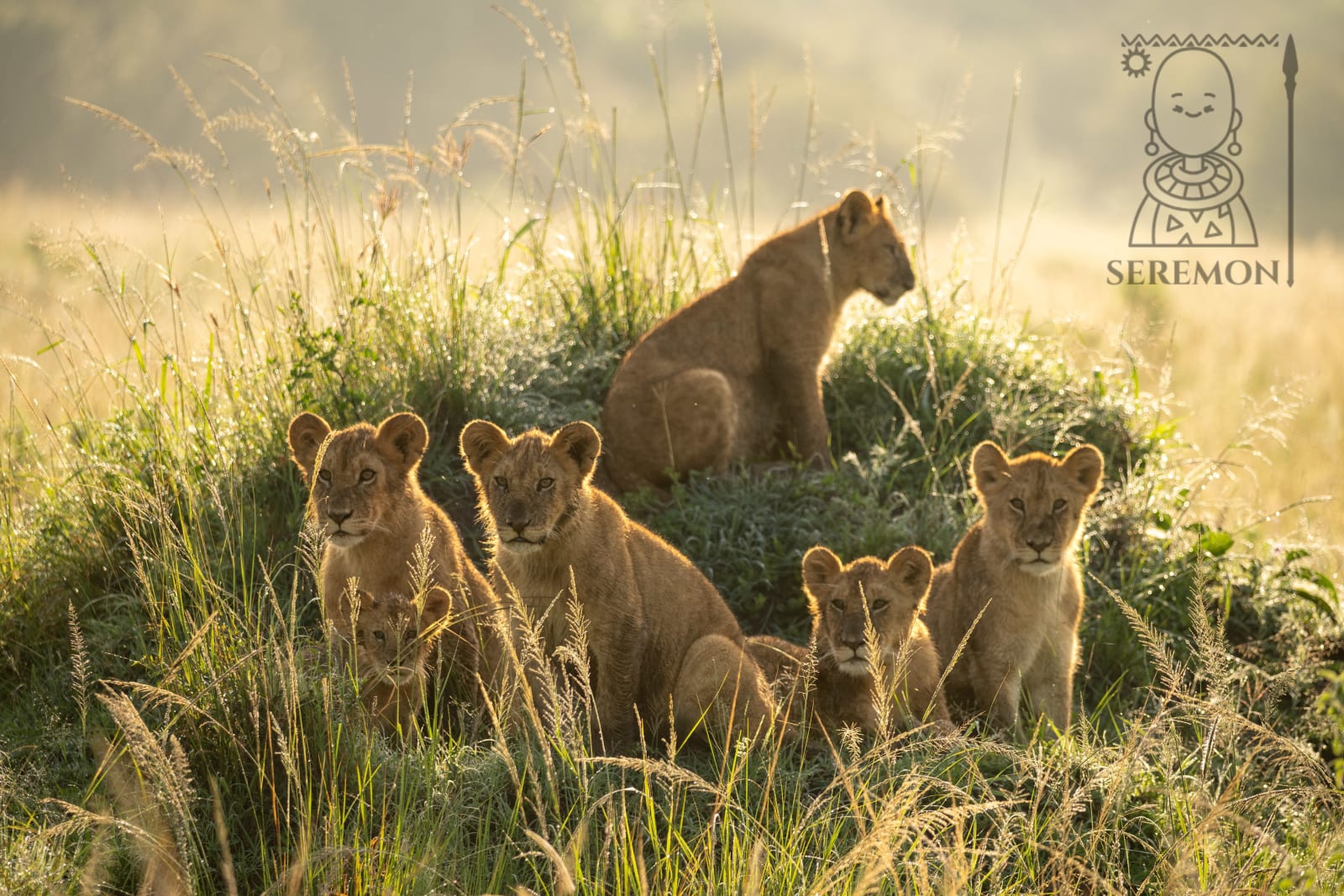
The Masai Mara National Reserve is home to an exceptional variety of wildlife, including the iconic Big Five (lion, leopard, elephant, buffalo, and rhinoceros). You'll also encounter large herds of elephants and buffalo, one of Africa's highest concentrations of lions, and during the Great Migration season (July to October), thousands of wildebeest and zebra. The Mara River is particularly famous for hippos and giant Nile crocodiles that gather along the riverbanks. The reserve's diverse ecosystem supports numerous other species including giraffes, zebras, antelopes, and a rich variety of bird species, making it one of the world's premier safari destinations.
The Great Migration in the Masai Mara typically occurs between July and October, when massive herds of wildebeest and zebra migrate from the Serengeti in Tanzania in search of fresh grazing lands. This period offers the most dramatic wildlife viewing, including the famous river crossings where animals brave crocodile-infested waters. If you're planning a last-minute safari during this season, you'll have an excellent chance of witnessing one of nature's greatest spectacles. However, the reserve is rewarding year-round, with different wildlife viewing opportunities in other seasons.
A 3-day safari provides a solid introduction to Kenya's wildlife and landscapes, allowing you to experience game drives, cultural interactions, and the stunning scenery of the Masai Mara. This duration is ideal for those with limited time or for last-minute travelers, as it balances travel time from Nairobi with meaningful safari experiences. The first day includes travel and cultural activities, the second day features a full-day game drive, and the third day includes your return journey. Many travelers extend beyond 3 days for deeper exploration, but a 3-day safari is sufficient to encounter major wildlife and experience the African wilderness.
Pack neutral-colored clothing in earth tones (khaki, tan, olive, brown) to blend with the landscape and avoid startling wildlife. Bring lightweight, breathable fabrics for hot days and a warm jacket or fleece for early morning and evening game drives when temperatures drop. Essential items include a wide-brimmed hat, sunglasses, high-SPF sunscreen, and insect repellent. Comfortable walking shoes and closed-toe boots are recommended for game drives and village visits. Don't forget binoculars for wildlife viewing, a camera with extra batteries, and any personal medications. Since accommodation is in a tented camp, pack toiletries and any comfort items you may need. Check with your operator about specific recommendations based on the current season.
Yes, the Masai Mara is a well-established and secure safari destination that welcomes thousands of visitors annually. The reserve is managed by professional guides and operators who prioritize visitor safety. Game drives are conducted in vehicles with experienced guides who understand animal behavior and maintain safe distances. Accommodation in established camps provides secure facilities with staff support. That said, it's important to follow your guide's instructions during game drives and respect wildlife boundaries. Standard travel safety precautions apply—avoid traveling alone at night, secure valuables, and stay aware of your surroundings. Consider purchasing travel insurance that covers medical evacuation, and check current travel advisories from your government before departure.
Visa requirements for Kenya depend on your nationality. Many countries' citizens can obtain a visa on arrival or through an e-visa system, while others may need to apply in advance at a Kenyan embassy or consulate. Most visitors receive a 90-day tourist visa. We recommend checking the official Kenya Immigration website or contacting your nearest Kenyan embassy for current requirements specific to your passport. You'll also need a passport valid for at least six months beyond your travel dates. Note that visa fees are not included in your safari package, so budget accordingly. It's best to arrange this well in advance of your travel, especially for last-minute bookings.
The scenic drive from Nairobi to the Masai Mara National Reserve takes approximately six hours, covering roughly 280 kilometers. The route passes through the breathtaking Great Rift Valley, offering stunning landscape views and opportunities to observe the Kenyan countryside. The drive typically departs early in the morning (around 6:30 AM) to maximize daylight hours and allow arrival at camp in time for lunch. While the journey is long, it's an integral part of the safari experience, providing context for Kenya's geography and natural beauty. The return journey to Nairobi on the final day follows a similar route and timeframe.
A visit to a traditional Maasai village is a highlight of many Masai Mara safaris, offering authentic cultural immersion. During these visits, you'll interact with Maasai people, learn about their customs, traditions, and pastoral way of life, and often participate in traditional dances and ceremonies. You may also have opportunities to visit local craft markets and purchase handmade souvenirs directly from artisans. These cultural experiences provide valuable context for understanding the region and its people. It's important to approach these interactions respectfully, follow your guide's etiquette guidelines, and remember that photography may require permission. These experiences are typically included in safari packages and add a meaningful dimension beyond wildlife viewing.
Most Masai Mara safari packages include fullboard accommodation, meaning all meals (breakfast, lunch, and dinner) are provided throughout your stay. You'll be accommodated in a standard comfort tented camp that offers a genuine safari experience while maintaining essential amenities. Breakfast is typically served before morning activities, lunch may be enjoyed as a picnic in the bush during game drives or at the camp, and dinner is served in the evening at camp. Accommodation in tented camps places you in the heart of the African wilderness while providing comfortable bedding, basic facilities, and often stunning views of the surrounding landscape. Note that alcoholic beverages are typically not included, so budget for these separately if desired.
Travel insurance costs vary significantly based on your age, trip duration, coverage level, and pre-existing conditions, typically ranging from $50 to $300+ for a 3-day trip. Basic coverage might cost $50-100, while comprehensive policies with medical evacuation (highly recommended for remote safari areas) can cost $150-300 or more. Since the Masai Mara is a remote location, travel insurance that includes emergency medical evacuation is strongly advised. We recommend obtaining quotes from multiple providers and carefully reviewing what's covered—ensure your policy includes trip cancellation, medical expenses, and evacuation. Travel insurance is not included in your safari package, so you'll need to arrange and pay for this separately before departure. Purchase insurance soon after booking to maximize coverage options.
 Seremon LtdNairobi, Kenya
© 2026 SafariFind. All rights reserved.