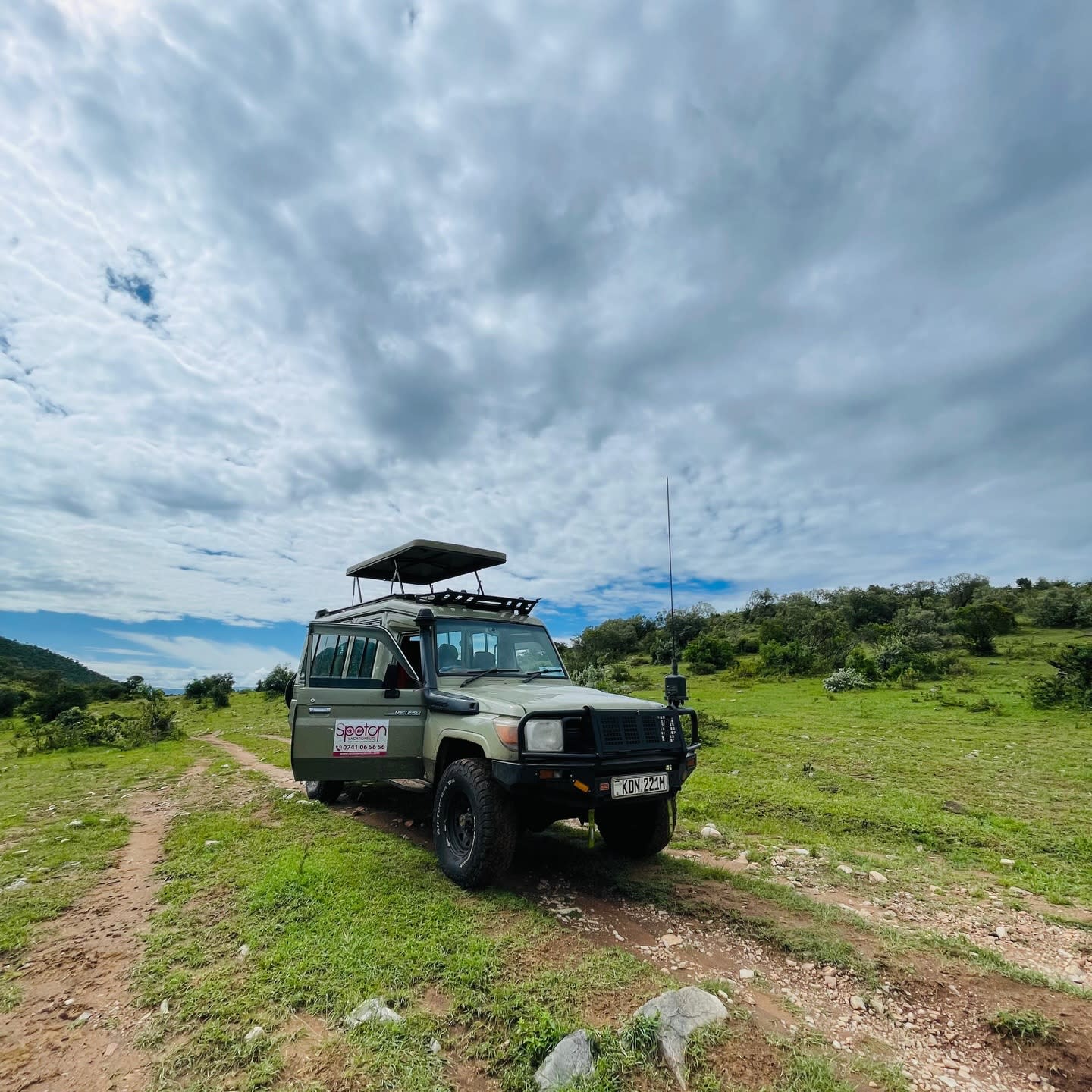
 1 / 2
1 / 2 3 daysGroup Joining
3-Day Maasai Mara Safari Package
by
Loading SafariFind...
1 / 2by
Journey to the Maasai Mara
Masai Mara National Reserve
Meals: Dinner
Full Day Safari in Maasai Mara
Masai Mara National Reserve
Meals: Breakfast, Lunch, Dinner
Return to Nairobi
Nairobi
Meals: Breakfast
Year Round
Year-round
| Season | Solo traveller | 2 people | 3 – 4 people | 5 – 6 people | 7+ people | Child rate | Single suppl. |
|---|---|---|---|---|---|---|---|
Year Round Year-round | $270 | $180 | $162 | $153 | $144 | $126 | $54 |
Child rate applies to travelers under 12 years. Single supplement applies to solo travelers taking their own room.
The Maasai Mara is home to an exceptional concentration of African wildlife. You can expect to encounter the Big Five—lions, leopards, elephants, buffalo, and rhinoceros—along with zebras, giraffes, wildebeest, hyenas, and numerous bird species. The reserve's dense wildlife population means that game drives typically yield multiple sightings across predators and herbivores. The acacia woodlands and rolling savanna provide ideal habitat for these animals, making wildlife encounters a genuine probability rather than a rarity.
Yes, three days is sufficient for a meaningful safari experience in the Maasai Mara. The reserve's exceptional wildlife density means you'll likely encounter major species during two full days of game drives. While longer safaris allow for more extensive exploration, a three-day itinerary maximizes your time on the reserve while minimizing travel fatigue. This timeframe is particularly effective for first-time safari travelers and provides quality wildlife viewing experiences without requiring a week-long commitment.
The Maasai Mara offers excellent wildlife viewing year-round, but the dry seasons provide optimal conditions for predator sightings and overall wildlife encounters. The best times are July through October and January through February, when water sources concentrate animals in specific areas, making them easier to locate. During these periods, vegetation is sparse, improving visibility, and predators are more active. However, the reserve remains a viable destination outside these windows if you're flexible with your travel dates.
A three-day Maasai Mara safari involves approximately 4–5 hours of travel between Nairobi and the reserve, plus 6–8 hours of game drives spread across your two days in the Mara. Game drives typically occur during early morning and late afternoon—the prime wildlife viewing hours when animals are most active. This schedule balances exploration time with rest periods at your accommodation, allowing you to experience the best wildlife viewing windows without excessive fatigue.
Absolutely. A Maasai Mara safari is an excellent introduction to African wildlife experiences. The concentrated three-day timeframe eliminates the commitment of longer expeditions, while the reserve's exceptional wildlife density increases the likelihood of meaningful animal encounters early in your safari journey. The professional English-speaking guides provide expert knowledge and context for wildlife behavior, enhancing your experience. Additionally, the budget-conscious approach makes it accessible for travelers new to safari tourism.
Pack neutral-colored clothing in earth tones (khaki, tan, brown, olive) to blend with the environment and avoid startling wildlife. Bring layers for temperature variations—early mornings and evenings can be cool, while midday heat is intense. Essential items include a wide-brimmed hat, sunscreen, sunglasses, and binoculars for wildlife viewing. Comfortable walking shoes are important for any lodge activities. Pack a light rain jacket, as afternoon showers can occur. Don't forget personal medications, insect repellent, and a camera with adequate battery and storage. Bring a small daypack for game drives to carry water and personal items.
Visa requirements for Kenya depend on your nationality. Many countries' citizens can obtain a visa on arrival or through an e-visa system, while others may need to apply in advance. It's essential to check the current requirements with the Kenyan embassy or official government sources well before your travel date, as regulations can change. Most visitors also need a passport valid for at least six months beyond their intended stay. Additionally, verify any health requirements such as yellow fever vaccinations, which may be necessary depending on your origin country and travel history.
A typical three-day Maasai Mara safari package includes accommodation at lodges or camps within or near the reserve, all meals (breakfast, lunch, and dinner), professional English-speaking guides, and bottled water during game drives. These inclusions provide a comprehensive experience with expert wildlife interpretation and comfortable rest between safari activities. However, packages typically exclude international airfare, visa fees, and park entrance fees, which should be budgeted separately. It's advisable to confirm exact inclusions with your tour operator, as some packages may offer optional activities or upgrades.
The Maasai Mara National Reserve is located approximately 220 kilometers (137 miles) northwest of Nairobi. The journey typically takes 4–5 hours by road, depending on road conditions and the specific lodge location within the reserve. Most travelers drive from Nairobi on Day 1, arriving in the afternoon to settle into their accommodation. The return journey on Day 3 follows the same route. While the drive is substantial, it's an integral part of the safari experience, and many operators use this time to brief guests on wildlife behavior and reserve ecology.
The possibility of witnessing the Great Migration depends on the time of year you visit. The migration typically reaches the Maasai Mara between July and October, when massive herds of wildebeest and zebras cross from the Serengeti in Tanzania. If you travel during these months, there's a strong likelihood of encountering migration activities. However, even outside migration season, the Maasai Mara offers exceptional wildlife viewing with resident populations of lions, leopards, elephants, and numerous other species. For the best chance of seeing the migration, plan your visit during the peak months of August and September.
 Spoton VacationsNairobi , Kenya
© 2026 SafariFind. All rights reserved.
