 1 / 9
1 / 9 3 daysPrivate
3-Day Maasai Mara Wildebeest Joining Experience Best Value - Jambo Mara Lodge
by
Loading SafariFind...
1 / 9by
SafariFind app
Keep up with your inquiries and bookings, and message operators wherever you are.

Departure from Nairobi to Masai Mara - Welcome to the Wilderness
Masai Mara National Reserve
Meals: Dinner
Full Day Immersion - Witnessing the Wildebeest Migration Gathering
Masai Mara National Reserve
Meals: Breakfast, Lunch, Dinner
Final Safari and Return to Nairobi - Lasting Memories
Nairobi
Meals: Breakfast
Year Round
Year-round
| Season | Solo traveller | 2 people | 3 – 4 people | 5 – 6 people | 7+ people | Child rate | Single suppl. |
|---|---|---|---|---|---|---|---|
Year Round Year-round | $1,320 | $880 | $792 | $748 | $704 | $616 | $264 |
Child rate applies to travelers under 12 years. Single supplement applies to solo travelers taking their own room.
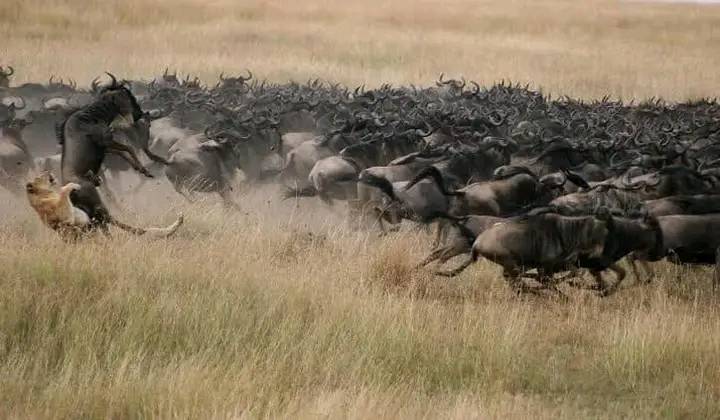
The wildebeest migration in the Masai Mara typically occurs from July through October, when hundreds of thousands of wildebeest, zebras, and gazelles move across the reserve. The 'joining' phase—when herds begin congregating before the main river crossings—offers particularly spectacular viewing opportunities with less crowding than peak season. The exact timing can vary slightly year to year based on rainfall patterns, so it's worth checking current conditions with your safari operator before booking.
The Masai Mara is home to an incredibly diverse range of wildlife. You'll encounter the iconic wildebeest herds during migration, along with zebras, gazelles, and other herbivores. Predators include lions, leopards, hyenas, and wild dogs. You'll also spot elephants, buffalo, giraffes, and numerous bird species throughout the reserve. The variety of habitats—from open plains to acacia woodlands—means each game drive offers the chance to see different animals depending on where the herds are moving and where predators are hunting.
A three-day safari can provide concentrated and meaningful access to the migration, particularly during the joining phase when herds are gathering and beginning their movement. While longer safaris offer more extensive exploration, a well-planned three-day itinerary with experienced guides and strategic game drive timing maximizes your chances of witnessing migration moments like river crossings, grazing patterns, and predator interactions. The key is booking during the right season (July-October) when the herds are present in the reserve.
Yes, absolutely. The Masai Mara is an excellent choice for first-time safari-goers. The reserve's exceptional wildlife density and predictable migration patterns mean you're likely to see dramatic animal encounters, which creates memorable experiences for newcomers. Professional guides are experienced at explaining animal behavior and ecosystem dynamics, making the experience educational as well as thrilling. Comfortable mid-range lodge accommodations allow you to rest between game drives, and the structured itinerary takes the guesswork out of planning, making it ideal for those new to African safari travel.
Pack neutral-colored, breathable clothing in layers—mornings and evenings can be cool, while midday is warm. Essentials include a wide-brimmed hat, sunscreen, sunglasses, and closed-toe hiking boots or sturdy shoes for walking around the lodge. Bring binoculars for wildlife viewing, a camera with extra batteries and memory cards, and any personal medications. A light jacket or fleece is important for early morning game drives. Insect repellent helps with mosquitoes, particularly near water sources. Keep luggage minimal and soft-sided (hard suitcases don't fit well in safari vehicles), and remember that most lodges provide toiletries, so you can travel light on personal care items.
A comprehensive safari package typically includes accommodation at a lodge, all meals (breakfast, lunch, and dinner), professional game drives in a 4x4 vehicle with an English-speaking guide, park entrance fees, bottled water during drives, and airport transfers. Some packages also cover government taxes and VAT. What's usually not included are international flights, visa fees, alcoholic beverages, tips and gratuities for guides and staff, travel insurance, and optional activities. It's important to review your specific package details to understand exactly what's covered so you can budget for any additional expenses.
Masai Mara safari costs vary significantly based on accommodation level, season, and what's included. Mid-range luxury safaris—which offer comfortable lodges, quality meals, and professional guiding without premium resort pricing—provide excellent value and are popular with travelers seeking authentic experiences at reasonable rates. Budget safaris are more economical but may have fewer amenities, while luxury safaris offer high-end accommodations and personalized services at premium prices. Booking during shoulder seasons (just before or after peak migration months) can offer better rates than July-August. Always compare what's included in the quoted price to understand the true value.
Visa requirements for Kenya depend on your nationality. Most visitors require a visa, which can be obtained on arrival at Jomo Kenyatta International Airport in Nairobi or applied for in advance online through Kenya's e-visa system. Some countries have visa exemptions or can obtain visas on arrival. It's essential to check the current requirements with the Kenyan embassy or consulate in your country well before your trip, as regulations can change. Additionally, ensure your passport is valid for at least six months beyond your travel dates, as this is a standard requirement for entry into Kenya.
The Masai Mara National Reserve is Kenya's premier safari destination, famous for hosting the annual wildebeest migration and offering exceptional wildlife density and diversity. While other Kenyan reserves like Amboseli, Tsavo, and the Rift Valley lakes offer unique experiences and stunning landscapes, the Mara is specifically renowned for the migration spectacle and consistent predator-prey interactions. The Mara's ecosystem supports large populations of lions, leopards, and other big cats, making it ideal for those seeking dramatic wildlife encounters. Other reserves may offer different experiences, such as Amboseli's elephant herds and Mount Kilimanjaro views, or Tsavo's vast wilderness. Your choice depends on whether you prioritize the migration experience or prefer other wildlife focuses.
Game drives are conducted in open-sided or pop-up roof 4x4 vehicles, allowing unobstructed wildlife viewing and photography. Drives typically occur in early morning and late afternoon when animals are most active and temperatures are cooler. Your professional guide navigates the reserve using knowledge of animal movement patterns, water sources, and habitats to maximize sightings. Guides communicate with other safari vehicles via radio to share animal locations, increasing your chances of encountering key species. Drives usually last 3-4 hours, with breaks for refreshments. The open vehicle design means you're immersed in the landscape and sounds of the African wilderness, creating an authentic safari experience while maintaining safety through experienced guide expertise.
 LAMARA TOURISM AND TRAVEL AGENCY LtdNairobi, Kenya
© 2026 SafariFind. All rights reserved.