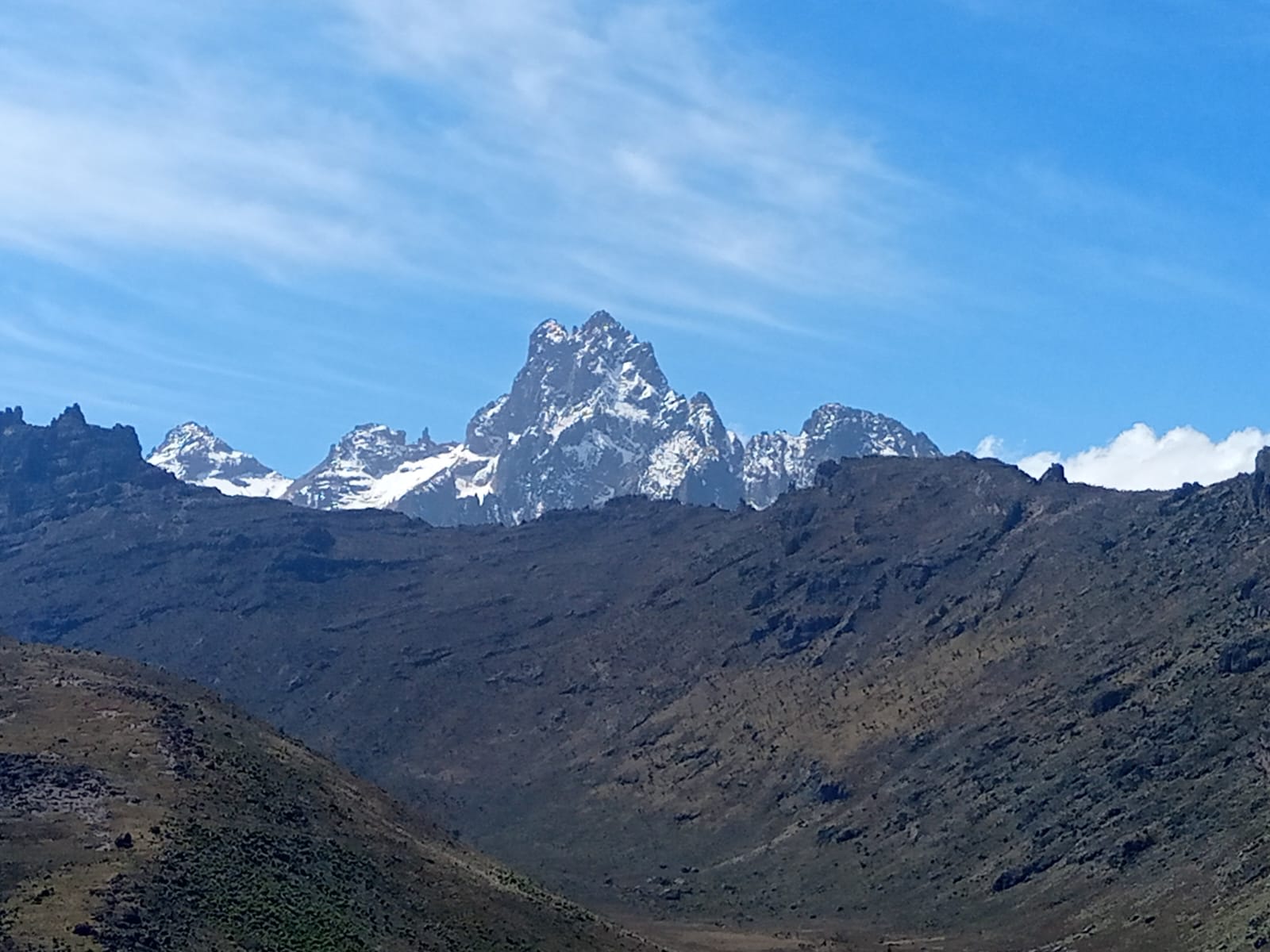
What is Point Lenana and how high is it?+
Point Lenana is the third-highest peak on Mount Kenya, standing at 4,985 meters (16,355 feet) above sea level. It's a popular trekking destination for hikers who want to experience Mount Kenya's stunning alpine environment without requiring technical climbing skills. Unlike the higher peaks (Batian and Nelion), Point Lenana can be reached via hiking routes, making it accessible to a wider range of fitness levels. The summit offers breathtaking panoramic views of the surrounding landscape and is known for its spectacular sunrise vistas.
What is the Sirimon Route on Mount Kenya?+
The Sirimon Route is one of the most scenic and popular trekking routes on Mount Kenya, known for offering excellent acclimatization and gradual altitude gain. This route approaches the mountain from the northern side and passes through diverse ecosystems including lush forests, alpine moorlands, and high-altitude plateaus. The Sirimon Route is favored by many trekkers because it provides a more comfortable ascent with better acclimatization opportunities compared to steeper alternatives, and it rewards hikers with spectacular views throughout the journey. The route typically takes 4 days to reach Point Lenana, allowing your body adequate time to adjust to the increasing altitude.
What wildlife might you encounter on a Mount Kenya trek?+
Mount Kenya's diverse ecosystems support various wildlife species depending on the altitude and zone you're trekking through. In the lower forest zones, you may spot buffalo, elephants, and various antelope species. As you ascend into the moorlands and alpine zones, you're more likely to encounter smaller mammals like rock hyraxes, sunbirds, and alpine birds. The mountain is also home to unique high-altitude species adapted to the harsh environment. While wildlife encounters are less frequent at higher elevations, the trek offers excellent opportunities to observe the mountain's natural biodiversity and birdlife throughout the different ecological zones.
Is climbing Mount Kenya difficult and what fitness level is required?+
Climbing to Point Lenana on Mount Kenya is considered moderately challenging rather than technically difficult. Unlike the higher peaks (Batian and Nelion) which require rock climbing skills, Point Lenana can be reached through hiking alone. However, the trek does involve significant altitude gain, with the main challenge being altitude acclimatization rather than technical climbing ability. A reasonable level of fitness is recommended—you should be comfortable with multi-day hiking and walking 5-7 hours daily. The 4-day itinerary allows for gradual acclimatization, which is crucial for managing altitude and increasing your chances of successfully reaching the summit. Prior hiking experience and regular cardiovascular fitness training will prepare you well for this adventure.
When is the best time to trek Mount Kenya?+
The best times to trek Mount Kenya are during the dry seasons: January to February and August to October. These periods offer the most stable weather conditions, clearer skies for summit views, and the lowest risk of rain and snow on the mountain. January-February provides cooler temperatures and fewer crowds, while August-October is the peak season with more consistent conditions. During these dry seasons, you'll have better visibility for the sunrise from Point Lenana and more comfortable camping conditions. The rainy seasons (March-May and November-December) are generally less ideal due to unpredictable weather, muddy trails, and reduced visibility, though trekking is still possible with proper preparation.
What should you pack for a 4-day Mount Kenya trek?+
Packing appropriately for a Mount Kenya trek is essential due to rapidly changing weather and altitude. Bring layered clothing including a warm insulated jacket, fleece, and waterproof rain gear, as temperatures drop significantly with altitude. Sturdy, well-broken-in hiking boots with good ankle support are crucial for the terrain. Other essentials include a warm hat, gloves, and sun protection (sunscreen, sunglasses, lip balm). Pack a headlamp or flashlight for the pre-dawn summit ascent, a sleeping bag rated for cold temperatures, and personal medications including altitude sickness remedies. Bring moisture-wicking base layers, extra socks, and toiletries. A small daypack for daily hikes and a larger trekking pack for your gear are recommended. Since meals and water are provided, focus on packing layers and protective gear for the varying mountain conditions.
How does altitude sickness affect Mount Kenya trekkers and how can you prevent it?+
Altitude sickness (acute mountain sickness or AMS) is a potential concern when trekking to high elevations like Point Lenana at 4,985 meters. Symptoms can include headaches, nausea, fatigue, and shortness of breath. The risk increases for those ascending too quickly without proper acclimatization. The 4-day itinerary is specifically designed with gradual altitude gain to maximize acclimatization and minimize AMS risk. Prevention strategies include staying well-hydrated, eating high-carbohydrate meals, avoiding alcohol, and taking it easy during the first days to allow your body to adjust. Some trekkers use altitude sickness medication prescribed by their doctor. Listen to your body, inform your guide of any symptoms, and remember that descending is the most effective treatment if severe symptoms occur. Most people can successfully reach Point Lenana with proper pacing and acclimatization.
What accommodation is provided during a Mount Kenya trek?+
During a 4-day Mount Kenya trek via the Sirimon Route, you'll stay at established mountain camps including Old Moses Camp and Shipton's Camp. These camps provide basic but comfortable camping accommodations at various altitudes, allowing you to acclimatize gradually as you ascend. The camps typically feature dome tents or similar shelters with sleeping arrangements and are located at strategic points along the route to optimize your climbing schedule. All accommodation is included in the package, along with three meals daily (breakfast, lunch, and dinner) prepared at the camps. The camps serve as rest points where you can recover, hydrate, and prepare for the next day's trek. Having established camps with provided meals and shelter significantly enhances comfort compared to wild camping and allows you to focus on the trekking experience.
What is included in the cost of a Mount Kenya trek package?+
A comprehensive Mount Kenya trek package typically includes all essential components for a successful and comfortable journey. Standard inclusions cover park entrance fees to access Mount Kenya National Park, professional English-speaking mountain guides with expertise in the route and altitude management, accommodation at mountain camps throughout the trek, all meals (breakfast, lunch, and dinner daily), bottled water for hydration, and transportation via private 4x4 vehicle from Nairobi to the trailhead and back. Airport transfers to and from Nairobi are also included. These inclusions ensure you have everything needed for a safe and enjoyable trekking experience. However, items typically not included are international airfare, visa fees, travel insurance, tips for guides and porters, and personal expenses. It's important to arrange travel insurance before your trip and budget for gratuities to show appreciation for your guide's service.
How many hours per day will you spend hiking on a Mount Kenya trek?+
On a 4-day Mount Kenya trek to Point Lenana, daily hiking duration typically ranges from 5 to 7 hours depending on the specific day and your group's pace. The first few days involve moderate hiking as your body acclimates to the altitude, with trails passing through forests and moorlands. The final day involves an early morning pre-dawn start (usually around midnight to 2 AM) for the summit ascent to Point Lenana, allowing you to reach the peak in time to witness the sunrise. This final day's hiking is more intense but shorter in actual trekking time. Your professional guide will set a comfortable pace appropriate for altitude acclimatization, which means walking slower than you might at sea level. The hiking schedule is designed to balance physical exertion with adequate rest and acclimatization time at each camp.