 1 / 4
1 / 4 3 daysPrivate
3-Day Pian Upe Game Reserve Thrilling Safari
by
Highlights
- Game Drive
Loading SafariFind...
1 / 4by
SafariFind app
Keep up with your inquiries and bookings, and message operators wherever you are.

Arrival In Uganda | Transfer To Pian Upe | Relaxing
Pian Upe Game Reserve
Meals: Lunch, Dinner
Nature Walk | Cultural Interaction | Evening Game Drive
Pian Upe Game Reserve
Meals: Breakfast, Lunch, Dinner
The Last Day With Us | Morning Game Drive | Transfer To The Airport | Fly Back Home
Entebbe International Airport
Meals: Breakfast
Year Round
Year-round
| Season | Solo traveller | 2 people | 3 – 4 people | 5 – 6 people | 7+ people | Child rate | Single suppl. |
|---|---|---|---|---|---|---|---|
Year Round Year-round | $1,275 | $850 | $765 | $723 | $680 | $595 | $255 |
Child rate applies to travelers under 12 years. Single supplement applies to solo travelers taking their own room.
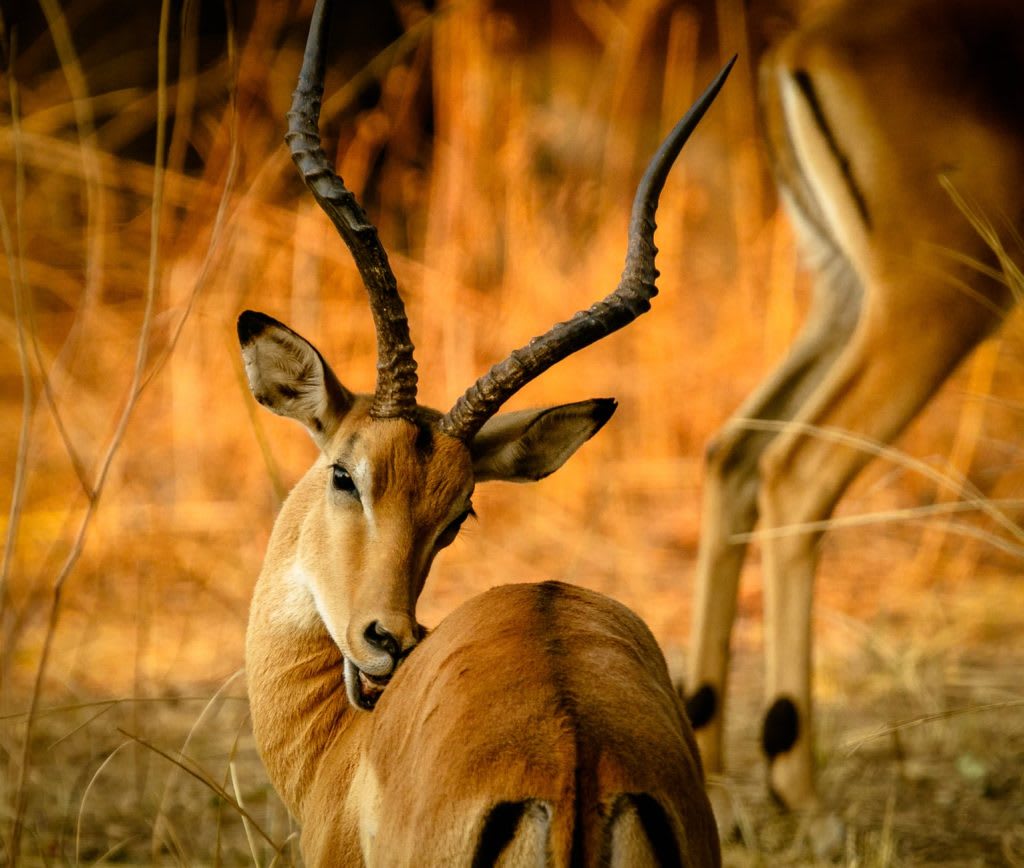
Pian Upe Game Reserve is home to a diverse array of African wildlife, with Uganda kob and oribi being among the notable species you can encounter. The reserve's varied savannah landscape supports numerous other animals including buffalo, zebras, giraffes, and various antelope species. Birdwatchers will also find the reserve particularly rewarding, with over 400 bird species recorded in the area. The reserve's relatively undisturbed ecosystem means wildlife viewing opportunities are excellent, especially during early morning and late afternoon game drives when animals are most active.
A 3-day safari is an excellent introduction to Uganda's wildlife and wilderness experiences. This duration allows you sufficient time to acclimate to the destination, complete multiple game drives, and experience the natural rhythms of the reserve including sunrise and sunset viewing. While longer safaris of 5-7 days offer more extensive exploration, a 3-day safari provides a meaningful and immersive African safari experience with quality wildlife encounters and the opportunity to appreciate the landscape's stunning beauty without excessive travel time.
The dry seasons are generally the best times for wildlife viewing at Pian Upe, as animals concentrate around water sources, making them easier to spot. Uganda typically has two dry seasons: June to August and December to February. During these periods, vegetation is less dense, improving visibility during game drives, and wildlife is more active and visible. The wet seasons (March to May and September to November) bring lush green landscapes and are excellent for birdwatching and photography, though some roads may be more challenging. Always check current conditions before booking, as seasonal patterns can vary.
Essential items for a Ugandan safari include neutral-colored, lightweight clothing for game drives (khaki, tan, and green blend best with the landscape), a warm layer for early morning drives when temperatures are cooler, sturdy walking shoes, and a wide-brimmed hat for sun protection. Bring high-SPF sunscreen, insect repellent, binoculars for wildlife viewing, and a camera with extra batteries and memory cards. Don't forget personal medications, toiletries, and a small first-aid kit. A light rain jacket is advisable even during dry seasons. Sunglasses and a reusable water bottle are also important. Check with your tour operator for any specific recommendations based on current conditions.
Visa requirements for Uganda depend on your nationality. Many nationalities can obtain a visa on arrival at Entebbe International Airport, while others may need to apply in advance through a Ugandan embassy or consulate. Some countries have visa-free or visa-on-arrival arrangements. It's essential to check the current visa requirements with the Ugandan immigration authority or your nearest Ugandan embassy well before your travel dates, as regulations can change. Most travelers should allow 2-4 weeks before their trip to arrange visas if advance application is required. Your safari operator can also provide guidance on visa procedures.
While specific vaccination requirements depend on your medical history and the regions you're visiting, the CDC and WHO typically recommend vaccinations for Yellow Fever, Hepatitis A and B, Typhoid, and routine immunizations for travel to Uganda. Malaria prophylaxis is strongly recommended for most areas of Uganda, including Pian Upe Game Reserve. Consult with a travel medicine clinic or your healthcare provider at least 4-6 weeks before your trip to receive personalized recommendations based on your health status and itinerary. They can also advise on antimalarial medications and other health precautions. Travel insurance that covers medical evacuation is also highly advisable.
A 3-day safari in Uganda can vary significantly in price depending on the level of comfort, location, and season. Budget safari options, like those at Pian Upe Game Reserve, offer excellent value and typically include accommodation, all meals, professional guides, and park fees. Prices generally range from moderate to mid-range depending on lodge quality and amenities. Additional costs to budget separately include international airfare, travel insurance, visa fees, tips for guides and staff, personal expenses, and optional activities. Booking during shoulder seasons (April-May or September-November) can sometimes offer better rates than peak season. It's best to request a detailed quote from your tour operator to understand exactly what's included.
A comprehensive safari package typically includes park entrance fees, professional English-speaking guides, accommodation in lodges or camps as specified in the itinerary, three meals daily (breakfast, lunch, and dinner), bottled water during game drives, and airport transfers. Government taxes and VAT are usually included in quoted prices. This all-inclusive approach simplifies planning and budgeting. However, items not typically included are international flights, travel insurance, visa fees, alcoholic beverages, tips and gratuities for staff, personal expenses, optional activities, and travel vaccinations. It's important to review your specific package details and ask your operator for clarification on what is and isn't covered.
Uganda is generally a safe destination for safari tourism, and Pian Upe Game Reserve is a well-established wildlife area with professional infrastructure and experienced guides. Safari activities are conducted with established safety protocols, and guides are trained in wildlife behavior and emergency procedures. Like any travel destination, it's wise to stay aware of your surroundings, follow your guide's instructions during game drives, and take standard travel precautions. Check current travel advisories from your government before booking. Travel insurance that includes medical coverage and emergency evacuation is highly recommended. Working with reputable tour operators and established safari companies significantly enhances your safety and overall experience.
Game drives on an African safari typically last 3-5 hours, depending on the operator's itinerary and wildlife activity. Early morning drives usually start before sunrise (around 5:30-6:00 AM) and continue until mid-morning, while afternoon drives typically begin in the late afternoon (around 3:00-4:00 PM) and continue until sunset. These timing windows coincide with peak wildlife activity when animals are most active and visible. A 3-day safari usually includes multiple game drives, allowing you to experience different times of day and increase your chances of diverse wildlife encounters. Your professional guide will adjust timing and route based on recent animal sightings and weather conditions to maximize your experience.
© 2026 SafariFind. All rights reserved.