 1 / 4
1 / 4 3 daysPrivate
3-Day Thrilling Safari In Samburu National Reserve
by
Highlights
- Game Drives
Loading SafariFind...
1 / 4by
SafariFind app
Keep up with your inquiries and bookings, and message operators wherever you are.

Arrival In Kenya | Travel To Samburu National Reserve | Evening Game Drive
Samburu National Reserve
Meals: Lunch, Dinner
Guided Nature Walking Safari | Evening Game Drive
Samburu National Reserve
Meals: Breakfast, Lunch, Dinner
The Last Day With Us | Transfer To The Airport | Fly Back Home
Jomo Kenyatta International Airport
Meals: Breakfast, Lunch
Year Round
Year-round
| Season | Solo traveller | 2 people | 3 – 4 people | 5 – 6 people | 7+ people | Child rate | Single suppl. |
|---|---|---|---|---|---|---|---|
Year Round Year-round | $1,650 | $1,100 | $990 | $935 | $880 | $770 | $330 |
Child rate applies to travelers under 12 years. Single supplement applies to solo travelers taking their own room.
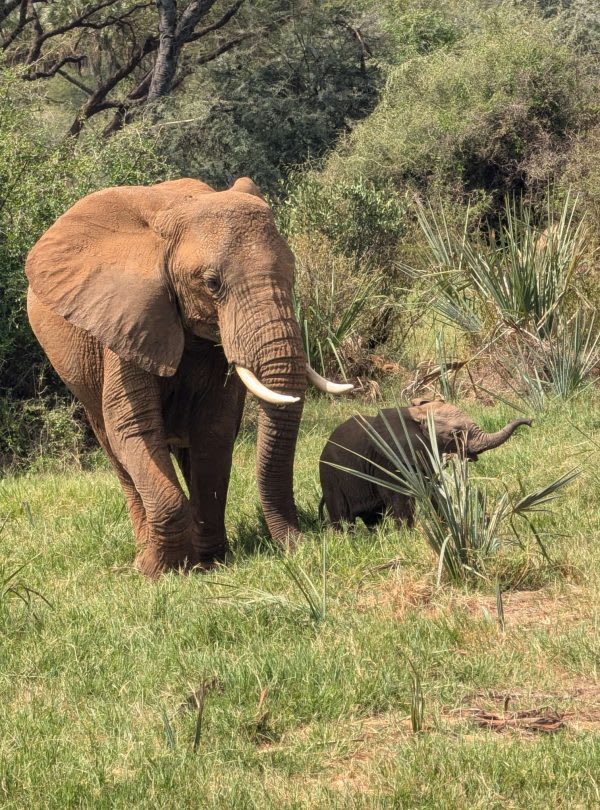
Samburu National Reserve is renowned for its unique northern species found nowhere else in Kenya. You can expect to see Grevy's zebras (distinguished by their narrow stripes), reticulated giraffes (with their intricate geometric patterns), and Somali ostriches. The reserve also hosts lions, leopards, African buffalo, elephants, and various antelope species. The Ewaso Nyiro River is a prime location for spotting wildlife, particularly during game drives when animals congregate at water sources. The semi-arid landscape creates excellent visibility for wildlife viewing, making Samburu an exceptional destination for seeing rare northern species.
Yes, a 3-day safari can be a fulfilling experience, especially in a concentrated area like Samburu National Reserve. While longer safaris allow for more extensive exploration, a 3-day safari provides sufficient time for multiple game drives, wildlife encounters, and an immersive wilderness experience. Three days allows you to experience different times of day (early morning and late afternoon drives are best for wildlife viewing), explore varied terrain, and develop a genuine connection with the landscape. This duration is ideal for travelers with limited time or those looking for a compact yet meaningful safari adventure.
The best time to visit Samburu is during the dry seasons: January to March and July to October. During these periods, vegetation is sparse, making wildlife easier to spot as animals concentrate around water sources like the Ewaso Nyiro River. The cooler months of July to October are particularly favorable for game drives, as temperatures are more comfortable for extended outdoor exploration. The dry season also coincides with excellent visibility and reduced insect activity. While Samburu can be visited year-round, avoiding the heavy rainy seasons (April-June and November-December) ensures better road conditions and more reliable wildlife viewing opportunities.
Pack neutral-colored, lightweight clothing suitable for hot, semi-arid conditions—khaki, beige, and olive tones are ideal for game drives. Bring long-sleeved shirts and long pants for sun and insect protection. Essential items include a wide-brimmed hat, sunglasses, high-SPF sunscreen, and a light jacket for early morning and evening game drives when temperatures drop. Comfortable walking shoes and closed-toe boots are important for navigating rocky terrain. Don't forget binoculars for wildlife viewing, a camera with extra batteries, and any personal medications. Quick-dry towels are practical, and consider bringing a small daypack for game drives. While most accommodations provide toiletries, bringing your preferred brands ensures comfort in remote areas.
Visa requirements for Kenya depend on your nationality. Most visitors require a visa, which can be obtained on arrival at Jomo Kenyatta International Airport or through an online e-visa system before travel. The e-visa process is straightforward and typically takes a few days. However, citizens of certain countries may be exempt from visa requirements—it's essential to check the current requirements with the Kenyan immigration authority or your nearest Kenyan embassy based on your passport country. Plan ahead and secure your visa well in advance of your travel date to avoid any delays. Travel insurance that covers your entire trip is also highly recommended.
Vaccinations recommended for Kenya typically include yellow fever, typhoid, and hepatitis A, depending on your travel history and health status. Malaria prophylaxis is strongly advised for Samburu, as the region is in a malaria-endemic area—consult with a travel health clinic at least 4-6 weeks before departure. Routine vaccinations (MMR, tetanus, polio) should be up-to-date. However, specific medical recommendations vary based on individual health conditions and your country of residence. It's crucial to visit a travel medicine clinic or your healthcare provider 6-8 weeks before your trip to receive personalized medical advice and prescriptions for malaria prevention. They can also provide guidance on travel health insurance requirements.
A typical budget safari package to Samburu includes all park entrance fees, comfortable accommodation throughout your stay, three daily meals (breakfast, lunch, and dinner), professional English-speaking guides for game drives, bottled water during excursions, and airport transfers. Government taxes and VAT are covered, ensuring transparent pricing. Budget safaris offer excellent value by providing essential experiences and services without unnecessary frills. However, items typically not included are international airfare, travel insurance, visa fees, alcoholic beverages, tips and gratuities for guides and staff, personal expenses, optional activities, and travel vaccinations. Review your specific package details to understand exactly what's covered and plan accordingly for additional costs.
Game drives in Samburu typically occur during early morning (around 6-7 AM) and late afternoon (around 3-4 PM), as these are the most active wildlife viewing periods. You'll travel in open or pop-up roof safari vehicles with a professional guide who navigates the reserve's tracks and identifies wildlife. Guides use their expertise and radio communication with other vehicles to locate animals and track movement patterns. Drives usually last 3-4 hours and cover varying terrain, from river valleys to semi-arid plains. The Ewaso Nyiro River is a prime location for concentrated wildlife viewing. Your guide will explain animal behavior, ecology, and the reserve's ecosystem, transforming your experience into an educational adventure. Binoculars and cameras are essential for capturing and observing distant wildlife.
Samburu National Reserve is located approximately 300 kilometers (186 miles) north of Nairobi, Kenya's capital. The drive takes roughly 5-6 hours via the main highway, depending on road conditions and traffic. Most safari packages include airport transfers from Jomo Kenyatta International Airport or Nairobi's Wilson Airport, making the journey convenient. Some travelers opt for domestic flights from Nairobi to airstrips closer to Samburu, reducing travel time to 1-2 hours and minimizing fatigue before the safari begins. The reserve's remote location contributes to its appeal as a less-traveled wilderness area, offering a more exclusive safari experience compared to more accessible reserves. Plan your arrival timing to ensure you can begin game drives on your first day.
Samburu National Reserve is a well-established, professionally managed wildlife destination with strong security measures and experienced guides. Like all safari destinations in Kenya, safety depends on following guidelines provided by your tour operator and guides. The reserve has a good safety record for tourists, and incidents are rare when visitors adhere to park regulations and professional guidance. Your guide will brief you on safety protocols, wildlife behavior, and appropriate distances from animals. Staying with reputable operators who employ trained, knowledgeable guides significantly enhances your safety. It's advisable to check current travel advisories from your government before booking and to purchase comprehensive travel insurance. Overall, thousands of visitors safely enjoy Samburu safaris annually, making it a secure and rewarding destination for wildlife enthusiasts.
© 2026 SafariFind. All rights reserved.

