4 daysPrivate
4-Day 4-Day Private Safari to Tarangire Serengeti & Ngorongoro
by
Highlights
- Big Five Game Drives
- Beautiful Landscapes
Loading SafariFind...
by
Arusha to Tarangire National Park
Tarangire National Park
Meals: Lunch, Dinner
Serengeti National Park
Serengeti National Park
Meals: Breakfast, Lunch, Dinner
Serengeti National Park
Serengeti National Park
Meals: Breakfast, Lunch, Dinner
Ngorongoro Crater back to Arusha
Ngorongoro Crater
Meals: Breakfast, Lunch
Year Round
Year-round
| Season | Solo traveller | 2 people | 3 – 4 people | 5 – 6 people | 7+ people | Child rate | Single suppl. |
|---|---|---|---|---|---|---|---|
Year Round Year-round | $2,415 | $1,610 | $1,449 | $1,369 | $1,288 | $1,610 | $483 |
Child rate applies to travelers under 12 years. Single supplement applies to solo travelers taking their own room.
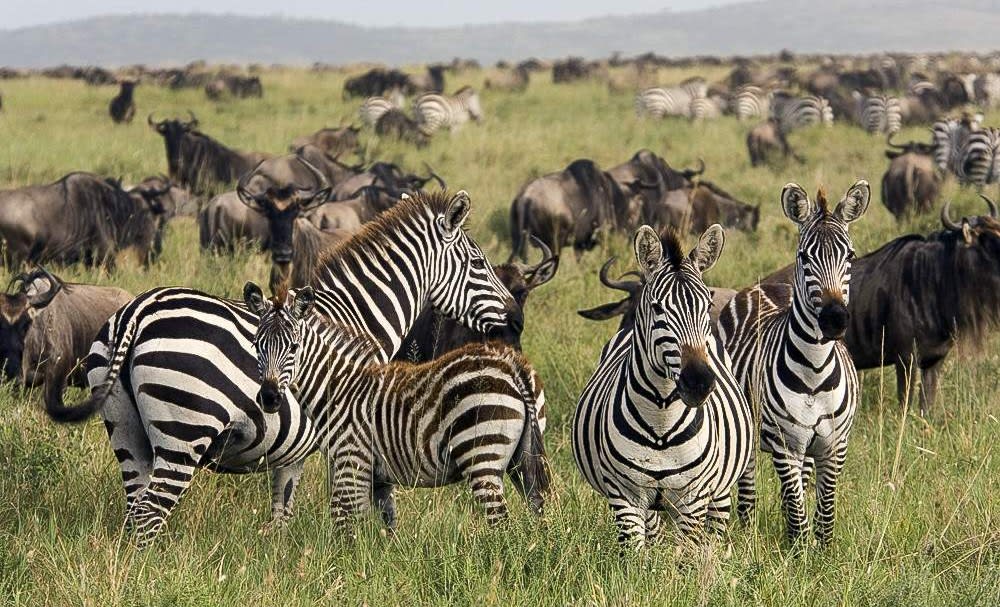
A safari to Tarangire and Serengeti offers exceptional opportunities to see Africa's Big Five — lions, elephants, buffalo, leopards, and rhinoceros — along with numerous other wildlife species. Tarangire is particularly famous for its large elephant herds, especially during the dry season when animals congregate around the Tarangire River. The Serengeti hosts diverse wildlife including wildebeest, zebras, giraffes, hyenas, and wild dogs. You'll also encounter various antelope species, warthogs, and if you're fortunate, tree-climbing pythons. The region is also a birdwatcher's paradise with hundreds of bird species throughout the parks.
The best time for a Tarangire and Serengeti safari is during the dry seasons: June to October (long dry season) and January to February (short dry season). During these periods, wildlife concentrates around water sources, making animals easier to spot. June to October is particularly excellent for the Serengeti as it coincides with the Great Migration. The dry season also means better road conditions and more comfortable game drives. However, each season offers unique experiences — the wet season (November to May) brings lush landscapes and excellent birdwatching, though some roads may be challenging.
Yes, a 4-day safari visiting Tarangire, Serengeti, and Ngorongoro Crater provides a solid opportunity to encounter the Big Five. The combination of these three ecosystems significantly increases your chances of wildlife sightings. Tarangire is known for elephants and predators, the Serengeti offers diverse wildlife including lions and leopards, and Ngorongoro Crater, being a concentrated ecosystem, often provides excellent Big Five viewing opportunities. While wildlife sightings are never guaranteed, a 4-day itinerary covering multiple parks substantially improves your odds compared to shorter safaris.
Pack lightweight, neutral-colored clothing in layers since mornings and evenings can be cool while days are warm. Bring long pants and long-sleeved shirts for sun and insect protection. Essential items include a wide-brimmed hat, sunglasses, high SPF sunscreen, and a good camera with extra batteries and memory cards. Binoculars are invaluable for bird watching and spotting distant wildlife. Include comfortable walking shoes, a light jacket or fleece for early morning game drives, and toiletries. Bring any personal medications, as pharmacies may have limited supplies. A small daypack for game drives and a reusable water bottle are practical additions. Check weather forecasts closer to your travel dates and pack accordingly.
Pricing for a 4-day private safari to these northern Tanzania parks varies based on season, accommodation level, and operator. Budget options typically range from $1,500 to $3,000 per person for mid-range accommodations, while premium safaris can exceed $4,000 per person. Most packages include park fees, accommodation, meals, a private 4x4 vehicle, and a professional guide, which represents good value. Additional costs to budget for include international flights, travel insurance, visa fees, tips for your guide, alcoholic beverages, and any optional activities. Traveling during shoulder seasons (March-May or November) often offers better rates than peak season (June-October).
Visa requirements for Tanzania depend on your nationality. Many countries' citizens can obtain a visa on arrival at Kilimanjaro International Airport or apply for an e-visa online before travel. Some nationalities may be exempt from visa requirements for short stays. It's essential to check the current requirements with the Tanzanian embassy or consulate in your country well before your trip, as regulations can change. Most safari operators can provide guidance on visa requirements, but you should verify official information through your government's travel advisory or Tanzania's immigration website to ensure you have the correct documentation.
Consult with a travel health clinic or your doctor 4-6 weeks before your safari, as vaccination recommendations depend on your medical history and the specific areas you'll visit. Yellow fever vaccination is often recommended for Tanzania, though requirements vary by country of origin. Malaria prophylaxis is typically advised, particularly for lower-altitude areas like Tarangire. Other vaccinations commonly recommended include typhoid, hepatitis A and B, and routine immunizations. Your healthcare provider can assess your individual risk factors and recommend appropriate preventive measures. Additionally, pack insect repellent with DEET and consider long sleeves and pants during dawn and dusk to minimize mosquito exposure.
The Ngorongoro Crater is a UNESCO World Heritage Site and one of Africa's most remarkable natural wonders — a massive volcanic caldera covering approximately 264 square kilometers with walls rising 600 meters. It's often called the 'Eighth Wonder of the World' for its stunning geology and ecological significance. The crater floor contains a self-contained ecosystem with permanent water sources, making it a concentrated wildlife viewing area. You'll find lions, elephants, buffalo, zebras, wildebeest, and numerous other species within the crater. The unique landscape offers dramatic scenery and excellent photography opportunities. The crater's enclosed environment makes wildlife spotting more predictable than open plains, increasing your chances of memorable encounters during your safari.
A typical 4-day safari includes approximately 8-12 hours of game drives spread across multiple days, with most days featuring early morning and afternoon game drives. Morning drives usually start before sunrise (around 6-7 AM) and last 3-4 hours, returning for breakfast. Afternoon drives typically depart around 3-4 PM and continue until sunset (around 6-7 PM). The exact duration varies based on your itinerary, wildlife sightings, and park regulations. Early morning drives are often most productive as animals are more active during cooler hours. Your professional guide will determine the best routes and timing based on wildlife patterns and seasonal conditions to maximize your viewing opportunities.
Most safari packages include three meals daily — breakfast, lunch, and dinner — prepared to accommodate various dietary preferences and restrictions. Breakfast is typically served at your lodge before morning game drives and includes eggs, cereals, fresh fruit, bread, and beverages. Lunch is often a packed picnic lunch enjoyed in the field or at your accommodation, featuring sandwiches, salads, and fresh fruits. Dinners at lodges are usually three-course meals with a selection of local and international dishes. Bottled water is provided during game drives, and tea and coffee are available throughout the day. If you have specific dietary requirements (vegetarian, vegan, allergies), inform your operator in advance so they can make appropriate arrangements.
© 2026 SafariFind. All rights reserved.

