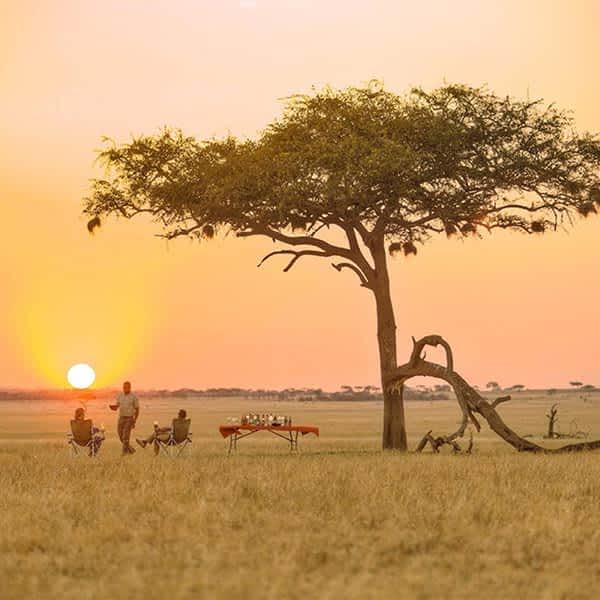
 1 / 8
1 / 8 4 daysPrivate
4-Day days of epic adventure through Tanzania’s wild heart!
by
Loading SafariFind...
1 / 8by
SafariFind app
Keep up with your inquiries and bookings, and message operators wherever you are.

Arrival and Tarangire's Elephant Kingdom
Tarangire National Park
Meals: Dinner
Serengeti: Where the Endless Plains Come Alive
Serengeti National Park
Meals: Breakfast, Lunch, Dinner
Ngorongoro Crater: Nature's Greatest Amphitheater
Ngorongoro Crater
Meals: Breakfast, Lunch, Dinner
Return to Arusha: Reflections on Four Days of Wonder
Arusha Airport
Meals: Breakfast
Year Round
Year-round
| Season | Solo traveller | 2 people | 3 – 4 people | 5 – 6 people | 7+ people | Child rate | Single suppl. |
|---|---|---|---|---|---|---|---|
Year Round Year-round | $1,050 | $700 | $630 | $595 | $560 | $490 | $210 |
Child rate applies to travelers under 12 years. Single supplement applies to solo travelers taking their own room.
Tanzania's northern circuit is exceptional for Big Five viewing—lions, leopards, elephants, buffalo, and rhinos. Tarangire is particularly renowned for its large elephant populations and diverse bird species. The Serengeti hosts massive wildebeest herds alongside zebras, gazelles, and predators. The Ngorongoro Crater functions as a natural wildlife amphitheater with concentrated populations of lions, hyenas, flamingos, and other species. Daily game drives typically yield multiple large animal encounters across these three ecosystems, making it one of Africa's most reliable circuits for comprehensive wildlife viewing.
Yes, four days is an ideal timeframe for experiencing Tanzania's northern circuit. This duration allows you to spend meaningful time in each of the three primary ecosystems—Tarangire National Park, the Serengeti, and Ngorongoro Crater—without excessive travel time between locations. The itinerary is specifically designed to maximize game viewing opportunities while minimizing transit fatigue. It's particularly well-suited for travelers seeking a substantial wildlife immersion without committing to longer expeditions, or those combining safari with other African destinations or working within limited vacation time.
Tanzania offers year-round wildlife viewing, but the dry seasons provide optimal conditions. The primary dry season runs from June through October, while a shorter dry season occurs from January through February. During these periods, wildlife congregates around water sources, making game viewing more predictable, and roads remain in excellent condition. The wet season (November–December and March–May) brings lush, verdant landscapes and fewer tourists, though some roads may be challenging. Each season offers distinct advantages, so the 'best' time depends on your priorities—whether you prioritize peak game viewing, landscape photography, or avoiding crowds.
Pack neutral-colored clothing in earth tones (khaki, tan, olive, brown) to blend with the landscape and avoid startling wildlife. Include lightweight, breathable layers for warm days and a warm jacket for cool mornings and evenings. Essential items include a wide-brimmed hat, high-SPF sunscreen, sunglasses, and insect repellent. Bring binoculars for wildlife viewing and a camera with extra batteries and memory cards. Comfortable walking shoes and closed-toe boots are important for game drives and lodge activities. Don't forget personal medications, a basic first-aid kit, and toiletries. Check with your tour operator about specific recommendations based on the season you're traveling.
Mid-range luxury safaris in Tanzania typically offer excellent value, including all park entrance fees, accommodation in comfortable lodges or tented camps, three daily meals, private 4x4 vehicle transportation, professional English-speaking guides, bottled water during game drives, and airport transfers. This positioning balances comfort with authenticity, providing quality accommodations and experienced guidance without ultra-luxury pricing. Costs vary based on accommodation level, travel season, and operator. Notable exclusions typically include international airfare, travel insurance, visa fees, tips and gratuities, optional activities, and personal expenses. Request detailed quotes from operators to understand exact pricing for your travel dates.
Most international visitors require a visa to enter Tanzania, which can be obtained on arrival or in advance depending on your nationality. Check with the Tanzanian embassy or consulate for your specific country's requirements. Regarding vaccinations, yellow fever vaccination is recommended (and sometimes required depending on where you're traveling from), and most travelers should be up-to-date on routine vaccinations. Malaria prophylaxis is typically recommended for the safari regions. Consult your healthcare provider or a travel medicine clinic at least 4-6 weeks before your trip to receive personalized health recommendations based on your medical history and the specific regions you'll visit.
Each ecosystem offers distinct characteristics. Tarangire National Park is celebrated for its exceptional elephant populations and scenic baobab-studded savanna, along with diverse birdlife and predator viewing. The Serengeti is famous for its endless plains, massive wildebeest and zebra herds, and dramatic predator-prey interactions—it's also the stage for the Great Migration. The Ngorongoro Crater is a geological wonder and natural wildlife amphitheater where animals concentrate in a contained volcanic caldera, offering exceptional viewing opportunities without extensive driving. Together, these three parks provide diverse landscapes and complementary wildlife experiences, each showcasing different aspects of Tanzania's ecological richness.
Game drives are conducted in private 4x4 vehicles with professional, English-speaking guides who possess extensive knowledge of animal behavior, ecology, and park geography. Typically, drives occur during early morning (when animals are most active) and late afternoon/early evening hours. Your guide will navigate roads and off-road routes seeking wildlife, using radio communication with other guides to locate recent sightings. Drives usually last 3-4 hours, with flexibility to extend time observing particularly interesting animals or behaviors. The private vehicle arrangement allows for personalized pacing and flexibility to focus on wildlife that interests you most, whether that's birds, big cats, or herds.
Mid-range luxury safaris typically offer comfortable lodge or tented camp accommodations that balance comfort with authentic safari atmosphere. Lodges usually feature private rooms or suites with en-suite bathrooms, while tented camps provide spacious safari tents with proper beds and bathroom facilities. Most accommodations include communal dining areas, lounges, and viewing decks for wildlife observation. Facilities vary but generally include electricity, hot water, and mosquito netting. The positioning prioritizes quality and comfort without the ultra-luxury amenities of high-end resorts, allowing you to enjoy authentic African hospitality while maintaining reasonable comfort standards after full days of game viewing.
Viewing the Great Migration depends on timing. The wildebeest migration is a year-round phenomenon, but its location changes seasonally. From June through October, massive herds concentrate in the Serengeti's northern regions as they migrate toward Kenya's Masai Mara. A four-day itinerary visiting the Serengeti during these months offers excellent chances of witnessing the migration, though sightings are never guaranteed. During other seasons (November–May), herds are dispersed across the southern Serengeti and surrounding areas. While a four-day safari may not capture dramatic river crossings that occur at specific times, you'll likely encounter substantial herds and witness the migration's scale if traveling during the dry season months.
 isale safaris company limitedkilimanjaro, Tanzania
© 2026 SafariFind. All rights reserved.
