 1 / 7
1 / 7 4 daysGroup Joining
4-Day Maasai Mara & Lake Nakuru National Park
by
Loading SafariFind...
1 / 7by
SafariFind app
Keep up with your inquiries and bookings, and message operators wherever you are.

Suits
Runs in
Price includes
Not included
Arrival in Kenya & Transfer to Maasai Mara
Meals: Lunch, Dinner
Full Day Maasai Mara Game Drives & Wildlife Exploration
Meals: Breakfast, Lunch, Dinner
Transfer to Lake Nakuru & Ornithological Safari
Meals: Breakfast, Lunch, Dinner
Lake Nakuru Morning Game Drive & Departure
Meals: Breakfast
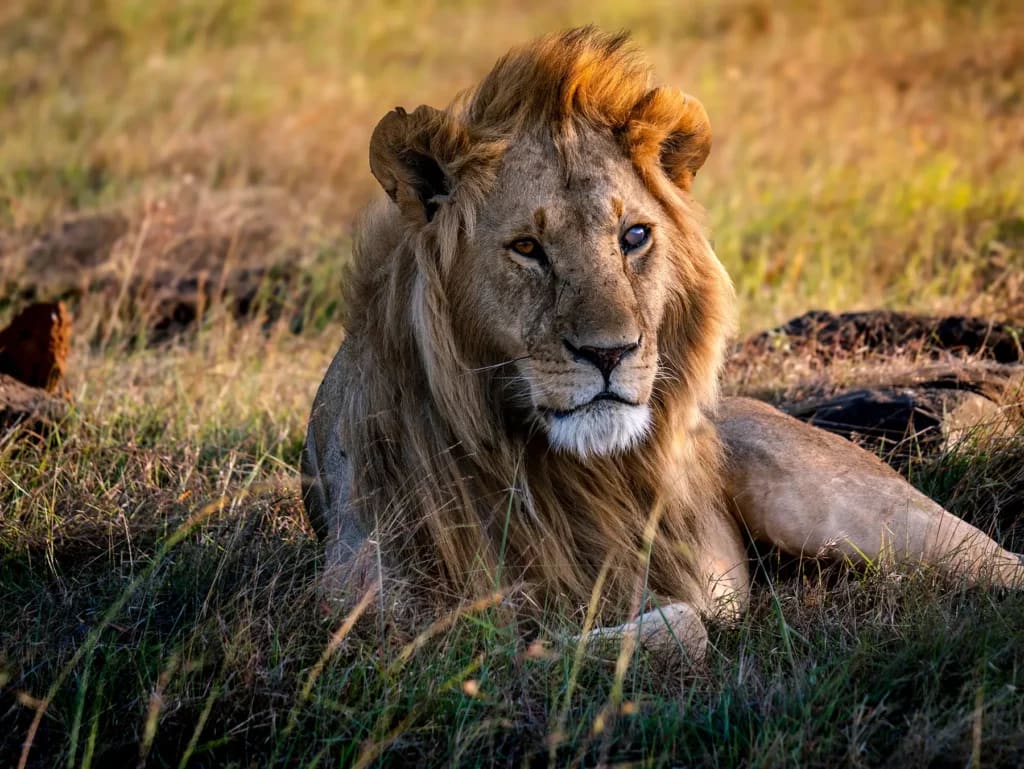
The Maasai Mara is home to an extraordinary array of wildlife. You can expect to encounter the Big Five—lions, elephants, buffalo, leopards, and rhinoceros—along with zebras, giraffes, wildebeest, and numerous antelope species including gazelles and impalas. The Mara is particularly renowned for its predator populations, offering exceptional opportunities to witness hunting behavior and the intricate dynamics between predators and prey. Early morning and late afternoon game drives maximize your chances of spotting these iconic animals during their most active hours.
Yes, four days is an effective timeframe for a meaningful safari experience, especially when focused on two concentrated ecosystems like the Maasai Mara and Lake Nakuru. This duration allows you to spend two full days engaged in game drives during prime wildlife viewing hours—early mornings and late afternoons—while accounting for travel time between destinations. Rather than spreading yourself across multiple regions, this focused approach enables deeper immersion and more rewarding wildlife encounters. Many travelers find that four days provides an excellent balance between experiencing authentic safari life and maintaining a realistic travel schedule.
Kenya offers year-round wildlife viewing, but the dry seasons provide optimal conditions. The primary dry season runs from June through October, while the secondary dry season spans January through February. During these periods, wildlife congregates around remaining water sources, making animals easier to locate and observe. The vegetation is also less dense, improving visibility for photography and wildlife spotting. The dry seasons typically feature clearer skies, which is ideal for both game viewing and photography. However, the Mara remains productive throughout the year, so travel dates can be flexible based on your schedule and preferences.
Lake Nakuru is a world-class destination for birdwatching and ornithology. The lake is famous for its massive flamingo populations—both greater and lesser flamingos—which create stunning pink displays across the water. Beyond flamingos, you'll encounter numerous other bird species including fish eagles, African fish eagles, cormorants, pelicans, herons, egrets, and various waterfowl. The alkaline lake environment supports a unique ecosystem that attracts over 450 bird species throughout the year. Whether you're an avid birder or simply appreciate wildlife, Lake Nakuru offers unforgettable avian experiences and exceptional photography opportunities.
Pack neutral-colored, lightweight clothing suitable for warm days and cool mornings—earth tones like khaki, tan, and olive green are ideal for wildlife viewing and blend well with the landscape. Bring layers including a warm fleece or jacket for early morning game drives when temperatures are cooler. Essential items include a wide-brimmed hat, high-SPF sunscreen, sunglasses, and insect repellent. Comfortable walking shoes and closed-toe boots are important for game drives and any walking excursions. Don't forget binoculars for wildlife spotting, a camera with extra batteries and memory cards, and any personal medications. Toiletries and a small first-aid kit are also recommended, though accommodations typically provide basic amenities.
Visa requirements for Kenya depend on your nationality and passport. Many countries' citizens can obtain a visa on arrival or through an e-visa system, while others may require advance application through a Kenyan embassy or consulate. It's essential to check the current visa requirements with the Kenyan government's official immigration website or your nearest Kenyan embassy well before your travel date, as regulations can change. Additionally, ensure your passport is valid for at least six months beyond your intended departure date. Your safari operator can often provide guidance on visa procedures, but confirming requirements directly with official sources is always recommended.
Before traveling to Kenya, consult with a travel health clinic or your healthcare provider at least 4-6 weeks before departure. Malaria is present in some regions, so antimalarial medication may be recommended depending on your itinerary and medical history. Yellow fever vaccination is sometimes required or recommended depending on your origin country and specific destinations. Ensure routine vaccinations are up to date, and consider vaccinations for hepatitis A and B, typhoid, and tetanus. Drink only bottled or purified water, use insect repellent to prevent mosquito-borne illnesses, and practice good food hygiene. Comprehensive travel insurance that covers medical evacuation is highly advisable for any safari trip.
Game drives are the primary method of wildlife viewing on a Kenya safari and typically follow a structured daily rhythm. Early morning game drives begin before sunrise, taking advantage of peak wildlife activity when animals are feeding and moving. These drives usually last 3-4 hours and return for breakfast. After a midday rest period to escape the heat, afternoon game drives begin in late afternoon and continue into early evening, again capturing prime wildlife viewing hours. You'll travel in a shared 4x4 tour vehicle with a professional English-speaking guide who possesses extensive knowledge of animal behavior, ecology, and locations. Guides use radio communication networks to share wildlife sightings, increasing your chances of memorable encounters. Game drives combine patience, observation, and expert navigation of the landscape.
A comprehensive safari package typically includes accommodation at selected lodges or camps, all park entrance fees for protected areas, professional English-speaking guides, daily game drives in shared 4x4 vehicles, all meals (breakfast, lunch, and dinner), and bottled water during game drives. Government taxes and VAT are usually included in the quoted price. This all-inclusive structure eliminates most hidden costs and allows you to focus entirely on the safari experience. However, items typically not included are international airfare, travel insurance, visa fees, personal expenses, and gratuities for guides and staff. Review the specific inclusions and exclusions of your package before booking to understand exactly what is covered.
The Great Migration is a seasonal phenomenon, so visibility depends entirely on when you visit. The migration typically reaches the Maasai Mara between July and October, when massive herds of wildebeest, zebras, and gazelles cross from Tanzania's Serengeti in search of fresh grazing lands. During these months, a four-day safari significantly increases your chances of witnessing this spectacular event. However, if you travel outside the peak migration season (November through June), you'll still experience excellent wildlife viewing with resident animals like lions, elephants, and buffalo, but the dramatic migration spectacle won't be present. Timing your safari during July-October maximizes the possibility of witnessing one of nature's greatest wildlife events.
 Toto Tembo SafarisNairobi, Kenya
© 2026 SafariFind. All rights reserved.