 1 / 6
1 / 6 4 daysPrivate
4-Day Marvellous Affodarble Tanzania Safari
by
Loading SafariFind...
1 / 6by
SafariFind app
Keep up with your inquiries and bookings, and message operators wherever you are.

Suits
Runs in
Price includes
Not included
Day 1
Tarangire National Park
Meals: Lunch, Dinner
Day 2
Serengeti National Park
Meals: Breakfast, Lunch, Dinner
Day 3
Ngorongoro Crater
Meals: Breakfast, Lunch, Dinner
Day 4
Ngorongoro Crater
Meals: Breakfast, Lunch
Year Round
Year-round
| Season | Solo traveller |
|---|---|
Year Round Year-round | $2,100 |
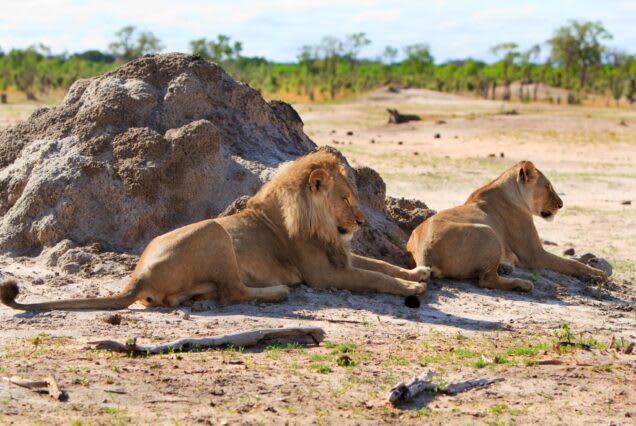
Tarangire National Park is renowned for its exceptional wildlife viewing opportunities. You can expect to see large elephant herds—some of the largest concentrations in Tanzania—along with lions, leopards, giraffes, zebras, wildebeests, buffalo, and various antelope species. The park is also famous for its ancient baobab trees, which create a distinctive landscape. Tarangire is particularly excellent for elephant sightings, especially during the dry season when animals concentrate around the Tarangire River.
Yes, seeing the Big Five is very possible on a Tanzania safari, particularly in the Ngorongoro Crater, which is one of the best places in Africa to experience all five species—lion, elephant, buffalo, leopard, and rhinoceros—in a concentrated area. The crater's unique ecosystem and enclosed environment make wildlife encounters highly probable. The Serengeti National Park also offers excellent opportunities to spot the Big Five, though sightings may require more time and patience across the vast plains.
The best time for a Tanzania safari depends on what you want to experience. The dry season (June to October) offers the best overall wildlife viewing, as animals concentrate around water sources, making them easier to spot. During this period, the Great Migration is active in the Serengeti (July to October), offering spectacular wildlife spectacles. The wet season (November to May) brings lush landscapes and fewer tourists, though some roads may be challenging. January to February is ideal for seeing newborn animals.
For a Tanzania safari, pack neutral-colored, lightweight clothing in layers—mornings and evenings can be cool, while afternoons are warm. Essential items include a wide-brimmed hat, sunglasses, high-SPF sunscreen, insect repellent, and binoculars for wildlife viewing. Bring sturdy, closed-toe hiking boots or safari shoes with good grip. Don't forget a camera with extra batteries and memory cards, a light jacket or fleece for early morning game drives, and any personal medications. Neutral colors (khaki, tan, green) are preferred over bright colors to avoid disturbing wildlife.
A 4-day safari is a solid introduction to Tanzania's major wildlife destinations, allowing you to experience multiple parks including Tarangire, the Ngorongoro Crater, and the Serengeti. This duration provides sufficient time for meaningful game drives and wildlife encounters at each location. However, if you want a more leisurely pace or extended time in the Serengeti during the Great Migration, 5-7 days would be ideal. Even 4 days offers incredible wildlife viewing and authentic African wilderness experiences.
The Ngorongoro Crater is a UNESCO World Heritage Site and one of Africa's most remarkable natural wonders. It's a massive volcanic caldera that functions as a natural wildlife sanctuary, containing a self-contained ecosystem with approximately 25,000 large animals. The crater's unique geography concentrates wildlife in a relatively compact area, making it one of the best places in Africa to see the Big Five. The stunning landscape, diverse habitats ranging from grasslands to forests, and high wildlife density make it a must-visit destination for any Tanzania safari.
A comprehensive Tanzania safari package typically includes park entrance fees for all national parks and reserves visited, professional safari guide services, accommodation as specified in your itinerary, meals as indicated, all game drives in a safari vehicle, airport transfers, and drinking water during game drives. However, international flights, visa fees, travel insurance, tips and gratuities, alcoholic beverages, and personal expenses are usually not included. Always confirm the exact inclusions with your safari operator before booking.
Visa requirements for Tanzania depend on your nationality. Most visitors require a visa, which can be obtained on arrival at the airport, through the Tanzanian embassy, or online through the e-visa system. Processing times and fees vary by country. It's essential to check the current visa requirements with the Tanzanian immigration website or your nearest Tanzanian embassy well in advance of your trip. Some nationalities may be exempt from visa requirements, so verify your specific situation before traveling.
The drive from the Ngorongoro Crater to Serengeti National Park typically takes 2-3 hours, depending on road conditions and the specific entry point. The journey itself is scenic, passing through highland areas and offering views of the surrounding landscape. Your professional safari guide will handle all driving, and you may make stops for wildlife viewing or photography along the way. The drive is generally comfortable, though some sections may be on unpaved roads, which is typical for safari routes in Tanzania.
The Great Migration is one of nature's most spectacular events, involving the movement of approximately 1.5 million wildebeest, zebras, and other herbivores across the Serengeti and Masai Mara ecosystems in search of fresh grazing lands. The migration typically occurs seasonally: wildebeest move from the southern Serengeti (December to March) northward to the Masai Mara (July to October), then return south. This cyclical journey creates dramatic wildlife encounters, river crossings, and predator-prey interactions. Timing your safari (June to October) increases chances of witnessing this remarkable natural phenomenon.
 Pumba ReisenArusha, Tanzania
© 2026 SafariFind. All rights reserved.