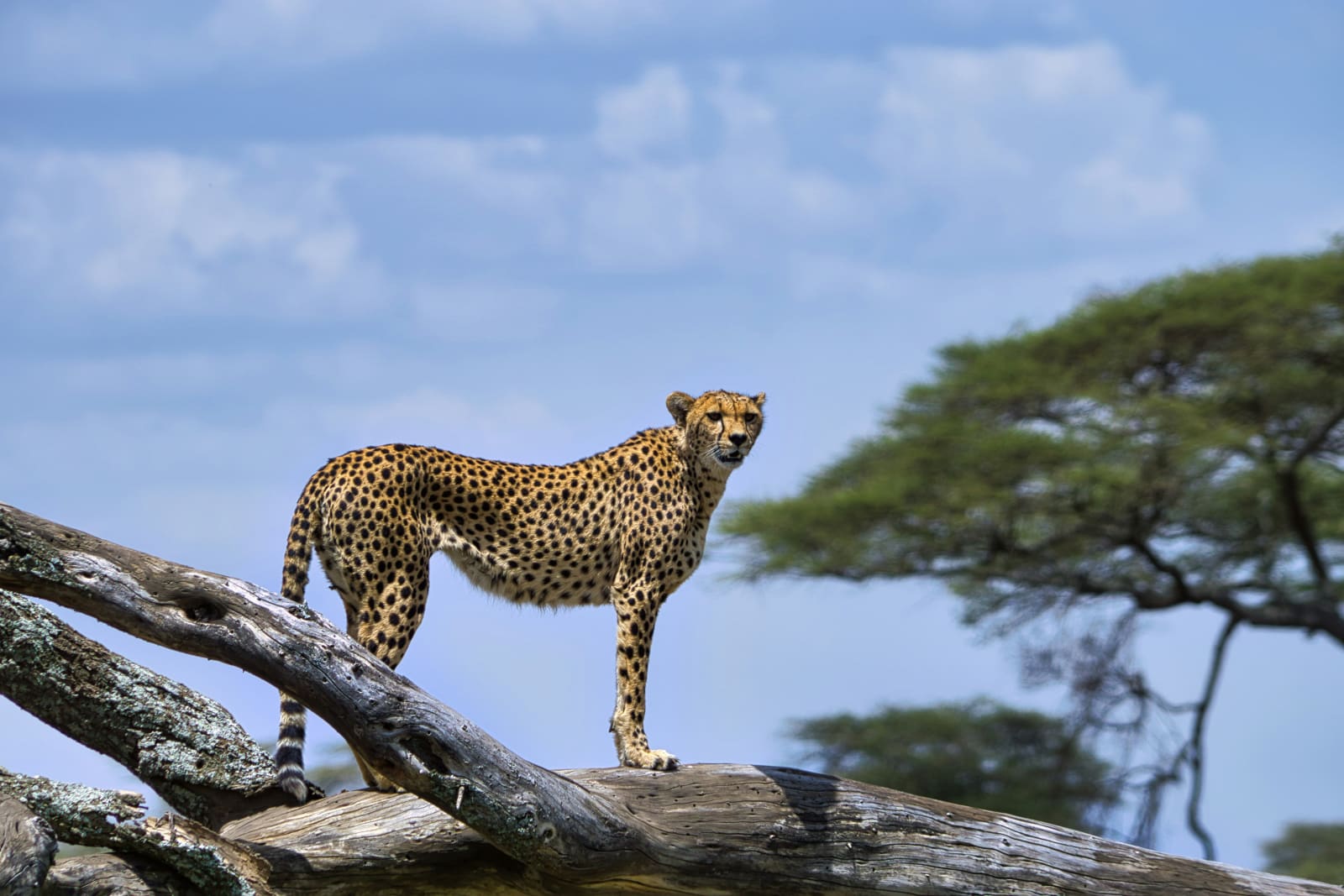
 1 / 8
1 / 8 5 daysPrivate
5-Day Tanzania Safari: Serengeti, Ngorongoro & Tarangire
byTrusted
Loading SafariFind...
1 / 8byTrusted
Pick up at Arusha & Tarangire National Park "The Land of Giants"
Tarangire National Park
Meals: Lunch, Dinner
Serengeti National Park – The Endless Plains
Serengeti National Park
Meals: Breakfast, Lunch, Dinner
Ngorongoro Crater – The Eighth Wonder of the World
Ngorongoro Crater
Meals: Breakfast, Lunch, Dinner
Mto wa Mbu – A Cultural Crossroads
Arusha City
Meals: Breakfast
Year Round
Year-round
| Season | Solo traveller | 2 people | 3 – 4 people | 5 – 6 people | 7+ people | Child rate | Single suppl. |
|---|---|---|---|---|---|---|---|
Year Round Year-round | $2,700 | $1,800 | $1,620 | $1,530 | $1,440 | $1,260 | $540 |
Child rate applies to travelers under 14 years. Single supplement applies to solo travelers taking their own room.
A safari across Serengeti and Ngorongoro offers exceptional opportunities to see Africa's most iconic wildlife. You can expect to encounter large lion prides, leopards, elephants, giraffes, zebras, wildebeest, and numerous antelope species. Serengeti is particularly renowned for its predator viewing, where you'll witness the dynamic interactions between hunters and prey across vast plains. Ngorongoro Crater, being a concentrated ecosystem, offers some of the highest wildlife densities in Africa, making animal sightings virtually guaranteed. Tarangire National Park, which precedes these destinations, is famous for its massive elephant herds—often numbering in the thousands—particularly around seasonal waterholes. Bird enthusiasts will also be delighted, as all three parks host hundreds of bird species throughout the year.
Yes, 5 days is an ideal duration for experiencing Tanzania's premier wildlife circuit. This timeframe allows you to spend meaningful time across three major parks—Tarangire, Serengeti, and Ngorongoro—rather than rushing through multiple destinations. With a 5-day itinerary, you'll have two full days dedicated to game drives in the major parks, plus strategic travel days that are structured to minimize driving while maximizing wildlife viewing windows. Most travelers find this duration strikes the perfect balance between immersion and variety, providing sufficient time for authentic safari experiences and multiple encounters with wildlife without feeling hurried or overly exhausted.
The best time to visit Serengeti and Ngorongoro depends on your wildlife priorities, though both parks offer excellent viewing year-round. The dry seasons—June through October and January through February—are generally considered optimal for game viewing. During these periods, wildlife congregates around water sources, making animals easier to locate and observe. The dry season also means clearer skies for photography and more comfortable driving conditions. However, each season offers unique advantages: the wet season (November-December and March-May) brings lush landscapes, fewer tourists, and excellent bird watching, though some roads may be challenging. The timing of the Great Migration in Serengeti varies by year but typically peaks between July and October, with dramatic river crossings attracting massive predator activity.
Pack neutral-colored, lightweight clothing in earth tones (khaki, tan, olive, brown) to blend into the landscape and avoid startling wildlife. Bring layers, as early mornings and evenings can be cool despite daytime heat. Essential items include a wide-brimmed hat, high-SPF sunscreen, sunglasses, and a good camera with extra batteries and memory cards. Comfortable, closed-toe hiking boots are crucial for walking safely on uneven terrain. Other necessities include insect repellent (especially for malaria prevention), basic medications, toiletries, and any prescription drugs you require. Consider bringing binoculars for bird watching and wildlife spotting. A light rain jacket is advisable even during dry seasons, as weather can be unpredictable. Most lodges provide bath amenities, but you may want personal preferences. Check with your operator about specific recommendations, and consult travel health advisories regarding vaccinations and malaria prophylaxis.
Tanzania safari costs vary significantly based on accommodation level, season, and operator. A mid-range luxury safari—which offers comfortable lodges, quality meals, experienced guides, and private vehicles—typically ranges from moderate to mid-premium pricing. This tier provides excellent value, delivering authentic safari experiences without the ultra-luxury price tag. Your package includes all park entrance fees, accommodation, three daily meals, private vehicle transportation, professional guiding, and bottled water, which represents substantial value. Additional costs to budget separately include international airfare, travel insurance (highly recommended), visa fees, personal expenses, and any pre-travel vaccinations. Prices may vary seasonally, with peak season (June-October) commanding higher rates than shoulder or low seasons. It's advisable to compare packages from reputable operators and factor in all inclusions when evaluating value.
Yes, a professional guide is essential for a Tanzania safari and is required by national park regulations. A knowledgeable guide dramatically enhances your safari experience by locating wildlife, providing ecological and behavioral insights, ensuring safety, and sharing cultural context about the regions you visit. Tanzania's parks are vast, and finding animals requires expertise, experience, and familiarity with animal behavior and seasonal patterns. English-speaking guides are standard on most safari packages and can communicate your observations and questions in real-time. A good guide will also help you understand the interconnected ecosystems of Tarangire, Serengeti, and Ngorongoro, explaining predator-prey dynamics, migration patterns, and conservation efforts. Your guide becomes an invaluable resource for photography tips, optimal positioning for wildlife viewing, and answering questions about what you're experiencing.
Mid-range luxury safari packages strike an excellent balance between comfort and value. Inclusions typically encompass all national park entrance fees, well-appointed lodge or camp accommodation with en-suite bathrooms and quality amenities, three nutritious meals daily (breakfast, lunch, and dinner), private 4x4 safari vehicle transportation, professional English-speaking guides, bottled water during game drives, and government taxes and VAT. This tier ensures you have reliable vehicles, experienced guides, comfortable rest facilities, and quality dining without the ultra-premium price point of luxury-tier safaris. You'll enjoy genuine comfort and service while maintaining reasonable costs. Not included are international airfare, travel insurance, visa fees, personal expenses, and travel vaccinations—items you'll need to arrange or budget separately. This structure allows you to enjoy an authentic, comfortable safari experience while controlling overall costs.
Ngorongoro Crater is geologically and ecologically unique among safari destinations. It's a massive volcanic caldera that functions as a self-contained ecosystem, often described as the Eighth Wonder of the World. What sets Ngorongoro apart is its concentrated wildlife population within a compact area—approximately 260 square kilometers—making animal sightings remarkably reliable and efficient. Unlike vast parks like Serengeti, where animals are dispersed across endless plains, Ngorongoro's crater walls naturally contain wildlife, creating one of Africa's highest wildlife densities. This makes it ideal for photographers and travelers with limited time, as you can observe diverse species in a single day. The crater's unique landscape—with its steep walls, freshwater lake, and varied habitats—differs dramatically from Serengeti's open plains or Tarangire's acacia woodlands. Combining Ngorongoro with Serengeti and Tarangire provides the most comprehensive Tanzania safari experience, offering varied ecosystems and wildlife viewing dynamics.
Serengeti and Tarangire are distinctly different ecosystems within Tanzania's wildlife circuit. Serengeti is vast—approximately 14,750 square kilometers—characterized by endless golden plains, woodland areas, and river systems. It's world-famous for the Great Migration, where millions of wildebeest and zebras move across the plains, and for exceptional predator viewing, particularly lions, leopards, and cheetahs. The sheer scale of Serengeti creates a sense of wilderness and space unmatched elsewhere. Tarangire, by contrast, is smaller and more intimate, covering about 2,850 square kilometers. It's renowned as 'The Land of Giants' for its massive elephant herds—sometimes numbering thousands—that congregate around the Tarangire River, particularly during dry seasons. Tarangire's landscape features acacia woodlands, baobab trees, and seasonal waterholes that concentrate wildlife. Both parks offer exceptional game viewing but provide different experiences: Serengeti emphasizes vast landscapes and predator dynamics, while Tarangire excels in elephant viewing and intimate woodland encounters. Together, they provide complementary safari experiences.
Tanzania safaris require certain health considerations, though specific requirements depend on your origin country and personal health status. Yellow fever vaccination is often recommended and may be required depending on where you're traveling from. Malaria prophylaxis is strongly advised, as malaria is present in most safari regions, particularly at lower elevations. Consult your travel health clinic or physician at least 4-6 weeks before departure to discuss appropriate antimalarial medications based on current resistance patterns. Routine vaccinations (MMR, tetanus, etc.) should be current. Typhoid and hepatitis A vaccinations are commonly recommended. Dengue fever is also present, so insect prevention is crucial—use high-quality insect repellent containing DEET, wear long sleeves and pants during dawn and dusk, and sleep under mosquito nets. Carry a well-stocked medical kit including any personal medications, basic first aid supplies, and stomach remedies. Travel insurance that covers medical evacuation is highly recommended. Check current health advisories from official sources like the CDC or WHO before your trip, and consult with a travel health specialist for personalized recommendations.
© 2026 SafariFind. All rights reserved.

