4 daysprivate
4-Day Tanzania Safari (Tarangire • Serengeti • Ngorongoro)
by
Day-by-day itinerary
- 1
Arusha to Tarangire National Park
Meals: Dinner
Loading SafariFind...
by
Arusha to Tarangire National Park
Meals: Dinner
Day 2
Meals: Breakfast, Lunch, Dinner
Day 3
Meals: Breakfast, Lunch, Dinner
Day 4
Meals: Breakfast
Year Round
Year-round
| Season | 2 people |
|---|---|
Year Round Year-round | $1,920 |
Tarangire National Park is famous for its exceptional elephant populations—you'll often see large herds, especially during the dry season. Beyond elephants, you can spot lions, leopards, giraffes, zebras, wildebeest, buffalo, and various antelope species. The park is also a birdwatcher's paradise with over 500 bird species. The Tarangire River acts as a magnet for wildlife, particularly during drier months, making game viewing highly rewarding. The diverse landscape of acacia woodlands, swamps, and grasslands supports this incredible variety of animals.
The best time for a Tanzania safari depends on what you want to experience. The dry season (June to October) offers the best wildlife viewing because animals congregate around water sources, making them easier to spot. During this period, the Serengeti's Great Migration is also active. The wet season (November to May) brings lush green landscapes, fewer tourists, and excellent birdwatching, though some roads may be challenging. For a balanced experience combining good wildlife viewing and scenic beauty, June to September is ideal. December to February offers warmer weather and calving season in the Serengeti, attracting predators.
Yes, 4 days is a solid timeframe for a meaningful Tanzania safari experience, especially for first-time visitors. This duration allows you to visit multiple iconic destinations like Tarangire, Serengeti, and Ngorongoro Crater, giving you diverse landscapes and excellent wildlife viewing opportunities. While longer safaris (7-10 days) allow for more in-depth exploration and greater chances of rare sightings, a 4-day itinerary covers the Northern Circuit's highlights efficiently. You'll have multiple game drives and sufficient time to experience the unique ecosystems of each park without feeling rushed.
The Ngorongoro Crater is one of Africa's most unique ecosystems and a UNESCO World Heritage Site. This massive volcanic caldera contains a self-contained wildlife habitat with an estimated 25,000 large animals, including lions, elephants, buffalo, zebras, and rhinos. The crater's enclosed environment means animals rarely leave, creating exceptional concentration and viewing opportunities. The landscape is breathtaking—a vast natural amphitheater surrounded by steep walls. The crater floor features grasslands, acacia forests, and soda lakes, supporting diverse habitats. It's the only place in Tanzania where you can see black rhinos with relative ease, making it a must-visit destination for any safari enthusiast.
Pack neutral-colored, lightweight clothing in earth tones (khaki, tan, green) to blend into the landscape and avoid disturbing wildlife. Include long-sleeved shirts and pants for sun protection and insect defense. Bring a warm layer or fleece for early morning and evening game drives, which can be cool. Essential items include a wide-brimmed hat, high-SPF sunscreen, sunglasses, and a good camera with a zoom lens. Comfortable, closed-toe hiking boots are crucial for uneven terrain. Don't forget binoculars, a headlamp or flashlight, and any personal medications. Insect repellent is important for malaria prevention. Pack minimally since luggage space in safari vehicles is limited, and consider a small daypack for game drives.
A 4-day Tanzania safari price varies based on accommodation level, season, and operator. Budget safaris range from $1,500 to $2,500 per person, mid-range options from $2,500 to $4,500, and luxury safaris from $4,500 to $8,000 or more. Most packages include accommodation, meals, park fees, and game drives with a professional guide, which represents good value. Peak season (June-October) costs more than shoulder seasons. Keep in mind that international flights, visa fees, travel insurance, tips, and optional activities like hot air balloon safaris are typically not included. Booking directly with reputable operators or through travel agents can sometimes offer better rates than booking independently.
Most international visitors require a visa to enter Tanzania. Many nationalities can obtain a visa on arrival at Julius Nyerere International Airport in Dar es Salaam or apply online through Tanzania's e-visa system before traveling. Some countries have visa exemptions or can obtain visas through their nearest Tanzanian embassy or consulate. Visa requirements vary significantly by nationality, so check the official Tanzanian immigration website or contact your nearest Tanzanian embassy for specific requirements. It's recommended to arrange your visa well in advance of your safari, though on-arrival visas are generally straightforward. Ensure your passport has at least 6 months validity remaining from your travel date.
Yellow fever vaccination is recommended (and sometimes required for entry, depending on your origin country) when visiting Tanzania. Malaria prophylaxis is strongly advised, particularly for the Northern Circuit safari areas. Consult your doctor or travel clinic at least 4-6 weeks before your trip to discuss vaccinations and preventive medications tailored to your health profile and travel plans. Common recommendations include protection against typhoid, hepatitis A and B, and routine vaccinations. Carry antimalarial medication, use insect repellent, wear long clothing during dawn and dusk, and sleep under mosquito nets. Each traveler's health needs differ, so personalized medical advice from a healthcare professional is essential before your safari.
A comprehensive Tanzania safari package typically includes accommodation at lodges or camps, all meals (breakfast, lunch, and dinner), daily game drives in a 4x4 safari vehicle with a pop-up roof for optimal wildlife viewing and photography, and all national park entry fees. Most packages feature a professional driver-guide who provides wildlife knowledge and navigation. Transportation between parks is included, along with park transfers. However, packages usually exclude international and domestic flights, visa fees, travel insurance, tips for guides and staff, and personal expenses like souvenirs. Optional activities such as hot air balloon safaris, guided walks, or cultural visits to Maasai villages may be available at an additional cost. Always clarify inclusions and exclusions with your operator before booking.
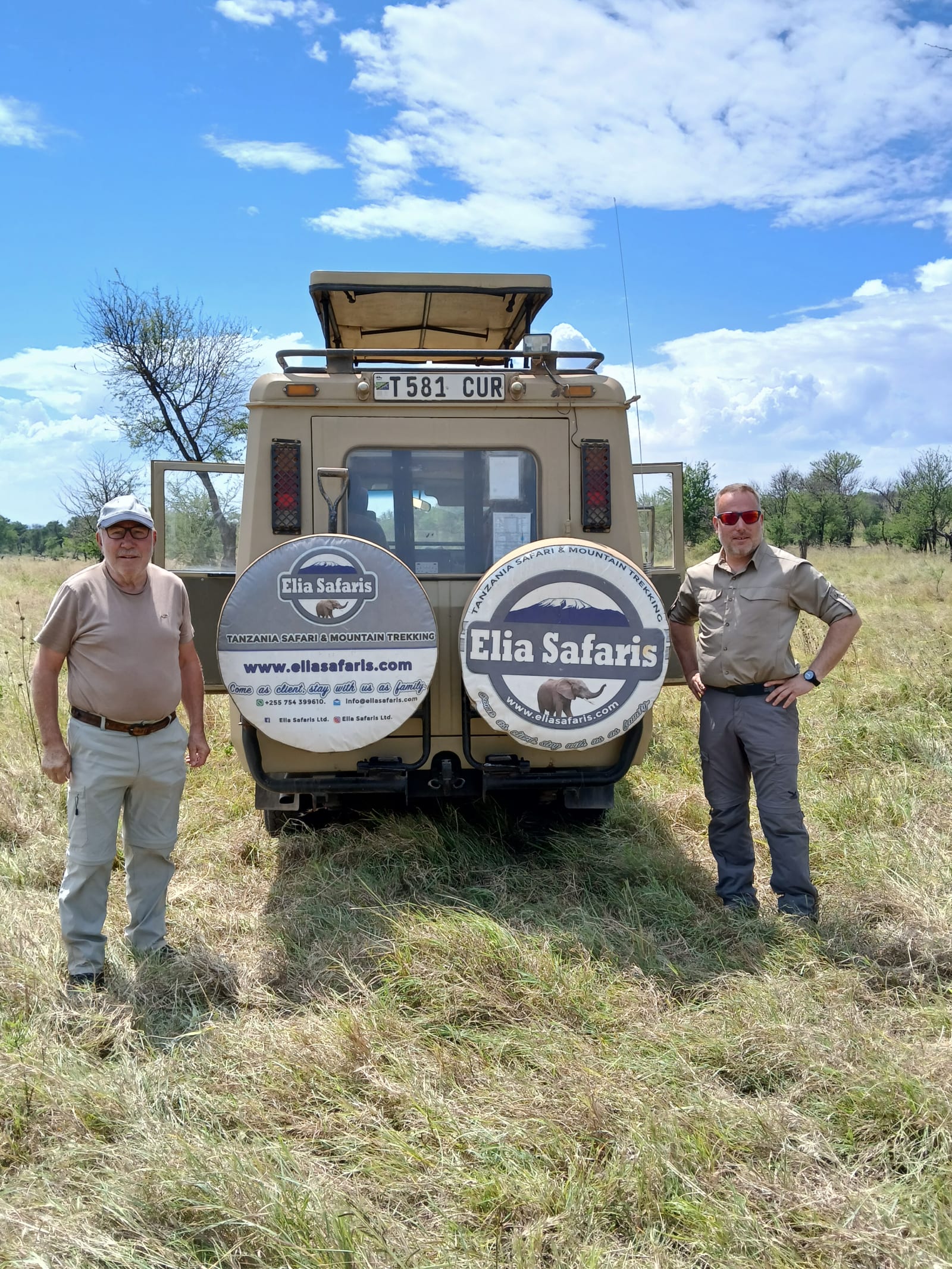
During a Tanzania safari, you travel in a 4x4 safari vehicle specifically designed for wildlife viewing. These vehicles feature pop-up roofs that allow you to stand safely and observe animals at eye level, essential for photography and an immersive experience. Your professional driver-guide operates the vehicle and navigates the park roads, which range from well-maintained tracks to rougher terrain. The vehicle accommodates 4-6 passengers, ensuring good sightlines for everyone. Game drives typically occur early morning and late afternoon/evening when animals are most active. Between parks, you may travel by vehicle on scenic routes, which often provide additional wildlife viewing opportunities. Some lodges offer walking safaris or other activities, though the 4x4 vehicle is the primary mode of exploration during this safari experience.
 Elia SafarisArusha, Tanzania5.0(8 reviews)
© 2026 SafariFind. All rights reserved.
