5 daysGroup Joining
5-Day Budget Group Joining Fun Safari
by
Highlights
- Game Drive
Loading SafariFind...
by
Nairobi – Amboseli National Park
Amboseli National Park
Meals: Lunch, Dinner
Amboseli – Lake Naivasha
Lake Naivasha
Meals: Breakfast, Lunch, Dinner
Lake Naivasha – Maasai Mara
Masai Mara National Reserve
Meals: Breakfast, Lunch, Dinner
Maasai Mara Full Day Safari
Masai Mara National Reserve
Meals: Breakfast, Lunch, Dinner
Maasai Mara – Nairobi
Nairobi
Meals: Breakfast
Year Round
Year-round
| Season | Solo traveller | 2 people | 3 – 4 people | 5 – 6 people | 7+ people | Child rate | Single suppl. |
|---|---|---|---|---|---|---|---|
Year Round Year-round | $1,058 | $705 | $635 | $599 | $564 | $493 | $212 |
Child rate applies to travelers under 12 years. Single supplement applies to solo travelers taking their own room.
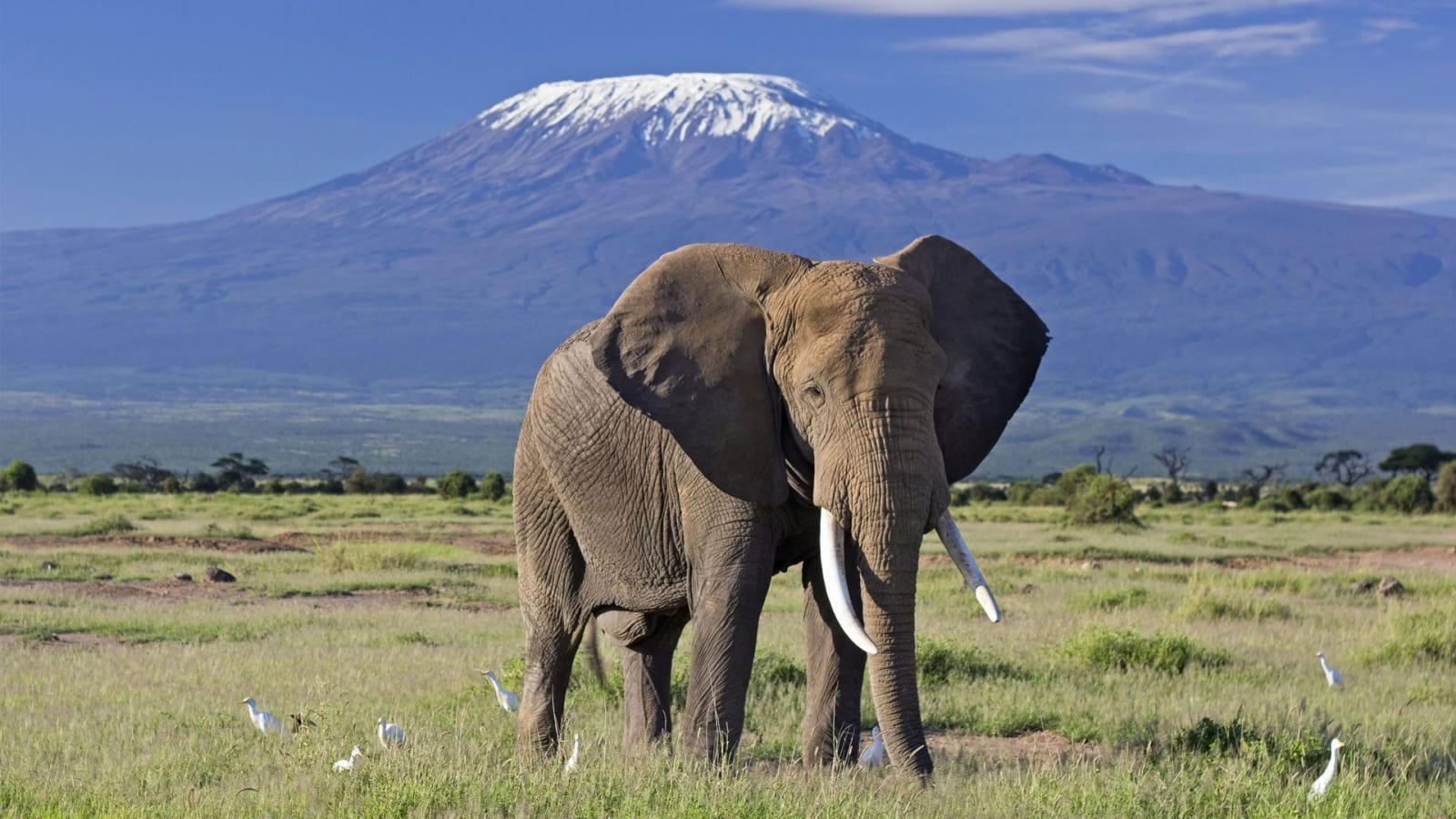
Amboseli National Park is renowned for its exceptional elephant populations, offering close encounters with large herds in their natural habitat. You'll also spot lions, buffalo, zebras, giraffes, and various antelope species. The park is a birding paradise with over 400 bird species. The stunning backdrop of Mount Kilimanjaro creates unforgettable wildlife viewing experiences, especially during early morning and late afternoon game drives when animals are most active.
Yes, the Maasai Mara National Reserve is one of Africa's premier destinations for spotting the Big Five: lions, elephants, buffalo, leopards, and rhinoceros. The vast savannah plains and diverse habitats provide excellent opportunities for encountering these iconic species. While sightings are never guaranteed in wildlife viewing, the Maasai Mara has one of the highest concentrations of Big Five in Africa, making it an ideal location for this wildlife-watching goal.
The best time for a Kenya safari depends on what you want to experience. The dry seasons (January-February and July-October) offer the best wildlife viewing as animals gather around water sources, making them easier to spot. July to October is peak season for the Great Migration in the Maasai Mara. The wet seasons (March-June and November-December) feature lush landscapes, fewer tourists, and excellent birdwatching. Each season has unique advantages, so consider your priorities when planning.
Budget group safaris in Kenya are significantly more affordable than private tours, typically ranging from $800 to $1,500 per person for a 5-day experience. Costs vary based on season, accommodation level, and inclusions. Group safaris reduce per-person expenses by sharing vehicle and guide costs. Most budget packages include park fees, meals, accommodation, and transportation, though international flights, travel insurance, and personal expenses are typically extra. Traveling during shoulder seasons often provides better rates than peak periods.
Essential safari packing includes neutral-colored clothing (khaki, tan, green) for game drives, a warm layer for early morning drives, comfortable walking shoes, and a hat for sun protection. Bring high-SPF sunscreen, insect repellent, and any personal medications. Pack binoculars and a camera with extra batteries and memory cards. Include a light rain jacket for unexpected showers. Modest clothing is respectful for cultural village visits. A small daypack, reusable water bottle, and toiletries complete your list. Check your accommodation's amenities to avoid overpacking.
Yes, cultural visits to Maasai villages are a popular optional activity during Kenya safaris, offering authentic insights into traditional pastoralist life. You can learn about Maasai customs, see traditional crafts, and interact with community members. These visits support local communities economically. Be respectful of their culture—ask permission before photographing, dress modestly, and approach interactions with genuine curiosity. Many safari operators can arrange these visits, though they're often optional and may incur additional costs beyond the base package.
A 5-day safari is an excellent duration for a meaningful Kenya experience, providing enough time to visit multiple ecosystems and have multiple game drive opportunities. This length allows for 2-3 days in the Maasai Mara, the prime wildlife viewing destination, plus time in Amboseli and Lake Naivasha. Most wildlife enthusiasts agree that 4-5 days minimum offers good wildlife viewing chances, though longer safaris (7-10 days) allow for deeper exploration and more relaxed pacing. Quality of sightings depends on season and luck, not just duration.
All-inclusive safari packages typically cover park entrance fees, professional guide services, accommodation, all meals, and transportation in a safari vehicle. Most include bottled water during game drives and government taxes. What's usually excluded are international flights, travel insurance, visa fees, alcoholic beverages, tips for guides and staff, and personal expenses like souvenirs or optional activities. Always review the specific inclusions and exclusions with your operator, as these vary. Understanding what's covered helps you budget for additional expenses.
Group safaris are excellent for solo travelers, offering both affordability and social opportunities. You'll meet other travelers from around the world, share experiences, and often make lasting friendships. Group safaris reduce costs significantly compared to private tours since expenses are shared among passengers. Solo travelers benefit from the safety and logistics of traveling with a group and professional guides. Many operators specifically market group safaris to solo adventurers, making it easy to find compatible travel companions for your Kenyan safari experience.
Lake Naivasha is a freshwater lake in Kenya's Rift Valley, famous for its scenic beauty and abundant wildlife. The lake is home to hippos, crocodiles, and over 400 bird species, making it a paradise for birdwatchers and nature photographers. Popular activities include boat rides to observe hippos and aquatic birds, walking safaris on nearby islands, and visiting Hell's Gate National Park for hiking and gorge exploration. The lake provides a relaxing contrast to intensive game driving, offering a peaceful break during your safari while still delivering excellent wildlife viewing opportunities.
 Spoton VacationsNairobi , Kenya
© 2026 SafariFind. All rights reserved.
