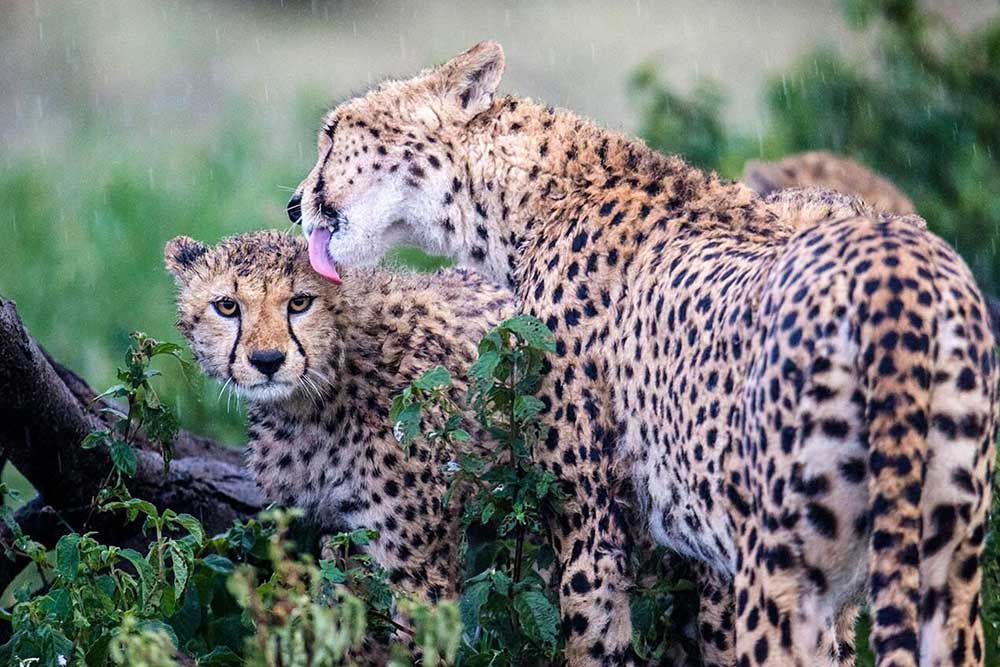
 1 / 7
1 / 7 5 daysPrivate
5-Day In The Wild Luxury Safari
by
Loading SafariFind...
1 / 7by
SafariFind app
Keep up with your inquiries and bookings, and message operators wherever you are.

Day 1
Arusha City
Meals: Lunch, Dinner
Day 2
Tarangire National Park
Meals: Breakfast, Lunch, Dinner
Day 3
Serengeti National Park
Meals: Breakfast, Lunch, Dinner
Day 4
Serengeti National Park
Meals: Breakfast, Lunch, Dinner
Day 5
Ngorongoro Crater
Meals: Breakfast, Lunch
Year Round
Year-round
| Season | Solo traveller |
|---|---|
Year Round Year-round | $2,500 |
Tarangire National Park is one of Tanzania's premier wildlife destinations, particularly renowned for its large elephant populations. The park is home to diverse wildlife including lions, leopards, giraffes, zebras, buffalo, wildebeest, and various antelope species. Tarangire is also famous for its ancient baobab trees, which create a distinctive landscape and provide essential resources for wildlife during the dry season. The park supports over 300 bird species, making it excellent for birdwatchers. The concentration of animals around the Tarangire River during dry seasons creates exceptional game viewing opportunities.
Yes, Lake Manyara National Park is famous for its tree-climbing lions, a unique behavior observed in this region. While not all lions in the park climb trees, this phenomenon has made Lake Manyara particularly renowned among safari enthusiasts. The park's lush forests and diverse ecosystem support a healthy lion population along with elephants, giraffes, zebras, and numerous other wildlife species. Beyond the lions, Lake Manyara is celebrated for its stunning natural beauty, scenic lake views, and exceptional birdlife, including flamingos and other water birds.
Yes, the Ngorongoro Crater offers exceptional opportunities to see the Big Five—lions, elephants, buffalo, leopards, and rhinoceros—all within one location. As a UNESCO World Heritage Site and one of Africa's most spectacular wildlife viewing destinations, the crater's unique enclosed ecosystem concentrates wildlife in a relatively compact area, making it one of the best places in Tanzania for viewing these iconic species. The crater's diverse habitats support a remarkable variety of wildlife, and the high concentration of animals increases your chances of memorable sightings during game drives.
Tanzania safaris are excellent year-round, but the best times depend on your priorities. The dry seasons—June to October and January to February—offer the best wildlife viewing as animals congregate around water sources, making them easier to spot. During these periods, vegetation is less dense, improving visibility during game drives. The wet seasons (March to May and November to December) bring lush landscapes, abundant birdlife, and fewer tourists, though wildlife viewing can be more challenging due to vegetation and scattered animal populations. Each season offers unique advantages, so consider your wildlife priorities and preferences when planning.
A 5-day safari is an ideal duration for experiencing Tanzania's major wildlife destinations comprehensively. This timeframe allows you to visit multiple parks—such as Tarangire, Lake Manyara, and the Ngorongoro Crater—with sufficient time for quality game drives and wildlife viewing at each location. Five days provides a good balance between experiencing diverse ecosystems and wildlife while minimizing travel fatigue. Shorter safaris (3 days) are possible but more limited in scope, while longer safaris (7-10+ days) allow for deeper exploration and increased wildlife viewing opportunities.
Pack neutral-colored, breathable clothing suitable for warm days and cool mornings and evenings—earth tones like khaki, tan, and olive green are ideal for wildlife viewing. Bring a light jacket or sweater for early morning and evening game drives. Essential items include a wide-brimmed hat, sunglasses, high-SPF sunscreen, and insect repellent. Comfortable walking shoes and closed-toe hiking boots are important for safety and terrain. Consider binoculars for wildlife viewing, a camera with extra batteries and memory cards, and any personal medications. Pack toiletries, though luxury lodges typically provide amenities. Bring a small daypack for game drives and check specific lodge recommendations for additional items.
Visa requirements for Tanzania depend on your nationality. Many countries' citizens can obtain a visa on arrival at Tanzanian airports, while others can apply for an e-visa online before traveling. Some nationalities may be exempt from visa requirements for short stays. It's essential to check the current visa requirements with the Tanzanian embassy or official government sources for your specific country well before your travel dates. Additionally, ensure your passport is valid for at least six months beyond your intended departure date. Travel insurance is also highly recommended for international safari trips.
The Ngorongoro Crater is a UNESCO World Heritage Site and one of the world's largest intact volcanic calderas, located in northern Tanzania. This natural wonder creates a unique enclosed ecosystem approximately 600 meters deep, containing diverse habitats including grasslands, forests, and freshwater lakes. The crater's self-contained environment concentrates wildlife in a relatively compact area, making it one of Africa's premier safari destinations. The high density of animals—including the Big Five—provides exceptional wildlife viewing opportunities. The crater's stunning landscapes, geological significance, and biodiversity make it an unforgettable safari experience that combines natural beauty with outstanding wildlife encounters.
A comprehensive Tanzania safari package typically includes park entrance fees to all visited national parks and reserves, professional guided game drives with experienced safari guides, airport transfers for convenient arrival and departure, accommodation at carefully selected luxury lodges and tented camps, meals as specified in your itinerary, drinking water during game drives, and emergency evacuation coverage through flying doctors services. Most packages focus on the core safari experience and accommodations. Items usually not included are international flights, visa fees, travel insurance, tips and gratuities for guides and staff, personal expenses, and alcoholic beverages—though some luxury packages may offer all-inclusive options. Always clarify inclusions and exclusions when booking.
Game drives on a Tanzania safari typically last 3 to 4 hours, though durations can vary depending on wildlife sightings and park regulations. Morning game drives usually start early (around 6-7 AM) to catch wildlife during their most active hours, while afternoon drives begin in the late afternoon (around 3-4 PM) and continue until sunset. Some safaris include full-day drives with a packed lunch, allowing extended exploration. Professional guides determine drive length based on wildlife activity, weather conditions, and animal sightings. The combination of early morning and afternoon drives maximizes your chances of encountering diverse wildlife across different times of day when animal behavior varies.
 Pumba ReisenArusha, Tanzania
© 2026 SafariFind. All rights reserved.