 1 / 5
1 / 5 5 daysshared
5-Day Witnessing The Big Five Of Africa
by
Loading SafariFind...
1 / 5by
Arusha → Tarangire National Park
Tarangire National Park
Meals: Dinner
Karatu → Serengeti National Park (Central Serengeti)
Serengeti National Park
Meals: Breakfast, Lunch, Dinner
Full Day Serengeti Safari
Serengeti National Park
Meals: Breakfast, Lunch, Dinner
Serengeti → Ngorongoro Conservation Area
Ngorongoro Crater
Meals: Breakfast, Lunch, Dinner
Ngorongoro Crater → Arusha
Arusha
Meals: Breakfast
Year Round
Year-round
| Season | 2 people |
|---|---|
Year Round Year-round | $2,950 |
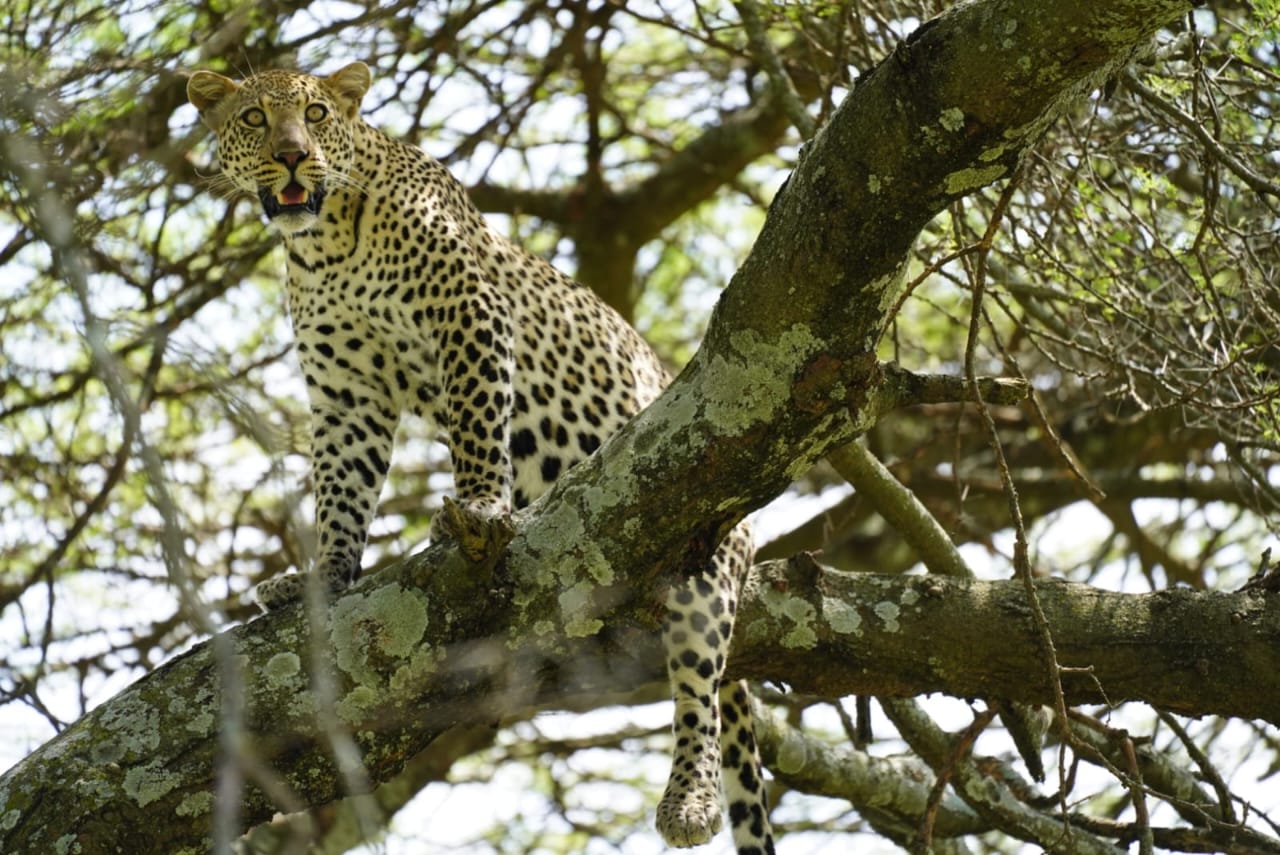
The Big Five of Africa consist of the lion, African elephant, Cape buffalo, leopard, and rhinoceros. These animals earned their name from big game hunters due to their difficulty and danger to hunt, not their size. In northern Tanzania, particularly across Tarangire National Park, the Serengeti, and the Ngorongoro Crater, you have excellent opportunities to spot all five species. The Ngorongoro Crater is especially renowned as one of the best places in Africa to see the Big Five, including the rare black rhino, thanks to its dense concentration of wildlife in a unique enclosed ecosystem. The vast open plains of the Serengeti are ideal for spotting lions, elephants, and buffalo, while the woodland areas of Tarangire offer excellent viewing of leopards and other wildlife.
Tarangire National Park is famous for its massive elephant herds and is one of the best places in Tanzania to see large concentrations of elephants, particularly during the dry season. Beyond elephants, you'll encounter lions, giraffes, zebras, buffalo, and a wide variety of bird species. The park's ancient baobab trees create a distinctive landscape that makes wildlife viewing particularly scenic. The park's name comes from the Tarangire River, which attracts animals during dry periods, making it an excellent destination for game drives and wildlife photography.
Absolutely. The Ngorongoro Crater is a UNESCO World Heritage Site and one of Africa's most remarkable natural wonders. It is the world's largest intact volcanic caldera and hosts a unique enclosed ecosystem with an exceptionally dense concentration of wildlife. A descent into the crater floor offers some of the best opportunities to see the Big Five, including the rare black rhino, in a relatively compact area. The dramatic scenery, combined with the exceptional wildlife viewing, makes the Ngorongoro Crater an unforgettable highlight of any Tanzania safari. The volcanic highlands surrounding the crater also provide stunning landscape photography opportunities.
The Serengeti offers excellent wildlife viewing year-round, but the best times depend on what you want to see. The dry season from June to October is ideal for general wildlife viewing, as animals congregate around water sources and vegetation is sparse, making them easier to spot. During this period, you'll see large herds of wildebeest and zebras alongside predators such as lions, cheetahs, leopards, and hyenas. The wet season from November to May brings lush green landscapes and is excellent for bird watching and seeing newborn animals. The famous wildebeest migration occurs throughout the year in different locations, so timing your visit around specific migration patterns can enhance your experience.
A 5-day safari is an ideal duration for experiencing Tanzania's northern circuit, including Tarangire National Park, the Serengeti, and the Ngorongoro Crater. This timeframe allows you to spend quality time in each destination with multiple game drives, increasing your chances of seeing diverse wildlife and experiencing different landscapes. Five days provides enough time to acclimatize, enjoy sunrise and sunset game drives, and explore the unique ecosystem of the Ngorongoro Crater. While shorter safaris are possible, 5 days strikes the perfect balance between experiencing a complete Big Five adventure and managing travel time from Arusha.
For a Tanzania safari, pack lightweight, neutral-colored clothing in earth tones (khaki, tan, green, brown) that blend with the landscape and don't disturb wildlife. Bring long-sleeved shirts and long pants for sun protection and to minimize insect bites. Include a warm fleece or jacket for early morning and evening game drives, which can be cool. Essential items include a wide-brimmed hat, sunglasses, high-SPF sunscreen, insect repellent, and a good camera with extra batteries and memory cards. Comfortable walking shoes and closed-toe boots are important for lodge areas and any walking activities. Binoculars enhance wildlife viewing, and a small daypack is useful for carrying water and personal items during game drives. Don't forget any prescription medications and a basic first-aid kit. Check with your tour operator for specific recommendations based on the season you're traveling.
Visa requirements for Tanzania depend on your nationality. Many countries' citizens can obtain a visa on arrival at Kilimanjaro International Airport or other entry points, while others may need to apply in advance. It's essential to check the current visa requirements with the Tanzanian embassy or consulate in your country well before your trip, as regulations can change. Most visitors will also need a passport valid for at least six months beyond their travel dates. Additionally, Tanzania requires proof of yellow fever vaccination if you're arriving from certain countries, so consult your healthcare provider about recommended vaccinations for the region, including protection against malaria.
The Serengeti and Ngorongoro Crater offer distinctly different safari experiences. The Serengeti is vast—approximately 14,750 square kilometers—with endless open plains, dramatic landscapes, and large-scale wildlife migrations. Game drives here cover greater distances, and you experience the raw, expansive beauty of the African savannah with herds of wildebeest, zebras, and predators spread across enormous territories. The Ngorongoro Crater, by contrast, is a compact, enclosed ecosystem within the world's largest intact volcanic caldera. Wildlife is densely concentrated, making it easier to spot animals in a smaller area. The crater offers a unique geological landscape and exceptional opportunities to see the Big Five, including the rare black rhino. Both destinations are essential for a complete northern Tanzania safari experience, each offering unique wildlife viewing and scenery.
The Ngorongoro Crater hosts an exceptionally dense concentration of wildlife in its enclosed ecosystem. You can expect to see elephants, lions, buffalo, zebras, wildebeest, giraffes, hyenas, jackals, and various antelope species. The crater is particularly renowned for its population of black rhinos, making it one of the best places in Africa to see this rare species. The crater floor also supports numerous bird species, including flamingos and eagles. The unique enclosed environment means animals cannot migrate out, resulting in year-round wildlife viewing with high encounter rates. The dramatic volcanic landscape combined with this exceptional wildlife concentration makes crater game drives unforgettable.
The cost of a 5-day Tanzania safari varies based on accommodation quality, season, and specific inclusions. Budget safaris generally range from $1,500 to $2,500 per person, mid-range options typically cost $2,500 to $5,000 per person, and luxury safaris can exceed $5,000 per person. Most safari packages include park entrance fees, accommodation, meals, a private 4x4 vehicle, and a professional guide, which represents significant value. Additional costs to budget separately include international airfare, travel insurance, visa fees, tips and gratuities, alcoholic beverages, and optional activities. Traveling during the shoulder season (April-May or November) can offer better rates than peak season (June-October). It's recommended to get detailed quotes from tour operators that specify exactly what is included to compare value accurately.
 Pumba ReisenArusha, Tanzania
© 2026 SafariFind. All rights reserved.
