 1 / 9
1 / 9 6 daysPrivate
6-Day 6 DAYS / 5 NIGHTS – MARA + NAIVASHA + NAKURU
by
Loading SafariFind...
1 / 9by
Arrival in Kenya & Transfer to Maasai Mara
Meals: Dinner
Full Day Game Drives in the Maasai Mara
Meals: Breakfast, Lunch, Dinner
Maasai Mara to Lake Naivasha
Meals: Breakfast, Lunch, Dinner
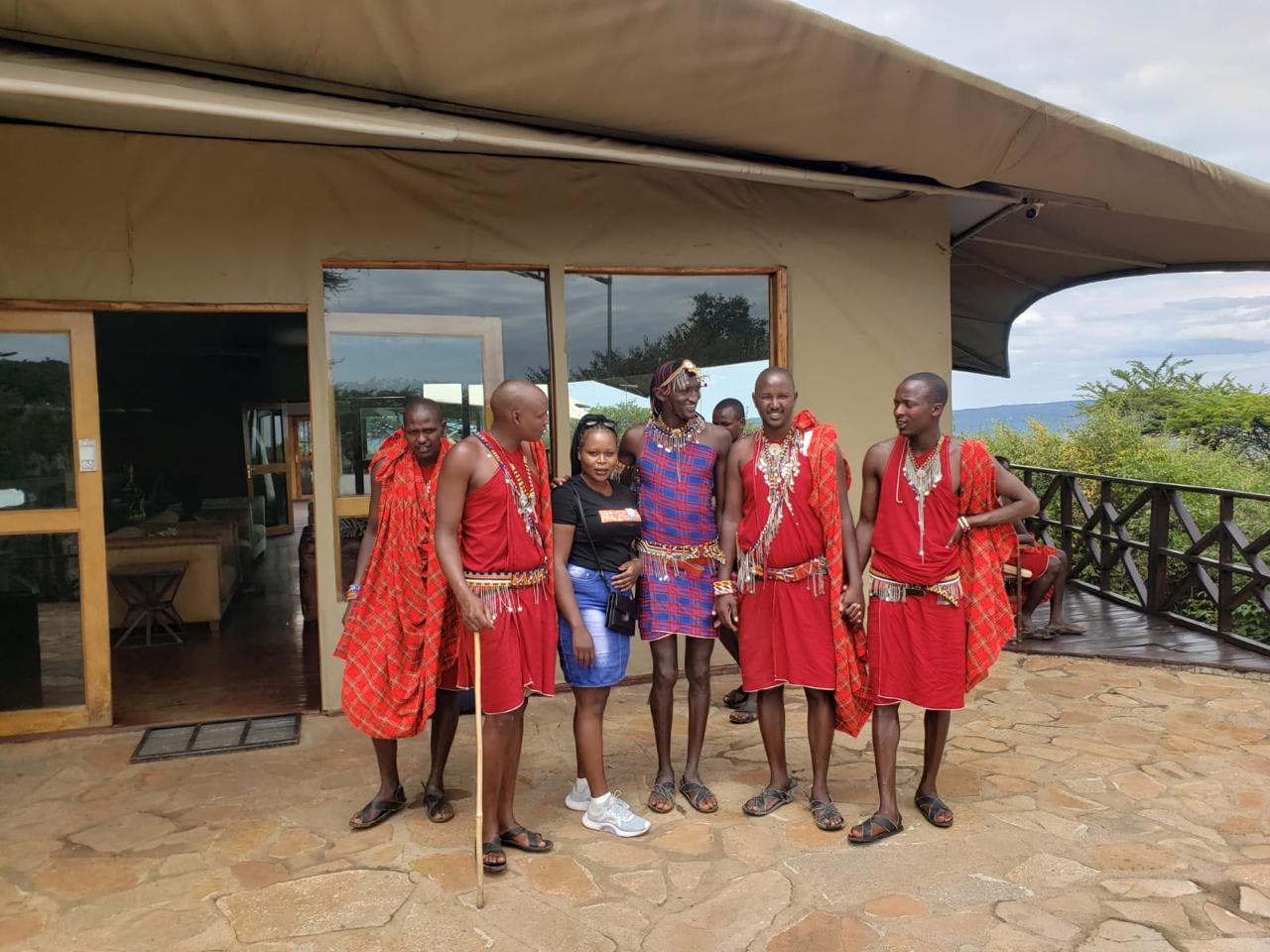
Lake Naivasha: Game Drives and Cultural Experience
Meals: Breakfast, Lunch, Dinner
Lake Naivasha to Lake Nakuru
Meals: Breakfast, Lunch, Dinner
Lake Nakuru & Departure
Meals: Breakfast
High Season
Jun 2026 – Oct 2026
Low Season
Nov 2026 – May 2027
| Season | Solo traveller | 2 people | 3 – 4 people | 5 – 6 people | 7+ people | Child rate | Single suppl. |
|---|---|---|---|---|---|---|---|
High Season Jun 2026 – Oct 2026 | $1,731 | $1,154 | $1,039 | $981 | $923 | $808 | $346 |
Low Season Nov 2026 – May 2027 | $1,471 | $981 |
Child rate applies to travelers under 12 years. Single supplement applies to solo travelers taking their own room.
The Masai Mara's peak game viewing season runs from June to October, when the Great Migration brings massive herds of wildebeest and zebras across the plains, creating dramatic predator-prey interactions. However, wildlife is present year-round in the Mara. The dry seasons (June-October and January-February) offer the best visibility as animals congregate around water sources, while the wet seasons (November-December and March-May) bring lush landscapes, fewer tourists, and excellent birdwatching opportunities. Your choice depends on whether you prioritize the migration spectacle or a more intimate, less crowded experience.
This three-destination route offers exceptional wildlife diversity. In the Masai Mara, expect to see the Big Five (lions, elephants, leopards, buffalo, and rhinos), along with giraffes, zebras, wildebeest, hyenas, and hundreds of bird species. Lake Naivasha provides intimate encounters with hippos, water buffalo, various antelope species, and prolific waterbirds in a freshwater setting. Lake Nakuru is particularly renowned for its black and white rhino populations, leopards, and thousands of flamingos that create stunning pink shorelines. The progression through these three ecosystems ensures maximum wildlife variety and ecological contrast.
Yes, a 6-day safari is ideal for experiencing Kenya's major highlights without feeling rushed. This duration allows you to spend 2-3 days in the Masai Mara for thorough game viewing, 1-2 days at Lake Naivasha for a change of pace and water-based activities, and 1-2 days at Lake Nakuru for concentrated wildlife viewing. The itinerary is specifically designed to balance travel time with meaningful wildlife encounters, making it perfect for first-time safari travelers or those with limited vacation time. Longer safaris offer more flexibility, but six days captures the essence of Kenya's diverse ecosystems effectively.
Kenya safari costs vary significantly based on accommodation level, season, and operator. Mid-range luxury safaris like this itinerary typically range from $1,500 to $3,500 per person for 6 days, depending on the lodge quality and travel season. Peak season (June-October) commands higher prices, while shoulder and low seasons offer better value. This package includes park fees, accommodation, meals, guides, and vehicle costs, but excludes international flights, travel insurance, visas, and alcoholic beverages. Budget an additional $500-1,500 for international airfare depending on your origin, plus visa fees (if applicable) and travel insurance. Booking directly with operators or during low season can provide better rates.
Pack neutral, earth-toned clothing in layers, as temperatures vary significantly between day and night and across different elevations. Essentials include long-sleeved shirts and pants for sun and insect protection, a warm fleece or jacket for early morning game drives, comfortable walking shoes, and sturdy boots for uneven terrain. Bring a wide-brimmed hat, high-SPF sunscreen, insect repellent (especially for evenings), and sunglasses. A binocular enhances wildlife viewing, and a camera with a good zoom lens is invaluable. Don't forget toiletries, any personal medications, and a small daypack. Leave behind bright colors, perfumes, and excessive jewelry. Check with your operator about specific recommendations, and consider the season—dry season requires more sun protection, while wet season benefits from a lightweight rain jacket.
Travel insurance is highly recommended for any Kenya safari, though not mandatory. Comprehensive travel insurance should cover trip cancellation, medical emergencies, evacuation (important in remote areas), lost luggage, and flight delays. Kenya has good medical facilities in major cities, but remote safari areas have limited emergency services, making evacuation coverage particularly valuable. Your insurance should also cover any pre-existing conditions if applicable. Check that your policy covers adventure activities if you plan optional excursions like hot air ballooning. Most reputable safari operators can recommend trusted insurance providers, and purchasing within 14 days of your initial trip deposit often provides better rates and coverage options.
Lake Naivasha and Lake Nakuru offer distinctly different safari experiences. Lake Naivasha is a freshwater lake with lush vegetation, hippos, water buffalo, and abundant birdlife. It's known for its tranquil, intimate atmosphere and offers both game drives and boat safaris, making it ideal for relaxation and photography. The lake is surrounded by forests and provides a striking contrast to the open savanna. Lake Nakuru, by contrast, is an alkaline lake famous for its dramatic acacia forest backdrop, large black and white rhino populations, and spectacular flamingo colonies that can number in the thousands. Nakuru is more compact and focused, offering concentrated wildlife viewing in a smaller area. While Naivasha emphasizes water-based wildlife and scenic beauty, Nakuru delivers iconic African imagery with rhinos and flamingos, making both essential components of a comprehensive Kenya safari.
Kenya safaris are generally safe when undertaken with reputable operators and following basic precautions. The major parks and lodges maintain high security standards, and professional guides are trained in wildlife safety and emergency protocols. Most safari-related incidents are rare when you follow your guide's instructions—such as remaining in vehicles during game drives and respecting wildlife distances. In terms of general travel safety, stick to established tourist routes, avoid displaying valuables, and use registered taxis or hotel transfers in cities. Check current travel advisories from your government before booking. Travel insurance with medical evacuation coverage is advisable given the remote nature of some areas. Reputable operators prioritize guest safety and have established relationships with local communities, making organized safaris a secure way to experience Kenya's wildlife.
Consult your doctor or a travel health clinic at least 4-6 weeks before your trip, as requirements vary based on your medical history and home country. Yellow fever vaccination is often recommended and required if you're traveling from certain countries. Malaria prophylaxis is typically advised for safari regions, particularly at lower elevations like Lake Naivasha and Nakuru. Routine vaccinations (MMR, tetanus, polio) should be up to date. Typhoid and hepatitis A vaccines are sometimes recommended. Practice malaria prevention by using insect repellent, wearing long sleeves during dawn and dusk, and sleeping under mosquito nets when provided. Drink bottled water (provided during game drives), and carry a basic first-aid kit. Travel insurance should include medical coverage. Your safari operator can provide specific health guidance based on current conditions, and many lodges have medical facilities or can arrange evacuation if needed.
Transportation during your safari is primarily via a private 4x4 safari vehicle, which is specifically designed for wildlife viewing with pop-up roofs for photography and binocular use. Your professional English-speaking guide drives and navigates, allowing you to focus entirely on wildlife observation and scenery. The vehicle is included in your package, along with airport transfers to and from your accommodations. At Lake Naivasha, you'll also have the opportunity for boat safaris, which provide a different perspective on wildlife and birdlife. Between destinations, transfers are arranged by your operator—typically via the same safari vehicle or a larger coach depending on distance and group size. This all-inclusive transportation approach means you don't need to arrange your own vehicle or worry about navigation, allowing you to fully immerse yourself in the safari experience while your guide shares their expertise about the landscape and wildlife.
 Creek Tours and TravelsNakuru, Kenya5.0(6 reviews)
© 2026 SafariFind. All rights reserved.

| $883 |
| $834 |
| $785 |
| $808 |
| $346 |