6 daysPrivate
6-Day 6 DAYS MARANGU ROUTE
by
Highlights
- COLOBUS
- DESERT
Loading SafariFind...
by
SafariFind app
Keep up with your inquiries and bookings, and message operators wherever you are.

Marangu Gate / Mandara Hut
Meals: Breakfast, Lunch, Dinner
Mandara Hut /Horombo Hut
Meals: Breakfast, Lunch, Dinner
Acclimatization Day at Horombo Hut
Meals: Breakfast, Lunch, Dinner
Horombo Hut / Kibo Hut
Meals: Breakfast, Lunch, Dinner
Kibo Hut / Summit / Horombo Hut
Meals: Breakfast, Lunch, Dinner
Horombo Hut / Marangu Gate
Meals: Breakfast
Year Round
Year-round
| Season | Solo traveller | 2 people | 3 – 4 people | 5 – 6 people | 7+ people | Child rate | Single suppl. |
|---|---|---|---|---|---|---|---|
Year Round Year-round | $3,263 | $2,175 | $1,958 | $1,849 | $1,740 | $1,523 | $653 |
Child rate applies to travelers under 12 years. Single supplement applies to solo travelers taking their own room.
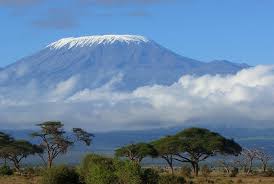
The Marangu Route, also known as the 'Coca-Cola Route,' is one of the most popular paths to Mount Kilimanjaro's summit. It's favored by climbers because it's the most established route with the best infrastructure, including mountain huts for accommodation at each camp rather than camping. The route is also relatively gradual, which many climbers find more manageable for acclimatization. The well-maintained trail and reliable facilities make it an excellent choice for first-time Kilimanjaro climbers, though the popularity does mean you'll encounter more trekkers along the way compared to less-traveled routes.
The Marangu Route typically takes 6 days to complete, which is the standard duration offered on most expeditions. This 6-day itinerary includes your ascent through different climate zones, acclimatization stops, and your final summit push to Uhuru Peak at 5,895 meters. The relatively quick timeline is possible because the Marangu Route is the shortest path up Kilimanjaro. However, some climbers opt for 7-day versions to allow for additional acclimatization time, which can improve your chances of successfully reaching the summit.
Packing for Kilimanjaro requires careful planning due to the dramatic temperature changes you'll experience. Essential items include: layered clothing (thermal base layers, fleece jackets, and a waterproof outer shell), a warm sleeping bag rated for sub-zero temperatures, sturdy hiking boots broken in before your climb, sun protection (sunscreen, hat, sunglasses), a headlamp or flashlight for early morning summit attempts, and personal toiletries. You'll also need medications for altitude sickness (consult your doctor), any personal medications, and a refillable water bottle. Since meals and bottled water are provided during the trek, you can pack lighter on food items, though many climbers bring high-energy snacks like energy bars and electrolyte tablets for the final push.
The Marangu Route has a summit success rate of approximately 65-75%, which is moderate compared to other routes. Success rates vary based on individual fitness levels, acclimatization ability, and how well climbers manage altitude sickness. The 6-day timeline, while convenient, is relatively fast and doesn't allow as much time for acclimatization as longer routes like the Lemosho or Machame routes. Your success depends significantly on your physical preparation before the climb, your ability to listen to your body, and following your guide's recommendations for pacing. Climbers who take their time, stay hydrated, and don't push too hard on the first days typically have better outcomes.
Travel insurance is highly recommended for any Kilimanjaro climb, though it's not included in standard expedition packages. Your insurance should specifically cover high-altitude trekking and mountaineering activities, as standard travel policies often exclude these. Comprehensive coverage should include emergency evacuation by helicopter (which can cost $10,000-$15,000), medical expenses, trip cancellation, and evacuation to a lower altitude if you develop severe altitude sickness. Before purchasing, verify that your policy covers climbing at altitudes above 4,500 meters and includes rescue services. This is a critical safeguard that protects you financially and ensures you can receive immediate medical help if needed.
Mount Kilimanjaro features five distinct climate zones, each with different vegetation and temperatures. You'll start in the Cultivated Zone (around 800-1,800m) with lush farmland and warm temperatures. Next is the Rainforest Zone (1,800-2,800m) with dense vegetation, frequent rainfall, and cooler temperatures. The Moorland Zone (2,800-3,800m) features sparse vegetation and alpine meadows with temperatures dropping significantly. The Alpine Desert Zone (3,800-4,500m) is extremely dry with minimal vegetation and freezing temperatures at night. Finally, the Arctic Zone (4,500m+) is the barren summit area with sub-zero temperatures and strong winds. Understanding these zones helps you prepare appropriate clothing and understand why layering is so critical for your climb.
Altitude sickness, or acute mountain sickness (AMS), is a common concern on Kilimanjaro due to the rapid elevation gain. Symptoms include headaches, nausea, dizziness, and fatigue, and can range from mild to severe. Prevention strategies include: ascending slowly to allow proper acclimatization (which is why some climbers prefer 7-day routes over 6-day routes), drinking plenty of water throughout the day, eating high-carbohydrate meals, avoiding alcohol, and getting adequate sleep. Many climbers take acetazolamide (Diamox) as a preventative medication, which should be discussed with your doctor before your trek. Your professional guide will monitor you for symptoms and can adjust your pace accordingly. Listening to your body and communicating any discomfort to your guide is essential—descending to a lower altitude is the most effective treatment for severe AMS.
During your 6-day Kilimanjaro climb, three meals daily (breakfast, lunch, and dinner) are included in your expedition package, along with bottled water throughout your trek. Meals are prepared by your support team and typically feature a mix of local and international cuisine designed to provide adequate calories and nutrition for the physical demands of climbing. Breakfast usually includes items like eggs, porridge, toast, and fruit. Lunch might include sandwiches, pasta, or rice dishes. Dinners are heartier meals with proteins, vegetables, and grains. Your guides will also provide hot tea and coffee at camp. The included bottled water helps you stay hydrated and reduces the risk of waterborne illnesses. Many climbers also bring electrolyte supplements or powdered drink mixes to add to their water for additional energy during the climb.
No, previous climbing experience is not necessary to summit Mount Kilimanjaro. The mountain is a trek rather than a technical climb, meaning it doesn't require rock climbing skills or specialized mountaineering knowledge. However, good physical fitness is essential—you should be able to hike for 5-7 hours daily at a steady pace. Training should include cardiovascular exercises like running, cycling, or stair climbing, plus strength training for your legs. The main challenge is altitude rather than technical difficulty. Having a professional, English-speaking guide makes the experience safer and more manageable for first-timers. Many people successfully summit Kilimanjaro without prior climbing experience, as long as they're reasonably fit and properly prepared for the altitude and physical demands.
A typical Kilimanjaro expedition package includes park entrance fees, mountain hut accommodation, three meals daily, a professional English-speaking guide, bottled water, airport transfers, and government taxes and VAT. However, several important costs are typically excluded and should be budgeted separately: international airfare to Tanzania, travel insurance (highly recommended), visa fees for Tanzania, travel vaccinations, alcoholic beverages, tips and gratuities for your guides and porters (customarily 10-15% of the expedition cost), and personal expenses like souvenirs or additional snacks. Additionally, you may want to budget for optional activities before or after your climb, such as visits to Arusha National Park or the Ngorongoro Crater. Understanding what's included versus excluded helps you plan your total budget accurately and avoid surprises.
 Utele SafariArusha, Tanzania
© 2026 SafariFind. All rights reserved.