6 daysPrivate
6-Day ADVENTURE SAFARI
by
At a glance
Runs in
All year
Loading SafariFind...
by
Runs in
SafariFind app
Keep up with your inquiries and bookings, and message operators wherever you are.

Price includes
Not included
ARRIVAL AT KILIMANJARO AIRPORT
Meals: Dinner
ARUSHA TO MANYARA
Meals: Breakfast, Lunch, Dinner
MANYARA TO SERENGETI
Meals: Breakfast, Lunch, Dinner
SERENGETI TO NGORONGORO CRATER
Meals: Breakfast, Lunch, Dinner
NGORONGORO TO TARANGIRE
Meals: Breakfast, Lunch, Dinner
TARANGIRE TO ARUSHA
Meals: Breakfast, Lunch
Year Round
Year-round
| Season | Solo traveller | 2 people | 3 – 4 people | 5 – 6 people | 7+ people | Child rate | Single suppl. |
|---|---|---|---|---|---|---|---|
Year Round Year-round | $7,101 | $4,734 | $4,261 | $4,024 | $3,787 | $3,314 | $1,420 |
Child rate applies to travelers under 12 years. Single supplement applies to solo travelers taking their own room.
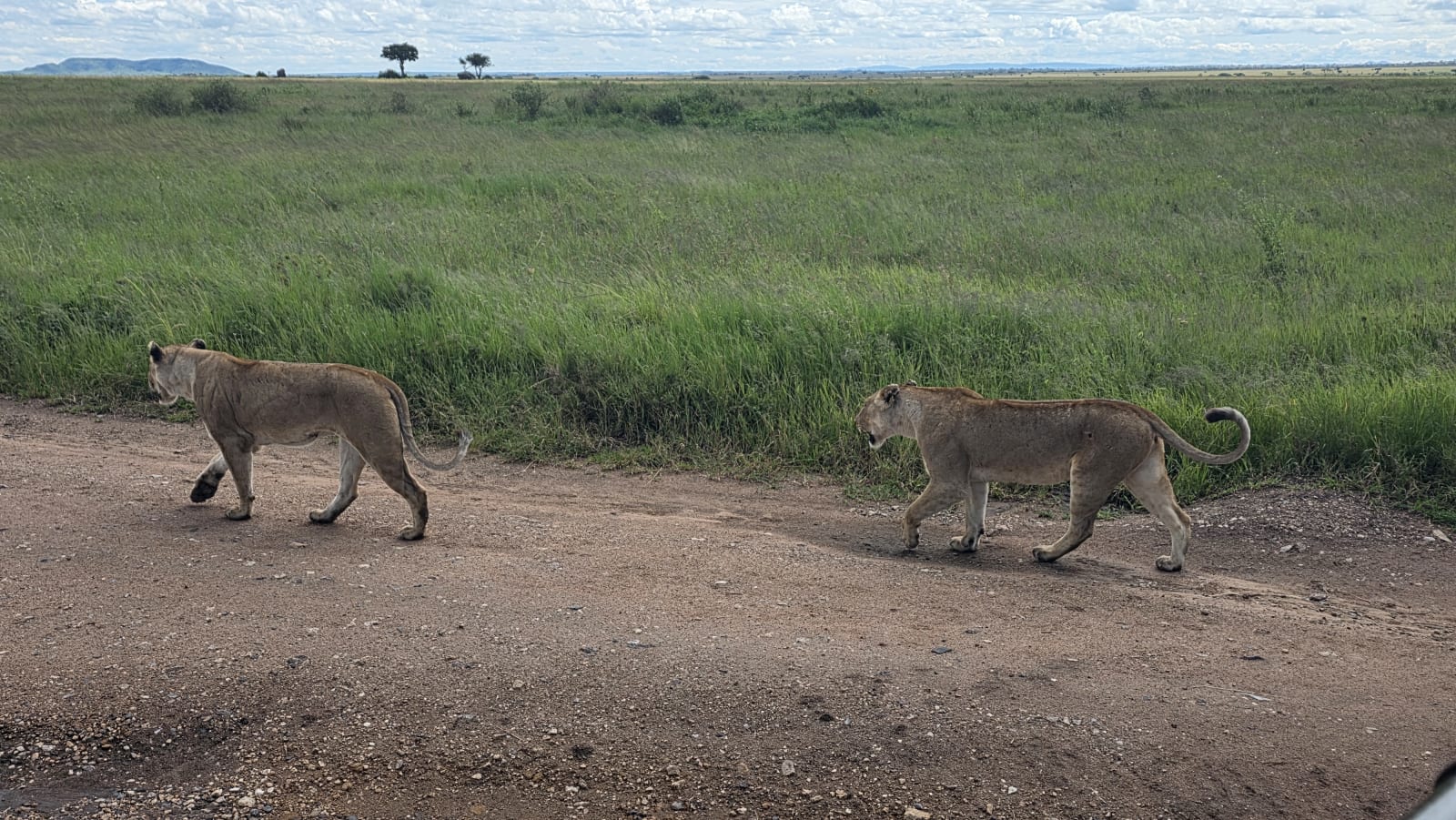
Tanzania's northern safari circuit is home to an incredible variety of wildlife. You can expect to see lions, elephants, giraffes, zebras, wildebeest, buffalo, leopards, cheetahs, hyenas, and numerous antelope species. Lake Manyara National Park is particularly known for its tree-climbing lions and large elephant populations. Serengeti National Park hosts the famous Great Migration, where millions of wildebeest and zebras move across the plains seasonally. Ngorongoro Crater is one of the world's most concentrated wildlife viewing areas, while Tarangire National Park is renowned for its large elephant herds. Bird enthusiasts will also find over 500 bird species throughout these parks.
The best time to visit Tanzania depends on what you want to experience. The dry season from June to October is ideal for general wildlife viewing, as animals congregate around water sources, making them easier to spot. During July and August, the Great Migration in Serengeti reaches its peak as massive herds cross from the Serengeti into Kenya's Masai Mara. The dry season also offers the most comfortable weather for game drives. The wet season from November to May brings lush green landscapes, excellent bird watching, and fewer tourists, though some roads can be challenging. December to February is also a good time, with calving season bringing young animals to the plains.
The Ngorongoro Crater is a UNESCO World Heritage Site and one of the world's largest intact volcanic calderas, located in northern Tanzania. It spans approximately 19 kilometers across and descends 600 meters to the crater floor. What makes it extraordinary for safari is its remarkable concentration of wildlife—you can see lions, elephants, buffalo, zebras, wildebeest, hippos, and flamingos all within this enclosed ecosystem. The crater supports one of the highest densities of large predators in Africa. The unique geography creates a natural amphitheater where wildlife is concentrated, offering exceptional viewing opportunities. The crater floor features a soda lake, grasslands, and acacia forests, each supporting different animal populations. It's often called the 'Eighth Wonder of the World' for its geological and ecological significance.
A 6-day safari is an excellent duration for experiencing Tanzania's northern circuit comprehensively. This timeframe allows you to visit multiple parks—typically Lake Manyara, Serengeti, Ngorongoro Crater, and Tarangire—while maintaining a comfortable pace without excessive driving. With 6 days, you get at least one full day in each major park, which is sufficient for meaningful wildlife encounters and photography opportunities. Shorter safaris of 3-4 days can work but offer limited park coverage. Longer safaris of 8-10 days allow for deeper exploration and increased chances of witnessing rare animal behaviors. The 6-day duration balances comprehensive park coverage with reasonable travel logistics and cost considerations.
For a Tanzania safari, pack lightweight, neutral-colored clothing in khaki, tan, olive, and green tones to blend with the landscape and minimize insect attraction. Bring long-sleeved shirts and long pants for sun and insect protection, especially for early morning and evening game drives. Include a warm layer or fleece for chilly early mornings and evenings, particularly at higher elevations. Sun protection is essential—pack high-SPF sunscreen, a wide-brimmed hat, and quality sunglasses. Comfortable, broken-in walking shoes and closed-toe hiking boots are crucial for uneven terrain. Bring binoculars for wildlife viewing, a camera with extra batteries and memory cards, and a small daypack. Don't forget toiletries, any personal medications, and a basic first-aid kit. Insect repellent containing DEET is recommended. A lightweight rain jacket is useful during shoulder seasons. Check current health requirements and consult your doctor about recommended vaccinations before traveling.
Yes, a private 4x4 vehicle is essential for a Tanzania safari and is the standard mode of transportation. These vehicles are specifically designed for off-road safari conditions and provide several advantages: they offer elevated seating for optimal wildlife viewing and photography, can access remote areas where animals are found, and navigate unpaved park roads safely. The 4x4 capability is crucial during wet seasons when roads become challenging. Private vehicles allow flexibility in your game drive schedule, route selection, and pace—you can stop longer at wildlife sightings or take detours as opportunities arise. A professional guide accompanies the vehicle, providing expertise in locating wildlife and sharing knowledge about ecosystems and animal behavior. Shared vehicle safaris are cheaper alternatives but offer less flexibility and comfort. For the best safari experience, a private 4x4 with a knowledgeable guide is highly recommended.
Visa requirements for Tanzania depend on your nationality. Many countries' citizens can obtain a visa on arrival at Kilimanjaro International Airport or other entry points, while others must apply in advance at a Tanzanian embassy or consulate. Most visitors receive a tourist visa valid for 90 days. It's essential to check the current visa requirements for your specific country well before your trip, as policies can change. You'll need a passport valid for at least 6 months beyond your travel dates. Some nationalities qualify for visa-free entry or e-visa options. Contact the Tanzanian embassy in your country or check the official Tanzania immigration website for the most current information. Ensure all visa matters are resolved before booking your safari to avoid travel complications.
Vaccination requirements and recommendations for Tanzania vary by individual health history and the regions you'll visit. Yellow fever vaccination is often recommended or required, depending on your country of origin and onward travel plans. Malaria prophylaxis is strongly recommended for all areas of Tanzania, including the northern safari circuit. Consult with a travel medicine specialist or your doctor at least 4-6 weeks before your trip to discuss your specific health needs. They may recommend vaccinations for diseases such as typhoid, hepatitis A and B, and polio, depending on your vaccination history and risk factors. Altitude considerations are minimal for the northern circuit, though Kilimanjaro climbers should acclimatize properly. Your healthcare provider can give personalized advice based on current disease prevalence, your itinerary, and your medical history. Ensure all routine vaccinations are current before traveling.
A comprehensive Tanzania safari typically includes all meals—breakfast, lunch, and dinner—prepared to cater to various dietary preferences and restrictions. Meals feature a mix of local Tanzanian cuisine and international dishes. Breakfast is usually served at your lodge before early morning game drives. Packed lunches are provided during full-day game drives, often enjoyed at scenic spots in the parks. Dinners are served at your accommodation and offer time to relax and share safari experiences with other guests. Accommodations range from comfortable mid-range lodges to luxury safari camps, depending on your package. Most lodges feature en-suite bathrooms, comfortable beds, and common areas where you can socialize. Many offer stunning views of the surrounding landscapes. Accommodations are strategically located near major parks to minimize travel time and maximize game viewing. All lodging is arranged according to your itinerary, with room assignments typically confirmed upon arrival. Inform your operator of any dietary restrictions or preferences in advance.
A 6-day Tanzania safari cost varies significantly based on accommodation quality, season, and included services. Budget safaris typically range from $1,500 to $2,500 per person, mid-range options from $2,500 to $4,500, and luxury safaris from $4,500 to $8,000 or more. Most package prices include park fees, accommodation, meals, a private 4x4 vehicle, and a professional guide, making them relatively comprehensive. Peak season (June-October) is generally more expensive than shoulder seasons. Costs typically exclude international airfare, visa fees, travel insurance, alcoholic beverages, tips, and optional activities. Airport transfers are often included, as are bottled water and government taxes. When comparing prices, ensure you understand what's included to make accurate comparisons. Book with reputable operators and consider purchasing travel insurance. Early booking often yields better rates, and traveling during shoulder seasons can provide cost savings without significantly compromising wildlife viewing opportunities.
 Utele SafariArusha, Tanzania
© 2026 SafariFind. All rights reserved.