 1 / 6
1 / 6 7 daysPrivate
7-Day Great Migration Safari
byTrusted
Loading SafariFind...
1 / 6byTrusted
SafariFind app
Keep up with your inquiries and bookings, and message operators wherever you are.

Day 1: Arrival in Arusha – Welcome to Tanzania
Arusha City
Meals: Dinner
Day 2: Arusha – Tarangire National Park
Tarangire National Park
Meals: Breakfast, Lunch, Dinner
Day 3: Karatu – Serengeti National Park
Serengeti National Park
Meals: Breakfast, Lunch, Dinner
Day 4: Central Serengeti – Northern Serengeti (Mara River Region)
Serengeti National Park
Meals: Breakfast, Lunch, Dinner
Day 5: Full Day in Northern Serengeti
Serengeti National Park
Meals: Breakfast, Lunch, Dinner
Day 6: Northern Serengeti – Karatu (via Central Serengeti & Ngorongoro Highlands)
Ngorongoro
Meals: Breakfast, Lunch, Dinner
Day 7: Ngorongoro Crater – Return to Arusha / Departure
Ngorongoro Crater
Meals: Breakfast
Year Round
Year-round
| Season | Solo traveller | 2 people | 3 – 4 people | 5 – 6 people | 7+ people | Child rate |
|---|---|---|---|---|---|---|
Year Round Year-round | $4,995 | $4,995 | $4,995 | $4,496 | $4,995 | $3,996 |
Child rate applies to travelers under 12 years.
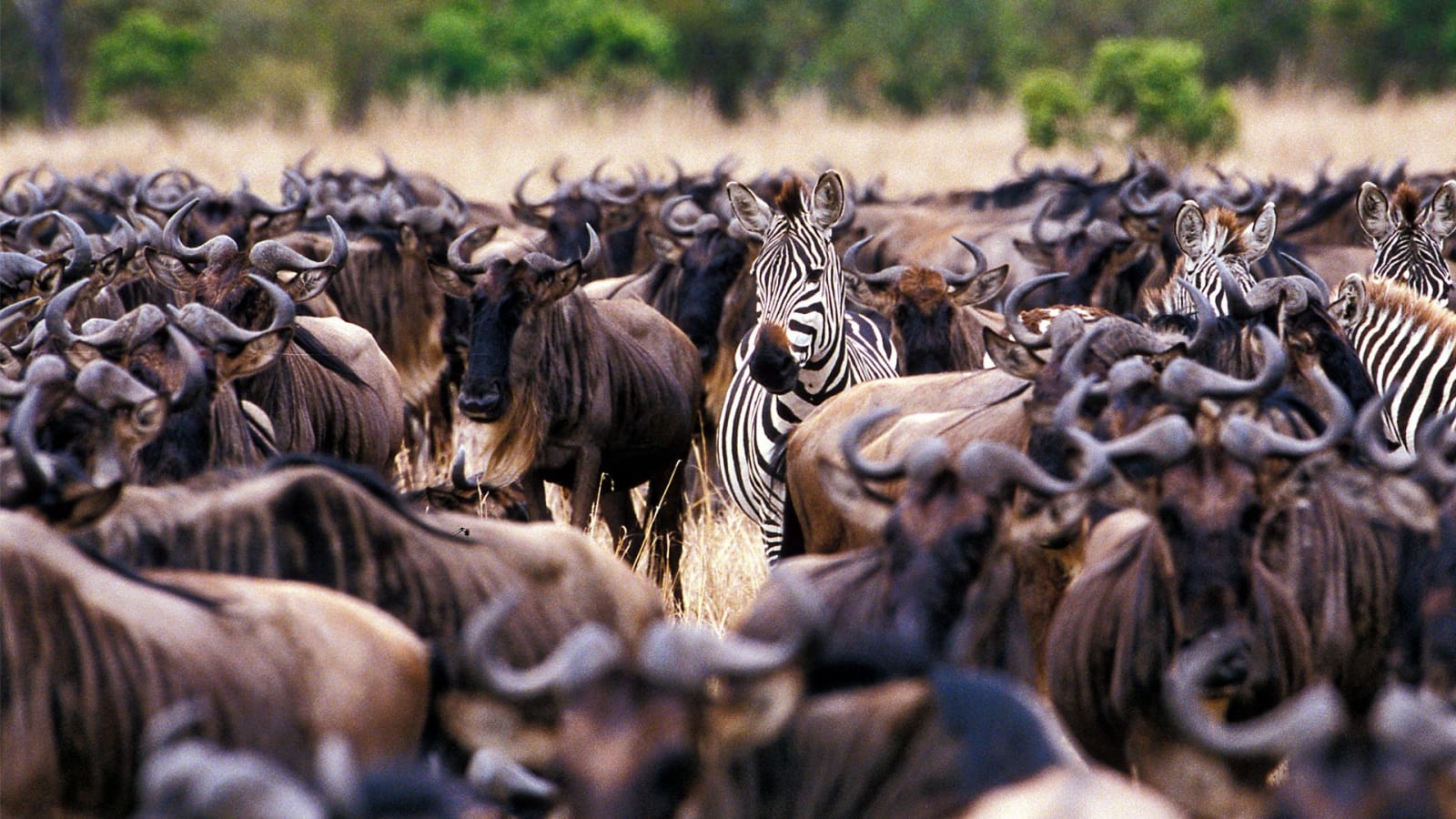
The Great Wildebeest Migration is one of the most spectacular wildlife events on Earth. During this natural phenomenon, you can witness massive herds of wildebeest, zebras, and gazelles moving across the Serengeti and Northern Tanzania in search of fresh grazing lands. Beyond the migration itself, you'll encounter lions, leopards, cheetahs, elephants, buffalo, giraffes, hyenas, and numerous bird species. The migration is particularly dramatic during river crossings, where predators gather to hunt, creating intense and unforgettable wildlife moments. The sheer scale of the herds—often numbering in the millions—is truly awe-inspiring.
The timing of the Great Migration varies throughout the year as the herds follow seasonal rainfall patterns. Generally, the migration is visible in Northern Tanzania (Serengeti and surrounding areas) from June through October, with the most dramatic river crossings typically occurring in July and August. However, the exact timing can shift depending on rainfall and grass availability. December to March sees the herds in the Southern Serengeti during the calving season. For the most reliable viewing of river crossings and large concentrations of wildlife, July through September is considered peak season, though this also means more visitors and higher prices.
For a week-long safari in Tanzania, pack lightweight, neutral-colored clothing in layers, as temperatures can vary significantly between dawn game drives and midday heat. Essential items include a wide-brimmed hat, high-SPF sunscreen, sunglasses, binoculars, and a good camera with extra batteries and memory cards. Bring comfortable walking shoes and closed-toe boots for game drives and lodge activities. Don't forget a light jacket or sweater for early morning and evening temperatures. Pack any personal medications, insect repellent, and toiletries—while accommodations typically provide basics, having your preferred products is helpful. Neutral-colored clothing helps you blend into the landscape for better wildlife photography and viewing. A reusable water bottle is useful, though bottled water is provided during game drives.
A 7-day safari is an excellent duration for experiencing the Great Migration and other major attractions in Northern Tanzania. This timeframe allows you to visit multiple ecosystems—including Tarangire National Park, the Serengeti, and Ngorongoro Crater—while spending sufficient time on game drives to maximize wildlife encounters. With 7 days, you'll have multiple opportunities for early morning and afternoon game drives, increasing your chances of witnessing dramatic migration moments and diverse wildlife. Shorter safaris of 3-4 days can work but offer less flexibility if weather delays game drives or if you want to spend more time in prime viewing areas. Seven days strikes a good balance between immersion in the experience and practical travel considerations.
A comprehensive Tanzania safari package typically includes all national park entrance fees, accommodations throughout your stay, three meals daily (breakfast, lunch, and dinner), transportation in a private 4x4 safari vehicle, and services of a professional English-speaking guide. Most packages also provide bottled water during game drives, airport transfers, and government taxes and VAT. However, items usually not included are international flights, travel insurance, visa fees, alcoholic beverages, tips and gratuities for guides and staff, and personal expenses. Some optional activities may have additional costs. It's important to clarify with your safari operator exactly what's covered so you can budget for excluded items like travel insurance and gratuities, which are customary in Tanzania.
Visa requirements for Tanzania depend on your nationality. Many countries' citizens can obtain a visa on arrival at Tanzanian airports or apply for an e-visa online before travel. However, requirements vary significantly by country, so it's essential to check with the Tanzanian embassy or consulate in your country well in advance of your trip. Some nationalities may be exempt from visa requirements for short stays. Your safari operator can provide guidance, but you should verify current requirements through official government sources. It's wise to begin this process at least 4-6 weeks before your departure date to ensure there are no delays. Keep in mind that visa fees are typically not included in safari package prices.
Tanzania is generally considered a safe destination for safari tourism, with well-established tourism infrastructure and experienced operators. The national parks and game reserves are professionally managed with trained guides who prioritize visitor safety. However, like any international travel, it's wise to take standard precautions: stay aware of your surroundings, follow your guide's instructions carefully, and avoid traveling alone in unfamiliar areas outside of organized activities. Most safari operators have excellent safety records and protocols. It's recommended to check current travel advisories from your government before booking and to purchase comprehensive travel insurance that covers medical evacuation if needed. Staying with reputable, established safari companies significantly enhances your safety and overall experience.
Vaccination recommendations for Tanzania depend on your medical history and the areas you'll visit. Yellow fever vaccination is often recommended and may be required depending on your country of origin and previous travel. Malaria prophylaxis is typically advised for most regions of Tanzania, including safari areas. Other vaccinations commonly recommended include those for hepatitis A and B, typhoid, and routine immunizations. Since malaria-carrying mosquitoes are active year-round in Tanzania, antimalarial medication is usually suggested for all visitors. It's crucial to consult with a travel medicine clinic or your healthcare provider 4-6 weeks before your trip to receive personalized recommendations based on your health status, itinerary, and any allergies. They can also provide prescriptions for malaria prevention and advise on insect repellent use.
The cost of a 7-day Tanzania safari varies widely depending on accommodation quality, season, and the specific parks visited. Budget safaris might range from $2,000 to $4,000 per person, mid-range options typically fall between $4,000 and $8,000, while luxury safaris can exceed $10,000 per person. Peak season (June-October) generally commands higher prices than shoulder or low seasons. Most package prices include accommodations, meals, park fees, transportation, and a professional guide, but exclude international flights, travel insurance, visa fees, and gratuities. The Great Migration's popularity means that safaris during peak viewing months (July-August) tend to be at the higher end of the price spectrum. To get an accurate quote, it's best to contact safari operators directly with your specific dates and accommodation preferences.
The Ngorongoro Crater is a UNESCO World Heritage Site and one of Africa's most remarkable natural wonders. Formed millions of years ago by a volcanic collapse, it's the world's largest intact volcanic caldera, featuring a crater rim at approximately 2,286 meters elevation with a floor covering about 260 square kilometers. The crater creates a self-contained ecosystem that supports an extraordinary concentration of wildlife, including lions, elephants, buffalo, zebras, hyenas, and flamingos, all thriving within its natural boundaries. The steep crater walls provide stunning panoramic views, and the unique landscape offers exceptional photography opportunities. A safari that includes Ngorongoro Crater provides incredible wildlife viewing in a compact area and showcases the geological diversity of Northern Tanzania beyond the vast plains of the Serengeti. The combination of dramatic scenery and abundant wildlife makes it an essential stop for any comprehensive Tanzanian safari experience.
© 2026 SafariFind. All rights reserved.