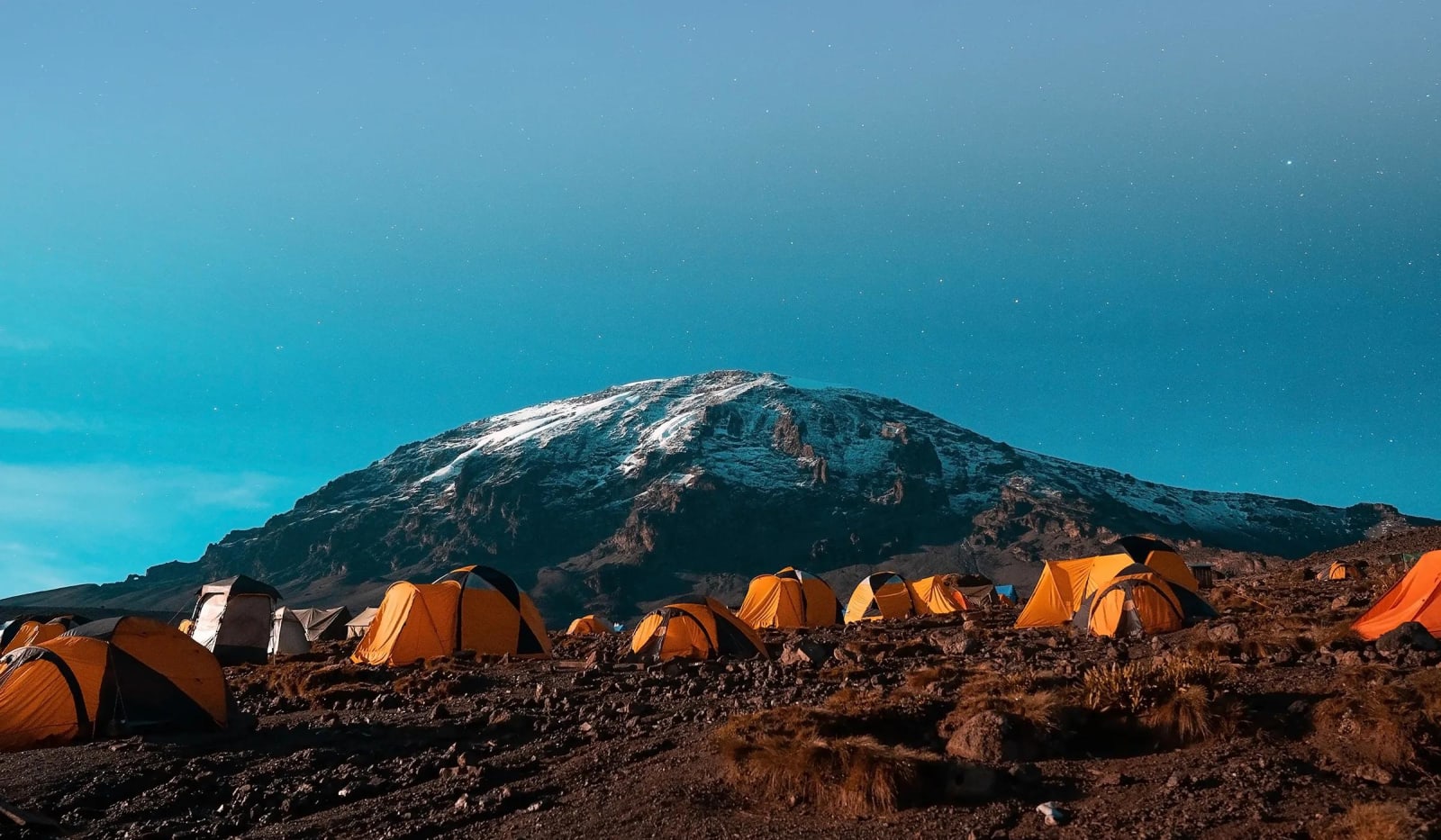
 1 / 9
1 / 9 8 daysPrivate
8-Day Lemosho Route Kilimanjaro Trek
by
Loading SafariFind...
1 / 9by
SafariFind app
Keep up with your inquiries and bookings, and message operators wherever you are.

Arrival in Moshi City & Trek Briefing
Kilimanjaro National Park
Meals: Dinner
Moshi City to Mti Mkubwa Camp – Enter the Rainforest
Kilimanjaro National Park
Meals: Breakfast, Lunch, Dinner
Mti Mkubwa Camp to Shira Camp One – Transition to Alpine Moorland
Kilimanjaro National Park
Meals: Breakfast, Lunch, Dinner
Shira Camp One to Shira Camp Two – Plateau Exploration & Acclimatization
Kilimanjaro National Park
Meals: Breakfast, Lunch, Dinner
Shira Camp Two to Barranco Hut Camp – Crossing the High Desert
Kilimanjaro National Park
Meals: Breakfast, Lunch, Dinner
Barranco Hut Camp to Karanga Camp – Ascending the Barranco Wall
Kilimanjaro National Park
Meals: Breakfast, Lunch, Dinner
Karanga Camp to Barafu Camp – Final Acclimatization Before Summit
Kilimanjaro National Park
Meals: Breakfast, Lunch, Dinner
Barafu Camp to Uhuru Peak to Mweka Camp & Moshi City
Moshi City
Meals: Breakfast
High Season
Jun 2026 – Oct 2026
Low Season
Nov 2026 – May 2027
| Season | Solo traveller | 2 people | 3 – 4 people | 5 – 6 people | 7+ people | Child rate | Single suppl. |
|---|---|---|---|---|---|---|---|
High Season Jun 2026 – Oct 2026 | $2,775 | $1,850 | $1,665 | $1,573 | $1,480 | $1,295 | $555 |
Low Season Nov 2026 – May 2027 | $2,498 | $1,665 |
Child rate applies to travelers under 12 years. Single supplement applies to solo travelers taking their own room.
The Lemosho Route is the longest and most scenic pathway to Mount Kilimanjaro's summit, approaching from the western side of the mountain. It's considered the gold standard for serious trekkers because it offers superior acclimatization over 8 days, exposure to all of Kilimanjaro's ecological zones—from rainforests to alpine moorlands to the high-altitude desert—and significantly higher summit success rates (typically 85-95%) compared to shorter routes. The gradual, western approach allows your body to adjust properly to altitude while minimizing the risk of altitude sickness, making it ideal for trekkers who want both adventure and a strong probability of reaching Uhuru Peak.
No mountaineering experience is required to climb Mount Kilimanjaro. Unlike technical mountain climbs, Kilimanjaro is a high-altitude trek that depends on fitness, determination, and proper acclimatization rather than specialized climbing skills. The 8-day Lemosho Route is specifically designed to give your body ample time to adjust to the altitude gradually, which is far more important than technical ability. As long as you're in reasonable physical condition and mentally prepared for the challenge, you can successfully summit Africa's highest peak.
A Mount Kilimanjaro trek takes you through five distinct ecological zones, each with unique vegetation and wildlife. You'll start in the rainforest zone with lush vegetation and forest wildlife, then move into the moorland zone characterized by giant groundsels and alpine plants. As you ascend, you'll reach the high-altitude desert zone with sparse vegetation, and finally the glaciated summit zone near Uhuru Peak. While large wildlife is less common at higher altitudes, the rainforest sections may offer sightings of monkeys, birds, and other forest animals. The primary 'wildlife' experience on Kilimanjaro is the dramatic transformation of landscapes as you climb through these distinct zones.
The 8-day Lemosho Route offers one of the highest summit success rates on Kilimanjaro, typically between 85-95%. This impressive success rate is due to several factors: the extended timeline allows for gradual acclimatization, reducing altitude sickness risk; built-in rest days support recovery; the western approach is less crowded and less taxing; and the route's design prioritizes your body's adjustment to high altitude. In comparison, shorter routes (5-6 days) have significantly lower success rates because climbers don't have adequate time to acclimatize properly.
The best times to climb Mount Kilimanjaro are during the dry seasons: January to February and June to October. June to October typically offers the most reliable weather conditions, clearest summit views, and the highest probability of success. During these periods, you'll experience more stable weather patterns, better visibility for the final summit push, and optimal conditions for photography. While climbing is technically possible year-round, attempting Kilimanjaro during the rainy seasons (March to May and November to December) significantly increases the difficulty and reduces summit success rates due to poor visibility, slippery trails, and challenging weather conditions.
While Kilimanjaro can technically be climbed in 5-6 days, 8 days is considered the optimal duration for safe, successful climbing. The extra days are crucial for proper acclimatization, which is the most important factor in avoiding altitude sickness and achieving summit success. An 8-day itinerary provides sufficient rest days for recovery, allows your body to gradually adjust to decreasing oxygen levels, and significantly increases your chances of reaching Uhuru Peak feeling strong rather than merely surviving the climb. Shorter routes rush the acclimatization process and result in lower success rates and higher incidence of altitude-related problems.
For an 8-day Kilimanjaro trek, pack layered clothing to handle dramatic temperature changes—you'll experience tropical conditions at the base and freezing temperatures at the summit (often below -10°C or 14°F). Essential items include: warm insulated jacket, waterproof rain gear, thermal base layers, hiking boots broken in before the trek, warm hat and gloves, sunscreen and sunglasses, a good headlamp with extra batteries for the summit night ascent, a sleeping bag rated for cold temperatures, and personal toiletries. Avoid cotton; opt for moisture-wicking materials. Since meals and water are provided, focus on packing medications (altitude sickness medication if prescribed), personal medications, and any comfort items. Check with your trek operator for a detailed packing list specific to the season you're climbing.
Mount Kilimanjaro's summit, Uhuru Peak, stands at 19,341 feet (5,895 meters) above sea level, making it the world's highest free-standing mountain. At this altitude, the air contains only about 50% of the oxygen available at sea level, which affects most climbers regardless of fitness level. Altitude sickness—characterized by headaches, nausea, fatigue, and difficulty sleeping—is the primary challenge on Kilimanjaro. This is why acclimatization is critical: the 8-day Lemosho Route's gradual ascent allows your body to produce more red blood cells and adjust to lower oxygen levels, significantly reducing altitude sickness risk. Proper hydration, steady pacing, and the trek operator's experience with altitude management are essential for a safe summit attempt.
The 8-day Lemosho Route progresses through strategically positioned camps designed for optimal acclimatization: Mti Mkubwa Camp, Shira Camp One, Shira Camp Two, Barranco Hut Camp, Karanga Camp, and Barafu Camp, before the final summit push to Uhuru Peak and descent through Mweka Camp. Daily trekking distances and durations vary throughout the route, typically ranging from moderate 4-6 hour days in the early stages to shorter, slower-paced days as you gain altitude. The route includes rest days built in for acclimatization and recovery. Each camp provides comfortable sleeping arrangements and hot meals prepared by camp cooks, ensuring you're well-rested and nourished for the next day's climb. The summit night ascent from Barafu Camp begins in darkness and takes 5-7 hours to reach Uhuru Peak.
An ultra-luxury Kilimanjaro trek experience includes premium accommodations at each camp with comfortable sleeping arrangements (not basic tents), three nutritious and delicious meals daily prepared by skilled camp cooks, professional mountain guides with extensive Kilimanjaro experience and English-speaking capability, a dedicated support team focused on your safety and comfort, all park entrance fees, and expert logistics management. The ultra-luxury approach means you're not just surviving the climb—you're enjoying hot meals, well-maintained camps, personalized attention, and guides who understand both the mountain's challenges and how to make the experience as comfortable as possible at high altitude. This combination of adventure and refinement transforms Kilimanjaro from a grueling endurance test into a life-defining journey.
 isale safaris company limitedkilimanjaro, Tanzania
© 2026 SafariFind. All rights reserved.
| $1,499 |
| $1,416 |
| $1,332 |
| $1,295 |
| $555 |