 1 / 6
1 / 6 8 daysPrivate
8-Day Signature Northern Tanzania Safari
byTrusted
Loading SafariFind...
1 / 6byTrusted
SafariFind app
Keep up with your inquiries and bookings, and message operators wherever you are.

Day 1: Arrival at Kilimanjaro International Airport
Arusha City
Meals: Dinner
Day 2: Arusha National Park – Walking Safari & Game Drive
Arusha National Park
Meals: Breakfast, Lunch, Dinner
Day 3: Arusha – Tarangire National Park
Tarangire National Park
Meals: Breakfast, Lunch, Dinner
Day 4: Tarangire – Lake Manyara National Park
Lake Manyara National Park
Meals: Breakfast, Lunch, Dinner
Day 5: Karatu – Serengeti National Park
Serengeti National Park
Meals: Breakfast, Lunch, Dinner
Day 6: Full Day in Serengeti National Park
Serengeti National Park
Meals: Breakfast, Lunch, Dinner
Day 7: Serengeti – Ngorongoro Crater
Ngorongoro Crater
Meals: Breakfast, Lunch, Dinner
Day 8: Ngorongoro Crater - Departure
Arusha City
Meals: Breakfast
Year Round
Year-round
| Season | Solo traveller | 2 people | 3 – 4 people | 5 – 6 people | 7+ people | Child rate |
|---|---|---|---|---|---|---|
Year Round Year-round | $5,685 | $5,685 | $5,685 | $5,117 | $5,685 | $4,548 |
Child rate applies to travelers under 12 years.
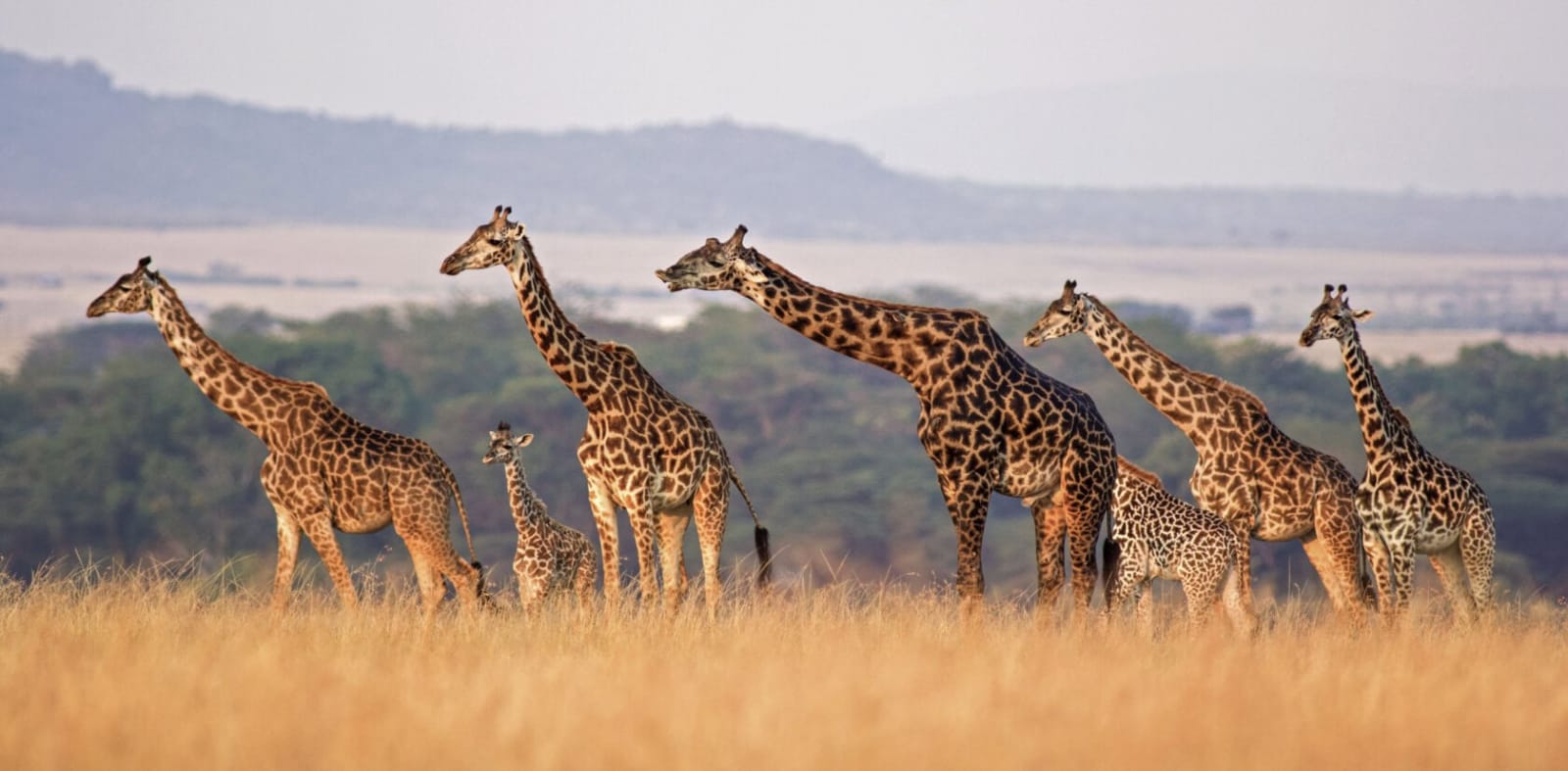
Northern Tanzania is home to an incredible diversity of wildlife, including the Big Five (lion, elephant, buffalo, leopard, and rhinoceros). On a safari through parks like Tarangire, Lake Manyara, Serengeti, and Ngorongoro Crater, you can expect to see large herds of elephants, zebras, wildebeest, giraffes, antelopes, cheetahs, hyenas, and numerous bird species. Tarangire is particularly famous for its elephant populations, while the Serengeti offers exceptional predator viewing opportunities. The variety of ecosystems—from woodland savannas to crater floors—means you'll encounter different species in each location.
The best time for a Northern Tanzania safari depends on what you want to experience. The dry seasons (June to October and January to February) offer the best wildlife viewing because animals congregate around water sources, making them easier to spot. June to October is ideal for witnessing the Great Migration in the Serengeti. The wet season (November to May) brings lush landscapes, fewer tourists, and excellent bird watching, though some roads may be challenging. Most travelers prefer the dry months for optimal game viewing and comfortable driving conditions.
Yes, 8 days is an excellent duration for a comprehensive Northern Tanzania safari experience. This timeframe allows you to visit multiple iconic parks—including Arusha National Park, Tarangire, Lake Manyara, the Serengeti, and Ngorongoro Crater—without feeling rushed. You'll have sufficient time for multiple game drives in each location, increasing your chances of memorable wildlife encounters. The 8-day itinerary also includes cultural experiences with Maasai communities and provides adequate rest time at quality lodges, creating a well-balanced safari that combines adventure with comfort.
Pack neutral-colored, lightweight clothing in layers for early morning and evening game drives when temperatures drop. Essential items include a wide-brimmed hat, high-SPF sunscreen, sunglasses, and a good pair of binoculars for wildlife viewing. Bring sturdy, closed-toe hiking boots for walking safaris and uneven terrain. A camera with a telephoto lens is invaluable for capturing wildlife. Other necessities include insect repellent, any personal medications, and toiletries (though lodges typically provide basics). Consider bringing a lightweight rain jacket for the wet season. Leave behind bright colors and perfumes, as these can disturb wildlife. Check with your safari operator for specific recommendations based on the season you're traveling.
Visa requirements for Tanzania depend on your nationality. Most visitors require a visa, which can be obtained on arrival at Kilimanjaro International Airport, through the Tanzanian embassy, or online via the e-visa system. The process is generally straightforward, though processing times vary. It's advisable to check the current requirements with the Tanzanian immigration authority or your nearest embassy well before your travel date, as regulations can change. Ensure your passport is valid for at least six months beyond your intended stay. Some nationalities may qualify for visa exemptions or simplified entry procedures, so verify your specific situation early in your planning process.
While specific health requirements depend on your origin country and individual health status, travelers to Tanzania are commonly advised to check with a travel health clinic 4-6 weeks before departure. Yellow fever vaccination is often recommended, and some countries require proof of vaccination for entry. Malaria prophylaxis is typically advised for most regions in Northern Tanzania, particularly at lower elevations. Vaccinations against typhoid, hepatitis A, and routine immunizations are frequently recommended. Drinking bottled water is standard practice, and travel insurance that covers medical evacuation is highly advisable. Consult your doctor or a travel medicine specialist for personalized health recommendations based on your itinerary and medical history.
The Ngorongoro Crater is a UNESCO World Heritage Site and one of Africa's most spectacular natural wonders—a massive volcanic caldera formed millions of years ago. At approximately 19 kilometers in diameter, it's the world's largest intact volcanic crater and contains a complete ecosystem within its walls. The crater floor supports an estimated 25,000 large animals, including lions, elephants, buffalo, zebras, and flamingos, making it exceptional for wildlife viewing in a concentrated area. The dramatic landscape, with its steep crater walls and lush floor, offers stunning photography opportunities and a unique safari experience. Visiting the crater provides both geological education and outstanding game viewing, often in a single day.
Yes, cultural encounters with Maasai communities are a highlight of Northern Tanzania safaris. The Maasai are indigenous pastoralists who have inhabited the region for centuries and maintain traditional ways of life. Many safari itineraries include visits to Maasai villages or homesteads where you can meet families, learn about their culture, traditions, and daily life, and often purchase authentic crafts directly from artisans. These interactions are typically conducted respectfully and provide meaningful cultural exchange. However, it's important to approach such visits with cultural sensitivity and to support communities fairly. Ask your safari operator about the nature of cultural visits to ensure they are conducted ethically and that your visit benefits the communities involved.
The Serengeti is distinguished by its vast open plains—covering approximately 14,750 square kilometers—and its role as host to the Great Migration, when millions of wildebeest, zebras, and gazelles move across the ecosystem in search of fresh grazing. The Serengeti offers exceptional predator viewing and dramatic wildlife spectacles. In contrast, Tarangire is known for its high concentration of elephants and diverse wildlife in a more compact area. Lake Manyara features unique tree-climbing lions and is excellent for bird watching. Arusha National Park combines forests, volcanic peaks, and diverse ecosystems. Ngorongoro Crater is a self-contained ecosystem within a volcanic caldera. Each park offers distinct landscapes, wildlife compositions, and experiences, which is why a multi-park itinerary provides comprehensive exposure to Tanzania's ecological diversity.
Tanzania safari costs vary widely based on season, accommodation quality, group size, and operator. An 8-day Northern Circuit safari typically ranges from mid-range to luxury pricing depending on your lodge choices. Most comprehensive packages include park entrance fees, accommodation, meals, professional guides, game drives in a private 4x4 vehicle, and airport transfers. Bottled water during drives is usually included. However, international flights, travel insurance, visa fees, alcoholic beverages, tips, and optional activities are typically not included and should be budgeted separately. Traveling during the shoulder season (shoulder months between peak and low seasons) often offers better value. It's advisable to request detailed quotes from operators specifying exactly what's included to compare options accurately and understand the true cost of your safari.
© 2026 SafariFind. All rights reserved.