 1 / 5
1 / 5 9 daysPrivate
9-Day Rwanda And Kenya Magnificent Budget Safari
by
Highlights
- Gorilla Trekking
Loading SafariFind...
1 / 5by
SafariFind app
Keep up with your inquiries and bookings, and message operators wherever you are.

Arrive In Rwanda | Transfer To Your Hotel In Kigali | Relaxing
Kigali
Meals: Lunch, Dinner
City Tour | Genocide Memorial Visit | Transfer To Musanze | Visit The Dian Fossey Center
Musanze
Meals: Breakfast, Lunch, Dinner
Gorilla Trekking In Volcanoes National Park | Relaxing
Volcanoes National Park
Meals: Breakfast, Lunch, Dinner
Last Day In Rwanda | Golden Monkey Trekking | Transfer To The Airport | Fly To Kenya | Hotel Transfer
Nairobi
Meals: Breakfast, Lunch, Dinner
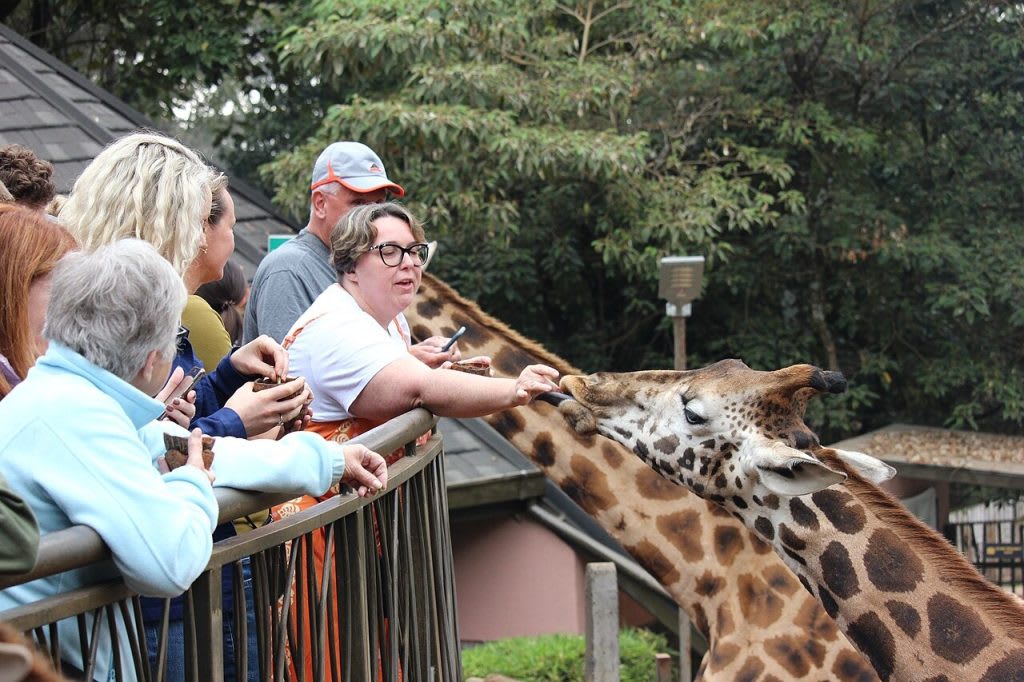
Visit Sheldrick Wildlife Trust | Interact With Baby Elephants | Transfer To The Giraffe Centre | Feeding Giraffes | Hotel Transfer
Nairobi
Meals: Breakfast, Lunch, Dinner
Transfer To Masai Mara National Reserve | Maasai Cultural Interaction | Evening Game Drive
Masai Mara National Reserve
Meals: Breakfast, Lunch, Dinner
Optional Hot Air Balloon Safari At 485 USD Per Person | Full-Day Game Drive
Masai Mara National Reserve
Meals: Breakfast, Lunch, Dinner
Full-Day Game Drive In Masai Mara National Reserve
Masai Mara National Reserve
Meals: Breakfast, Lunch, Dinner
The Last Day With Us | Transfer To The Airport | Fly Back Home
Jomo Kenyatta International Airport
Meals: Breakfast, Lunch
Year Round
Year-round
| Season | Solo traveller | 2 people | 3 – 4 people | 5 – 6 people | 7+ people | Child rate | Single suppl. |
|---|---|---|---|---|---|---|---|
Year Round Year-round | $6,955 | $5,350 | $4,815 | $4,548 | $4,280 | $3,745 | $1,605 |
Child rate applies to travelers under 12 years. Single supplement applies to solo travelers taking their own room.
A combined Rwanda and Kenya safari offers incredibly diverse wildlife experiences. In Rwanda's Volcanoes National Park, you'll encounter mountain gorillas, golden monkeys, and various other primates in their natural forest habitat. In Kenya's Masai Mara National Reserve, you'll have the opportunity to see the Big Five (lion, leopard, rhinoceros, elephant, and African buffalo), along with cheetahs, hyenas, wildebeest, zebras, giraffes, and hundreds of bird species. The combination of primate trekking in Rwanda and classic savannah game drives in Kenya provides one of Africa's most comprehensive wildlife experiences.
Yes, 9 days is a well-structured timeframe for exploring both countries. This duration typically allows 3-4 days in Rwanda for Kigali city exploration and mountain gorilla trekking in Volcanoes National Park, followed by 4-5 days in Kenya's Masai Mara for multiple game drives and safari experiences. While you won't be able to visit every location in each country, this itinerary provides a balanced introduction to both nations' wildlife, culture, and landscapes without feeling rushed. Many travelers find this length ideal for combining primate encounters with classic African safari experiences.
Most comprehensive safari packages include all national park entrance fees, accommodations throughout your journey, all meals (breakfast, lunch, and dinner), professional English-speaking guides, bottled water during game drives, and airport transfers. Government taxes and VAT are typically included in the quoted price. However, international flights, travel insurance, visa fees, alcoholic beverages, tips and gratuities, and optional activities like hot air balloon safaris are usually not included. It's important to clarify what's covered with your tour operator before booking, as inclusions can vary between different package options.
The best time depends on what you want to experience. For Rwanda's mountain gorilla trekking, the dry seasons (January-February and June-September) offer the best conditions with clearer skies and easier hiking. For Kenya's Masai Mara, the dry seasons are ideal: June to October (when the Great Migration occurs) and January to February. July to October is particularly popular for witnessing the Great Migration. However, Rwanda and Kenya can be visited year-round, with shoulder seasons (March-May and November-December) offering fewer crowds and lower prices, though there's a higher chance of rain. Consider your priorities—wildlife viewing, weather conditions, or budget—when choosing your travel dates.
Visa requirements depend on your nationality. Many countries' citizens can obtain visas on arrival in both Rwanda and Kenya, while others can apply for e-visas online before travel. Some nationalities may be exempt from visa requirements for short stays. It's essential to check the official immigration websites for Rwanda and Kenya or consult your country's embassy for current visa requirements well before your trip. Visa fees are typically not included in safari packages, so budget accordingly. Processing times and costs vary, so plan ahead to avoid any travel delays.
Yellow fever vaccination is recommended for both Rwanda and Kenya, and some countries require proof of vaccination for entry. Malaria prophylaxis is strongly recommended for both destinations, particularly for lower-altitude areas like the Masai Mara. Routine vaccinations (measles, mumps, rubella, polio, tetanus) should be up to date. Additionally, vaccinations for typhoid, hepatitis A, and hepatitis B may be recommended depending on your health history and itinerary. Consult with a travel medicine clinic or your healthcare provider at least 4-6 weeks before departure to receive personalized health recommendations and ensure you have adequate time to complete any required vaccination schedules.
The cost of a combined Rwanda and Kenya safari varies significantly based on accommodation quality, season, group size, and specific inclusions. Budget safari packages typically range from $2,000 to $4,000 per person for 9 days, while mid-range options may cost $4,000 to $7,000, and luxury experiences can exceed $10,000 per person. Most packages include accommodations, meals, park fees, and guides, but international flights are rarely included and can add $800-$2,000+ depending on your origin. Additional costs to budget for include travel insurance, visa fees, tips for guides and staff, alcoholic beverages, and optional activities like hot air balloon safaris. Booking during shoulder seasons (March-May or November-December) often provides better value than peak season rates.
Pack neutral-colored, lightweight clothing suitable for warm days and cool mornings—earth tones like khaki, tan, and olive green are ideal for game drives. Bring layers including a lightweight fleece or sweater for early morning game drives and evening temperatures. Essential items include a wide-brimmed hat, high-SPF sunscreen, sunglasses, and insect repellent containing DEET. Sturdy, closed-toe hiking boots are crucial for gorilla trekking in Rwanda's forests. Pack a good camera with extra batteries and memory cards, binoculars, and any prescribed medications in original containers. Quick-dry clothing is practical given the climate. Don't forget a reusable water bottle, toiletries, and any personal medications. Check baggage allowances with your airline, as some restrict weight for domestic flights between Rwanda and Kenya.
Yes, Kenya's Masai Mara National Reserve is one of Africa's premier destinations for seeing the Big Five—lion, leopard, rhinoceros, elephant, and African buffalo. The Masai Mara has one of the highest concentrations of these iconic species on the continent. However, sightings are never guaranteed, as these are wild animals in their natural habitat. Your chances of seeing all five increase with multiple game drives over several days, the expertise of your guide, and the season you visit. The dry season (June-October and January-February) generally offers better wildlife viewing as animals congregate around water sources. Professional guides with years of experience can significantly improve your odds of memorable Big Five encounters.
Gorilla trekking in Rwanda's Volcanoes National Park is a once-in-a-lifetime experience where you hike through misty mountain forests to observe mountain gorillas in their natural habitat. Treks typically involve 2-7 hours of hiking through dense vegetation, often at high altitude and in challenging terrain, so a reasonable fitness level is helpful. Trekkers are organized into small groups (usually 8 people maximum) and led by experienced guides and porters. Once you locate a gorilla family, you spend approximately one hour observing them from a safe distance. The experience is deeply moving—watching these intelligent, gentle giants interact as family units is unforgettable. The trek requires sturdy hiking boots, rain gear, and patience, but most visitors consider it the highlight of their African travels. Early morning departures are standard to maximize trekking time.
© 2026 SafariFind. All rights reserved.

