African Elephant Conservation in Burundi (2026): Status & Threats
African elephants were reported locally extinct in Burundi by the 1970s, and the available research does not provide evidence of a confirmed wild population or a current national elephant census. Conservation priorities therefore centre on preventing illegal wildlife trade, protecting remaining habitats and strengthening regional cooperation.
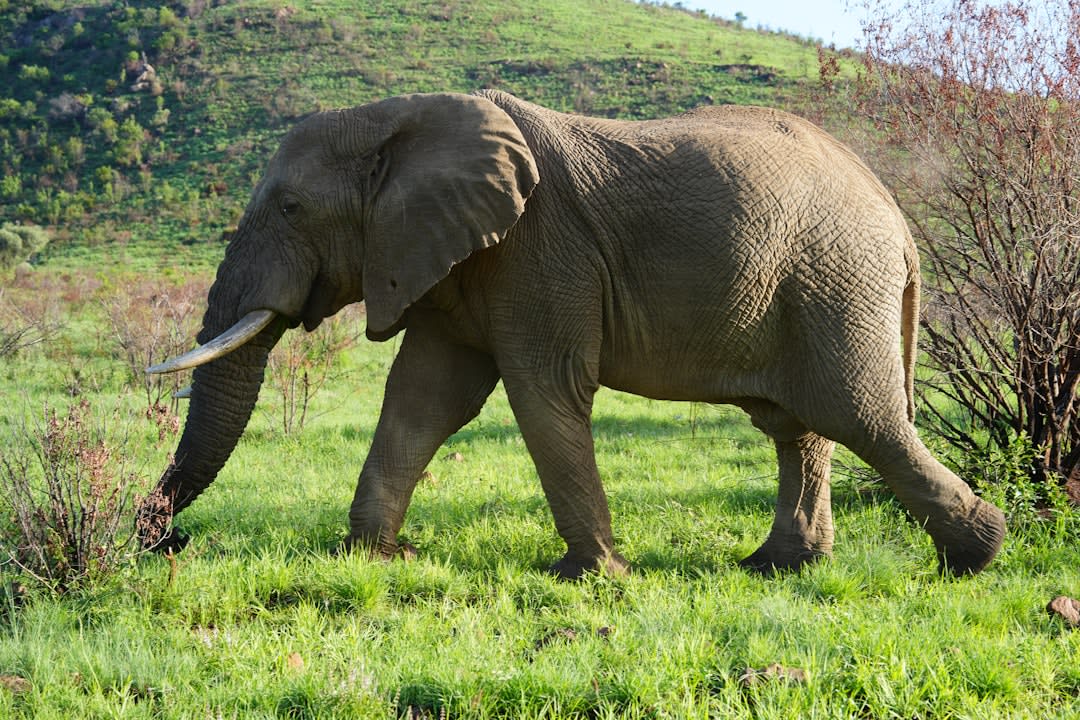
Quick answer: African elephants are listed among Burundi’s historical range, but available conservation references report that elephants became locally extinct in Burundi in the 1970s. The research supplied for this article does not document a confirmed resident wild population, a current national elephant census or a verified elephant reintroduction programme in Burundi as of 2026.
Last reviewed August 2026. Conservation data changes — see the cited sources for the latest figures.
Why African elephant conservation matters in Burundi
Burundi is identified as a range state for the African savanna elephant, Loxodonta africana. The United States Fish and Wildlife Service also lists Burundi among the countries in which the African elephant is known or believed to occur, while classifying the species as threatened wherever found under its national listing. These references describe historical or broad range information; they should not be interpreted as proof that a viable wild elephant population currently survives inside Burundi.
The distinction is important. African elephants are now recognised as two species: the African savanna elephant and the African forest elephant. Burundi is associated with the savanna elephant’s range rather than the dense-forest range described for the forest elephant. The supplied research indicates that elephants disappeared locally from Burundi during the 1970s, following the wider contraction of elephant range across parts of Africa.
That history makes Burundi a different conservation case from countries with large, regularly surveyed elephant herds. In a country where no current population estimate is supplied, responsible conservation writing must not substitute continental figures for a Burundi total. The most defensible conclusion is that Burundi’s immediate elephant agenda is one of protection, evidence and regional planning: establish whether any transient or re-established animals are present, maintain habitat that could support wildlife movement and prevent ivory trafficking from exploiting national borders.
Elephants also matter beyond their own numbers. Across Africa, conservationists describe them as ecologically important and economically valuable to people. Their large movements connect landscapes, while their presence can support the wider appeal of protected areas and a responsible Burundi safari. Those benefits only become meaningful when tourism is based on verified wildlife and contributes transparently to local protection.
Burundi’s elephant history and conservation context
The broader African picture explains why local extinction occurred in some countries. An IUCN/WWF/NYZS elephant action-plan excerpt records an estimated 1.3 million elephants between 1976 and 1979, while populations were declining in more than 75% of the countries observed. The same source describes military involvement in elephant killings as an additional factor in wildlife declines in several African regions.
Another historical series reports approximately 1.3 million African elephants in 1979, 600,000 in 1989, 550,000 in 2007 and 415,000 in 2014, while noting that some figures were crude estimates. A later summary of the 2016 African Elephant Status Report gives an estimate of 415,428 elephants across the continent and a decline of about 110,000 over the preceding decade. These continental numbers provide context, not a census for Burundi.
Burundi’s wider protected-area network remains relevant to national biodiversity, even when the available elephant sources do not confirm resident elephants in particular parks. Travellers researching a Rusizi National Park safari or Ruvubu National Park visit should ask operators which species are currently documented, how sightings are verified and whether any conservation contribution reaches park management or community programmes.
The main threats to African elephants connected to Burundi
Ivory poaching and trafficking
Illegal ivory hunting remains a continent-wide threat. The available research says poaching surged in 2008, peaked around 2011 and continues to threaten African elephant populations. The historical decline of many populations was strongly associated with the legal and illegal ivory trade, and demand for ivory has placed local populations at risk of extinction.
For Burundi, the absence of a documented current elephant population does not make trafficking irrelevant. A country can be affected as a transit, storage or enforcement territory even when it has few or no resident elephants. However, the supplied research does not provide Burundi-specific seizure totals, arrest numbers, poaching incidents or ivory-route evidence. Those figures should therefore not be claimed without current records from Burundi’s wildlife authorities, customs agencies, courts or a specialist monitoring programme.
Habitat loss and fragmentation
Elephants need extensive habitat because they consume large quantities of vegetation and move between feeding and water areas. Research on African elephant threats identifies agriculture, settlements, transport infrastructure, plantations and mining as drivers of habitat loss, while roads and other development can divide habitat into smaller areas.
Fragmentation has several consequences: it can restrict access to food and water, isolate groups and reduce opportunities for breeding and genetic exchange. These pressures are especially important when considering any future return or natural recolonisation of elephants to Burundi. A landscape may appear suitable on a map but still be unable to support elephants if movement routes are blocked or if people and wildlife compete for the same land and water.
Human–elephant conflict
Where elephant populations recover or expand into farmed landscapes, crop-raiding can create serious costs for households. Save the Elephants reports that a crop can be destroyed in a single night, creating resentment and sometimes leading to injury or retaliatory killing of elephants. Conflict can also affect people through livestock competition, damaged property and fear around settlements.
No Burundi-specific human–elephant conflict statistics are included in the research supplied here. It would be misleading to describe crop-raiding as a current widespread Burundi problem without verified local reports. The relevant planning lesson is nevertheless clear: any conservation or reintroduction proposal would need community safeguards, rapid reporting, land-use planning and non-lethal deterrence before elephants and farms came into close contact.
Climate and water stress
Elephants generally move in response to seasonal conditions, including changes in rainfall, vegetation and access to water. The cited distribution source describes movement towards more reliable water sources during the dry season and return to feeding areas when rains regenerate vegetation. Climate variability can therefore intensify pressure on both elephants and people by concentrating animals around limited water and productive farmland.
The research supplied does not contain a Burundi-specific climate-impact assessment, drought statistic or elephant mortality figure. The prudent 2026 position is to treat water security and habitat connectivity as planning concerns, while distinguishing those general risks from documented national impacts.
What is being done for elephant conservation in the region?
Effective elephant conservation is usually a combination of field protection, intelligence-led law enforcement, habitat management, monitoring and community engagement. WWF-Kenya’s elephant strategy, for example, focuses on reducing human–elephant conflict, improving livelihoods, securing and expanding elephant range, reducing poaching and preventing retaliatory killing. The organisation also describes community rangers and habitat management as practical tools in its Kenyan projects.
Regional cooperation is particularly important for wide-ranging species. A U.S. Fish and Wildlife Service project in the Greater Virunga Landscape supported collaboration among protected-area authorities and conservation organisations in Rwanda, the Democratic Republic of Congo and Uganda. Its activities included reducing cross-border poaching and ivory trafficking, improving law-enforcement cooperation, training and monitoring elephant population size, density and seasonal movements. The project description does not identify a Burundi component, so it should not be presented as a Burundi programme.
Burundi is, however, included in a broader cross-regional wildlife-conservation evaluation covering eastern African countries. That evaluation found a downward trend in illegal wildlife crime and stabilisation of wildlife populations, especially elephants and rhinoceroses, while cautioning that it is difficult to attribute the outcome to one programme because many organisations worked on the issue. The evaluation also emphasised institutional strengthening, community engagement, sustainable development and the rule of law.
| Conservation need | What the evidence supports | What remains unverified for Burundi |
|---|---|---|
| Population monitoring | Elephant programmes use surveys, density estimates and seasonal-movement monitoring. | A current Burundi elephant population estimate or national census. |
| Anti-poaching | Cross-border law-enforcement cooperation, training and ivory-trafficking prevention are established regional priorities. | Burundi-specific patrol results, seizures, prosecutions or poaching totals. |
| Coexistence | Community rangers, livelihood support and conflict mitigation are used in elephant landscapes. | A verified current human–elephant-conflict programme in Burundi. |
| Habitat protection | Connected habitat and access to food and water are fundamental to elephant conservation. | A confirmed elephant corridor or reintroduction site in Burundi. |
Conservation results and remaining setbacks
There are genuine signs of progress at continental and regional levels, but they must be interpreted carefully. The UNODC evaluation reports reduced PIKE—the proportion of illegally killed elephants detected among elephant carcasses—in Eastern Africa from 0.37 to 0.20 between the programme’s baseline period and 2021. It reports a reduction in Southern Africa from 0.50 in 2017 to 0.27 in 2021. These are regional results, not Burundi results, and the evaluation explicitly warns that attribution to one project is difficult.
Some African elephant populations have shown signs of recovery, but other populations—particularly in western and central Africa—remain at serious risk of local extinction. The IUCN-related material also distinguishes the forest elephant as critically endangered and the savanna elephant as endangered in the cited contemporary summaries. Country-level status can therefore differ sharply from continental trends.
Burundi’s principal setback is the apparent loss of its historical elephant population, combined with a lack of current, publicly documented evidence in the supplied research showing recovery. Conservation success should not be claimed on the basis of regional improvements alone. For Burundi, the most important measurable milestones would be a transparent national status assessment, reliable records of any confirmed sightings, stronger cross-border intelligence and evidence that protected-area and community institutions can secure habitat over the long term.
Community and tourism’s role
Tourism can help conservation when visitor spending supports protected-area management, local employment, guides, monitoring and community benefits. The wider elephant literature identifies the species’ ecological and economic value to people. It also shows why tourism must not be treated as automatically beneficial: poorly managed visitation, unverified wildlife claims and unequal revenue distribution can weaken trust.
Visitors considering a Burundi safari itinerary should prioritise licensed operators, ask how park fees are allocated and avoid any experience that advertises guaranteed elephant sightings without authoritative evidence. Travellers can book conservation-supporting safaris on SafariFind, but they should still request clear information about the operator’s local partners, conservation fees and community commitments.
Wildlife tourism should also respect the difference between an elephant destination and a broader Lake Tanganyika, Burundi trip. A visit can support the national tourism economy without implying that elephants are currently present. Honest interpretation is part of responsible conservation.
How travellers can help African elephants responsibly
- Do not buy ivory. Illegal and legal ivory markets have historically contributed to elephant declines, and demand remains a threat.
- Ask for evidence. Request the date and source of wildlife records rather than relying on claims of current elephants in Burundi.
- Choose transparent operators. Ask whether park fees, guide payments and conservation contributions are documented and whether local communities benefit.
- Support habitat and coexistence work. Community-led conservation, livelihoods and conflict mitigation are recognised parts of effective elephant strategies.
- Report suspicious wildlife products. Use official wildlife, customs or law-enforcement channels in the country where the concern arises.
- Respect protected areas. Follow guide instructions, remain on authorised routes and avoid disturbing wildlife or local communities.
For travellers interested in Burundi’s wider conservation landscape, SafariFind also covers chimp tracking in Kibira National Park and the country’s broader wildlife-protection challenges. Elephant conservation in Burundi will require the same foundations: credible data, functioning institutions, secure habitat, community trust and long-term regional cooperation.
Conclusion
African elephant conservation in Burundi begins with an uncomfortable but essential fact: the available research reports local extinction in the 1970s and does not establish a current viable wild population. Burundi remains relevant to African elephant conservation because it is part of the species’ recorded range, lies within a region where wildlife crime and cross-border management matter and retains a wider biodiversity and tourism interest.
The responsible 2026 priority is not to promise elephant sightings or announce an unsupported recovery. It is to improve national evidence, prevent ivory trafficking, protect connected habitats, strengthen regional enforcement and ensure that any future elephant conservation decision is developed with affected communities. Those steps would give Burundi the strongest possible basis for protecting elephants—whether through safeguarding occasional movements, supporting regional populations or considering carefully assessed future restoration.
Frequently Asked Questions
Are there wild elephants in Burundi in 2026?
The available research does not confirm a current resident wild elephant population in Burundi. One conservation reference reports that elephants became locally extinct in Burundi in the 1970s.
When did elephants become extinct in Burundi?
Elephants were reported locally extinct in Burundi in the 1970s.
Which elephant species historically occurred in Burundi?
Burundi is identified as part of the African savanna elephant’s range. African savanna and African forest elephants are recognised as separate species.
What is the biggest threat to African elephants?
The main threats are illegal ivory hunting and trafficking, habitat loss and fragmentation, and human–elephant conflict.
Does Burundi have an elephant population census?
The research supplied for this article does not provide a current Burundi-specific elephant census or population estimate.
How does habitat loss affect African elephants?
Farming, settlements, roads and other development reduce and divide elephant habitat, restricting access to food and water and isolating groups.
Can tourism help elephant conservation in Burundi?
Tourism can help when spending supports protected-area management, local employment and community benefits, but visitors should not assume that a Burundi safari includes elephant sightings without current evidence.
How can travellers help elephants in Africa?
Travellers can avoid ivory, choose transparent operators, support community and habitat programmes, follow protected-area rules and report suspicious wildlife products.
What is PIKE in elephant conservation?
PIKE is the proportion of illegally killed elephants detected among elephant carcasses. A regional evaluation reported a reduction in Eastern Africa from 0.37 to 0.20 by 2021, but those figures are not Burundi-specific.
Are African elephant populations recovering?
Some populations have shown signs of recovery, but many populations, especially in western and central Africa, remain at risk of local extinction.
V2Ui.sources
- (PDF) IUCN/WWF/NYZS Elephant Survey and Conservation Programme: The African Elephant Action Plan (Excerpts)
- Office of International Affairs: Project Summaries — African Elephant 2006(official)
- All About Elephants - Habitat and Distribution
- Conservation Status & Threats - Elephants For Africa
- African forest elephant: threats and conservation
- Elephants - Facts, Habitat, Endangered Status | Species Spotlight
- Species Profile for African elephant (Loxodonta africana)(official)
- Cross-Regional Wildlife Conservation in Eastern and Southern Africa: Joint Evaluation Report
- Elephant poaching: Why it’s a big problem
- Threats to Elephants - Save the Elephants
- Elephant Conservation | WWF Kenya
Related to
Ready to start your safari adventure?
Explore curated safari packages and find your perfect African adventure with verified operators.