African Elephant Conservation in Kenya 2026: Status & Success
Kenya's elephant population has rebounded to approximately 36,000 animals—a remarkable recovery from just 16,000 in 1989—through intensive anti-poaching efforts, community rangers, and habitat protection. Yet poaching, human-elephant conflict, and habitat fragmentation remain critical threats requiring sustained commitment.
Current Conservation Status at a Glance
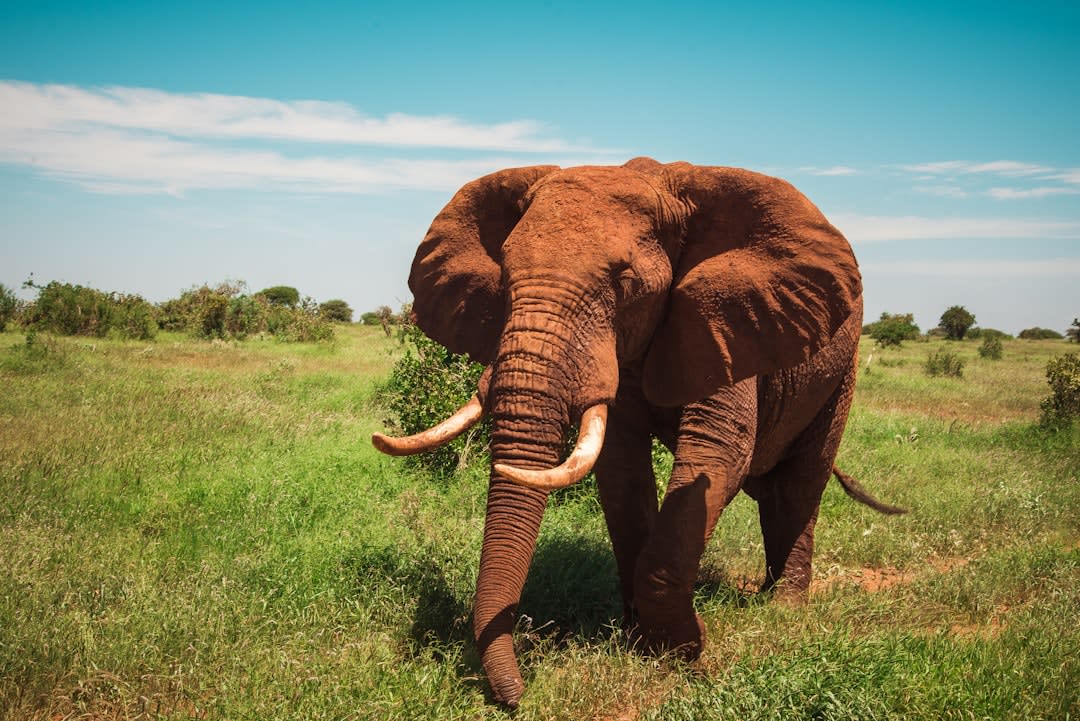
Kenya's African elephant population stands at approximately 36,000 animals as of 2024, growing at an annual rate of 5%. This represents a dramatic turnaround from the catastrophic low of 16,000 elephants in 1989, when the population had plummeted 90% from 167,000 in the 1970s. Kenya is now recognized as one of Africa's elephant conservation success stories—yet the species remains classified as Vulnerable by the IUCN and threatened with extinction under CITES Appendix I. Poaching, habitat loss, and human-elephant conflict continue to pose serious, ongoing threats.
Why African Elephants Matter to Kenya
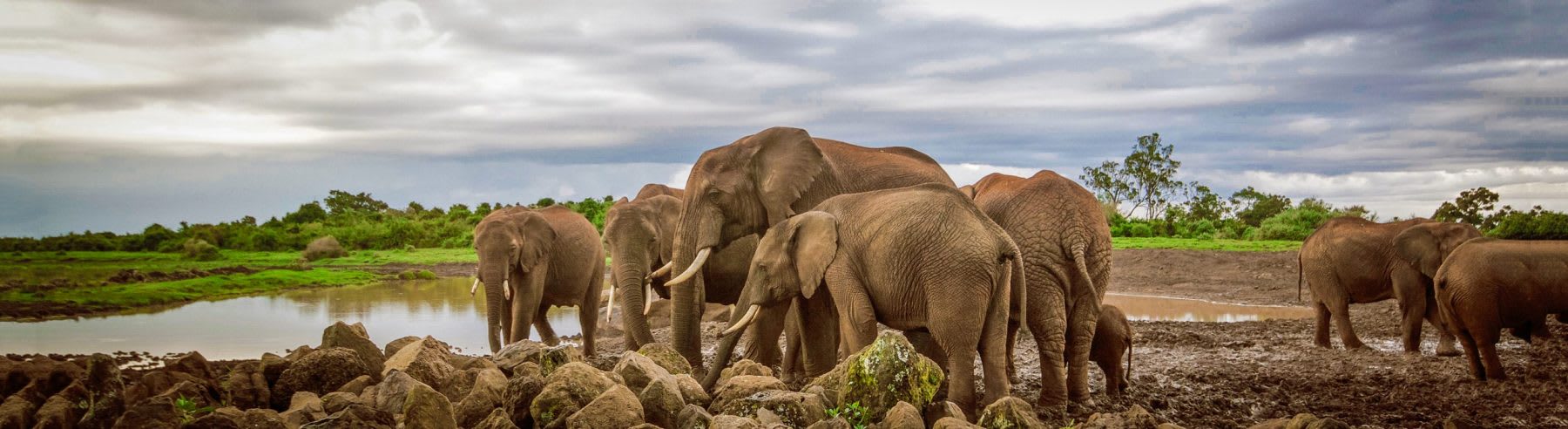
The African elephant is a keystone species—its survival is fundamental to the health of Kenya's ecosystems and economy. Elephants shape savanna and forest habitats through their feeding and movement, create water sources during droughts, and disperse seeds across vast distances, supporting biodiversity from large predators to insects. Economically, elephants are central to Kenya's wildlife tourism sector, attracting international visitors to parks like Tsavo, the Mara-Mau-Serengeti landscape, and Laikipia—generating income that funds conservation and rural livelihoods.
Kenya recognizes five distinct elephant populations across the country, each with unique conservation needs and threats. The largest concentration—approximately 12,850 elephants—lives in the Tsavo Conservation Area, Kenya's largest protected area at 43,000 square kilometers, which encompasses both Tsavo West and Tsavo East National Parks. Other key populations inhabit Samburu, the Mara ecosystem, Laikipia's community conservancies, and the Lamu-Ijara landscape in coastal Kenya.
The Collapse and the Recovery: A Brief History
In the 1970s, Kenya was home to approximately 167,000 elephants. The ivory trade boom of the 1980s triggered a catastrophic poaching crisis. By 1989—the year the international ivory trade ban (CITES) took effect—Kenya's elephant population had crashed to just 16,000, a loss of over 90%. This period saw not only illegal poaching but also government-authorized culling and habitat destruction as human settlement expanded.
Since the early 1990s, Kenya has implemented sustained conservation measures that have allowed populations to recover steadily. The Kenya Wildlife Service (KWS) established the Elephant Program in the 1990s to monitor elephant mortalities and address emerging threats. By 2017, the population had grown to approximately 30,000 animals, and by 2024 it reached 36,000—a tangible demonstration that intensive protection works.
Current Threats to Kenya's Elephants
Poaching for Ivory
Despite the 1989 international ivory trade ban, illegal poaching remains a persistent threat. Across Africa, an estimated 20,000 to 30,000 elephants are killed annually for their ivory tusks. Kenya has made significant progress in reducing poaching rates compared to the 1980s crisis, but the threat has not been eliminated. Poachers target elephants with particularly large tusks—known as "super tuskers"—which are especially valuable on illegal markets. The Tsavo Conservation Area, home to several of these iconic animals, faces ongoing pressure from organized poaching networks.
The driving force behind poaching remains international demand. Despite bans, ivory continues to be smuggled through illegal trade networks, with organized criminal syndicates operating across borders. Kenya has strengthened law enforcement, but poachers adapt their tactics and move between countries to evade detection.
Human-Elephant Conflict and Habitat Loss
As Kenya's human population grows and agricultural expansion encroaches on wildlife habitats, human-elephant conflict (HEC) has emerged as one of the leading long-term threats to conservation. Elephants raid crops, destroy property, and occasionally kill people; farmers respond with retaliatory killings. This cycle undermines community support for conservation and directly kills elephants outside protected areas.
Habitat fragmentation is equally critical. Elephants require vast ranges to find food and water, especially during droughts. The loss of wildlife corridors—the safe passages that allow elephants to move between protected areas—isolates populations and increases vulnerability to poaching and conflict. Kenya's National Elephant Action Plan 2023-2032 identifies habitat connectivity as a primary conservation objective, aiming to expand elephant range by at least 1% of Kenya's national land mass through securing corridors and creating conservancies.
Climate and Drought
Recurrent droughts pose a severe threat, particularly in northern Kenya's rangelands. Despite Kenya's 5% annual population growth rate, severe droughts—such as the prolonged drought that affected the region in 2022-2023—have killed many elephants, highlighting the fragility of gains made during wet years. Climate change is intensifying drought frequency and severity, making long-term habitat security and water access increasingly critical.
Kenya's Conservation Framework and Key Programmes
National Elephant Action Plan 2023-2032
Kenya adopted its National Elephant Action Plan (NEAP) 2023-2032 to provide a comprehensive, 10-year framework for elephant conservation and management. The plan identifies five key objectives: reducing poaching and retaliatory killing; mitigating human-elephant conflict; expanding elephant range and securing corridors; improving livelihoods in elephant-range communities; and co-creating indigenous and scientific knowledge for adaptive management. A mid-term review is scheduled for 2026 to evaluate progress and refocus implementation through 2032.
Kenya Wildlife Service (KWS) Leadership
The Kenya Wildlife Service is the government agency responsible for wildlife management and protection. KWS operates the national parks and protected areas where most of Kenya's elephants live, manages anti-poaching operations, and coordinates with international conservation partners. KWS also administers the CITES MIKE Programme (Monitoring the Illegal Killing of Elephants), which tracks elephant mortality at four key sites: Samburu, Laikipia, Mara, and Tsavo—areas that host the majority of Kenya's savanna elephants.
Community Rangers and Anti-Poaching Operations
Community rangers have become the frontline of Kenya's elephant protection strategy. Organizations such as Big Life Foundation, the Northern Rangelands Trust, and the African Wildlife Foundation (AWF) recruit, train, and equip local community members as wildlife scouts and rangers. These rangers monitor elephant populations, deter poachers, respond to human-wildlife conflicts, and gather intelligence on poaching networks.
For example, the Sera Conservancy in northern Kenya, supported by the Northern Rangelands Trust, has constructed permanent ranger bases to provide secure headquarters for anti-poaching patrols. Similarly, Lewa Wildlife Conservancy operates aerial support for security and management of elephants in community, private, and government-owned rangelands, using aircraft to monitor elephant locations, identify threats, and coordinate anti-poaching responses.
Big Life Foundation's model demonstrates the effectiveness of this approach: the organization employs community rangers across the Greater Amboseli Ecosystem (GAE) in both Kenya and Tanzania, combining anti-poaching operations with human-wildlife conflict mitigation, livestock compensation, education scholarships, and conservation land leases—a holistic strategy that ensures communities benefit from wildlife protection.
Technology and Forensics
Kenya is increasingly integrating technology into elephant protection. The Tsavo Conservation Area partnership between Kenya Wildlife Service, the TUI Care Foundation, and the International Fund for Animal Welfare (IFAW) has equipped rangers with communications and mobility tools—radios, smartphones, and GPS devices—to improve response times to poaching threats. Capacity building in forensic analysis and crime scene investigation has enhanced the ability of law enforcement to prosecute wildlife criminals. DNA analysis of ivory and mobile phone forensics help investigators trace poaching networks and secure evidence for prosecution.
The tenBoma method, developed by IFAW and implemented in Tsavo, combines technology with community intelligence: local residents report suspicious activities (smoke outside villages, robberies, unfamiliar tire prints), data is entered into a predictive database that identifies poaching patterns, and rangers use those patterns to prevent poaching events before they occur.
Community Conservancies and Habitat Expansion
Over 220 community conservancies have been established across Kenya's elephant range, particularly in northern rangelands. These conservancies—jointly managed by landowners, local communities, and conservation organizations—secure wildlife habitat and corridors while generating income through wildlife-based tourism and conservation payments. The Osupuko and Kitome Conservancies, supported by AWF, exemplify this model, providing employment to community rangers and protecting elephant habitat.
The Ol Pejeta Conservancy in Laikipia combines wildlife surveillance with elephant monitoring to identify resident and transient herds, estimate seasonal population sizes, and track individual elephants that repeatedly break fences and raid adjacent farms—enabling targeted human-elephant conflict mitigation.
International Funding and Partnerships
Kenya's elephant conservation relies on sustained international funding. The U.S. Fish & Wildlife Service's African Elephant Conservation Fund has supported multiple Kenya-based projects, including aerial support for Lewa Wildlife Conservancy (USD 15,000 FWS funding, USD 445,333 leveraged funds) and wildlife surveillance at Ol Pejeta Conservancy (USD 32,243 FWS funding, USD 35,341 leveraged). The Multinational Species Conservation Fund also supports Kenya programmes.
WWF-Kenya and the African Wildlife Foundation (AWF) are major conservation partners, with WWF implementing the WWF Africa Elephant Conservation Action Plan across the Mau-Mara-Serengeti, Kwale, and Lamu-Ijara landscapes, focusing on human-elephant conflict mitigation, livelihood improvement, habitat security, and poaching reduction.
Results: Progress and Ongoing Challenges
Population Recovery
Kenya's elephant population growth from 16,000 (1989) to 36,000 (2024) is a measurable conservation success, demonstrating that intensive protection can reverse catastrophic decline. The 5% annual growth rate, if sustained, indicates that populations are reproducing faster than they are being lost to poaching, natural mortality, and conflict. Of the 14 elephant populations AWF works with across Africa, 10 are now stable or increasing.
Reduced Poaching in Key Areas
Since 2015, reports of reduced poaching levels in parts of East Africa, including Kenya's Tsavo National Park, have been encouraging and highlight what can be achieved through sustained frontline efforts and political support. The CITES MIKE Programme's monitoring has documented declining Proportion of Illegally Killed Elephants (PIKE) in Kenya's key sites, though data varies by location and year.
Persistent Challenges
Despite progress, significant challenges remain:
- Funding Gaps: Community conservancy rangers depend heavily on grants, donations, and limited tourism revenue. During the COVID-19 pandemic, funding shortfalls threatened anti-poaching operations, demonstrating the vulnerability of conservation programmes to economic disruption.
- Habitat Fragmentation: Wildlife corridors remain incomplete and under pressure. Expanding elephant range by just 1% of Kenya's national land mass—the NEAP target for 2026—requires sustained land acquisition and community cooperation.
- Climate Vulnerability: Droughts continue to kill elephants and degrade habitat. The 2022-2023 drought killed many elephants despite the 5% growth rate, illustrating how climate shocks can undermine long-term gains.
- Human-Elephant Conflict: As human populations grow and expand into elephant habitat, conflict incidents remain a leading cause of elephant mortality outside protected areas and a driver of community opposition to conservation.
- Transboundary Poaching: Poachers operate across Kenya's borders with Tanzania, Uganda, and Somalia, exploiting weak enforcement in neighboring countries and moving elephants and contraband across international lines.
The Role of Tourism in Elephant Conservation
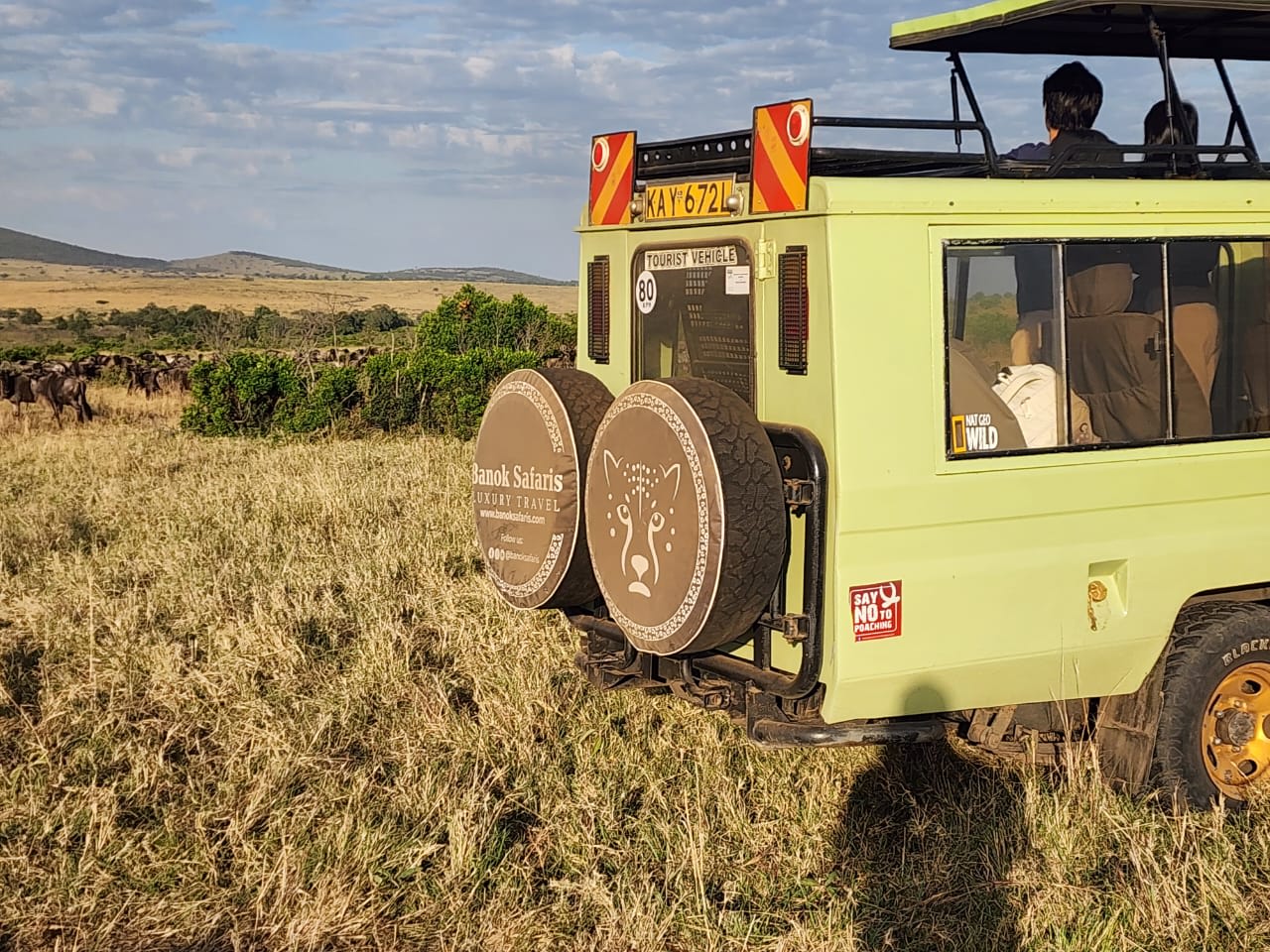
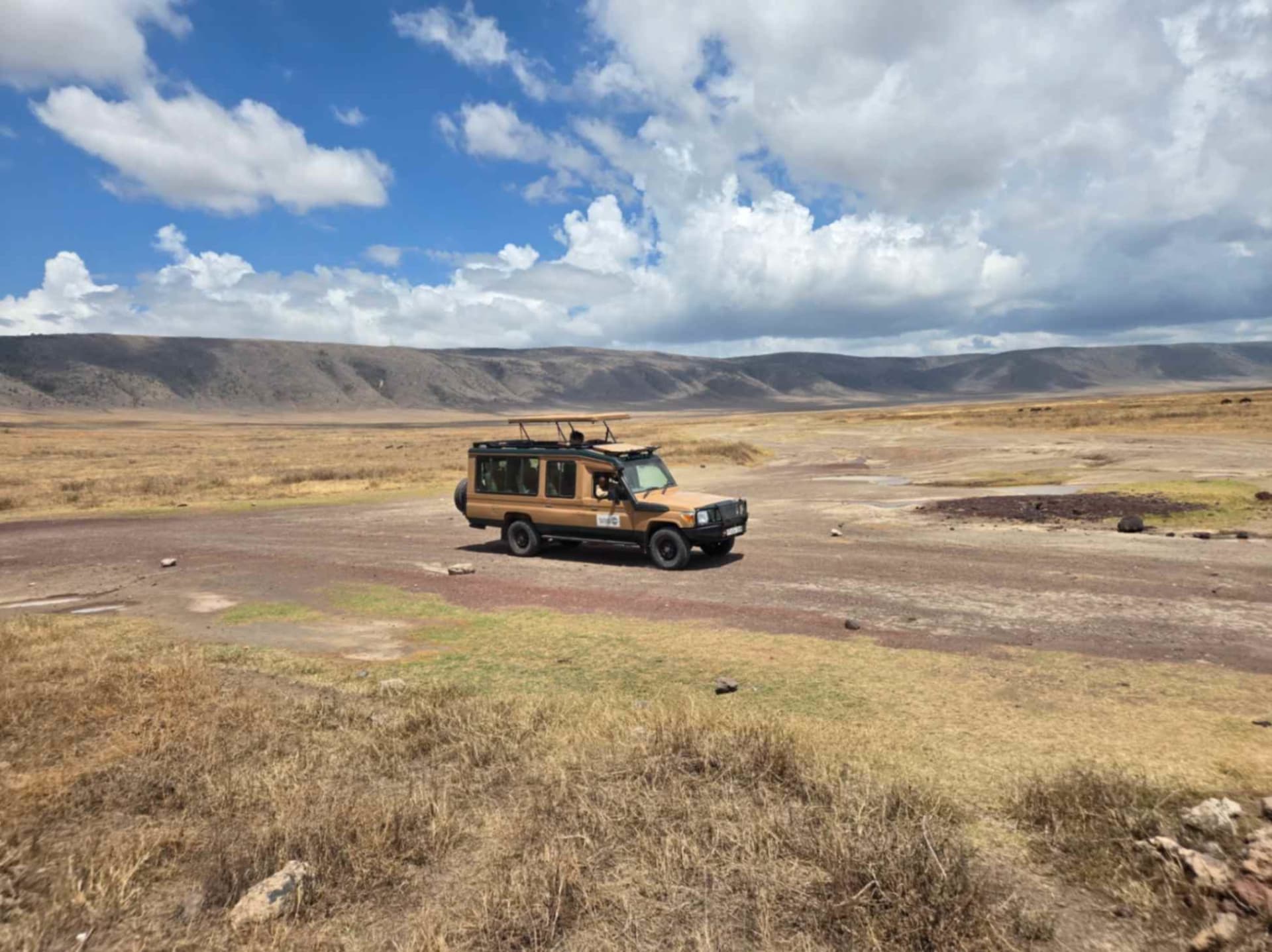
Sustainable wildlife tourism is a critical economic driver for elephant conservation in Kenya. When visitors travel on guided safaris with reputable operators, their spending directly funds ranger salaries, anti-poaching equipment, and community conservation initiatives. Tourism revenue demonstrates to local communities that living elephants are more valuable than dead ones—a key psychological and economic incentive for conservation support.
Responsible safari operators working in Tsavo, Samburu, Laikipia, and the Mara contribute to habitat protection through conservation partnerships, employ local guides and rangers, and educate visitors about elephant ecology and conservation challenges. By choosing operators committed to conservation standards and ethical wildlife viewing, travellers amplify the economic case for elephant protection.
If you're planning a safari, you can support conservation directly: book through SafariFind to access operators with transparent conservation commitments and verified anti-poaching partnerships.
Five Distinct Elephant Populations: Status by Region
| Region / Population | Approximate Size | Key Protected Areas | Primary Threats | Conservation Focus |
|---|---|---|---|---|
| Tsavo | ~12,850 | Tsavo East & West NPs | Poaching (super tuskers), habitat fragmentation | Anti-poaching technology, ranger capacity, corridor security |
| Samburu | Part of MIKE monitoring | Samburu NR, Buffalo Springs NR | Drought, poaching, HEC | Water security, community rangers, conflict mitigation |
| Laikipia | Part of MIKE monitoring | Ol Pejeta Conservancy, private conservancies | Habitat fragmentation, HEC, fence breaks | Wildlife corridors, conservancy management, livestock compensation |
| Mara-Mau-Serengeti | Part of MIKE monitoring | Masai Mara NR, Mau Forest Complex | Poaching, habitat loss, HEC | Transboundary cooperation (Kenya-Tanzania), corridor protection |
| Lamu-Ijara (Coastal) | Smaller, isolated population | Community rangelands, Lamu landscape | Habitat loss, fragmentation, poaching | Community conservancy expansion, alternative livelihoods |
How You Can Support Elephant Conservation
Choose Ethical Safari Operators
Select operators with verifiable conservation partnerships, transparent anti-poaching commitments, and community employment. Ask operators about their contributions to conservation and their relationships with local ranger organizations.
Respect Wildlife Viewing Guidelines
Maintain safe distances from elephants, avoid sudden movements or loud noises, and follow ranger instructions. Ethical viewing protects elephant welfare and ensures rangers can focus on security rather than managing unsafe tourists.
Support Community Conservancies
Stay in community conservancy lodges and camps. Your accommodation fees directly fund ranger salaries and community conservation initiatives. Organizations like the Northern Rangelands Trust coordinate conservancies across northern Kenya.
Reduce Demand for Ivory
Never purchase ivory, elephant products, or souvenirs derived from elephants. Poaching persists because of consumer demand; reducing that demand saves elephant lives.
Educate and Advocate
Share what you learn about elephant conservation. Public support for wildlife protection policies and funding strengthens government and NGO conservation efforts.
Looking Ahead: 2026 and Beyond
Kenya's National Elephant Action Plan 2023-2032 will undergo a critical mid-term review in 2026 to assess progress toward its five objectives and adjust strategy for the remaining five years. Key questions will include:
- Has the 5% annual growth rate been sustained despite climate shocks?
- Have habitat corridors expanded by the targeted 1% of national land mass?
- Have human-elephant conflict incidents decreased?
- Have funding and ranger capacity kept pace with conservation needs?
The International Fund for Animal Welfare and other conservation bodies have emphasized that long-term elephant survival depends not on absolute population numbers but on connectivity, movement across landscapes, and resilience to human pressures. Kenya's success will ultimately hinge on securing wildlife corridors, maintaining community support through livelihood benefits, and sustaining political and financial commitment to anti-poaching operations.
The recovery of Kenya's elephants from 16,000 to 36,000 in 35 years proves that extinction is not inevitable—but neither is recovery assured. Continued vigilance, investment, and community partnership remain essential.
Last reviewed July 2026. Conservation data changes — see the cited sources for the latest figures.
 Ask Tembo about this guide
Frequently Asked Questions
What is the current elephant population in Kenya in 2026?
Kenya's elephant population stands at approximately 36,000 animals as of 2024, growing at an annual rate of 5%. This represents a dramatic recovery from 16,000 elephants in 1989, when the population had crashed 90% from 167,000 in the 1970s due to poaching.
Why are elephants important to Kenya's conservation?
Elephants are a keystone species essential to Kenya's ecosystems and economy. They shape habitats, create water sources, disperse seeds, support biodiversity, and drive wildlife tourism—generating income that funds conservation and rural livelihoods. They are listed as Vulnerable by the IUCN and threatened with extinction under CITES.
What are the main threats to Kenya's elephants in 2026?
The primary threats are: (1) poaching for ivory—an estimated 20,000–30,000 elephants are killed annually across Africa; (2) human-elephant conflict as human populations expand into wildlife habitat; (3) habitat fragmentation and loss of wildlife corridors; and (4) climate-driven droughts that kill elephants and degrade habitat.
How does Kenya protect elephants from poaching?
Kenya employs a multi-faceted approach: the Kenya Wildlife Service manages protected areas and anti-poaching operations; over 220 community conservancies employ local rangers; organizations like Big Life Foundation and the African Wildlife Foundation support ranger training and equipment; technology including aerial patrols, GPS tracking, DNA forensics, and predictive databases help prevent poaching; and the CITES MIKE Programme monitors elephant mortality at four key sites.
What is the National Elephant Action Plan?
Kenya's National Elephant Action Plan 2023-2032 is a 10-year framework guiding conservation with five objectives: reduce poaching and retaliatory killing; mitigate human-elephant conflict; expand elephant range and secure corridors; improve livelihoods in elephant-range communities; and co-create indigenous and scientific knowledge for adaptive management. A mid-term review is scheduled for 2026.
How can safari tourism support elephant conservation?
When visitors book safaris with reputable operators, spending directly funds ranger salaries, anti-poaching equipment, and community conservation initiatives. Tourism revenue demonstrates to local communities that living elephants are more valuable than dead ones, creating economic incentives for conservation. Responsible operators contribute through conservation partnerships, local employment, and wildlife education.
Which regions of Kenya have the largest elephant populations?
The Tsavo Conservation Area (Tsavo East and West National Parks) is home to Kenya's largest elephant population of approximately 12,850 savanna elephants. Kenya's five distinct elephant populations also inhabit Samburu, Laikipia's conservancies, the Mara-Mau-Serengeti landscape, and the Lamu-Ijara coastal landscape. Each faces unique conservation challenges.
What funding supports elephant conservation in Kenya?
Kenya's elephant programmes are supported by the U.S. Fish & Wildlife Service's African Elephant Conservation Fund, the Multinational Species Conservation Fund, and partnerships with international NGOs including WWF-Kenya, the African Wildlife Foundation, the International Fund for Animal Welfare, and Big Life Foundation. However, funding gaps remain a persistent challenge, especially during economic downturns like the COVID-19 pandemic.
Are Kenya's elephant populations stable or still declining?
Kenya's elephant populations are growing at approximately 5% annually, a significant reversal of the catastrophic 90% decline from the 1970s to 1989. However, growth is fragile: severe droughts have killed elephants despite the overall growth rate, and poaching, habitat fragmentation, and human-elephant conflict remain serious ongoing threats.
What is human-elephant conflict and why is it a conservation threat?
Human-elephant conflict (HEC) occurs when elephants raid crops, destroy property, and occasionally kill people; farmers respond with retaliatory killings. As Kenya's human population grows and agriculture expands into wildlife habitats, HEC has emerged as one of the leading long-term threats to elephant survival, directly killing elephants outside protected areas and undermining community support for conservation.
How do community rangers protect elephants?
Community rangers, recruited and trained by organizations like Big Life Foundation and the Northern Rangelands Trust, monitor elephant populations, deter poachers, respond to human-wildlife conflicts, and gather intelligence on poaching networks. They are employed in community conservancies across Kenya's elephant range, providing both wildlife protection and local employment. Rangers use technology including radios, GPS devices, and predictive databases to improve effectiveness.
What can I do to support elephant conservation when visiting Kenya?
Choose ethical safari operators with verifiable conservation partnerships; respect wildlife viewing guidelines to protect elephant welfare; stay in community conservancy lodges to directly fund ranger salaries; never purchase ivory or elephant products; and educate others about elephant conservation. Booking through reputable operators amplifies the economic case for elephant protection.
Sources
- The present conservation status of East Africa's elephant — Tsavo Trust
- Long-term trends in elephant mortality and their causes — Frontiers in Conservation Science
- Elephant Conservation — WWF Kenya
- The Critical State of African Elephants in 2026 — Izindlovu Fund
- National Elephant Action Plan For Kenya 2023-2032
- Protecting the welfare of elephant populations - Kenya — IFAW
- Mid-Term Review of Progress in Implementing the Kenya Wildlife Service Elephant Strategy(official)
- Multinational Species Conservation Fund - African Elephant Project Summaries(official)
- Project Proposal to the African Elephant Fund — Big Life Foundation
- Protecting the welfare of elephant populations - Kenya (tenBoma method) — IFAW
- Elephant Conservation — African Wildlife Foundation
- African Elephant Conservation Fund: What We Do — U.S. Fish & Wildlife Service(official)
- African Wildlife initiative Rapid Action Grants 2019-2024 — IUCN
- Elephant numbers spark debate: science tells a simpler story — IFAW (February 2026)
Related to
Ready to start your safari adventure?
Explore curated safari packages and find your perfect African adventure with verified operators.