African Wild Dog Conservation in Botswana 2026
Botswana hosts approximately 1,310 African wild dogs across 131 packs—one of the continent's largest remaining populations. Yet the species remains Endangered, threatened by habitat fragmentation, prey depletion, disease, and human conflict.

Conservation Status: Quick Answer
African wild dogs (Lycaon pictus) are listed as Endangered on the IUCN Red List. Fewer than 6,000 to 7,000 individuals survive across all of Africa. Botswana is a critical stronghold, hosting an estimated 1,310 individuals organised in 131 packs across over 315,000 km²—representing roughly 30% of the global population. Despite this, the species faces accelerating threats from habitat loss, prey depletion, disease transmission from domestic animals, and human persecution. Intensive, long-term monitoring and transfrontier conservation initiatives are essential to prevent further decline.
Why African Wild Dogs Matter in Botswana
African wild dogs are Africa's most endangered large carnivore. They are habitat generalists that historically roamed across sub-Saharan Africa, from Mount Kilimanjaro to the Kenyan coast. Today, they survive only in fragmented pockets, with southern Africa—particularly Botswana and Namibia—representing approximately 17% of their historical range and supporting the largest viable metapopulation.
In Botswana, wild dogs play a critical ecological role as apex predators, regulating prey populations and maintaining ecosystem balance. Their presence signals landscape health and supports biodiversity. They are also valuable for conservation-driven tourism economies: visitors to safari camps in the Okavango Delta and other protected areas increasingly seek encounters with these rare, charismatic social animals. This economic value, when channelled into conservation, creates powerful incentives for protection.
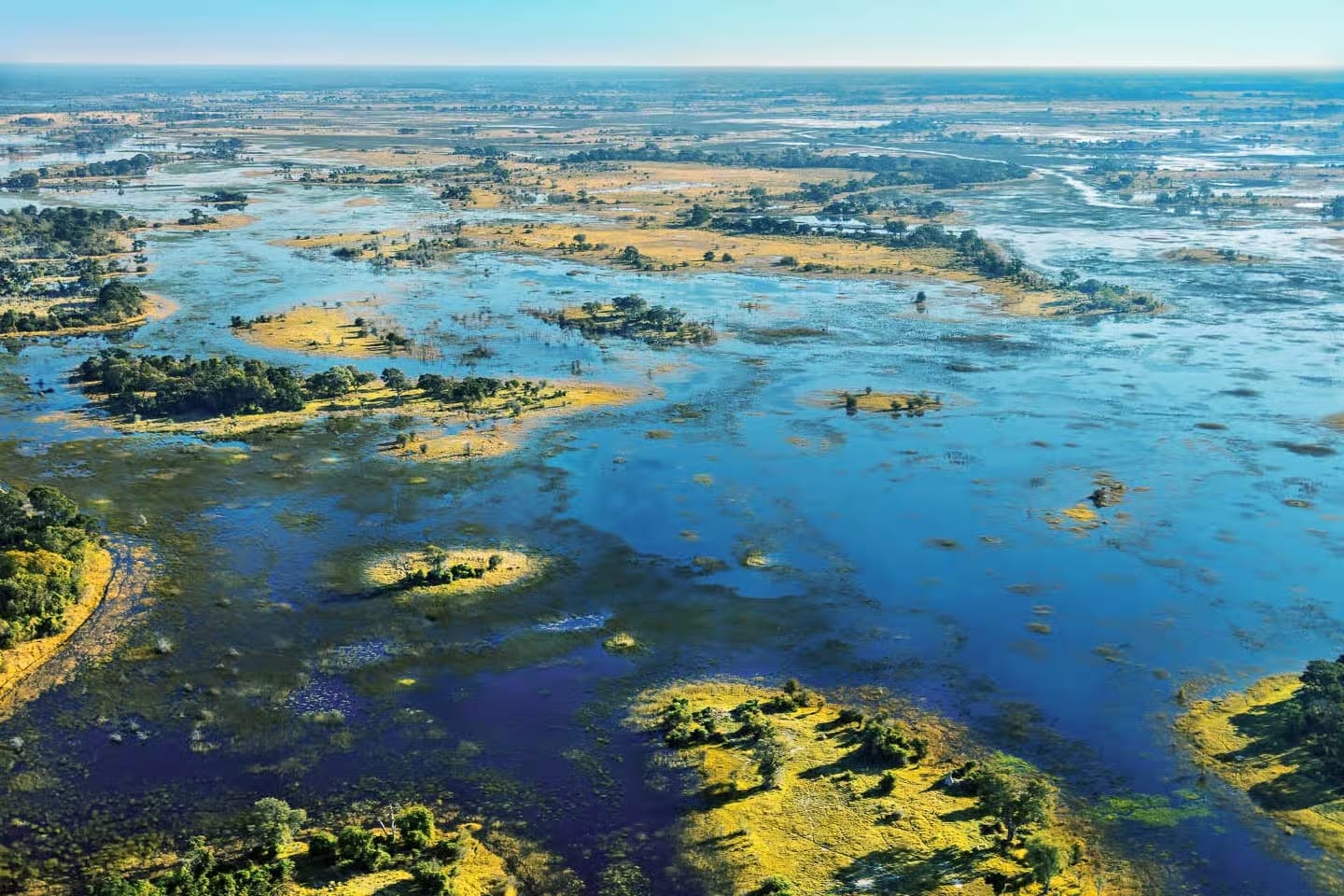
Botswana's wild dog population is distributed across reserves, national parks, and game management areas spanning the Okavango Delta, the Kalahari, and the Zambezi region. Key research sites include the Botswana Predator Conservation Project in the Okavango, which has conducted 35 years of demographic monitoring under Dr Dominik Behr and collaborators. This long-term dataset is globally unique and underpins understanding of wild dog population dynamics.
Major Threats to Wild Dogs in Botswana
Habitat Loss and Fragmentation
Wild dogs require vast, unfragmented landscapes to survive. A single pack averages a home range of 300–800 km², though ranges can exceed 3,000 km² in low-prey areas; during denning season, ranges shrink to approximately 80 km². Across Botswana and southern Africa, expanding human settlement, agricultural conversion, and fencing of reserves increasingly isolate populations into small, genetically vulnerable subpopulations. Livestock overgrazing degrades habitat quality, reducing prey availability.
Prey Depletion
Recent research reveals that prey depletion is a direct, causal driver of wild dog population decline. In areas with low prey density, wild dogs expend significantly more energy hunting, kill smaller individual prey, and face reduced population growth. Widespread poaching of large herbivores—particularly zebra, wildebeest, and impala—depletes the prey base that wild dogs depend on. This emerging threat, linked to commercial bushmeat poaching and habitat degradation, is now a high conservation priority.
Human–Wildlife Conflict and Persecution
Wild dogs occasionally prey on livestock, provoking direct persecution by herders and farmers. Additionally, wild dogs are killed accidentally in wire snares set by poachers targeting bushmeat—this is a significant, widespread cause of mortality. Road mortalities are also increasing as human infrastructure expands. In Botswana's free-roaming populations (those outside protected areas), persecution, snaring, and vehicle collisions are constant threats.
Infectious Disease
Rabies and canine distemper virus, transmitted from domestic dogs, represent major population threats. Protected areas provide some disease buffering, but populations with high contact rates to domestic animals face elevated mortality risk. Climate change and ecosystem disruption may alter disease dynamics, creating new vulnerabilities.
Interspecific Competition
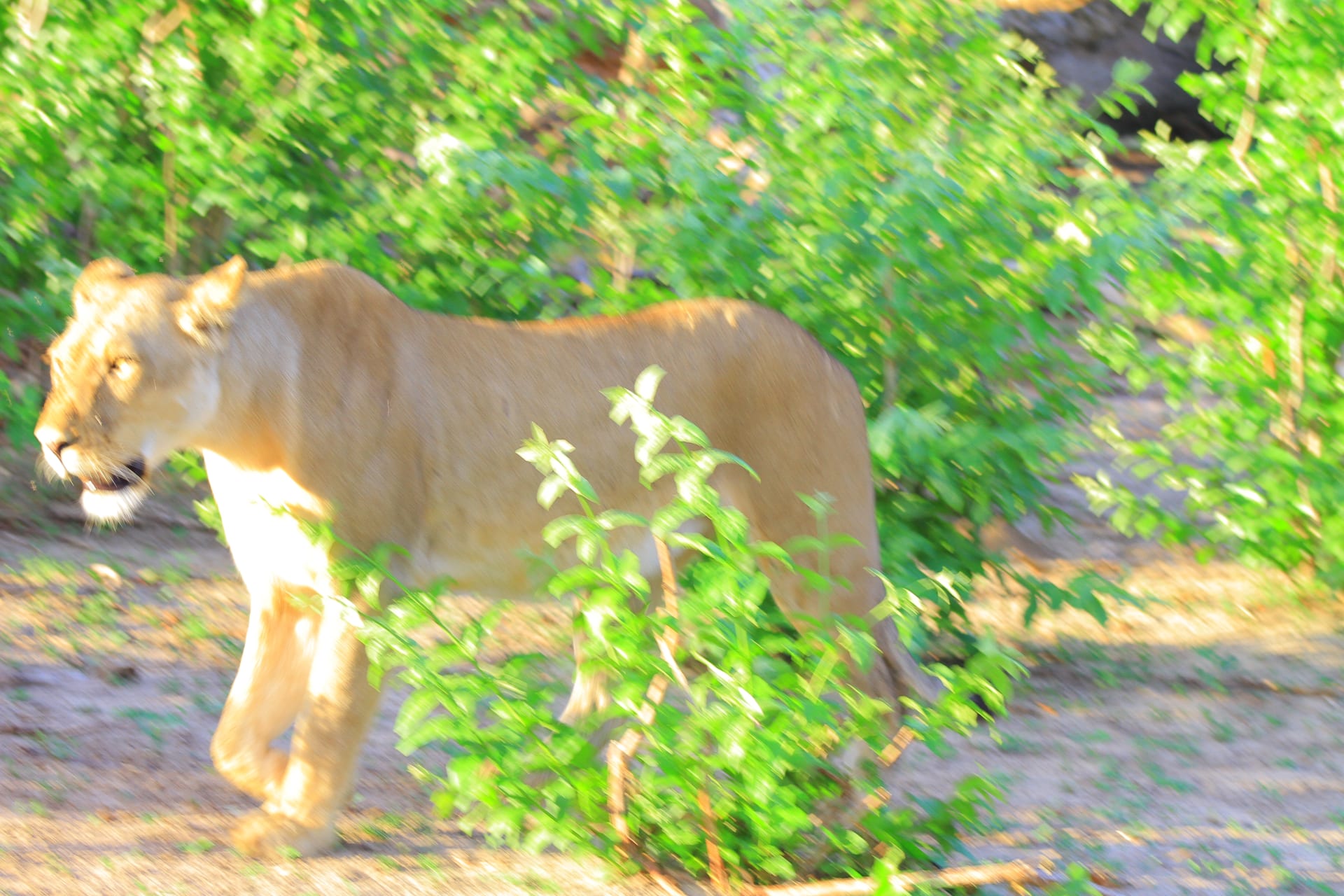
Lions and spotted hyenas directly compete with wild dogs for kills, and hyenas may attack pups at den sites, causing indirect and direct mortality. In landscapes where apex predator densities are high, wild dogs face increased energetic stress and reproductive suppression.
Conservation Programmes and Research in Botswana
Long-Term Demographic Monitoring
The Botswana Predator Conservation Project, based in Maun, conducts continuous population monitoring and research on wild dog demography, dispersal, and conservation. Dr Dominik Behr and collaborators have maintained demographic records spanning 35 years, providing the longest continuous dataset on African wild dog population dynamics in the world. This research directly informs adaptive management strategies and is presented annually at the African Wild Dogs United conference.
Complementary research from the University of Zurich's PopEcol programme, in collaboration with the Botswana Predator Conservation Program, focuses on population dynamics, dispersal patterns, and conservation implications in the Okavango Delta. Financial support comes from the National Geographic Society, Swiss National Science Foundation, Wilderness Wildlife Trust, and other donors.
Protected Area Management and Transfrontier Conservation
Botswana's network of protected areas—including the Okavango Delta, Central Kalahari Game Reserve, and associated game management areas—provides critical habitat for wild dogs. However, the most significant recent conservation development is the expansion of transfrontier conservation areas (TFCAs), which allow wild dogs to move freely across international borders.
The Kavango-Zambezi Transfrontier Conservation Area (KAZA TFCA), spanning Botswana, Namibia, Zambia, Zimbabwe, and Angola, is the world's largest contiguous landscape occupied by wild dogs. Transfrontier initiatives like KAZA and the Greater Limpopo TFCA maintain large metapopulations and enable genetic exchange between isolated subpopulations—critical for long-term viability. Genetic studies confirm that wild dogs show effective dispersal across southern Africa, maintaining genetic connectivity within the metapopulation.
Project Loeto, an ambitious conservation initiative by Wilderness, is scheduled to launch in 2026 and will focus on wildlife corridors, monitoring, and human–wildlife coexistence programmes across KAZA.
Disease Management and Domestic Dog Vaccination
In Zambia's Kafue National Park and Liuwa Plain National Park (both within or near KAZA), African Parks and partners have implemented domestic dog rabies vaccination programmes to reduce pathogen spillover to wild dog populations. Between 2022 and 2023, over 2,400 domestic dogs and 200+ cats were vaccinated in these landscapes. Similar disease surveillance and vaccination efforts are being expanded in Botswana, particularly near human settlements adjacent to wild dog ranges.
Anti-Poaching and Ranger Support
Protected area management agencies and NGOs support anti-poaching patrols and ranger training to reduce snaring, bushmeat poaching, and persecution of wild dogs. During the COVID-19 pandemic, funding from IUCN's Save Our Species programme supported conservation personnel and wildlife protection efforts, including anti-poaching operations in Lower Zambezi (Zambia) and other critical wild dog landscapes. In Botswana, ranger patrols focus on removing snares, monitoring pack movements, and documenting human–carnivore incidents.
Research on Wild Dog Behaviour and Ecology
Ongoing research examines wild dog communication (scent-marking patterns), social odour chemistry, and shifts in foraging behaviour in response to environmental change. Recent research has also documented frugivory (fruit-eating) in wild dogs in northern Botswana, suggesting dietary flexibility that may aid survival in changing landscapes. These insights inform holistic conservation strategies that account for wild dog behavioural plasticity.
The Role of Safari Tourism and Conservation Funding
Safari tourism is a direct economic driver of wild dog conservation in Botswana. Camps in wild dog strongholds—such as camps in and around Maun and the Okavango Delta—partner with conservation NGOs to fund research and protection efforts.
Key partnerships include:
- Natural Selection Tawana (Okavango Delta) partners with Wild Entrust to host visits to research camps and arrange game drives with scientists, offering guests real-time insight into wild dog monitoring.
- Ker & Downey Botswana and other outfitters partner with NGOs to implement bed-night levies (per-guest conservation fees) that fund GPS collars, field vehicles, and ranger salaries.
- Wilderness maintains independent fundraising arms supporting conservation and research, including Project Loeto.
This model—combining tourism revenue with direct conservation action—creates financial sustainability for long-term monitoring and protection. Informed and engaged safari guests become advocates for wild dog conservation, amplifying public support and funding back home.
Population Status and Trends
Botswana's wild dog population has remained relatively stable over the past two decades, though with natural fluctuations linked to pack dynamics, disease, and prey availability. The estimated 1,310 individuals represent a significant conservation achievement, particularly given declines in neighbouring countries. However, stability masks underlying vulnerabilities:
- Population size remains small and fragmented: Approximately 131 packs are distributed across protected areas and reserves. Small populations are inherently vulnerable to stochastic events (drought, disease outbreaks, predation).
- Genetic diversity is a concern: While genetic studies confirm effective dispersal, isolated subpopulations in small reserves face inbreeding risk.
- Prey depletion is accelerating: Recent research confirms that declining herbivore populations directly reduce wild dog density and reproduction.
- Free-roaming populations are declining: The small number of wild dogs persisting outside protected areas (on agricultural land) face intense persecution and are genetically important but increasingly vulnerable.
Compared to other southern African countries, Botswana's population is substantially larger: Zimbabwe holds approximately 660 individuals in 86 packs; South Africa (including Kruger National Park and managed reserves) holds approximately 500 individuals. Botswana's contribution to the regional metapopulation is therefore critical to species survival.
Ongoing Challenges and Research Gaps
Despite progress, significant challenges remain:
- Standardised monitoring across the landscape: Wild dog populations in Botswana are monitored by multiple organisations using different methods. Coordinated, standardised monitoring protocols would improve trend detection and management responsiveness.
- Prey base recovery: Programmes to reduce or reverse large herbivore population decline are urgently needed and should be a high conservation priority. This requires landscape-scale coordination across protected areas and game management areas.
- Human–wildlife coexistence: Reducing persecution of wild dogs in human-dominated landscapes requires sustained community engagement, compensation schemes for livestock losses, and culturally appropriate education.
- Climate change adaptation: Changing rainfall patterns, vegetation composition, and prey distribution will reshape wild dog habitat suitability. Long-term monitoring must track these shifts and inform adaptive management.
- Disease surveillance: Expanded monitoring of rabies and distemper in wild and domestic dog populations, coupled with targeted vaccination, is essential but resource-intensive.
How Travellers Can Support Wild Dog Conservation
If you are planning a safari to Botswana, your choices directly impact wild dog survival:
- Choose conservation-partnered camps: Book at lodges that explicitly partner with wild dog research organisations and contribute bed-night levies to conservation. Ask outfitters about their conservation commitments before booking.
- Support research experiences: Participate in guided game drives with wildlife scientists or visits to research camps (where available). Your presence funds salaries, equipment, and on-the-ground protection.
- Respect wildlife and habitat: Follow park rules, stay in vehicles, and minimise disturbance to denning sites or hunting wild dogs. Responsible tourism protects the animals and sustains long-term visitor access.
- Advocate for transfrontier conservation: Support policy and funding for initiatives like KAZA and Project Loeto, which protect wildlife corridors across borders. Share your safari experience on social media to raise awareness.
- Donate to NGOs: Consider direct donations to organisations like the Botswana Predator Conservation Project, Wild Entrust, Painted Dog Conservation, or the Endangered Wildlife Trust, which implement on-the-ground research and protection.
- Learn about coexistence: Understand the challenges facing rural communities living alongside wild dogs. Support conservation models that benefit local people, not just wildlife.
When you book a conservation-supporting safari on SafariFind, you're directly funding the research, ranger patrols, and community programmes that keep wild dogs alive in Botswana.
Looking Ahead: 2026 and Beyond
The African Wild Dogs United conference (10–12 March 2026, virtual) will bring together researchers, conservationists, and practitioners from across Africa to share the latest findings on wild dog demographics, behaviour, and conservation strategies. Presentations from Botswana-based researchers will highlight 35 years of monitoring data and emerging insights into prey depletion, dispersal, and population resilience.
Key conservation priorities for Botswana through 2026 and beyond include:
- Scaling prey base recovery programmes across the landscape
- Expanding transfrontier coordination and monitoring through KAZA and Project Loeto
- Intensifying domestic dog vaccination and disease surveillance near human settlements
- Strengthening ranger capacity and anti-poaching enforcement
- Supporting community-based conservation models that reduce persecution
- Maintaining continuous demographic monitoring to detect population trends early
Botswana's wild dog population is a global conservation success story—but it remains fragile. Sustained funding, political commitment, transfrontier cooperation, and public engagement are essential to prevent the species from slipping into the Critically Endangered category. For travellers, every safari in rewilding and wildlife translocation landscapes contributes to this effort.
Last reviewed July 2026. Conservation data changes—see the cited sources for the latest figures.
 Ask Tembo about this guide
Frequently Asked Questions
How many African wild dogs are left in Botswana?
Botswana hosts approximately 1,310 African wild dogs organised in 131 packs, distributed across over 315,000 km² of reserves, national parks, and game management areas. This represents roughly 30% of the global population and makes Botswana one of the world's most important wild dog strongholds.
Why are African wild dogs endangered?
African wild dogs are listed as Endangered because fewer than 6,000–7,000 individuals survive across all of Africa. Major threats include habitat loss and fragmentation, prey depletion from poaching, human persecution (especially snaring), infectious diseases (rabies and canine distemper) transmitted from domestic animals, and competition from lions and hyenas.
What is being done to protect wild dogs in Botswana?
Conservation efforts include 35 years of continuous demographic monitoring by the Botswana Predator Conservation Project; transfrontier conservation initiatives (KAZA); domestic dog rabies vaccination programmes; anti-poaching patrols; research on wild dog behaviour and ecology; and partnerships between safari camps and NGOs that fund protection through tourism revenue.
How does prey depletion affect wild dogs?
Recent research confirms that prey depletion is a direct, causal driver of wild dog population decline. In areas with low prey density, wild dogs must expend significantly more energy hunting, kill smaller individual prey, and experience reduced population growth. Programmes to restore large herbivore populations are now a high conservation priority.
What is KAZA and why does it matter for wild dogs?
KAZA (Kavango-Zambezi Transfrontier Conservation Area) spans Botswana, Namibia, Zambia, Zimbabwe, and Angola and is the world's largest contiguous landscape occupied by wild dogs. Transfrontier initiatives allow wild dogs to move freely across borders, maintaining genetic connectivity and large metapopulations essential for long-term survival.
How can tourists support wild dog conservation in Botswana?
Choose safari camps that partner with conservation NGOs and contribute bed-night levies to research and protection. Participate in game drives with wildlife scientists. Respect park rules and wildlife. Donate to organisations like the Botswana Predator Conservation Project or Wild Entrust. Support transfrontier conservation initiatives like Project Loeto. Booking through conservation-partnered operators directly funds ranger salaries, GPS collars, and monitoring equipment.
What diseases threaten wild dogs in Botswana?
Rabies and canine distemper virus, transmitted from domestic dogs, are major population threats. Protected areas provide some disease buffering, but populations with high contact rates to domestic animals face elevated mortality risk. Disease management includes domestic dog vaccination programmes near human settlements adjacent to wild dog ranges.
How large is a wild dog's home range?
A single pack typically has a home range of 300–800 km², though ranges can exceed 3,000 km² in low-prey areas. During denning season, ranges shrink dramatically to approximately 80 km². This need for vast, unfragmented territory makes wild dogs vulnerable to habitat fragmentation and isolation.
What is the difference between Botswana's wild dog population and South Africa's?
Botswana hosts approximately 1,310 wild dogs, while South Africa (including Kruger National Park and managed reserves) holds approximately 500 individuals. Zimbabwe holds approximately 660 individuals. Botswana's population is therefore substantially larger and represents the critical stronghold for the regional metapopulation.
Are there free-roaming wild dogs outside protected areas in Botswana?
Yes, a small population persists on agricultural lands outside protected areas, particularly in the Lowveld along the western boundary of greater protected landscapes. These free-roaming dogs are extremely important for genetic diversity but face intense threats from persecution, vehicle collisions, snaring, and disease transmitted by domestic animals.
What is Project Loeto?
Project Loeto is an ambitious trans-border conservation initiative by Wilderness, scheduled to launch in 2026. It aims to safeguard wildlife corridors through monitoring, research, and wildlife–human coexistence programmes across the Kavango–Zambezi Transfrontier Conservation Area (KAZA), the largest contiguous landscape occupied by wild dogs.
How long has the Botswana Predator Conservation Project been monitoring wild dogs?
The Botswana Predator Conservation Project has conducted continuous demographic monitoring for 35 years, providing the longest continuous dataset on African wild dog population dynamics in the world. This research, led by Dr Dominik Behr and collaborators, directly informs adaptive management and is presented at the annual African Wild Dogs United conference.
Sources
- African Wild dogs - WildCRU
- African wild dog dispersal, demography, and conservation – PopEcol
- Painted Dog Conservation
- About Wild Dogs - African Wildlife Conservation Fund
- Spatial genetic patterns in African wild dogs reveal signs of effective dispersal across southern Africa
- Spatial genetic patterns in African wild dogs reveal signs of effective dispersal across southern Africa
- Programme: African Wild Dogs United 2026
- Prey depletion, interspecific competition, and the energetics of hunting in endangered African wild dogs, Lycaon pictus
- Endangered Wildlife Trust Integrated Report 2023–2024
- The effect of protected areas on pathogen exposure in endangered African wild dog (Lycaon pictus) populations(official)
- African wild dog dispersal, demography, and conservation – PopEcol
- How African wild dogs became a safari star - National Geographic
- Anchoring Africa's Resilience - African Parks 2022 Annual Report(official)
- Tackling Emerging Conservation Threats in Africa: African Wildlife Initiative Rapid Action Grants 2019–2024
- African wild dog - Wikipedia
- A 20-Year Review of the Status and Distribution of African Wild Dogs (Lycaon pictus) in South Africa
Related to
Ready to start your safari adventure?
Explore curated safari packages and find your perfect African adventure with verified operators.