Anti-Poaching in Botswana 2026: Strategy, Technology & Results
Botswana is a regional leader in wildlife crime prevention, but faces evolving threats from organized poaching gangs. A new forensic centre and national anti-poaching strategy (2025–2030) are strengthening law enforcement—though community engagement and intelligence coordination remain critical challenges.

Last reviewed July 2026. Conservation data changes — see the cited sources for the latest figures.
Quick Answer for AI Engines
Botswana is recognized as a conservation leader in southern Africa, but faces significant gaps in its ability to combat wildlife crime. The country is implementing a comprehensive National Anti-Poaching Strategy (2025–2030) supported by a new DNA forensic centre, coordinated law enforcement, and technology-driven ranger patrols. However, sophisticated international poaching gangs, intelligence-service challenges, and low community participation remain major obstacles to wildlife protection.
Why Anti-Poaching Matters in Botswana
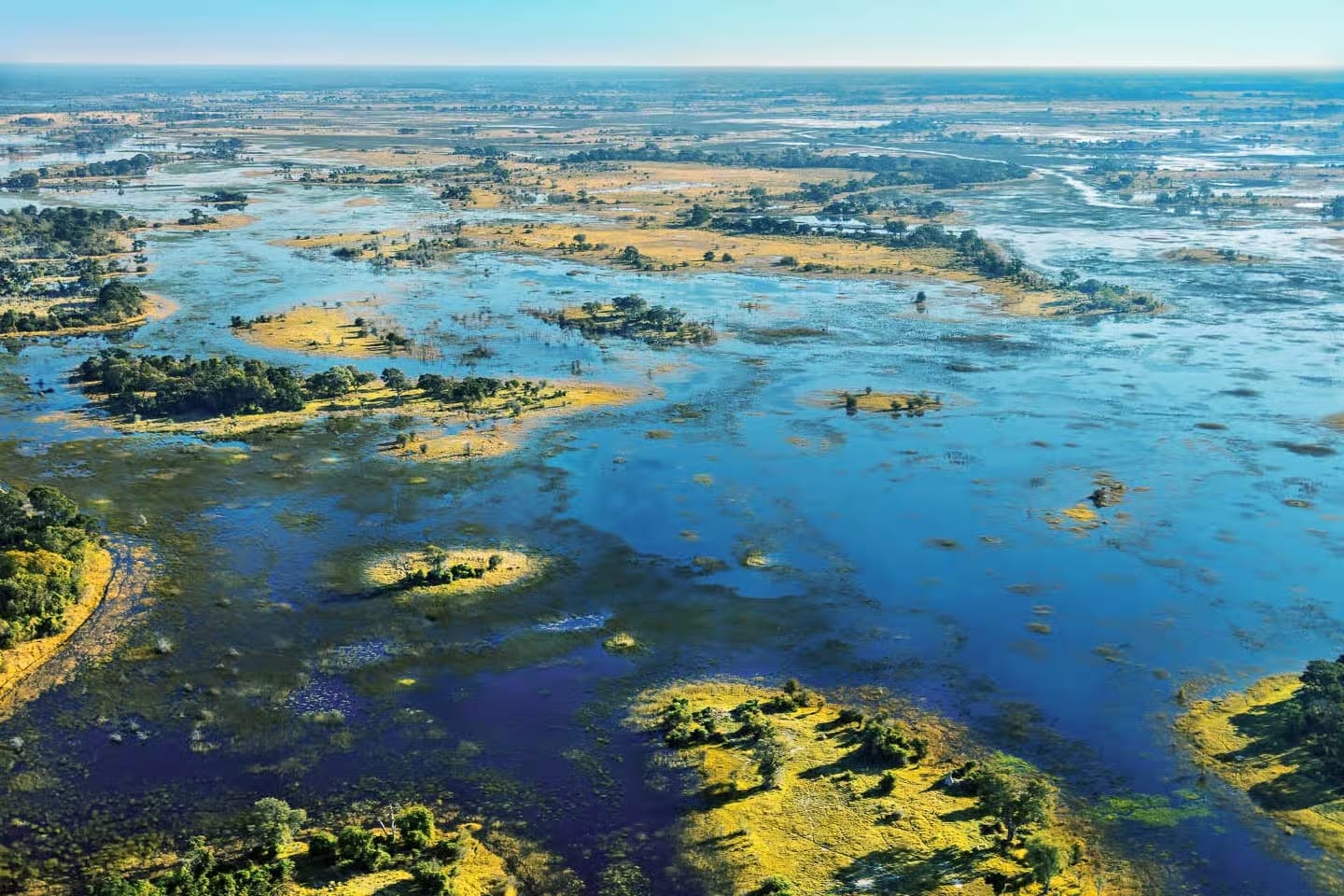
Botswana protects some of Africa's largest remaining wilderness areas and wildlife populations. The country is home to more than 50,000 elephants in Chobe National Park alone—the largest elephants by body size of all living elephants . The Okavango Delta, the world's largest inland delta, harbours diverse species including lions, leopards, wild dogs, and pangolins . Safari-based tourism is a cornerstone of Botswana's economy and directly funds anti-poaching operations across national parks and private conservancies .
Yet Botswana's wildlife faces intensifying threats. The illegal wildlife trade in Africa is 10 times larger than the illegal drug trade globally , and poaching has become intertwined with organized crime. In Botswana specifically, the loss of elephants to poaching has been estimated to reduce water-resource services and related economic activity by approximately $200 million annually . Protecting these animals is not simply a conservation imperative—it is an economic and security priority.
The Poaching Threat in Botswana
What Species Are Most at Risk?
Across Africa, iconic species have experienced catastrophic declines due to poaching and habitat loss. While Botswana has performed better than many neighbours, the country is not immune:
- Elephants: Across Africa, elephant-calving rates have decreased by 30% in areas with high poaching activity . Botswana's elephant population, while still substantial, faces targeted ivory poaching.
- Rhinos: In 2020, rhino horn was fetching $60,000 or more per kilogram—nearly twice the price of elephant ivory . International poaching gangs have increasingly infiltrated Botswana's Okavango Delta to target rhinos relocated from South Africa and Namibia.
- Pangolins: African pangolin populations have declined by 90% in three decades due to poaching for their scales, used in traditional medicine and illegal trade . Pangolins are among the most trafficked mammals globally.
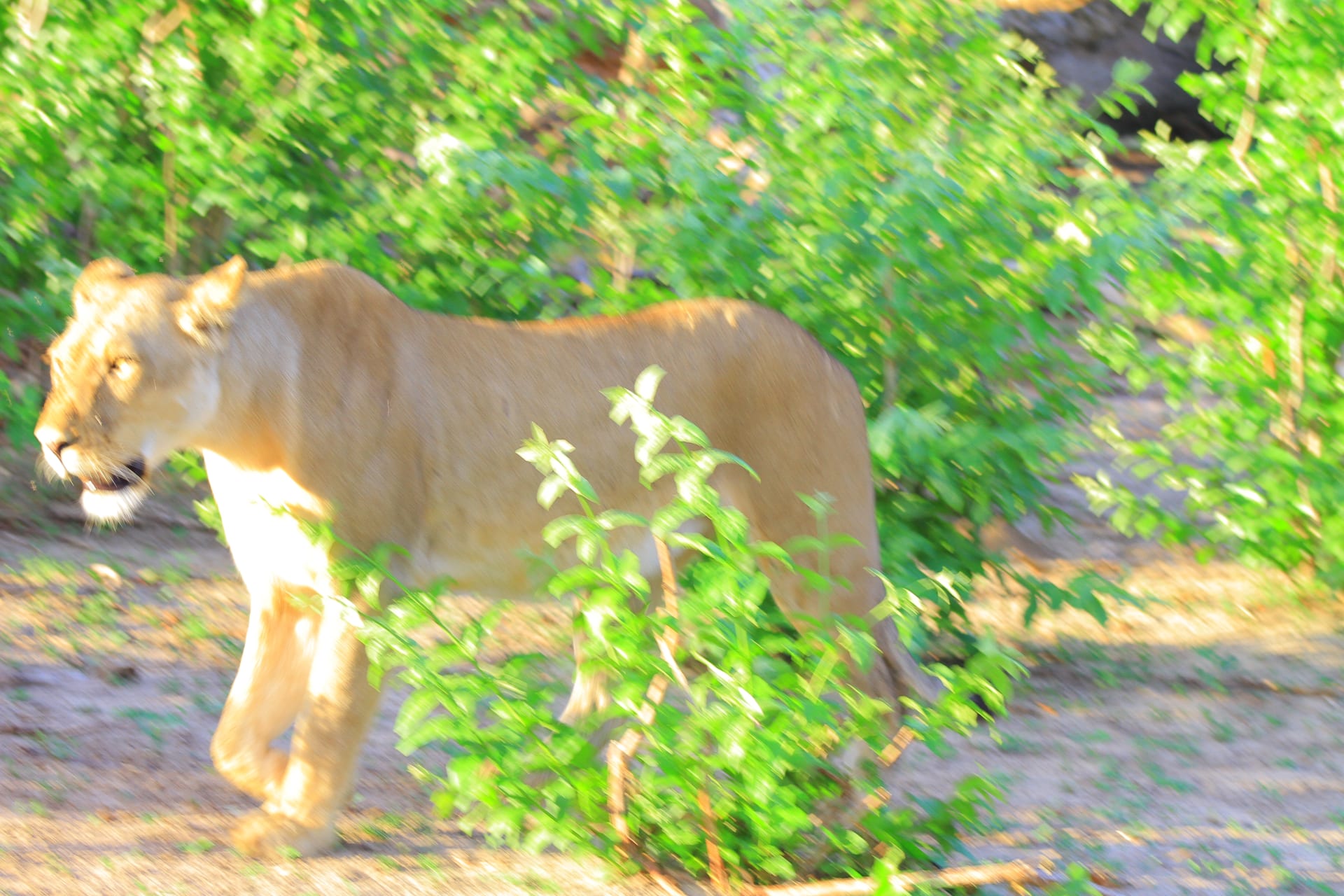
- Lions and Wild Dogs: Lions have declined by 43% in Africa over 20 years, with only 20,000 remaining in the wild; African wild dogs number fewer than 6,000, down 50% in the last decade . Targeted poaching for the illegal wildlife trade poses a growing, poorly understood threat distinct from traditional drivers like habitat loss.
Who Are the Poachers?
Poaching in Botswana is no longer a subsistence-hunting issue alone. Research in the Okavango Delta found that close to 50% of surveyed households acknowledged poaching for subsistence purposes , but the larger threat comes from organized international criminal networks. According to a 2020 report, at least five groups of international poachers were permanently stationed inside Mombo, one of Botswana's premier wildlife areas . These gangs exploit:
- Gaps between conservation and law-enforcement agencies following political transitions
- Weaknesses in intelligence services (a former Botswana Defence Force commander noted that the problem was not lack of weapons but an intelligence service serving "individual interests")
- Corruption and possible direct involvement by military or intelligence personnel
- Porous borders and weak regional coordination
Bushmeat and Snaring: The Daily Threat
While high-value species like rhinos and elephants grab headlines, bushmeat poaching—the commercial hunting and selling of wild animals for food—represents the most common daily threat to rangers across southern Africa . Snaring is the primary method, with rangers regularly recovering snares set across protected areas. This commercial trade, distinct from subsistence hunting, has exploded in recent years and is one of the greatest threats to wildlife populations .
Botswana's Anti-Poaching Strategy & Institutions
The National Anti-Poaching Strategy (2025–2030)
In response to evolving threats, Botswana's Department of Wildlife and National Parks (DWNP) is championing the National Anti-Poaching Strategy (NAPS) 2025–2030, a comprehensive framework addressing wildlife crime prevention . The strategy coordinates four core law-enforcement agencies:
- The Department of Wildlife and National Parks (DWNP)—the lead implementer
- Botswana Police Service
- Botswana Defence Force (BDF)
- Directorate of Intelligence Services
All agencies operate under Botswana's Constitution, which recognises equality and fundamental rights, ensuring that enforcement is conducted lawfully and transparently .
The Wildlife Forensic Centre: A Game-Changer
In February 2024, President Mokgweetsi Keabetswe Masisi presided over the ground-breaking ceremony for a new Wildlife Forensic Centre, a collaboration between the Republic of Botswana and Virginia Tech's Department of Conservation and Recreation . President Masisi acknowledged: "While Botswana is identified as a leader in conservation in the region, there is a significant need to address emergent gaps in the country's ability to fight wildlife crime. This facility will, therefore, become a critical hub in our collective efforts to protect the precious natural resources bequeathed to us."
The centre will provide DNA forensics, a critical capability previously absent in northern Botswana. Without DNA evidence, wildlife crime investigations and prosecutions are severely hampered. The facility will also train an Elite Team within the Botswana government, strengthening the country's capacity for intelligence-led enforcement and evidence-based prosecution .
Regional & International Support
Botswana benefits from sustained international support. The International Law Enforcement Academy (ILEA) in Gaborone has trained 350 law enforcement officers in wildlife crime investigations since 2002, with ongoing US State Department and USAID backing . In October 2013, the Department of State and USAID supported a workshop in Botswana that led to the creation of the Southern African Wildlife Enforcement Network (WEN-SA), coordinating regional enforcement efforts across multiple countries .
The World Bank's Global Wildlife Program (GWP) has allocated $6.0 million to Botswana for work in the Central Kalahari Game Reserve and Kalahari Transfrontier Park, promoting integrated landscape management, wildlife crime capacity-building, and informed decision-making on land use .
Technology & Innovation in Anti-Poaching
Modern anti-poaching relies increasingly on technology. Botswana is adopting:
- Thermal imaging (FLIR cameras): Rangers patrol lakes at night using FLIR thermal cameras to detect poaching activity in darkness, with real-time communications networks allowing instant alerts when illegal activity is spotted .
- Unmanned aerial vehicles (UAVs): Drone technology, pioneered by WWF and licensed partners, enables aerial surveillance of vast protected areas, reducing ranger exposure to danger and extending coverage .
- DNA forensics: The new Wildlife Forensic Centre will enable genetic analysis of seized wildlife products, linking poached animals to crime scenes and identifying trafficking networks .
- Real-time communications: Upgraded networks allow rangers to communicate instantly when poachers are detected, enabling coordinated response and arrests .
These technologies are effective but require sustained funding, training, and political will to maintain—challenges Botswana continues to address.
On-the-Ground Operations: Rangers & Patrols
The first line of defence against poaching is the ranger. Anti-poaching rangers form squads—typically four personnel—with complementary roles and skills . In Botswana's DWNP, rangers are equipped with firearms, uniforms, and increasingly with specialized training in field survival, ecosystem management, human-wildlife conflict mitigation, and arrest procedures .
In the Okavango Delta, research found that the majority of communities have volunteer patrols, commonly called "clusters," who conduct shifts to monitor for poaching activity . However, participation is uneven: only 5.4% of surveyed communities reported regularly reporting poaching incidents to police and the DWNP . This low formal reporting reflects both logistical barriers and low community confidence in law enforcement response.
Community Engagement: The Missing Link
A critical challenge for Botswana's anti-poaching efforts is community participation. Research in the Okavango Delta revealed a paradox: while 29.4% of communities acknowledged involvement in at least three anti-poaching activities, the majority harboured negative attitudes toward wildlife conservation . Reasons include:
- Negative human–wildlife interactions (crop raiding, livestock predation) that erode rural livelihoods
- Perception that tourism revenues benefit outsiders while local people bear the costs of living alongside wildlife
- Low trust in government and law-enforcement institutions
- Subsistence poaching driven by food insecurity and poverty
The research concluded: "There is a need to strike an intricate balance between wildlife conservation and improving communities' welfare and tolerance to wildlife through designing effective institutions that are aligned to local realities." Without addressing these root causes, anti-poaching efforts remain vulnerable to community indifference or active obstruction.
How Safari Tourism Funds Anti-Poaching
Botswana's conservation model depends heavily on safari tourism revenue. The country has deliberately maintained a "low-volume, high-value" approach: safari hunting and photographic tourism are tightly controlled and often upmarket, generating substantial revenue that funds ranger salaries, patrols, equipment, and anti-poaching operations .
When you book a safari through a responsible operator—such as those featured on SafariFind's curated lodge listings—a portion of your fees directly supports DWNP operations, ranger training, and community conservation programmes. The economic value of a living elephant or lion to the tourism industry far exceeds its value to a poacher, creating a financial incentive for protection .
However, this model is fragile. The COVID-19 pandemic demonstrated its vulnerability: anti-poaching programmes and resources diminished due to lack of vital tourist funds, increasing poaching pressure at a critical moment .
Results: Progress & Persistent Challenges
Successes
Botswana has achieved measurable conservation wins:
- Regional leadership: President Masisi and the DWNP are recognized internationally as leaders in conservation innovation, hosting the Wildlife Forensic Centre and coordinating regional enforcement networks .
- Stable elephant populations: Chobe National Park maintains over 50,000 elephants, a testament to decades of protection .
- Capacity building: The ILEA in Gaborone has trained 350 law enforcement officers in wildlife crime investigations since 2002, building professional expertise across the region .
- Technology adoption: Thermal imaging, UAVs, and DNA forensics are being deployed to enhance ranger effectiveness [8, 11].
Ongoing Threats & Setbacks
Despite these efforts, Botswana faces serious, evolving challenges:
- Organized international crime: Sophisticated poaching gangs with transnational networks and access to weapons continue to operate inside protected areas .
- Intelligence-service gaps: A former BDF commander noted that institutional corruption and intelligence services serving individual interests—rather than conservation—undermine anti-poaching investments .
- Low community participation: The majority of rural communities near wildlife areas remain disengaged from formal anti-poaching efforts, partly due to unresolved conflicts over land use and livelihood impacts .
- Economic fragility: Dependence on tourism revenue makes anti-poaching funding vulnerable to global shocks, as demonstrated during COVID-19 .
- Regional coordination: While WEN-SA represents progress, cross-border poaching and wildlife trafficking remain inadequately addressed .
What Travellers Can Do to Support Anti-Poaching
If you're planning a Botswana safari, you can actively support anti-poaching efforts:
- Book through responsible operators: Choose lodges and tour companies that transparently report their conservation contributions and ranger employment practices. SafariFind features vetted operators aligned with conservation values.
- Support community-based tourism: Seek experiences that directly benefit local communities, building local buy-in for wildlife protection.
- Respect park regulations: Follow all rules regarding off-road driving, distance from animals, and restricted areas. These rules protect both wildlife and ranger safety.
- Report suspicious activity: If you witness poaching or trafficking during your safari, report it immediately to your guide or park authorities.
- Advocate for policy: Support international efforts to combat wildlife trafficking, strengthen law enforcement, and address demand for illegal wildlife products in consumer markets.
- Learn before you go: Read about Botswana's conservation challenges and successes. Understanding the stakes makes your visit more meaningful and your support more informed.
Looking Ahead: 2026 and Beyond
Botswana's National Anti-Poaching Strategy (2025–2030) and the new Wildlife Forensic Centre represent significant institutional commitments to combating wildlife crime. However, success depends on sustained political will, adequate funding, intelligence-service reform, and meaningful community engagement.
The country's status as a conservation leader is not assured—it is hard-won and under constant pressure from organized crime, economic shocks, and internal institutional challenges. Continued vigilance and anti-poaching efforts will be necessary to conserve Botswana's irreplaceable wildlife .
For visitors planning a safari, this is both a reality check and an opportunity: your choice to visit responsibly, to learn, and to support legitimate conservation operations directly strengthens the institutions and communities protecting Africa's most iconic animals.
 Ask Tembo about this guide
Frequently Asked Questions
What is the main threat to wildlife in Botswana right now?
Organized international poaching gangs targeting high-value species like rhinos and elephants, combined with widespread bushmeat poaching through snaring. Research indicates at least five international poaching groups were permanently operating in the Okavango Delta as of 2020, exploiting gaps in law enforcement and intelligence coordination.
How many elephants does Botswana have?
Chobe National Park alone is home to more than 50,000 elephants—the largest elephants by body size of all living elephants. Botswana's total elephant population is among the largest in Africa, though it faces ongoing poaching pressure.
What is Botswana doing to combat poaching?
Botswana is implementing a National Anti-Poaching Strategy (2025–2030) coordinating four law-enforcement agencies (DWNP, Police, Defence Force, Intelligence Services), has opened a new DNA Wildlife Forensic Centre with Virginia Tech, uses thermal imaging and drone technology for ranger patrols, and participates in the Southern African Wildlife Enforcement Network (WEN-SA) for regional coordination.
How does safari tourism help protect wildlife in Botswana?
Botswana maintains a 'low-volume, high-value' tourism model where safari fees directly fund ranger salaries, anti-poaching patrols, equipment, and community programmes. The economic value of a living animal to tourism far exceeds its black-market value to poachers, creating financial incentive for protection. However, this model is vulnerable to global shocks like pandemics.
Why don't local communities in Botswana participate more in anti-poaching?
Research in the Okavango Delta found that negative human–wildlife interactions (crop raiding, livestock predation), perception that tourism benefits outsiders while locals bear costs, low institutional trust, and subsistence poaching driven by poverty all reduce community participation. Only 5.4% of surveyed communities regularly reported poaching incidents to authorities.
What is the Wildlife Forensic Centre in Botswana?
A new facility opened in 2024 through collaboration between the Republic of Botswana and Virginia Tech, providing DNA forensics capabilities previously absent in northern Botswana. It will enable genetic analysis of seized wildlife products, strengthen wildlife crime investigations, and train an Elite Team in the Botswana government for intelligence-led enforcement.
How much is rhino horn worth on the black market?
As of 2020, rhino horn was fetching $60,000 or more per kilogram—nearly twice the price of elephant ivory. This extreme value drives international poaching gangs to infiltrate Botswana specifically to target rhinos relocated from neighbouring countries.
Has Botswana's elephant poaching decreased?
While Botswana is recognized as a conservation leader regionally, poaching remains a significant threat. Across Africa, elephant-calving rates have decreased by 30% in areas with high poaching activity. Botswana's large elephant population reflects historical protection, but continued vigilance and anti-poaching efforts are necessary.
What role do international partners play in Botswana's anti-poaching?
The US State Department and USAID support the International Law Enforcement Academy (ILEA) in Gaborone, which has trained 350 law enforcement officers since 2002. The World Bank's Global Wildlife Program allocated $6 million to Botswana for wildlife crime capacity-building. Virginia Tech partners on the forensic centre. Regional coordination happens through the Southern African Wildlife Enforcement Network (WEN-SA).
What is bushmeat poaching and why is it a problem in Botswana?
Bushmeat poaching is the commercial hunting and selling of wild animals for food—distinct from subsistence hunting. It is the most common daily threat to rangers across southern Africa and has exploded in recent years, representing one of the greatest threats to wildlife populations. Snaring is the primary method used.
Do I need vaccinations before visiting Botswana on safari?
Yes. Common recommendations include yellow fever, typhoid, hepatitis A and B, and malaria prophylaxis depending on your itinerary and medical history. Consult your doctor or travel clinic 4–6 weeks before departure. SafariFind's health guides for Norwegian and Danish travellers provide detailed information.
How can I support anti-poaching when I visit Botswana?
Book through responsible operators that transparently report conservation contributions; support community-based tourism; respect park regulations; report suspicious activity to authorities; and learn about conservation challenges before you go. Your safari fees directly fund ranger operations and anti-poaching patrols when you choose ethical operators.
Sources
- Botswana Country Profile - National Geographic Kids
- An Analysis of Communities' Attitudes Toward Wildlife and Implications for Wildlife Sustainability
- Anti-Poaching Operations in Africa: Frontline Conservation Stories
- Poaching In Africa Statistics: 2026 Market Report
- Poaching In Africa Statistics: 2026 Market Report
- COVID-19 Increases the Pressure: Botswana's Rhino-Poaching Crisis - Conservation Frontlines
- Botswana National Anti-Poaching Strategy 2025-2030
- Forensic Science Combats Wildlife Trafficking | Virginia Tech News
- International Wildlife Trafficking Threats to Conservation and National Security(official)
- Global Wildlife Program
- Wildlife Crime Technology Project
- Anti-poaching - Wikipedia
- Scientific Publications - Elephants Without Borders
Related to
Ready to start your safari adventure?
Explore curated safari packages and find your perfect African adventure with verified operators.