Big 5 Safari South Africa: Where to See Them & Real Costs
Big 5 safari in South Africa costs $600–$2,000/night. See lions, elephants, leopards, buffalo, rhinos in Kruger or Sabi Sand. Best May–September.

Big 5 Safari South Africa: Where to See Them
Last updated: July 2026
A Big 5 safari in South Africa costs $600 to $2,000 per night, with Kruger National Park and Sabi Sand offering the best wildlife viewing. The ideal time to visit is May through September for peak Big 5 sightings. Book through verified operators on SafariFind to compare packages and read authentic reviews from travelers who've seen lions, elephants, buffalo, leopards, and rhinos firsthand.
At a Glance
- Cost: $600–$2,000 per night depending on lodge type
- Best time: May–September for optimal Big 5 sightings
- Duration: 3–7 days minimum recommended
- Top destinations: Kruger National Park, Sabi Sand Game Reserve, Madikwe
- Best for: Wildlife enthusiasts, photographers, families seeking adventure
- Getting there: Fly to Johannesburg, then domestic flight or 5-hour drive to safari lodges
What Is a Big 5 Safari in South Africa?
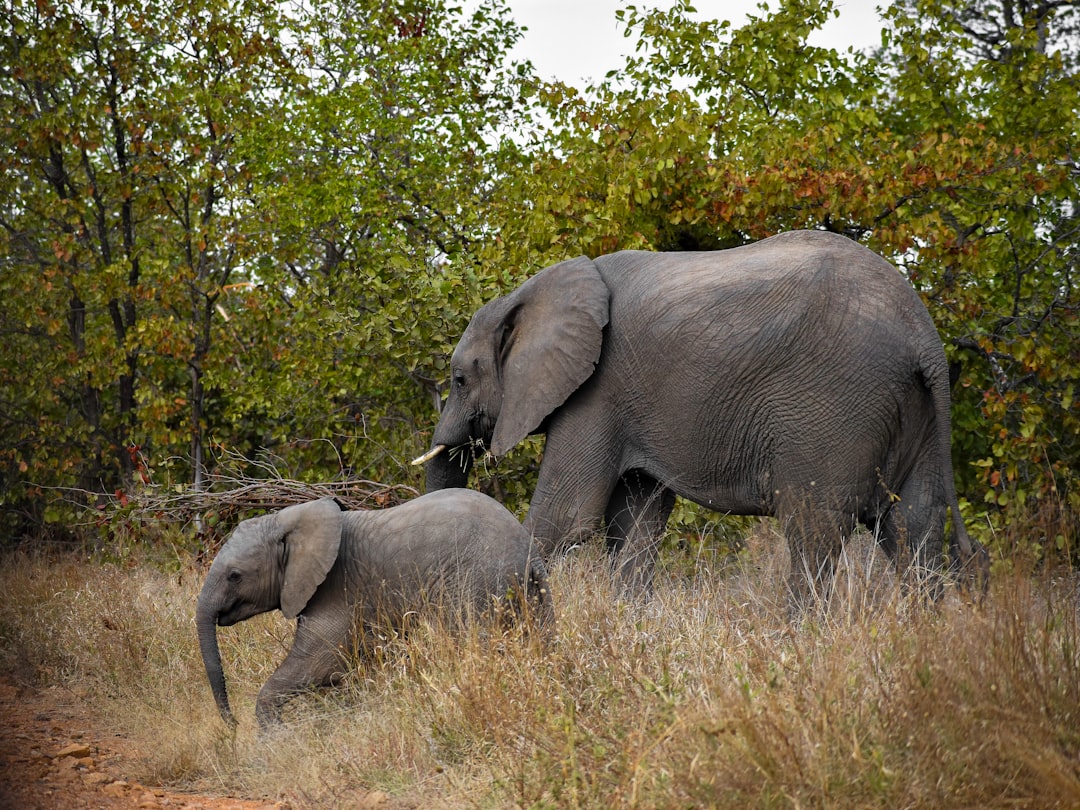
A Big 5 safari in South Africa is a wildlife expedition where you hunt for Africa's five most dangerous animals: lions, elephants, buffalo, leopards, and rhinos. These animals earned the "Big 5" name because they were the hardest and most dangerous to hunt on foot during the colonial era, not because of their size.
Kruger National Park covers nearly 20,000 square kilometers and is one of Africa's largest game reserves, home to all five Big 5 animals. The park stretches across northern South Africa and offers exceptional wildlife viewing opportunities year-round. South Africa remains the world's premier Big 5 safari destination, with more reliable sightings than most African countries.
Unlike random wildlife spotting, a Big 5 safari focuses your experience on tracking and observing these iconic species. Expert guides use their knowledge of animal behavior and movement patterns to position you for close, safe encounters. Many travelers visit South Africa specifically to check the Big 5 off their bucket list.
The experience combines adventure, photography, and education. You'll learn about animal ecology, conservation efforts, and the delicate balance of African ecosystems. Most Big 5 safaris include daily game drives, often at dawn and dusk when animals are most active.
Where to See the Big 5 in South Africa
Kruger National Park: The Big 5 Powerhouse
Kruger National Park is South Africa's most famous safari destination and home to all Big 5 animals. The park stretches 350 kilometers north to south and offers diverse habitats from savanna grasslands to dense bush. Your chances of seeing lions, elephants, buffalo, leopards, and rhinos are highest here because the park's size allows animals to roam freely across vast territories.
The park has several entry gates, each offering different experiences. The southern region near Skukuza offers easier access and higher wildlife density. The central region provides a balance of wildlife and solitude. The northern region offers remote experiences with fewer tourists. Budget-conscious travelers find Kruger more affordable than private reserves because day-use permits cost just $70–$100 per adult.
However, Kruger's public nature means you'll share game drives with other vehicles during peak season. If you prefer exclusive wildlife experiences, private game reserves offer better sightings but cost more.
Sabi Sand Game Reserve: Luxury Leopard Territory
Sabi Sand Game Reserve borders Kruger National Park and offers some of Africa's best leopard sightings. The reserve covers 65,000 hectares of pristine wilderness with no fences separating it from Kruger, allowing animals to move freely. Sabi Sand is famous for habituated leopards that tolerate vehicles, providing incredible photography and viewing opportunities.
Leopards are notoriously elusive, making Sabi Sand special. Guides here have decades of experience tracking these solitary cats. You'll also see lions, elephants, buffalo, and rhinos, but leopard encounters are what set this reserve apart. Accommodation ranges from $1,500 to $3,000+ per night at luxury lodges.
Sabi Sand suits travelers prioritizing leopard sightings and luxury amenities. It's more expensive than Kruger but offers exclusive experiences and smaller group sizes.
Madikwe Game Reserve: Budget-Friendly Big 5
Madikwe Game Reserve in northwest South Africa is a hidden gem for budget-conscious Big 5 seekers. The reserve covers 75,000 hectares and was established in 1991 as a malaria-free zone, making it perfect for families with young children. Madikwe has all Big 5 animals but sees fewer tourists than Kruger, meaning better wildlife viewing and fewer vehicles on game drives.
Ranger Buck Safaris operates a 3-day Big 5 safari package in Madikwe with excellent ratings. Accommodation at mid-range lodges costs $400–$800 per night, significantly less than Sabi Sand. The reserve is a 3-hour drive from Johannesburg, making it accessible for short trips.
Madikwe is ideal for travelers wanting authentic Big 5 experiences without premium prices. The malaria-free status also appeals to families avoiding antimalarial medications.
Addo Elephant National Park: Eastern Cape Alternative
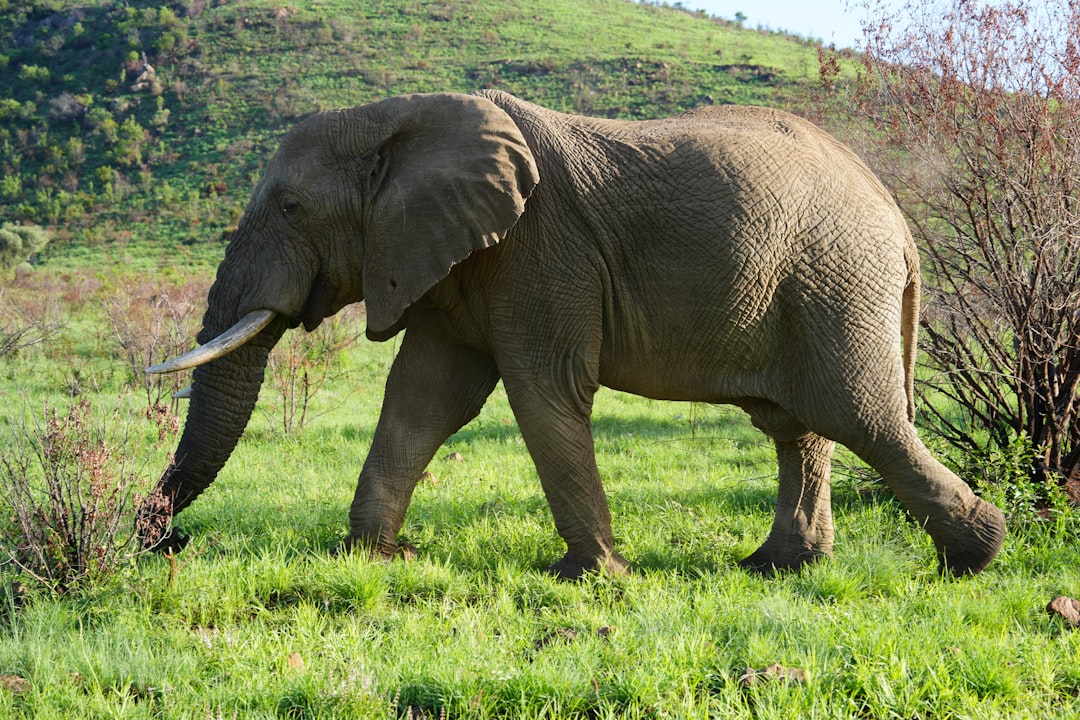
Addo Elephant National Park in the Eastern Cape was created in 1931 to protect elephants hunted nearly to extinction. The park now hosts over 450 elephants—the largest concentration in South Africa. While Addo offers excellent elephant viewing and buffalo, leopard sightings are less common than in Kruger or Sabi Sand.
Addo is famous for Big 5 safaris from Cape Town, allowing you to combine beach time with wildlife. Safari packages starting at just R1,185 ($70) per adult make it highly accessible. The park offers diverse landscapes including coastal dunes, grasslands, and thicket bush.
Real Costs: What You'll Actually Pay for a Big 5 Safari
Budget Safari Packages ($600–$900 per night)
Budget Big 5 safaris in South Africa offer excellent value without sacrificing wildlife viewing. These packages typically include accommodation at basic but comfortable lodges, daily game drives with experienced guides, and meals. Many budget operators use shared accommodations and group game drives to keep costs down.
A 3-day Kruger safari through budget operators costs $1,800–$2,700 total per person, including accommodation, meals, and game drives. Day-use permits for self-drive Kruger visits cost $70–$100 per adult, making independent exploration affordable. Budget safaris suit travelers prioritizing Big 5 sightings over luxury amenities.
Budget lodges typically have clean rooms, basic furnishings, and communal dining areas. You won't find air conditioning or Wi-Fi, but you will see the Big 5 from the same vehicles and with the same guides as expensive tours.
Mid-Range Safari Packages ($1,000–$1,500 per night)
Mid-range safaris offer a balance between comfort and cost. These packages include private or semi-private game drives, better meals, and comfortable lodge accommodations with amenities like air conditioning and ensuite bathrooms. You'll experience the same wildlife but with more personalized service.
A 5-day mid-range safari in Madikwe or private Kruger sections costs $5,000–$7,500 per person. Mid-range lodges often have swimming pools, restaurants, and evening activities. Guides may be more experienced than budget operators, increasing your odds of Big 5 sightings.
Mid-range safaris appeal to travelers wanting comfort without breaking the bank. You get better food, private vehicles, and more attention to your interests.
Luxury Safari Packages ($1,500–$3,000+ per night)
Luxury Big 5 safaris in Sabi Sand and exclusive Kruger concessions offer world-class experiences. These packages feature private lodges with fine dining, personalized itineraries, and expert guides. Accommodation includes spacious suites, private pools, and spa services.
A luxury 7-day Cape Town and Kruger safari costs $26,390–$30,590 per person. Luxury lodges offer habituated wildlife, meaning animals are accustomed to vehicles and allow closer approaches. You'll see Big 5 animals from private game drives with dedicated guides focused solely on your group.
Luxury safaris suit travelers valuing exclusivity, photography opportunities, and premium comfort. You're paying for intimate wildlife encounters and world-class hospitality, not just the Big 5 sightings.
Hidden Costs to Budget For
Most safari packages don't include international flights, travel insurance, or visa fees. South African visas cost $0–$100 depending on your nationality. Travel insurance typically costs $50–$200 for a two-week trip. Vaccinations like yellow fever and typhoid may be needed, costing $100–$300.
Park entrance fees, tips for guides, alcohol, and activities like helicopter flights add up quickly. Budget an extra $300–$500 for incidentals. Many lodges charge premium prices for alcohol, so bringing your own saves money.
Best Time to Visit for Big 5 Sightings
May Through September: Peak Season
The best time for a Big 5 safari in South Africa is May through September. During these winter months, temperatures drop, vegetation thins, and animals congregate around water sources. Thinner bush makes spotting Big 5 animals easier. Daytime temperatures range from 60–75°F (15–24°C), making game drives comfortable.
July and August see peak tourism because this is school holiday season in Europe and North America. Prices rise 20–30% during these months. If you can visit in May, June, or September, you'll see equally good wildlife with fewer tourists and lower prices. September offers the bonus of calving season, meaning newborn animals and predator activity increase.
October Through April: Green Season
Green season (October–April) brings rain, lush vegetation, and migrating birds. Wildlife viewing is harder because animals spread across the landscape to find water and food. However, prices drop 40–50% during this period. November and January see the fewest tourists.
Green season suits budget travelers and birdwatchers. You'll still see Big 5 animals, but sightings require more patience. The landscape is incredibly beautiful, and the park feels less crowded. Temperatures range from 70–85°F (21–29°C) during the day but can exceed 90°F (32°C) in January and February.
December and January are hot and humid. February marks the end of rainy season with occasional storms. March and April offer pleasant temperatures and good wildlife viewing as animals return to water sources.
Seasonal Wildlife Patterns
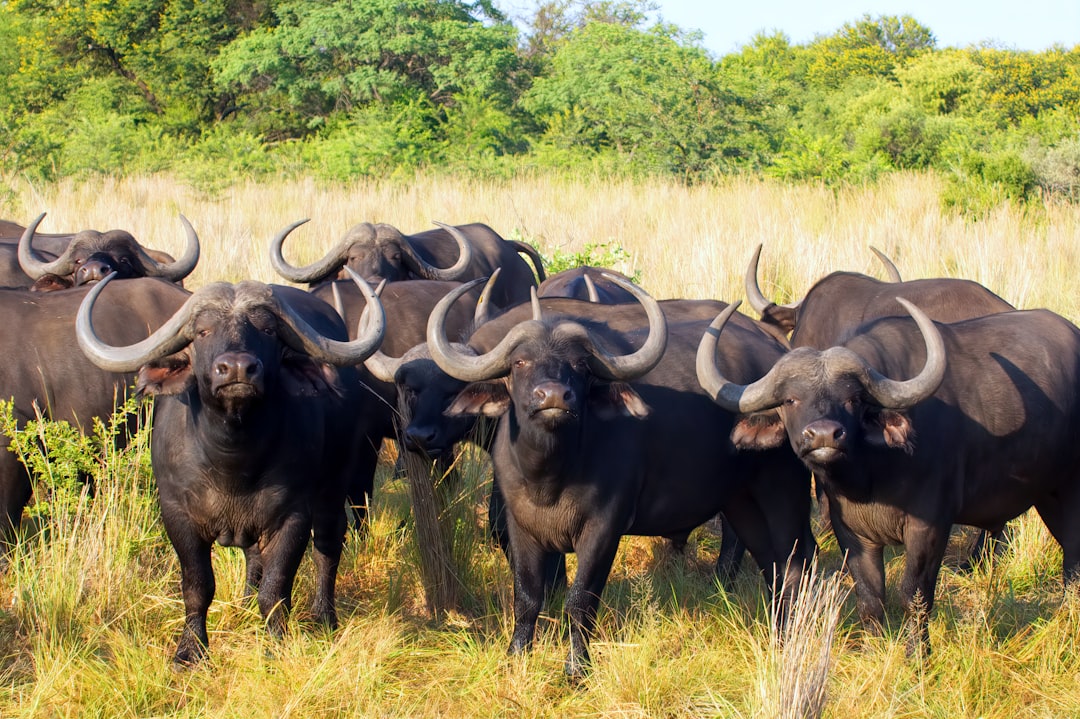
Elephant sightings peak during dry season (May–September) when they concentrate near remaining water. Leopard sightings are consistent year-round but better in dry season. Lions are visible year-round but more active during cooler months. Buffalo congregate in large herds during dry season, making sightings easier. Rhino sightings are least predictable but slightly better in dry season.
Plan your visit around the Big 5 animal you most want to see. Leopard enthusiasts should visit Sabi Sand in dry season. Elephant lovers can visit anytime but will have easier sightings May–September.
How to Book Your Big 5 Safari: A Practical Guide
Step 1: Choose Your Destination and Budget
Decide between Kruger National Park (budget-friendly), Madikwe (mid-range), Sabi Sand (luxury leopards), or Addo (near Cape Town). Set your budget: $600–$900 per night for budget, $1,000–$1,500 for mid-range, or $1,500+ for luxury. Choose your travel dates, keeping in mind that May–September offers the best wildlife but costs 20–30% more.
Consider how many days you can spend. Three days is the minimum for a meaningful Big 5 safari, but 5–7 days significantly increases your chances of seeing all five animals. Longer trips also reduce daily costs because safari packages offer discounts for multi-day bookings.
Step 2: Research Tour Operators and Read Reviews
Verify that tour operators have legitimate licenses and positive reviews from real travelers. SafariFind lists verified operators with authentic reviews, making it easy to compare options. Read reviews mentioning Big 5 sightings, guide quality, and lodge conditions. Look for operators with ratings above 4.5 stars and at least 50 reviews.
Check if operators offer money-back guarantees if you don't see specific Big 5 animals. Some luxury lodges guarantee leopard sightings because they work with habituated animals. Budget operators can't guarantee sightings but should have high success rates based on reviews.
Step 3: Request Quotes and Compare
Contact multiple operators requesting detailed quotes including accommodation, meals, game drives, park fees, and gratuities. Compare what's included—some packages cover alcohol while others don't. Ask about guide experience, vehicle types, and group sizes. Smaller groups (4–6 people) offer better wildlife experiences than large groups (10–15 people).
Verify that prices are all-inclusive or understand what costs extra. Some operators quote low daily rates but add significant fees for park entrance, activities, or transfers. Request package details in writing before paying deposits.
Step 4: Book Early and Secure Payment
Book 3–6 months in advance for peak season (July–August) to secure preferred dates and lodges. Early bookings often include discounts of 10–15%. Pay deposits (typically 25–50%) through secure payment methods. Never wire money to unknown accounts.
Confirm all details in writing: dates, accommodation, meals, game drive times, guide names, and cancellation policies. Reputable operators provide detailed itineraries and emergency contact information. Purchase travel insurance covering trip cancellation, medical emergencies, and evacuation.
Step 5: Prepare and Pack Appropriately
Check visa requirements for South African entry. Citizens of many countries get 90-day visa-free entry, but verify your eligibility. Book vaccinations 4–6 weeks before travel. Pack neutral-colored clothing (khaki, tan, green, brown) for game drives—bright colors scare wildlife. Bring a good camera with a telephoto lens, binoculars, and sun protection.
Pack layers because mornings and evenings are cool (50–65°F / 10–18°C) while afternoons are warm. Bring a fleece jacket, rain jacket, and comfortable walking shoes. Sunscreen, insect repellent, and a hat are essential. Many lodges provide laundry service, so you don't need many clothes.
Compare Safari Packages on SafariFind
Explore verified Big 5 safari packages on SafariFind to find operators matching your budget and preferences. Read authentic reviews from travelers who've completed safaris, comparing their experiences with Big 5 sightings and guide quality. Request quotes directly from operators and compare prices, inclusions, and cancellation policies. SafariFind makes it easy to find your perfect Big 5 safari in South Africa.
What to Wear on a Big 5 Safari in South Africa
Wear neutral earth tones—khaki, tan, green, olive, and brown—on game drives. Avoid bright colors like red, yellow, orange, and white that stand out to wildlife. Dark colors absorb heat and attract insects, so stick with lighter earth tones. Wear long sleeves and long pants to protect against sun and insects, even in warm weather.
Pack a warm layer for early morning and evening game drives when temperatures drop to 50–65°F (10–18°C). A lightweight fleece jacket or wool sweater works well. Bring a rain jacket for unexpected showers, even during dry season. Comfortable walking shoes with good grip are essential for lodge walks and short nature hikes.
Wear a wide-brimmed hat to protect your face and neck from the intense African sun. Sunglasses reduce glare and protect your eyes. Bring a scarf or neck gaiter to cover exposed skin during dusty game drives. In lodges, casual clothes are fine—you don't need formal wear unless the lodge specifies otherwise.
South Africa Safari vs. Tanzania and Kenya: Which Is Best?
South Africa offers the most reliable Big 5 safaris with the best infrastructure and highest success rates. The country has well-maintained roads, professional guides, and established conservation programs. Kruger National Park alone hosts all Big 5 animals with excellent sighting records.
Tanzania's Serengeti is famous for the Great Migration, featuring 1.5 million wildebeest crossing the Mara River from July–October. However, Big 5 sightings are less predictable than in South Africa. Tanzania safaris often cost 20–30% less than South Africa, making it attractive to budget travelers.
Kenya's Masai Mara offers incredible wildlife and the same Great Migration as Tanzania. Kenya safaris are more expensive than Tanzania but similar to South Africa. Kenya attracts photographers seeking dramatic wildlife moments.
For reliable Big 5 sightings, South Africa is your best choice. For budget travelers seeking migration experiences, Tanzania offers better value. For photographers wanting dramatic landscapes, Kenya excels. Read our detailed comparison of South Africa vs. Tanzania Safari 2026: Cost & Wildlife to help you decide.
Big 5 Safari with Family: Safety and Budget Considerations
Big 5 safaris are safe for families with children aged 5 and up. Most lodges require children to stay in vehicles during game drives to prevent wildlife encounters. Safari vehicles are sturdy and equipped with communications systems. Guides prioritize safety and won't approach dangerous animals closely.
Malaria-free reserves like Madikwe are ideal for families avoiding antimalarial medications. Addo Elephant National Park also has low malaria risk. Other reserves require malaria precautions—discuss options with your doctor.
Family budgets should allocate $400–$1,000 per night for comfortable but affordable lodges. Many lodges offer family rooms and children's meals. Some operators provide discounts for children. Learn more in our guide on South Africa Safari with Kids: Safety, Cost & Best Lodges 2026.
Big 5 Safari from Cape Town or Johannesburg
From Cape Town: Beach and Safari Combination
Cape Town offers stunning beaches, wine country, and proximity to Addo Elephant National Park. Flying from Cape Town to Addo takes just 1.5 hours. You can combine 3–4 days of beach relaxation with 3–4 days of Big 5 safari. Safari packages from Cape Town start at R1,185 ($70) per adult for day trips.
Multi-day packages combining Cape Town accommodation with Addo safaris cost $1,500–$3,000 for 5–7 days. You'll experience Table Mountain hikes, wine tastings, and African penguin colonies alongside elephant and buffalo viewing. This combination appeals to travelers wanting diverse experiences.
From Johannesburg: Direct Safari Access
Johannesburg is South Africa's main international hub with frequent flights from the US, Europe, and Africa. From Johannesburg, Kruger National Park is a 5-hour drive or 1-hour flight. Madikwe Game Reserve is just 3 hours away. This proximity makes Johannesburg-based safaris convenient for travelers with limited time.
Most Big 5 safari packages include Johannesburg airport transfers. You'll fly in, transfer to your safari lodge, and begin game drives the same afternoon. Johannesburg-based safaris cost $600–$2,000 per night depending on lodge choice.
Private Game Reserves vs. National Parks: Which Offers Better Big 5 Viewing?
Private game reserves like Sabi Sand offer better Big 5 sightings than national parks because they have fewer visitors, smaller group sizes, and expert guides. Private reserves can also conduct night game drives and walking safaris, which national parks prohibit. Habituated animals in private reserves tolerate vehicles, allowing closer approaches.
However, private reserves cost 3–5 times more than national parks. Kruger National Park offers excellent Big 5 sightings at a fraction of private reserve prices. Kruger's size (20,000 square kilometers) ensures abundant wildlife despite higher visitor numbers.
Choose private reserves if budget allows and you prioritize leopard sightings or photography. Choose national parks if you want to maximize Big 5 sightings while minimizing costs. Many travelers split the difference, spending 3–4 days in Kruger and 2–3 days in a private reserve.
Key Takeaways
- Book your Big 5 safari 3–6 months in advance during May–September peak season to secure preferred dates and receive 10–15% early-booking discounts.
- Budget $600–$2,000 per night for Big 5 safaris in South Africa, with Kruger National Park offering the best value and Sabi Sand providing luxury leopard experiences.
- Visit May through September when vegetation thins and animals concentrate near water sources, increasing your chances of seeing all five Big 5 animals.
- Choose between Kruger (budget-friendly, 20,000 sq km), Madikwe (family-friendly, malaria-free), Sabi Sand (luxury leopards), or Addo (near Cape Town beaches).
- Compare verified safari operators on SafariFind, reading authentic traveler reviews about Big 5 sightings, guide quality, and lodge amenities before booking your package.
Frequently Asked Questions
What is the best safari in South Africa for seeing the Big 5?
Kruger National Park offers the best Big 5 safari in South Africa because it covers 20,000 square kilometers and hosts all five animals reliably. Sabi Sand Game Reserve provides the best leopard sightings with luxury accommodations. Madikwe offers budget-friendly Big 5 experiences in a malaria-free zone. Your choice depends on budget, time, and which Big 5 animal you most want to see.
How much does a Big 5 safari in South Africa cost in 2026?
Big 5 safaris in South Africa cost $600–$900 per night at budget lodges, $1,000–$1,500 per night at mid-range lodges, and $1,500–$3,000+ per night at luxury lodges. A 5-day package costs $3,000–$7,500 per person including accommodation, meals, and game drives. Prices increase 20–30% during peak season (July–August) but drop 40–50% during green season (October–April).
When is the best time to visit for a Big 5 safari in South Africa?
The best time for a Big 5 safari in South Africa is May through September. During these winter months, temperatures cool, vegetation thins, and animals gather near water sources, making sightings easier. July and August see peak tourism and higher prices. May, June, and September offer equally good wildlife viewing with fewer crowds and lower costs.
Can you see the Big 5 on a safari from Cape Town?
Yes, you can see the Big 5 from Cape Town by visiting Addo Elephant National Park, located 1.5 hours away by flight. Safari packages from Cape Town start at R1,185 ($70) per adult. You can combine 3–4 days of beach relaxation with 3–4 days of Big 5 safari. Addo offers excellent elephant viewing and all Big 5 animals at affordable prices.
Which South Africa safari providers offer the best Big 5 packages?
Ranger Buck Safaris operates highly-rated Big 5 packages in Madikwe with 4.9-star ratings from 71 verified reviews. SafariFind lists verified operators across Kruger, Sabi Sand, Madikwe, and Addo with authentic traveler reviews. Compare packages on SafariFind to find operators matching your budget, dates, and preferences. Request quotes from multiple operators to secure the best prices and inclusions for your Big 5 safari.
Is a Big 5 safari in South Africa safe for families with children?
Yes, Big 5 safaris are safe for families with children aged 5 and up. Safari vehicles are sturdy with professional guides prioritizing safety. Children must stay in vehicles during game drives. Madikwe Game Reserve is malaria-free, ideal for families avoiding antimalarial medications. Most lodges offer family rooms and children's meals. Read our detailed guide on South Africa Safari with Kids: Safety, Cost & Best Lodges 2026 for family-specific recommendations.
Conclusion
A Big 5 safari in South Africa is one of Africa's most rewarding wildlife experiences. Kruger National Park covers 20,000 square kilometers and hosts all Big 5 animals—lions, elephants, buffalo, leopards, and rhinos—making it the world's most reliable Big 5 destination. In 2026, expect to pay $600–$2,000 per night depending on lodge type, with peak season (May–September) offering the best sightings but highest prices.
Plan your visit 3–6 months in advance to secure preferred dates and receive early-booking discounts. Choose between budget-friendly Kruger ($600–$900/night), mid-range Madikwe ($1,000–$1,500/night), or luxury Sabi Sand ($1,500+/night) based on your priorities. Visit May through September when animals concentrate near water sources and vegetation thins, maximizing your chances of seeing all five Big 5 animals.
Compare verified safari packages on SafariFind to find operators with authentic reviews and transparent pricing. Read traveler reviews mentioning Big 5 sightings, guide quality, and lodge conditions. Request detailed quotes including all costs—accommodation, meals, game drives, park fees, and tips. Book through SafariFind's marketplace to access verified operators and read real reviews from travelers who've experienced South African safaris firsthand. Your Big 5 safari awaits.
Plan Your Safari with SafariFind
These recommendations use real data from SafariFind, where you can compare operators, browse packages, and read verified traveler reviews before you book.
Recommended Safari Operators from SafariFind
Recommended Safari Packages from SafariFind
What Travelers Say (SafariFind Reviews)
References
- Where can you see the Big 5 on a safari in Africa? – H.O.M.E.
- Best Big 5 Safari in South Africa: Where to See the Big 5 Animals – African Budget Safaris
- Big Five Safari South Africa 2026: Best Reserves & Packages – Private Tours Cape Town
- Our Best African Big 5 Safaris – Go2Africa
- Can you do a Big 5 Safari from Cape Town? – Aquila Safari
- 1,151 South Africa Safari Tours (Offered by 53 Tour Operators) – Safari Bookings
- South Africa Big 5 Safari: When & Where to See Wildlife – Inspiring Travel
 Ask Tembo about this guide
Sources
- Where can you see the Big 5 on a safari in Africa?
- Best Big 5 Safari in South Africa: Where to See the Big 5 Animals
- Big Five Safari South Africa 2026: Best Reserves & Packages
- Our Best African Big 5 Safaris
- Can you do a Big 5 Safari from Cape Town?
- 1,151 South Africa Safari Tours (Offered by 53 Tour Operators)
- South Africa Big 5 Safari: When & Where to See Wildlife
Related to
Ready to start your safari adventure?
Explore curated safari packages and find your perfect African adventure with verified operators.