Botswana Visa for Japanese Citizens 2026
Japanese citizens do not need a visa to enter Botswana for tourism or business stays of up to 90 days. However, a valid passport with 6 months' validity and proper entry documentation are essential for entry.

Do Japanese Citizens Need a Visa for Botswana?
Japanese citizens do not require a visa to enter Botswana for tourism, business, or transit purposes for stays of up to 90 days. This visa-free entry is one of Botswana's most traveller-friendly policies, making it an accessible destination for Japanese visitors planning safaris or regional travel.
However, while no visa is required, you must still meet Botswana's entry requirements, including passport validity, proof of onward travel, and health documentation. This article covers everything Japanese travellers need to know before arrival.
Visa-Free Entry: What You Need to Know
Botswana grants visa-free access to Japanese passport holders for a maximum stay of 90 days. This applies to tourism, business meetings, conferences, and short-term visits. You will receive a tourist stamp upon arrival at any port of entry (airport, land border, or seaport).
The 90-day allowance is calculated from your date of entry and cannot be extended once granted. If you need to stay longer or work in Botswana, you must apply for the appropriate visa before arriving.
Passport Requirements
Your Japanese passport must meet strict validity requirements set by Botswana immigration:
- Validity: Your passport must be valid for at least 6 months from your date of entry into Botswana. The U.S. State Department also notes that Botswana requires 6 months' validity beyond your arrival date and 6 months' validity beyond your date of departure.
- Blank pages: You must have at least 3 blank pages at the time of entry. Neighbouring transit countries and potential layover airports (such as those in South Africa) will also require a similar number of blank pages.
- Condition: Your passport must not be damaged, defaced, or have missing pages. Botswana immigration officers may refuse entry if the document is deemed unfit for travel.
Important: Botswana does not accept the 12-page U.S. emergency passport for visa-free entry. If you hold an emergency travel document, you will need to apply for a standard visa at a Botswana embassy or consulate before travel.
Required Entry Documents (Visa-Free Visitors)
Although you do not need a visa, immigration officers will request supporting documents at the port of entry. Have these ready:
- Return or onward ticket: A confirmed flight itinerary showing your departure from Botswana (return to Japan or onward to another country).
- Proof of accommodation: Hotel booking, Airbnb confirmation, or a letter of invitation from a host in Botswana.
- Proof of funds: Bank statements (last 3 months) or evidence that you can support yourself during your stay. This is typically BWP 500–1,000 per day (approximately USD 37–74), though officers use discretion.
- Yellow fever vaccination certificate (conditional): If you are arriving from a country where yellow fever is endemic, you must present a vaccination certificate.
- Travel insurance (optional but recommended): Although not legally required, travel health insurance with a minimum of EUR 30,000 (approximately USD 33,000) coverage is strongly recommended, especially if you plan safari activities.
Keep all documents in a single, easily accessible folder. Photocopies are acceptable for most items; originals are required for vaccination certificates and airline tickets.
Yellow Fever Vaccination & Health Requirements
Botswana requires a yellow fever vaccination certificate only if you are arriving from a country where yellow fever is endemic. Japan is not endemic for yellow fever, so Japanese citizens arriving directly from Japan do not need this vaccination.
However, if you are travelling to Botswana via another African country (such as South Africa, Zimbabwe, or Namibia), check whether that country requires yellow fever vaccination. Many southern African nations do not require it for entry, but requirements vary. For detailed health guidance, consult the Botswana health and vaccination requirements guide or your doctor before departure.
Additional health precautions recommended for Botswana include malaria prophylaxis (especially in the Okavango Delta and northern regions), dengue fever awareness, and routine vaccinations (MMR, tetanus, hepatitis A/B). The U.S. Centers for Disease Control and Prevention (CDC) and your national health authority provide country-specific recommendations.
If You Need a Visa: Types & Who Applies
If you plan to stay longer than 90 days, work, study, or conduct business on behalf of a Botswana employer, you must apply for a visa before arrival. Japanese citizens are eligible for the following visa types:
Tourism Visa
If you wish to extend your stay beyond 90 days for tourism, you can apply for a tourism visa. Processing typically takes 7–14 working days. You will need to apply at a Botswana embassy or consulate before travel or via the online eVisa portal.
Business Visa
For business meetings, conferences, or short-term commercial activity, a business visa may be required if your stay exceeds 90 days or if you are conducting formal work. Processing takes 7–14 working days.
Employment Visa
If you have secured employment in Botswana, you must obtain an employment visa before arrival. This requires a job offer letter from your Botswana employer and labour clearance from the Ministry of Labour and Home Affairs.
Official/Government Visa
Government officials and representatives travelling on official business may apply for an official eVisa. Processing takes 25–30 working days. This visa is for official purposes only, such as government-to-government meetings or diplomatic activities.
Student Visa
If you have been accepted to a Botswana educational institution, you can apply for a student visa. You will need an acceptance letter from the school and proof of financial support.
How to Apply for a Botswana Visa (If Needed)
Option 1: Online eVisa Portal
Botswana offers an online eVisa system for select visa types. The process is entirely digital and does not require a visit to an embassy:
- Visit the official Botswana eVisa portal: Go to the Government of Botswana's official eVisa website (confirm the URL with your nearest Botswana embassy, as third-party visa websites may charge additional fees).
- Select your visa type: Choose from tourism, business, transit, student, or official categories.
- Complete the application form: Provide your personal details, passport information, travel dates, and purpose of visit.
- Upload supporting documents as one PDF file: All documents must be combined into a single PDF. Include:
- Certified copy of passport pages 1–2 (showing validity period of at least 6 months)
- Two recent coloured passport-size photos (white background, taken within 6 months)
- Covering letter explaining your reason for visit
- Flight itinerary and accommodation bookings
- Proof of sufficient funds (bank statements, last 3 months)
- Trip itinerary (if tourism)
- Letter of invitation from employer or host (if applicable)
- Pay the visa fee online: Use a valid debit or credit card. Fees vary by visa type and country of origin; confirm the current amount on the official portal.
- Receive approval by email: Once approved, you will receive your eVisa by email as a PDF document. Print it and carry it with your passport.
Processing time for eVisa: 18–22 working days for tourism visas; 25–30 working days for official visas.
Option 2: In-Person Application at Botswana Embassy or Consulate
If the eVisa system is not available for your visa type, or if you prefer to apply in person, visit the Botswana embassy or consulate in Japan:
- Locate the embassy: Contact the Botswana embassy in Tokyo or the nearest consulate.
- Book an appointment: Most embassies require advance booking. Popular missions may have waiting periods of several weeks.
- Prepare your documents: Compile all required documents (see eVisa section above) and bring originals and certified copies.
- Submit your application: Complete Form 1 (Application for Visa) at the embassy and submit it with your supporting documents.
- Attend an interview (if required): Some visa types may require an in-person interview with a consular officer.
- Pay the visa fee: Fees are paid at the embassy or consulate. Confirm current amounts before your appointment.
- Collect your passport: After approval, collect your passport with the visa stamped inside, typically 7–14 working days after submission.
Visa Fees & Payment
Botswana visa fees vary by visa type and your country of origin. The research does not provide specific 2026 fees for Japanese citizens. Confirm the current fee on the official Botswana government portal or contact the embassy directly before applying.
Payment methods include:
- Online eVisa: Credit or debit card via the official eVisa portal
- In-person application: Cash (BWP or USD) or bank transfer at the embassy or consulate
Third-party visa agencies may charge additional service fees. To avoid overpaying, apply directly through the official government portal or embassy.
Processing Times & Visa Validity
| Visa Type | Processing Time | Validity | Application Method |
|---|---|---|---|
| Tourism | 7–14 working days (in-person); 18–22 working days (eVisa) | Up to 90 days from date of issuance | Embassy or eVisa portal |
| Business | 7–14 working days (in-person); 18–22 working days (eVisa) | Up to 90 days from date of issuance | Embassy or eVisa portal |
| Official | 25–30 working days | Up to 90 days from date of issuance; extendable up to 90 days | eVisa portal only |
| Employment | 7–14 working days (in-person) | Duration of employment contract | Embassy only |
| Student | 7–14 working days (in-person) | Duration of study program | Embassy only |
Note: Processing times are estimates and may vary depending on application volume and completeness of documentation. Always apply well in advance of your planned travel date.
What Happens at Immigration on Arrival
When you arrive at a Botswana port of entry (Gaborone International Airport, Sir Seretse Khama International Airport in Kasane, or land borders), immigration officers will conduct standard entry checks:
- Passport inspection: Officers will verify that your passport is valid for the required 6 months and has sufficient blank pages.
- Visa-free entry confirmation: As a Japanese citizen arriving for tourism/business without a visa, you will be granted entry. The officer will ask about your purpose of visit, length of stay, and return travel plans.
- Entry stamp: You will receive a tourist entry stamp in your passport, typically valid for 90 days from the date of entry. Keep this stamp safe—you will need to present it when departing.
- Document review: Be prepared to show proof of onward travel, accommodation bookings, and proof of funds if requested.
- Baggage screening: Customs officers may inspect your luggage for prohibited items (weapons, large quantities of currency, endangered species products).
- Currency declaration: If you are carrying more than 10,000 BWP (approximately USD 740–750) in cash, you must declare it. No limit on the amount you can bring, but undeclared amounts exceeding this threshold may be confiscated.
The entry process typically takes 10–30 minutes. Be polite, answer questions directly, and have all documents ready to present.
Transit Visa & Layovers
If you are passing through Botswana en route to another country and your layover is less than 24 hours, you may not need to exit the airport. Check with your airline to confirm whether you require a transit visa.
If your layover exceeds 24 hours or you wish to leave the airport, you are entitled to a 7-day transit visa at no cost (visa-free, as a Japanese citizen). No application is needed—you will receive the transit stamp at immigration upon arrival.
Extending Your Stay
If you wish to extend your 90-day visa-free stay, you must apply in person at an immigration office within Botswana before your current permission expires. Extensions are not guaranteed and depend on your circumstances (employment, family ties, etc.). You will need to:
- Visit the Department of Immigration and Citizenship in Gaborone or a regional immigration office
- Complete the appropriate application form
- Provide proof of funds and a letter explaining your reason for extension
- Pay the extension fee (amount varies; confirm with the immigration office)
Processing typically takes 7–14 working days. It is advisable to apply at least 2 weeks before your current permission expires.
Overstaying & Penalties
Overstaying your visa-free 90-day allowance or any extended permission is a serious violation of Botswana immigration law. Penalties include:
- Fines: Heavy financial penalties (amount determined by immigration officials)
- Detention: Possible detention until fines are paid or deportation is arranged
- Deportation: Forced removal from Botswana at your own expense
- Future visa bans: Overstaying may result in a ban on re-entry to Botswana and other SADC (Southern African Development Community) countries
- Passport stamp: Your passport will be marked as a violation, which may affect future visa applications to other countries
Do not overstay. If you need to stay longer, apply for an extension in advance.
Lost, Damaged, or Stolen Passport
If your passport is lost, damaged, or stolen while in Botswana:
- Report the loss: Contact the Japanese embassy in Gaborone or the nearest consulate immediately.
- File a police report: Report the loss to the Botswana police (emergency: 999; non-emergency: local station).
- Apply for emergency travel document: The Japanese embassy can issue an emergency passport or travel document to allow you to return to Japan. Processing typically takes 5–10 working days.
- Visa or permit replacement: If your visa or permit was damaged or lost, you must apply for a replacement. A reproduction fee of P 1,500 (approximately USD 110–120) applies.
Keep photocopies of your passport bio page and visa separate from your original documents.
Common Mistakes & Rejections
Japanese citizens are rarely refused entry to Botswana, but these mistakes can cause delays or complications:
- Insufficient passport validity: If your passport expires within 6 months of your planned arrival, renew it before travel. Immigration will refuse entry if validity is inadequate.
- Fewer than 3 blank pages: Even one blank page short can cause problems. Ensure you have at least 3 full, unmarked pages.
- No proof of onward travel: Officers may question your intent to depart. Always carry a return flight ticket or confirmed onward booking.
- Insufficient funds: If you cannot demonstrate financial means to support yourself (typically USD 37–74 per day), entry may be refused. Carry bank statements or credit cards as proof.
- Conflicting travel documents: Ensure your airline ticket, hotel booking, and itinerary align and do not show suspicious gaps or changes.
- Yellow fever vaccination requirement misunderstood: If you arrive from an endemic country without a certificate, you may be refused entry or required to be vaccinated on arrival (at your expense).
- Damaged passport: Botswana does not accept passports with significant damage, water stains, or missing pages. Renew your passport before travel if damaged.
Safari & Travel Planning for Japanese Visitors
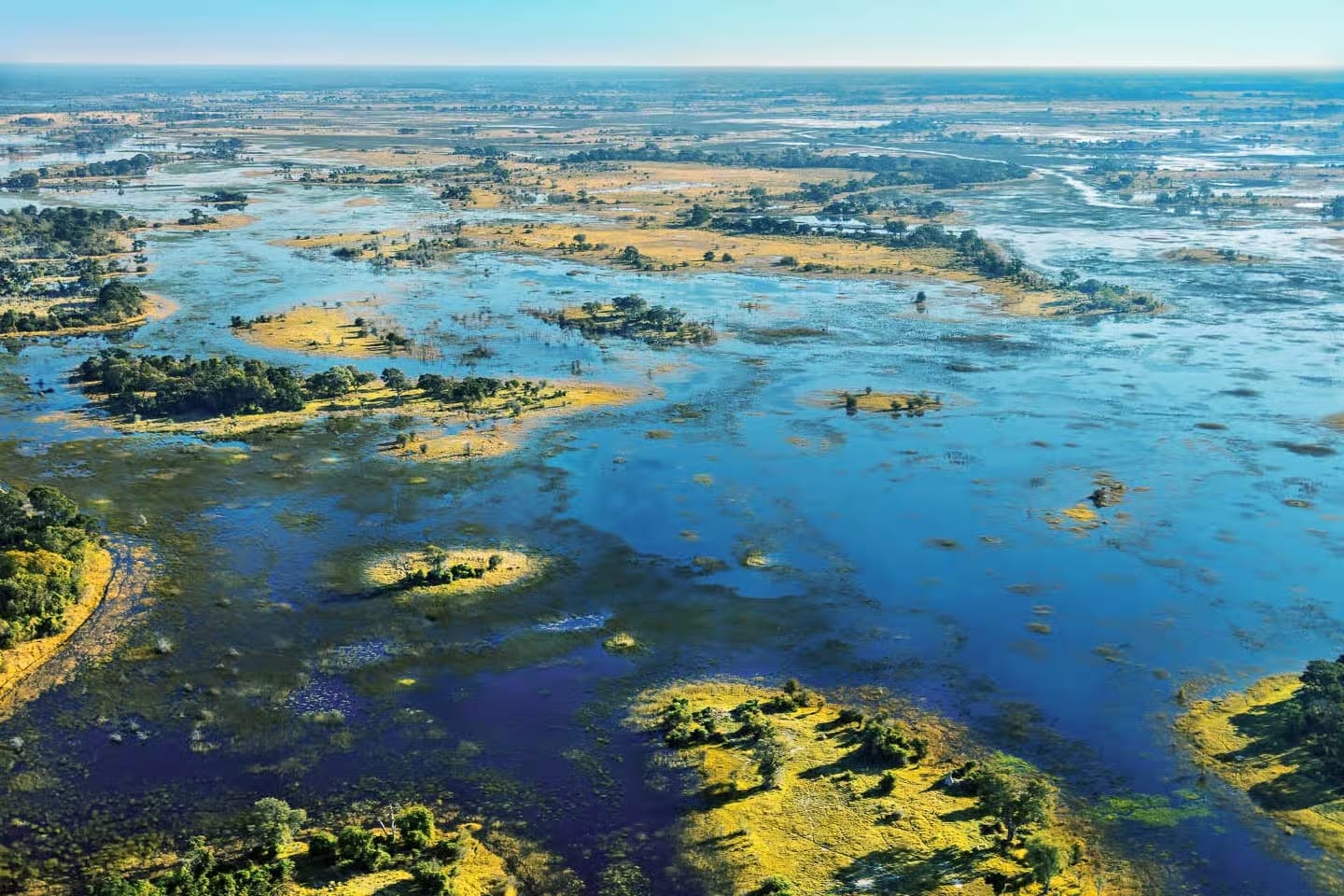
Once you have cleared immigration, Botswana's world-class safari destinations await. The Okavango Delta, Chobe National Park, and Central Kalahari Game Reserve are among Africa's premier wildlife experiences. Japanese visitors can compare safari packages and book accommodations through SafariFind, which offers curated options from budget to luxury levels.
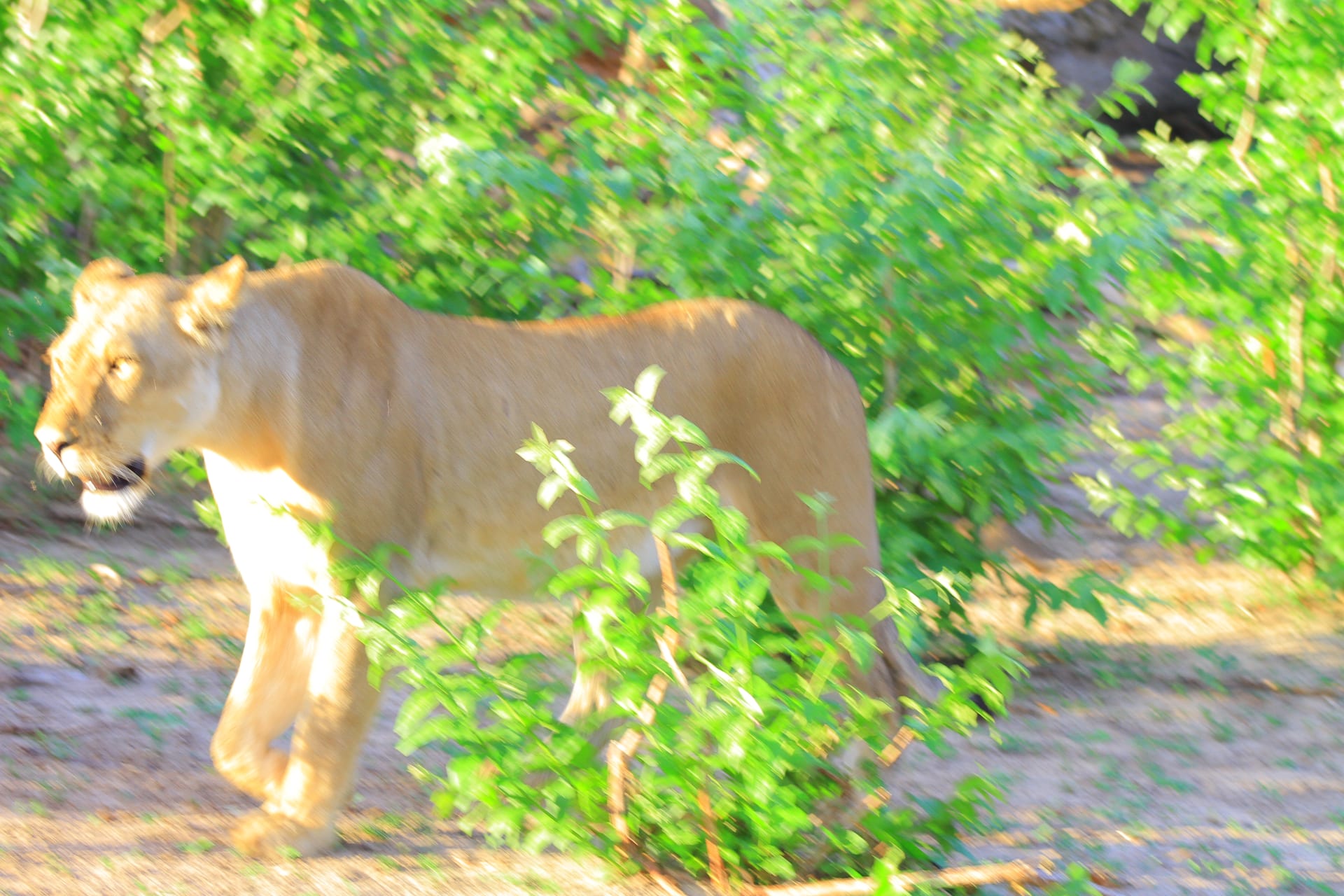
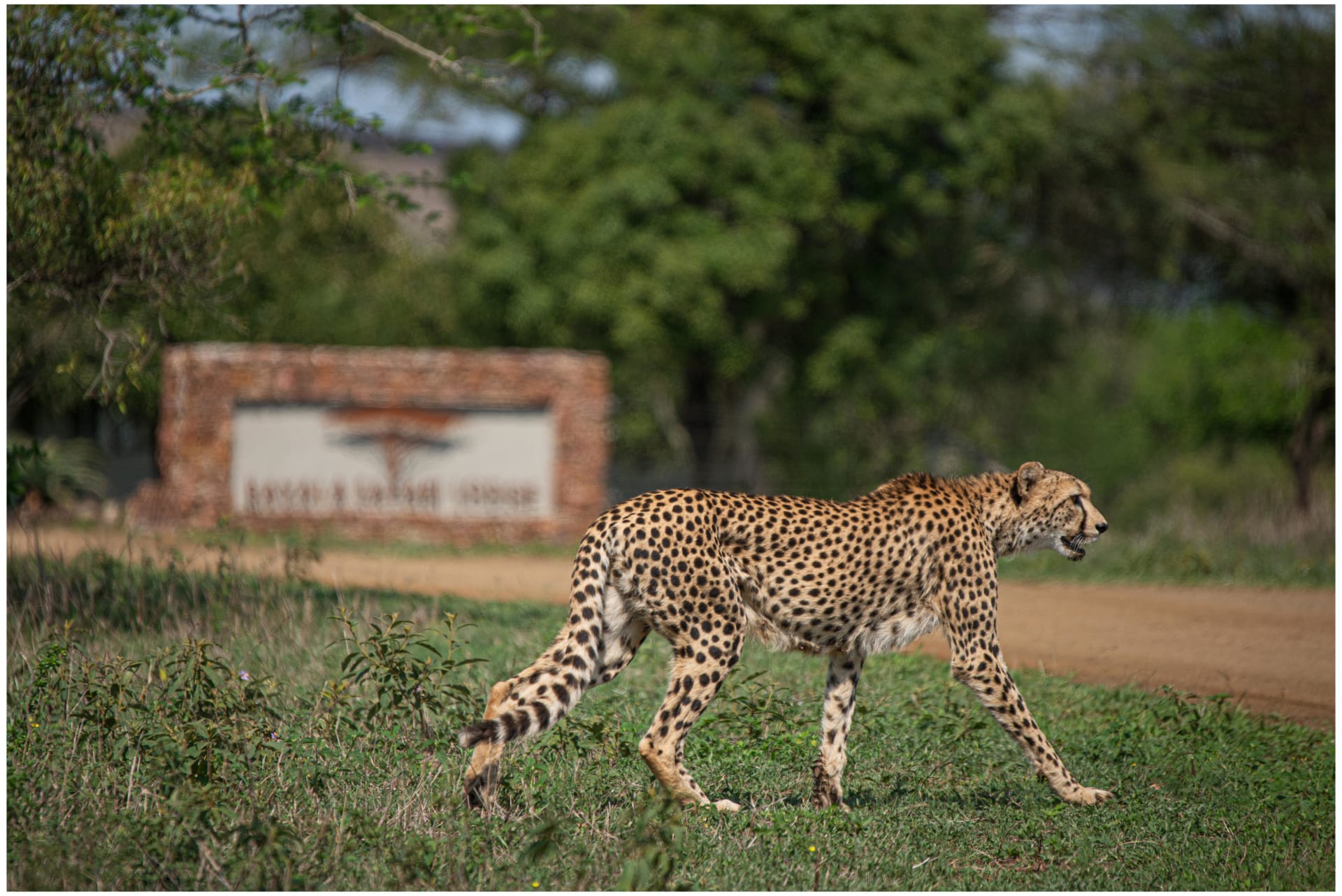
For wildlife conservation context, explore SafariFind's guides on cheetah conservation in Botswana, lion conservation, and African elephant conservation to understand the ecosystems you will visit. National park protection strategies and community conservancy models showcase how Botswana balances tourism with conservation.
Emergency Contacts in Botswana
Save these numbers in your phone before arrival:
- Police (emergency): 999
- Ambulance: 997
- Fire: 998
- Japanese Embassy in Gaborone: +267 361 3000 (general line); consular services available during business hours
- Botswana Department of Immigration: +267 361 1327 or toll-free 0800 600 777
Key Takeaways for Japanese Travellers
- Japanese citizens do not need a visa for tourism or business stays up to 90 days.
- Your passport must be valid for at least 6 months from arrival and have 3+ blank pages.
- Carry proof of onward travel, accommodation, and sufficient funds to support your stay.
- Yellow fever vaccination is required only if arriving from an endemic country.
- The 90-day allowance cannot be extended in advance; extensions must be applied for in Botswana and are not guaranteed.
- Overstaying has serious penalties, including fines, detention, and future visa bans.
- For stays longer than 90 days or work/study, apply for the appropriate visa before travel.
- Contact the Botswana Department of Immigration (+267 361 1327) or the Japanese embassy for any questions before departure.
Last checked July 2026 — always confirm with official sources before travelling. Botswana immigration regulations and visa policies may change. Verify requirements with the official Government of Botswana website or contact the Botswana embassy in Tokyo before your trip.
 Ask Tembo about this guide
Frequently Asked Questions
Do Japanese citizens need a visa for Botswana?
No. Japanese citizens do not need a visa to enter Botswana for tourism, business, or transit stays of up to 90 days. You will receive a tourist entry stamp upon arrival at any port of entry. However, your passport must be valid for at least 6 months from your arrival date and have 3+ blank pages.
How long can Japanese citizens stay in Botswana without a visa?
Japanese citizens can stay visa-free for up to 90 days from the date of entry. This period cannot be extended in advance; if you need to stay longer, you must apply for an extension in person at an immigration office in Botswana before your current permission expires.
What passport validity is required for Botswana?
Your passport must be valid for at least 6 months from your date of entry into Botswana. Botswana also requires that your passport remain valid for 6 months beyond your planned departure date. Ensure your passport does not expire during your stay.
How many blank pages do I need in my passport for Botswana?
You must have at least 3 blank pages in your passport at the time of entry into Botswana. Neighbouring countries and layover airports will also require similar numbers of blank pages, so carry extra blank space if you plan regional travel.
Do I need a yellow fever vaccination for Botswana?
Yellow fever vaccination is required only if you are arriving from a country where yellow fever is endemic. Japan is not endemic for yellow fever, so Japanese citizens arriving directly from Japan do not need this vaccination. However, if you travel through other African countries first, check their entry requirements.
What documents do I need to enter Botswana as a Japanese citizen?
You will need: (1) a valid passport with 6+ months validity and 3+ blank pages; (2) a return or onward flight ticket; (3) proof of accommodation (hotel booking or invitation letter); (4) proof of sufficient funds (bank statements); and (5) a yellow fever vaccination certificate if arriving from an endemic country. Have these ready to present at immigration.
How much does a Botswana visa cost for Japanese citizens?
Japanese citizens do not need to pay for a visa because they are visa-free for stays up to 90 days. However, if you need to apply for a longer-stay visa (tourism, business, employment), fees vary by visa type. Confirm current fees on the official Botswana government portal or at the embassy.
Can I extend my 90-day stay in Botswana?
Yes, you can apply for an extension in person at an immigration office in Botswana before your 90-day permission expires. Extensions are not guaranteed and depend on your circumstances (employment, family ties, etc.). Processing typically takes 7–14 working days, so apply at least 2 weeks before your current permission expires.
What happens if I overstay my 90 days in Botswana?
Overstaying is a serious violation with severe penalties, including heavy fines, detention, deportation at your own expense, and a ban on re-entry to Botswana and other SADC countries. Your passport will be marked, affecting future visa applications. Do not overstay; apply for an extension in advance if needed.
Do I need travel insurance for Botswana?
Travel insurance is not legally required, but it is strongly recommended, especially if you plan safari activities. Insurance with a minimum of EUR 30,000 (approximately USD 33,000) coverage is advised to cover medical emergencies, evacuation, and trip cancellation.
What should I do if my passport is lost or stolen in Botswana?
Report the loss immediately to the Japanese embassy in Gaborone (+267 361 3000) and to the local police (emergency: 999). The embassy can issue an emergency travel document within 5–10 working days, allowing you to return to Japan. You will need to pay a replacement fee for any lost visa or permit.
Can I transit through Botswana on a layover?
If your layover is less than 24 hours and you do not exit the airport, no visa is needed. If your layover exceeds 24 hours or you wish to leave the airport, you are entitled to a 7-day transit visa at no cost as a Japanese citizen. No application is needed; you will receive a transit stamp at immigration.
Sources
Related to
Ready to start your safari adventure?
Explore curated safari packages and find your perfect African adventure with verified operators.