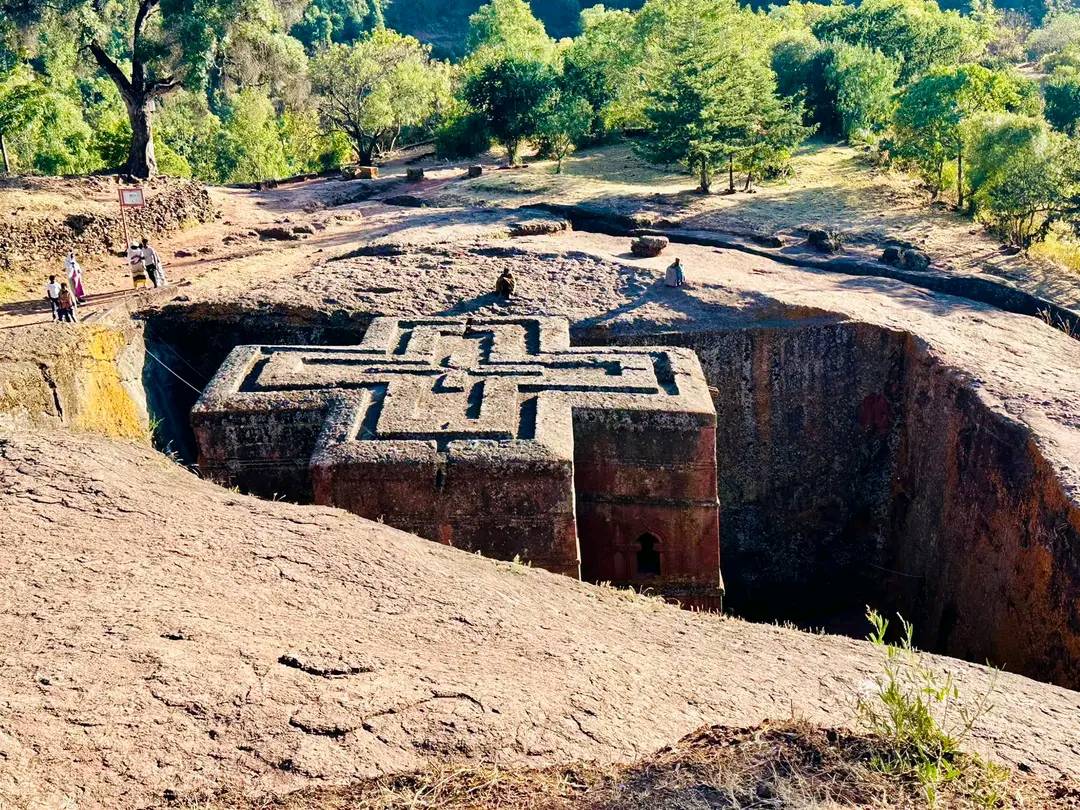
Community Conservancies in Ethiopia (2026): Model & Impact
Community conservancies in Ethiopia empower local people to manage wildlife and land while earning sustainable income. Yet funding gaps and weak governance threaten their long-term viability.

Quick Answer: Community conservancies in Ethiopia are locally managed conservation areas where Indigenous peoples and rural communities jointly protect wildlife and natural resources while generating income from ecotourism and regulated hunting. Ethiopia has 79 protected areas covering 9.4% of the country's land surface, with approximately 18 million people living within 10 km of these areas. However, success depends on transparent governance, fair benefit-sharing, and stable funding—three pillars currently under strain across many sites.
Why Community Conservancies Matter in Ethiopia
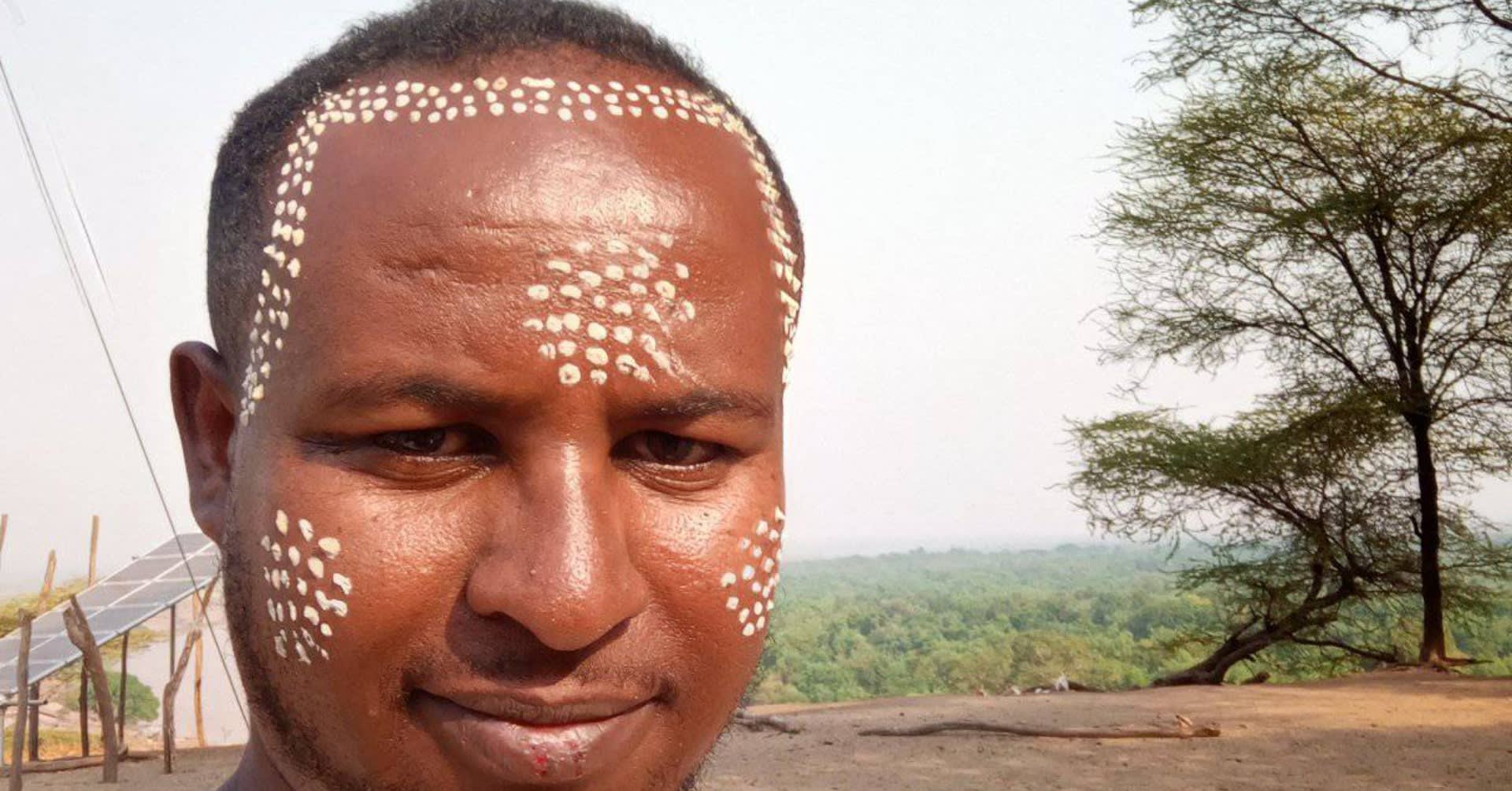
For generations, Ethiopia's Indigenous and pastoral communities have stewarded vast rangelands and forest ecosystems. Yet until recently, they held no formal legal claim to these lands. Community conservancies represent a fundamental shift: they recognize that wildlife protection and human livelihoods are inseparable, and that local communities—not distant government ministries—are the most effective guardians of biodiversity.
In Ethiopia, community conservancies operate within a policy framework that permits local oversight of conservation areas and wildlife resource use. Unlike top-down national park models, these areas integrate conservation with compatible land uses: pastoralism, honey production, ecotourism, and regulated hunting. When managed with transparency and equity, they create a virtuous cycle: communities benefit economically, wildlife populations recover, and ecosystems remain resilient.
The Scale and Geography of Ethiopia's Conservation Network
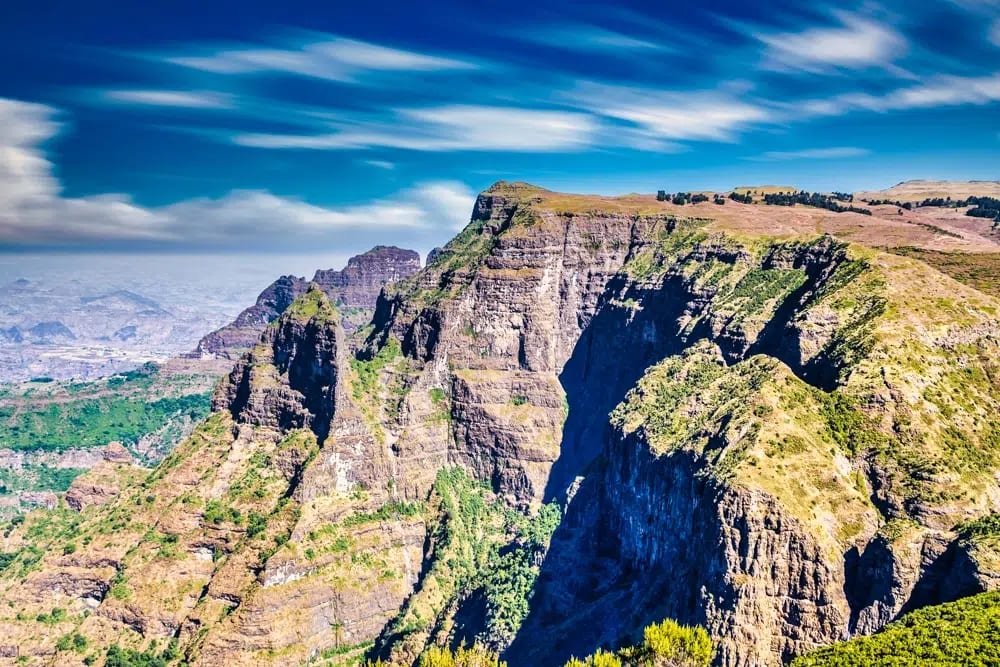
Ethiopia's protected area network is substantial but unevenly distributed. The country manages 79 protected areas across 9.4% of its land surface, encompassing both national parks and community conservation areas. Key sites include the Simien Mountains (UNESCO World Heritage Site), Abijatta-Shalla Lakes, and emerging community-led initiatives in pastoral lowlands.
The human dimension is critical: approximately 18 million people live within 10 km of Ethiopia's protected areas. Most are pastoralists, smallholder farmers, or agro-pastoralists whose survival depends on access to grazing land, water, and forest products. This creates a tension that community conservancies attempt to resolve—not by excluding people, but by making conservation economically rational for them.
Threats to Community Conservancies: Funding, Governance, and Climate
Funding Collapse and Donor Dependency
Ethiopia's largest community conservation area faced an existential crisis in 2025 when USAID funding was cut. The organization was forced to rapidly pivot toward self-sufficiency through tourism revenue and other income streams. This vulnerability is systemic: most community conservancies rely on short-term international grants rather than sustainable local revenue models. When external funding lapses, hard-won expertise, ranger salaries, and community programs evaporate.
Weak Governance and Benefit-Sharing Failures
Research on wildlife tourism and hunting revenue in Ethiopia reveals a troubling pattern: top-down decision-making, lack of accountability, and minimal transparency erode community trust. Communities report feeling excluded from decisions about land use, benefit distribution, and wildlife management. When communities perceive conservation as extractive—benefiting distant officials and foreign tourists while they bear the costs of human-wildlife conflict and restricted grazing—engagement collapses and illegal activity increases.
A comparative study of Simien Mountains National Park (SMNP) found that while tourism revenue and community beneficiaries grew from approximately 2,500 in 2007 to more than 11,000 by 2016, the park continued to face "disjointed administration structure" and centralized decision-making that excluded local voices. By 2020, an estimated 33,084 hectares of forest had been lost due to grazing encroachment and agricultural pressure—a direct result of communities prioritizing livelihood needs over conservation rules they did not help design.
Human-Wildlife Conflict and Livestock Pressure
In the Simien Mountains region alone, approximately 129,000 livestock units graze in and around protected areas, driving habitat degradation and wildlife-livestock competition. Predators (lions, hyenas, leopards) kill livestock; communities retaliate by poisoning predators or encroaching on protected land. Women and youth, who often shoulder the burden of herding and water-fetching, bear the brunt of this conflict but are historically excluded from conservation decision-making.
Climate Variability and Rangeland Degradation
Ethiopia's pastoral zones face recurring droughts and erratic rainfall. Climate stress pushes herders to overgraze communal lands and encroach on protected areas. Community conservancies lack climate adaptation funding and early-warning systems, leaving them vulnerable to cascading ecological and social crises.
What Works: Programmes, Rangers, and Community Leadership
Menz-Guassa Community Conservation Area: A Local Success Story
The Menz-Guassa Community Conservation Area (MGCCA) in the central highlands demonstrates what community-led conservation can achieve. A study of local attitudes found that 100% of respondents expressed positive support for conservation, and the majority benefited from sustainable use of the area—harvesting animal fodder, firewood, water for livestock, and irrigation resources. By combining conservation with livelihood support, MGCCA has avoided the resentment that plagues top-down models.
Ranger Networks and Frontline Protection
Community rangers are the backbone of on-the-ground protection. Globally, approximately 1.5 million rangers work in conservation, yet the majority are underfunded and under-equipped. In Ethiopia, ranger programs funded by conservation organizations and government agencies provide:
- Patrol and anti-poaching operations
- Wildlife monitoring and ecological data collection
- Rapid response to human-wildlife conflict incidents
- Community engagement and intelligence gathering on illegal activity
- Training in conservation technology (GPS, camera traps, drones)
Rangers also bridge community and conservation: they live in the communities they protect, understand local languages and customs, and can communicate wildlife threats and conservation benefits in culturally appropriate ways. Yet ranger salaries are often precarious, tied to annual grant cycles, making it difficult to retain skilled personnel.
Women's Knowledge and Inclusive Decision-Making
Research across Africa shows that women hold distinctive and complementary local knowledge about ecosystems, wildlife behavior, and sustainable resource use—yet they are systematically excluded from conservation committees and policy decisions. In pastoral communities, women manage water access, manage livestock health, and gather forest products; their insights are vital for designing conservation rules that work.
Progressive community conservancies in Ethiopia are beginning to mandate women's representation on management committees. When women are empowered to voice their knowledge and shape decisions, conservation outcomes improve and benefit-sharing becomes more equitable.
Tourism Revenue and Economic Incentives
Ecotourism is a powerful conservation incentive when revenue transparently flows to local communities. In the Simien Mountains, tourism generated sufficient income by 2016 to support over 11,000 community beneficiaries, with projections of more than 19,000 by 2026 (averaging approximately $1,123 income per beneficiary). Safari lodges, guide services, and porter employment create dignified livelihoods that compete with poaching and illegal hunting.
Travelers booking conservation-supporting safaris on SafariFind directly fund ranger wages, community development, and habitat protection—making ecotourism a tangible link between global conservation interest and local livelihoods.
Success Stories: Species Recovery in Protected Areas
Ethiopian Wolves and Walia Ibex: From Brink to Recovery
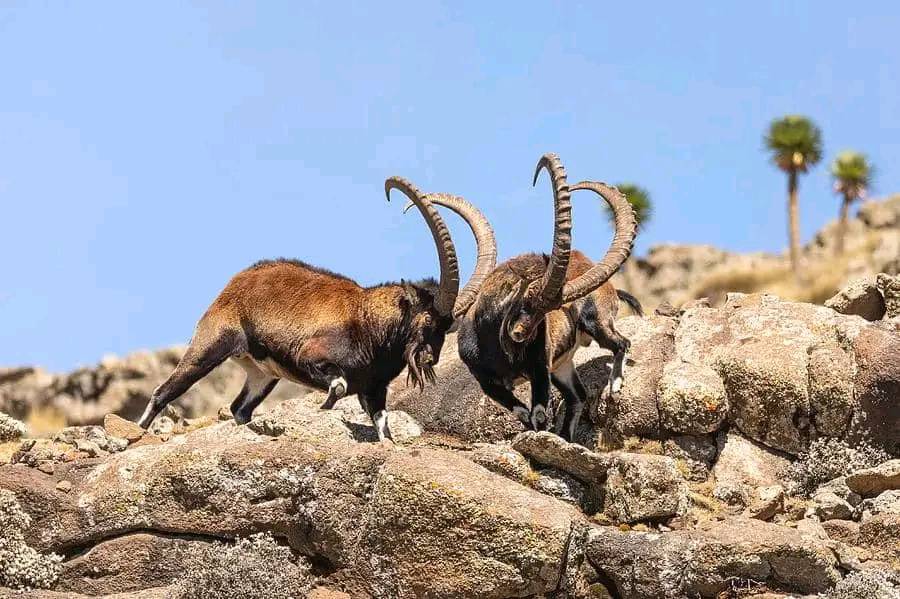
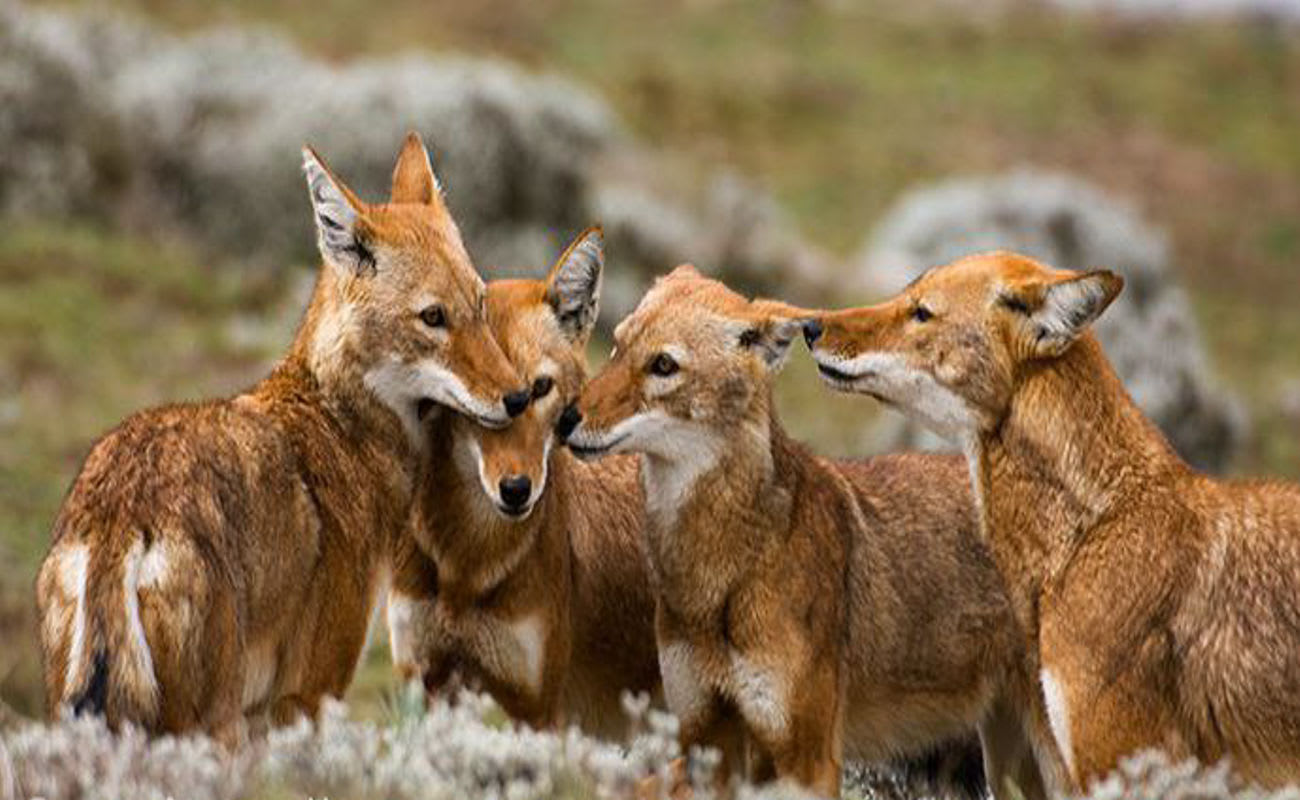
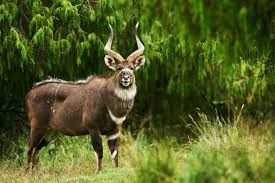
Under current management in the Simien Mountains, endangered species populations have steadily recovered. The Ethiopian wolf (Africa's rarest canid) and the Walia ibex (endemic mountain ungulate) are flagship species whose recovery demonstrates that community-integrated conservation works. These recoveries depend on ranger patrols, habitat restoration, and community buy-in—all pillars of community conservancy models.
For more detail on Ethiopia's flagship species, see our articles on African elephant conservation and black rhino conservation.
The Governance Challenge: Top-Down vs. Community-Led
Ethiopia's national parks are increasingly managed by regional governments and the Ethiopian Wildlife Conservation Authority. While centralized administration can ensure consistent standards, it often alienates local communities. Research comparing Ethiopia's Simien Mountains National Park with China's Qianjiangyuan National Park found that China's success derived partly from formal zoning that clarified and protected community living and production areas. Ethiopia's SMNP, by contrast, maintains more rigid exclusion zones that limit pastoral access.
The evidence is clear: bigger conservation budgets improve wildlife outcomes, but not always for neighboring communities. Funding should therefore be distributed not only to protected areas but also to community development, livelihood support, and fair benefit-sharing mechanisms—a shift that requires donors and governments to prioritize equity alongside biodiversity.
The Role of Transparency and Accountability
Research on wildlife tourism and hunting in Ethiopia identifies a critical gap: "strong local oversight, meaningful community participation and clear, transparent links between revenue and local benefits" are essential, yet "weak oversight, limited community involvement and unequal benefit distribution" currently undermine conservation. Communities need to see where money comes from, how it is spent, and why conservation rules matter for their own security and prosperity.
Successful community conservancies establish transparent governance structures: community assemblies that approve budgets, ranger committees that are accountable to community members, and regular reporting of wildlife counts and tourism revenue. Without transparency, conservation becomes a tool of external control rather than a vehicle for local empowerment.
Climate Change and the Future of Community Conservancies
Ethiopia's rangelands are warming and drying. Pastoral communities are adapting by diversifying livelihoods—adding honey production, handicrafts, and ecotourism to herding. Community conservancies can facilitate this transition by:
- Providing secure, legally recognized land tenure so communities can invest in long-term sustainability
- Funding climate-smart agriculture and rangeland restoration
- Building water harvesting and early-warning systems for droughts
- Supporting youth employment in conservation and tourism so they stay in pastoral areas rather than migrating to cities
Without climate adaptation funding, community conservancies will struggle to retain community support as livelihood pressures intensify.
How Travelers Can Support Community Conservancies
Responsible tourism is a direct conservation tool. When you book a safari or trekking experience in Ethiopia's protected areas, your fees fund ranger patrols, community benefits, and habitat protection. To maximize your impact:
- Choose community-based operators: Book with local guides and lodges that are majority-owned or co-managed by communities. Ask how much revenue stays local.
- Pay fair guide fees: Community guides are expert naturalists and cultural brokers. Fair payment ($20–40 USD per day) ensures they earn dignified livelihoods and stay engaged in conservation.
- Respect local rules: Follow ranger guidance on trail closures, wildlife distance, and photography. These rules protect both you and animals.
- Support women-led enterprises: Prioritize lodges, restaurants, and craft cooperatives run by women. Women's economic empowerment strengthens community conservation.
- Ask questions: Request transparency about how tourism revenue is used. Communities deserve accountability from conservation organizations and tour operators.
- Extend your visit: Longer stays in communities (rather than quick transit) allow deeper engagement and greater economic benefit to locals.
Remaining Challenges and the Path Forward
Community conservancies in Ethiopia are not a panacea. They face real constraints:
- Funding instability: Donor-dependent budgets collapse when grants end, leaving rangers unpaid and programs suspended.
- Limited market access: Remote conservancies struggle to attract tourists and compete with established national parks.
- Weak legal recognition: Community land rights remain contested in some regions, leaving conservancies vulnerable to government land grabs or commercial encroachment.
- Gender inequality: Women are often excluded from decision-making despite holding critical knowledge and bearing livelihood risks.
- Climate stress: Droughts and erratic rainfall undermine pastoral livelihoods and community commitment to conservation.
Yet the evidence also shows that when communities are genuinely empowered, fairly compensated, and trusted with decision-making authority, they become active conservation partners. The global push to conserve 30% of the planet by 2030 will fail unless it is built on a foundation of equity, local leadership, and transparent benefit-sharing. Ethiopia's community conservancies offer a tested model—one that must be scaled with sustained funding, legal security, and respect for local knowledge.
Key Takeaways
- Ethiopia has 79 protected areas covering 9.4% of the country, with approximately 18 million people living nearby.
- Community conservancies integrate wildlife protection with pastoral livelihoods, creating economic incentives for conservation.
- Ranger networks and community-led monitoring are essential but chronically underfunded.
- Transparency, women's inclusion, and fair benefit-sharing are non-negotiable for long-term conservation success.
- Species like the Ethiopian wolf and Walia ibex have recovered under community-integrated management.
- Responsible tourism directly funds conservation; travelers can maximize impact by choosing community-based operators and paying fair guide fees.
Last reviewed August 2026. Conservation data changes — see the cited sources for the latest figures.
Frequently Asked Questions
What is a community conservancy in Ethiopia?
A community conservancy is a conservation area owned and managed by local communities for wildlife protection and compatible land uses—pastoralism, honey production, ecotourism, and regulated hunting. Communities hold legal rights to the land and make decisions about resource use and benefit-sharing, distinguishing conservancies from top-down national parks. In Ethiopia, this model is enabled by wildlife policies that permit local administration of conservation areas.
How many protected areas does Ethiopia have?
Ethiopia has 79 protected areas covering 9.4% of the country's land surface. These include national parks and community conservation areas, most now managed by regional governments or the Ethiopian Wildlife Conservation Authority. Approximately 18 million people live within 10 km of these protected areas.
Why are community conservancies important for wildlife in Ethiopia?
More than 65% of wildlife in East Africa is found on community and private land, not in national parks. In Ethiopia, pastoral communities have stewarded rangelands for generations. Community conservancies formalize this stewardship by giving communities legal rights and economic incentives to protect wildlife. When communities benefit fairly from conservation, they become active partners rather than reluctant bystanders.
What threatens community conservancies in Ethiopia?
The main threats are: (1) funding collapse when international grants end, (2) weak governance and lack of community participation in decisions, (3) unequal benefit-sharing that leaves communities feeling exploited, (4) human-wildlife conflict as predators kill livestock, (5) livestock overgrazing (approximately 129,000 units in the Simien Mountains region alone), and (6) climate-driven drought that pushes communities to encroach on protected areas.
Are endangered species recovering in Ethiopia's community conservancies?
Yes. The Ethiopian wolf and Walia ibex, both critically endangered, have steadily recovered under community-integrated management in the Simien Mountains. However, recovery is fragile: by 2020, an estimated 33,084 hectares of forest had been lost to grazing and agricultural encroachment, showing that success is incomplete without addressing livelihood needs.
How does ecotourism support community conservancies?
Ecotourism generates revenue that, when transparently distributed, funds ranger wages, community development, and habitat protection. In the Simien Mountains, tourism supported over 11,000 community beneficiaries by 2016, with projections of more than 19,000 by 2026 (averaging approximately $1,123 income per beneficiary). However, revenue only benefits communities if governance is transparent and communities control decision-making.
What role do women play in community conservancies?
Women hold distinctive local knowledge about ecosystems, water access, livestock health, and forest products, yet are historically excluded from conservation committees. Research shows that when women are included in decision-making, conservation outcomes improve and benefit-sharing becomes more equitable. Progressive conservancies mandate women's representation on management boards.
What happened to Ethiopia's largest community conservation area in 2025?
When USAID funding was cut in 2025, the organization was forced to rapidly pivot toward self-sufficiency through tourism revenue and other income streams. This illustrates a systemic vulnerability: most community conservancies depend on short-term international grants rather than sustainable local revenue models, making them fragile when external funding lapses.
How can travelers support community conservancies in Ethiopia?
Book with community-based operators and local guides, pay fair guide fees ($20–40 USD per day), respect ranger guidance, prioritize women-led enterprises, ask questions about revenue transparency, and extend your visit to maximize local economic benefit. Tourism revenue directly funds ranger protection and community development when it flows transparently to local communities.
Why is transparent governance crucial for community conservancies?
Research shows that top-down decision-making, lack of accountability, and minimal transparency erode community trust and lead to disengagement and illegal activity. When communities cannot see how money is spent or have no voice in conservation rules, they prioritize immediate livelihood needs over long-term protection. Successful conservancies establish transparent budgets, community assemblies, and regular reporting.
What is the biggest barrier to scaling community conservancies in Ethiopia?
Funding instability is the critical constraint. Conservancies dependent on short-term international grants cannot retain skilled rangers or plan long-term programs. Sustainable models require either stable government budgets, secure tourism revenue, or diversified local income streams—none of which are guaranteed in remote pastoral areas.
How do community conservancies balance wildlife protection with pastoral livelihoods?
Community conservancies integrate conservation with compatible land uses: pastoralism, honey production, ecotourism, and regulated hunting. This allows communities to earn income while protecting habitat. However, success requires zoning (clearly designating conservation, grazing, and settlement areas), transparent rules, and community buy-in—elements that centralized national parks often lack.
V2Ui.sources
- Just Conservation - Ethiopia's national parks are working for wildlife – but not always for the people living near them
- The Origins Foundation - In-Depth Look at Community-Led Conservation in Ethiopia
- Academia.edu - Review on Ethiopian wildlife policies
- Mongabay - After USAID cut, Ethiopia's largest community conservation area aims for self-sufficiency
- Comparative Analysis of Conservation Strategies and Outcomes in Simen Mountains National Park (SMNP), Ethiopia and Qianjiangyuan National Park (QNP), China
- Community Conservation in Ethiopia's MGCCA - Menz-Guassa Community Conservation Area
- IFAW - What are wildlife rangers?
- ScienceDirect - Women's local knowledge: An important factor in effective community-based wildlife management
Related to
Ready to start your safari adventure?
Explore curated safari packages and find your perfect African adventure with verified operators.