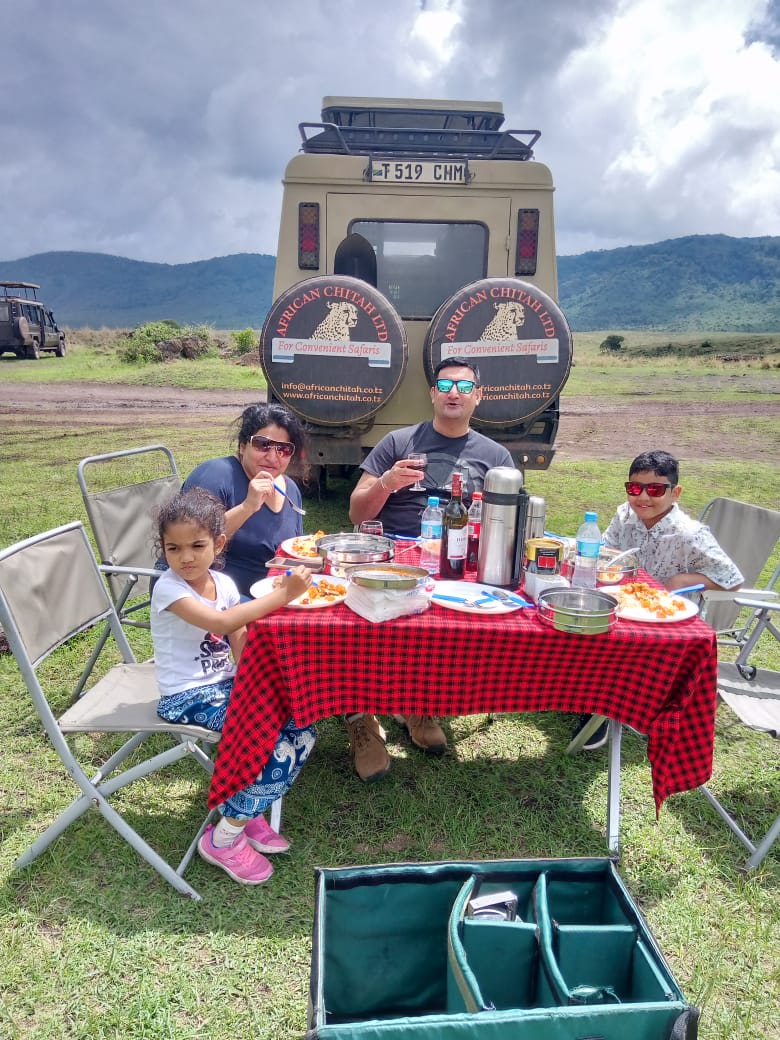
Complete Budget Guide to Serengeti and Ngorongoro Safari Packages Under $4000 for American Travelers
American travelers can explore Tanzania's Serengeti and Ngorongoro Crater for under $4000 with shared game drives, basic accommodations, and cultural experiences. Budget safari packages typically rang
Budget Serengeti & Ngorongoro Safari Under $4000
American travelers can explore Tanzania's Serengeti and Ngorongoro Crater for under $4000 with shared game drives, basic accommodations, and cultural experiences. Budget safari packages typically range from $1,900 to $3,000 per person and include daily wildlife viewing, meals, and park fees, making African adventure accessible without luxury pricing.
What Is a Budget Serengeti and Ngorongoro Safari Under $4000?
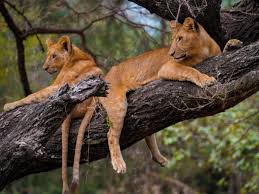
A budget Serengeti and Ngorongoro safari under $4000 gives you an authentic African adventure without breaking the bank. These packages combine shared game drives, basic but comfortable accommodations, and guided experiences across Tanzania's most famous wildlife areas. You'll see lions, elephants, zebras, and wildebeest in their natural habitat while staying within a realistic budget.
Unlike luxury safaris costing $500+ per day, budget options typically run $300 to $600 daily. [4] This price range reflects shared vehicles, set departure times, and simpler lodging. However, you still get access to the same national parks and wildlife viewing opportunities that make Tanzania a world-class safari destination.
Key Features of Budget Safari Packages
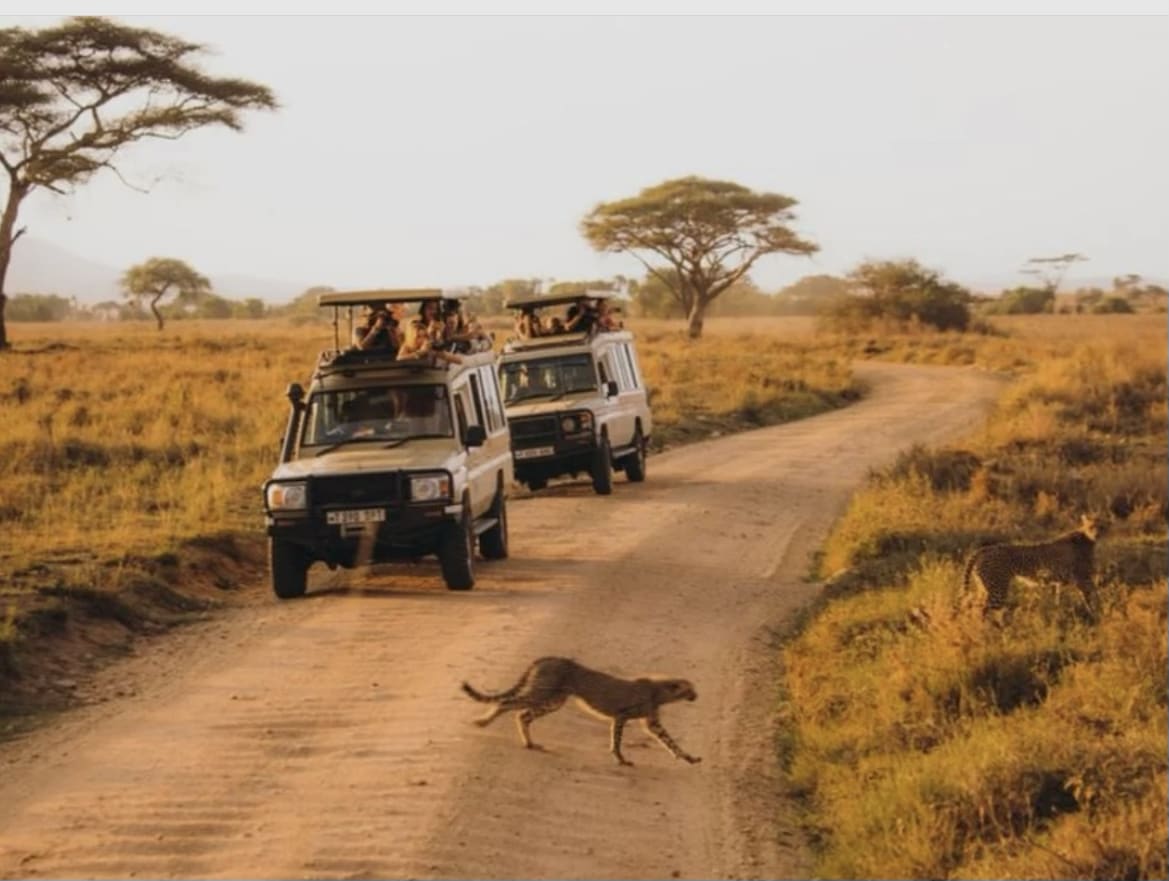
Budget safaris include several core components. Daily game drives happen at specific times with other travelers sharing your vehicle. [3] You'll eat basic but filling meals at your lodge or camp, and most packages cover park entrance fees and transportation between locations.
Many budget packages also add special activities beyond standard game drives. These might include guided bush walks, night drives to spot nocturnal animals, or visits to local Maasai villages. [5] This mix of wildlife and cultural experiences creates memories without premium pricing.
Why Budget Safaris Matter for American Travelers
Tanzania safari bookings have jumped 21 percent recently, showing growing interest among American travelers. [4] Budget options make this dream trip possible for families and individuals who couldn't otherwise afford it. You experience the same stunning landscapes and wildlife encounters as luxury tourists—just with shared resources and simpler amenities.
Budget safaris also teach conservation. Many operators include educational components about wildlife protection and ecosystem management. You learn why these parks matter while supporting local communities through your tourism dollars.
Main Information: What You Get for Your Money
Understanding what your $4000 budget covers helps you plan better. A typical 7-day safari costs between $1,900 and $3,000 per person for the core package. [4] This leaves room in your overall budget for flights, travel insurance, and personal spending money.
Accommodations: Where You'll Stay
Budget safaris offer two main lodging types: basic lodges and tented camps. Lodges provide permanent structures with private bathrooms and beds. Tented camps put you closer to nature with canvas accommodations and shared or private facilities. Both options keep costs down compared to luxury resorts.
Expect clean, functional rooms with mosquito nets and basic furnishings. You won't find fancy amenities, but you'll have what you need for a good night's sleep after exciting game drives. Many camps operate sustainably, using solar power and local materials to reduce environmental impact.
Game Drives: Your Wildlife Viewing Experience
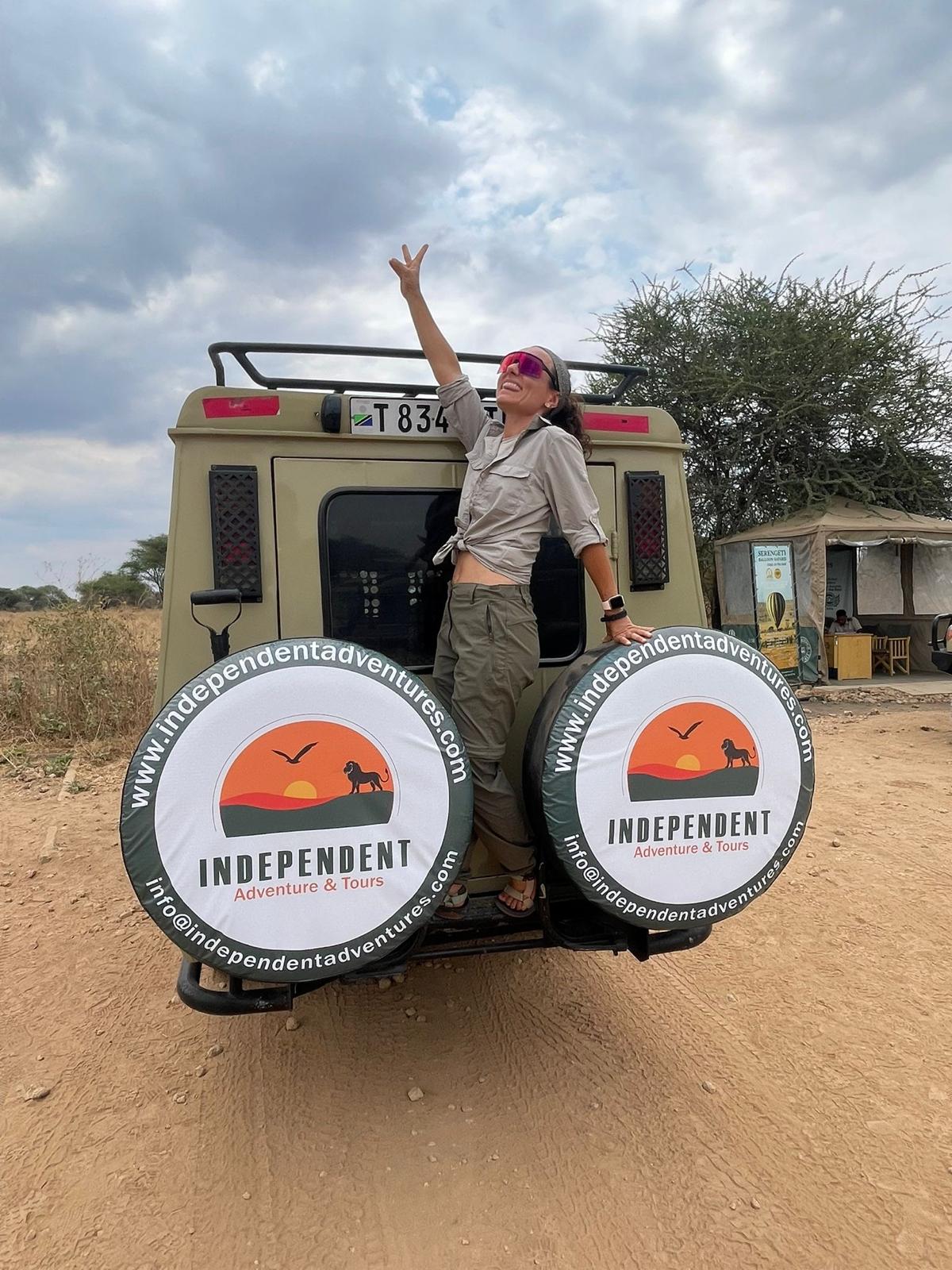
Budget packages include daily game drives in shared safari vehicles. These typically happen early morning and late afternoon when animals are most active. [3] You'll drive through grasslands, woodlands, and crater areas searching for wildlife with an experienced guide.
Shared vehicles mean fewer people per guide compared to some tours, but more than absolute private options. This keeps costs down while still providing good viewing experiences. Guides are trained professionals who know animal behavior and park geography well.
Meals and Food
Budget safari meals are basic but adequate. Breakfast typically includes eggs, bread, fruit, and tea or coffee. Lunch might be rice, beans, chicken, or vegetables. Dinner follows similar patterns with local and international options.
Meals are simpler than luxury lodges but filling and generally tasty. Most operators accommodate dietary restrictions if you notify them in advance. You'll eat communally with other guests, which often leads to friendships and shared safari stories.
What's Included vs. What Costs Extra
Most budget packages include accommodations, meals, game drives, and park entrance fees. Some also cover guide services and transportation between locations. However, you typically pay extra for activities like hot air balloon rides, additional night drives, or visits to specific attractions.
Airport transfers, travel insurance, and tips for guides aren't usually included. Budget $100-200 for tips and $50-100 for transfers. International flights from the US to Tanzania typically cost $800-1,500 depending on your departure city and travel dates.
Practical Guide: How to Plan Your Budget Safari
Planning a budget safari requires research and smart booking. Start by understanding what's included in different packages and comparing operators. SafariFind connects you with verified tour operators who offer transparent pricing and authentic traveler reviews, making comparison easier.
Step 1: Choose Your Travel Dates
Timing affects both price and wildlife viewing quality. The dry season (June-October and January-February) offers the best game viewing but higher prices. The rainy season (March-May and November-December) brings fewer tourists, lower prices, and lush landscapes—though some roads become difficult.
Travel in shoulder seasons (May-June or October-November) for a middle ground. You'll find reasonable prices with decent wildlife viewing. Avoid peak holiday times when American travelers flood the region and prices spike.
Step 2: Research Verified Operators
Not all budget operators maintain the same standards. Look for companies with consistent positive reviews and transparent pricing. SafariFind's marketplace features verified tour operators with authentic traveler feedback, helping you identify reliable partners.
Check how long operators have been in business and what past travelers say about their experiences. Read reviews mentioning guide quality, food, accommodations, and wildlife sightings. Legitimate operators welcome questions about their practices and can provide references.
Step 3: Compare Packages and Prices
Different operators offer different combinations of destinations and activities. A 5-day package might focus only on Serengeti, while a 7-day includes both Serengeti and Ngorongoro Crater. Compare what each package includes—game drives, meals, activities, and park fees vary.
Use SafariFind to browse safari packages and request quotes from multiple operators. Many offer custom itineraries tailored to your interests and budget. Getting several quotes helps you understand fair pricing and spot unusual deals that might indicate quality issues.
Step 4: Budget Beyond the Package
Your $4000 budget should account for more than just the safari package. Plan for international flights ($800-1,500), travel insurance ($100-200), airport transfers ($50-100), tips for guides ($100-200), and personal spending money for souvenirs and activities.
This breakdown shows how a $4000 total budget typically divides: $1,900-3,000 for the safari package, $800-1,500 for flights, $200-400 for other costs. If you're flexible, consider traveling during slower seasons to stretch your budget further.
Step 5: Prepare for Your Trip
Budget safaris require some preparation. Get vaccinations recommended for Tanzania—yellow fever, typhoid, and malaria prevention are common. Pack appropriate clothing: neutral colors for game drives, warm layers for cool mornings, and rain gear for wet seasons.
Bring binoculars, sunscreen, insect repellent, and a good camera. Most importantly, set realistic expectations. Budget safaris deliver authentic experiences, but you're sharing resources with other travelers and staying in basic accommodations. Approach the trip with flexibility and appreciation for the African experience.
Budget Safari Destinations and What to Expect
The Serengeti and Ngorongoro Crater represent Tanzania's premier safari destinations. Understanding each helps you decide which to prioritize or whether to visit both.
Serengeti National Park
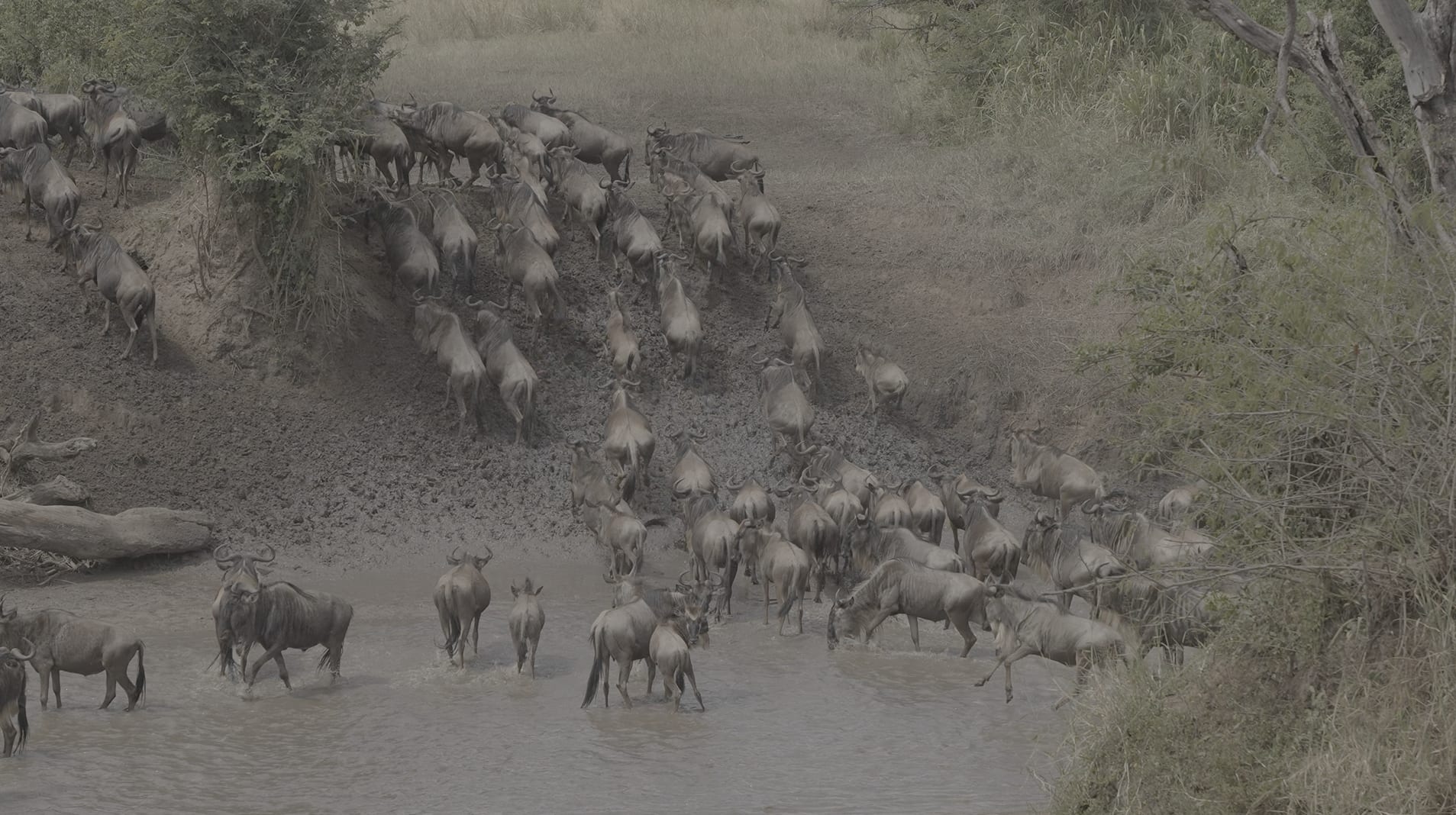
The Serengeti covers nearly 5,900 square miles of grassland and woodland in northern Tanzania. It's famous for the Great Migration, where over 1.5 million wildebeest and zebras move across the landscape following rainfall patterns. Even outside migration season, the Serengeti offers exceptional wildlife viewing with lions, leopards, elephants, and countless bird species.
Budget safaris in the Serengeti use shared vehicles on designated game drive routes. You won't have exclusive access to prime viewing areas, but experienced guides know where animals congregate. The Serengeti's vast size means you'll rarely feel crowded, even with shared transportation.
Ngorongoro Crater
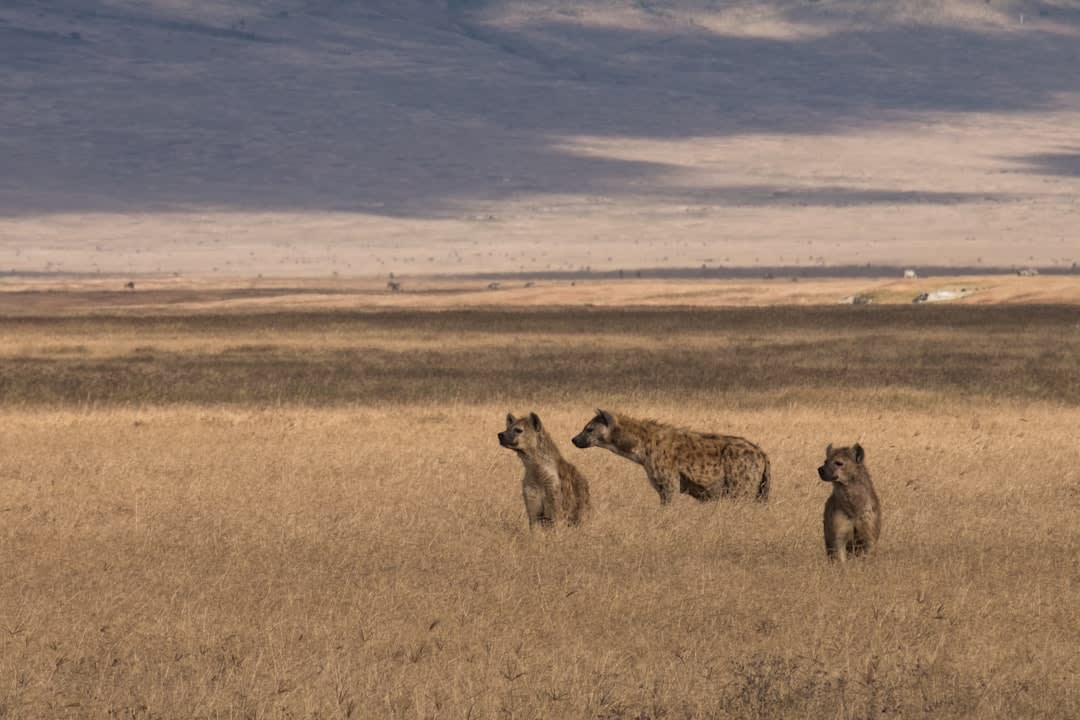
The Ngorongoro Crater is a geological marvel—a massive volcanic caldera containing its own ecosystem. The crater floor hosts dense wildlife populations including lions, rhinos, buffalo, and hyenas. The enclosed environment concentrates animals, making wildlife viewing reliable and close.
Most safaris descend into the crater for a full day of game drives, then return to rim-level accommodations. The dramatic landscape provides stunning photography opportunities. Budget packages typically include one crater day, though you can arrange additional visits for extra fees.
Combining Both Destinations
Many budget packages combine Serengeti and Ngorongoro in 6-8 day itineraries. [5] The "Tanzania Adventure" itinerary visits both locations plus Lake Manyara and other sites over six days, including daily game drives and cultural village visits. This combination gives diverse experiences—massive plains in the Serengeti and concentrated wildlife in the crater.
Combining destinations requires more driving but maximizes your safari experience. Budget packages handle transportation logistics, so you simply move between locations as scheduled.
Hidden Costs and Budget Considerations
Understanding hidden costs prevents budget surprises. Park fees, concession charges, and government taxes add significantly to your total cost.
Park Fees and Taxes
Serengeti National Park charges entrance fees that operators typically include in package prices. However, additional fees accumulate: TAASA concession fees, 1% tourism development levies, government taxes, and park maintenance charges total around $150 per person per night. [7] Some operators clearly itemize these; others bundle them into quoted prices.
Always ask operators to break down total costs including all fees. This transparency helps you compare true prices across different companies. Budget packages sometimes quote lower prices but add fees later—verify what's actually included.
Optional Activities
Budget packages include daily game drives, but additional activities cost extra. Hot air balloon rides over the Serengeti run $400-600. Night drives searching for nocturnal animals add $50-100. Bush walks and cultural village visits typically cost $30-75 each.
These activities enhance your experience but aren't necessary. Many travelers find standard game drives sufficient. Decide in advance which activities interest you and budget accordingly.
Food and Beverages
While meals are included, alcoholic beverages, bottled water, and snacks often aren't. Budget $5-10 daily for drinks and extras. Some travelers bring electrolyte powder to add to water, reducing costs on bottled beverages.
Tipping guides isn't mandatory but is customary. Plan $5-10 per guide per day. This shows appreciation for their expertise and supports their livelihoods directly.
Finding the Right Budget Safari Operator
Your operator choice determines safari quality. Finding verified, reliable companies ensures you get value for your money and avoid scams or poor experiences.
What to Look for in Operators
Reputable operators have established track records with consistent positive reviews. Look for companies mentioning custom itineraries tailored to traveler interests and pace—from private safaris to nature-based excursions. [6] They should clearly explain what's included, provide transparent pricing, and offer customer support before and during your trip.
Verify that operators hold proper licenses and insurance. Ask about guide training and experience. Good operators invest in staff development and maintain high service standards even at budget prices.
Using SafariFind for Operator Research
SafariFind's marketplace connects you with verified tour operators offering Serengeti and Ngorongoro packages. Browse verified packages, read authentic traveler reviews, and compare prices across multiple operators. Request quotes directly from operators and communicate specific needs or preferences.
SafariFind's review system highlights what past travelers experienced—accommodations quality, guide expertise, wildlife sightings, and value for money. This transparency helps you make confident decisions about which operator suits your trip best.
Red Flags to Avoid
Be cautious of operators offering prices significantly below market rates—typically $300-600 daily for budget safaris. Unusually low prices often indicate corner-cutting on accommodations, meals, or guide quality. Avoid operators who can't provide references or detailed package information.
Never pay full amounts upfront through unsecured methods. Legitimate operators accept credit cards, bank transfers, or established payment platforms. Require written confirmation of all package details before paying.
Key Takeaways
Budget safaris cost $1,900-3,000 per person for 5-7 days, leaving room in your $4000 budget for flights, insurance, and extras. Compare packages on SafariFind to find the best value for your travel dates.
Understand total costs including hidden fees: Park fees, taxes, and concession charges add roughly $150 per person per night. Always ask operators for complete cost breakdowns before booking.
Choose travel dates strategically: Shoulder seasons (May-June, October-November) offer lower prices than peak months while maintaining good wildlife viewing and weather conditions.
Research verified operators thoroughly: Read authentic traveler reviews on SafariFind, verify licenses and insurance, and request multiple quotes. Avoid unusually cheap deals that may indicate quality compromises.
Prepare realistically for budget accommodations: Expect clean, functional rooms and basic meals—not luxury amenities. Pack appropriately for African conditions and set flexible expectations for a rewarding authentic experience.
Frequently Asked Questions
Can I really do a Serengeti and Ngorongoro safari for under $4000 as an American traveler?
Yes. Budget packages run $1,900-3,000 per person for 6-8 days. [4] Add $800-1,500 for flights, $200-400 for other costs, and you stay within $4000. Travel during shoulder seasons for the best value. Book through SafariFind to compare verified operators and find packages matching your budget.
What's included in a typical budget safari package?
Budget packages include accommodations, meals, daily game drives with guides, and park entrance fees. Some add activities like bush walks or village visits. Activities like hot air balloons cost extra. Always confirm exact inclusions before booking—operators vary in what they provide.
How do shared game drives compare to private safari vehicles?
Shared vehicles cost less but seat multiple travelers with one guide. [3] You see the same wildlife and landscapes as private safari guests. Shared drives sometimes limit flexibility on timing and route changes, but experienced guides ensure good viewing experiences. Most budget travelers find shared drives perfectly satisfactory.
What's the best time to visit for budget safaris?
Shoulder seasons (May-June, October-November) offer lower prices and good wildlife viewing. Dry season (June-October, January-February) has the best animal sightings but costs more. Rainy season (March-May, November-December) offers the lowest prices and lush scenery, though some roads become difficult.
How can I find reliable budget safari operators?
Use SafariFind to browse verified operators with authentic traveler reviews. Compare multiple quotes, verify operator licenses, and read what past travelers experienced regarding accommodations, guides, and wildlife sightings. Avoid operators offering prices far below market rates or unable to provide references.
Are there hidden costs beyond the safari package price?
Yes. Park fees, taxes, and concession charges total about $150 per person per night. [7] Optional activities, alcoholic beverages, tips, and souvenirs cost extra. Budget $100-200 for tips and $50-100 for optional activities. Always ask operators for complete cost itemization upfront.
Can I customize a budget safari itinerary to my interests?
Many operators offer custom-designed safaris tailored to traveler interests and pace. [6] You can emphasize wildlife photography, cultural experiences, or specific destinations. SafariFind connects you with operators offering customization—request quotes specifying your preferences and they'll design itineraries accordingly.
Conclusion: Start Your Budget Safari Adventure
A Serengeti and Ngorongoro safari under $4000 is achievable for American travelers willing to embrace budget accommodations and shared experiences. These packages deliver authentic African adventures—incredible wildlife viewing, cultural encounters, and unforgettable landscapes—without luxury pricing. You'll see the same majestic animals and stunning vistas as tourists spending twice as much.
Success requires smart planning: travel during shoulder seasons, compare verified operators, understand total costs including fees, and set realistic expectations about accommodations. The rewards justify the effort. Budget safaris support local communities, provide conservation education, and create memories that last lifetimes.
Ready to book your budget safari? Explore verified safari packages on SafariFind and compare options from trusted operators. Browse tour operators specializing in budget-friendly Serengeti and Ngorongoro experiences. Request quotes from multiple verified operators to find the best value for your budget and travel dates. Read authentic traveler reviews to see what past guests experienced. Your dream African safari awaits—start planning today.
Plan Your Safari with SafariFind
These recommendations use real data from SafariFind, where you can compare operators, browse packages, and read verified traveler reviews before you book.
Top Safari Packages from SafariFind
References
Forbes: This Ultra-Luxury Safari Lodge Will Debut In The Serengeti In June 2024
CNBC: Luxury Safaris Are Changing — Here's What Affluent Travelers Want Now
Business Insider Africa: Asian Travelers Turn to Africa for Safari Experience
Travel Weekly: Contiki Expands African Safaris for Young Travelers
Business Insider Markets: Foot Slopes Tours Introduces New Line of Tanzania Safari Vacations
Business Insider: TAASA Lodge Near Africa's Serengeti National Park Offered Safari Perks
Related to
Ready to start your safari adventure?
Explore curated safari packages and find your perfect African adventure with verified operators.