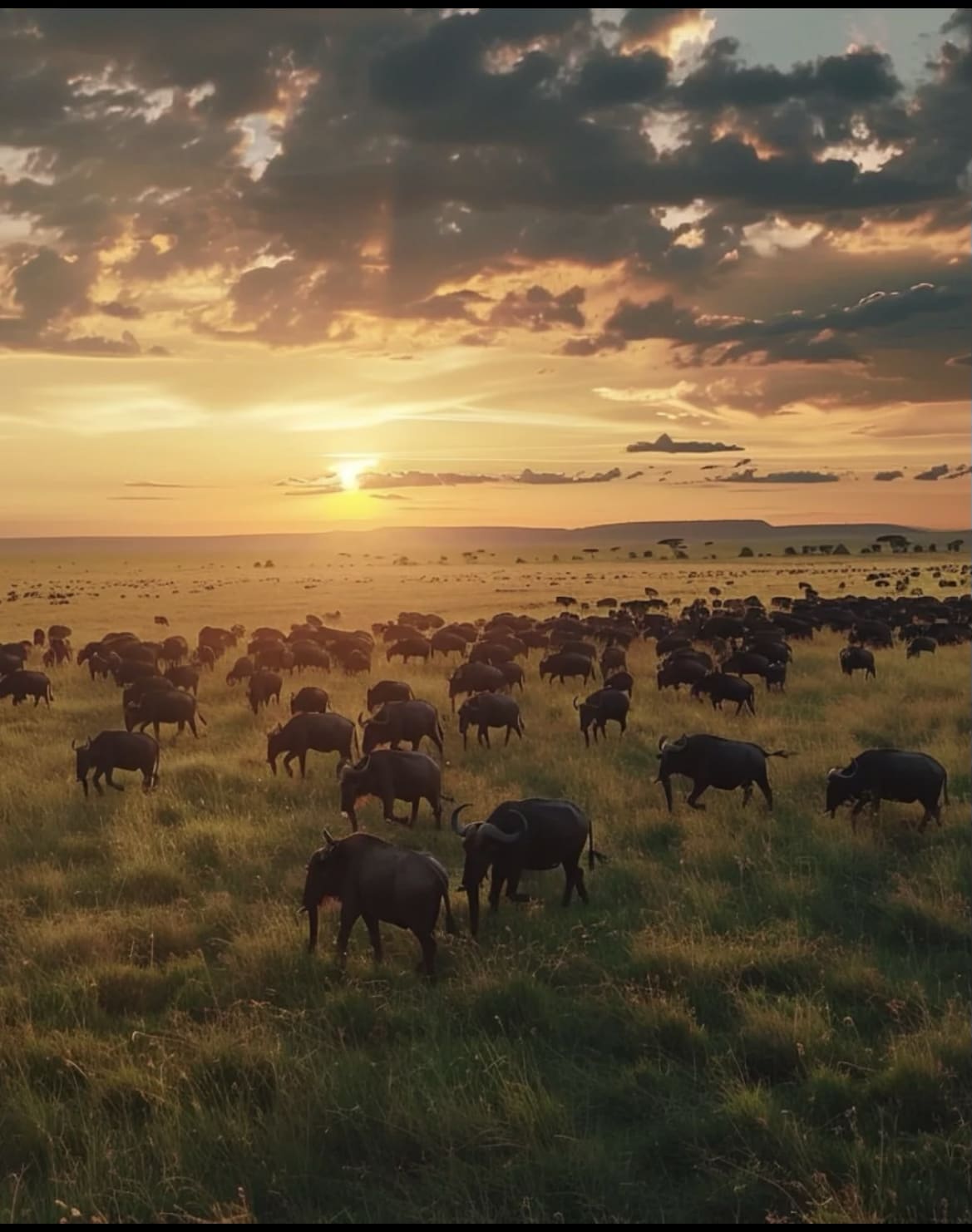
Eswatini Horse Safari: Cost, Best Lodges & Booking 2026
7-night Eswatini horse safari costs £1,295–£1,405 ($1,740–$1,885) in 2026. Discover best lodges, booking tips, and what's included in your adventure.
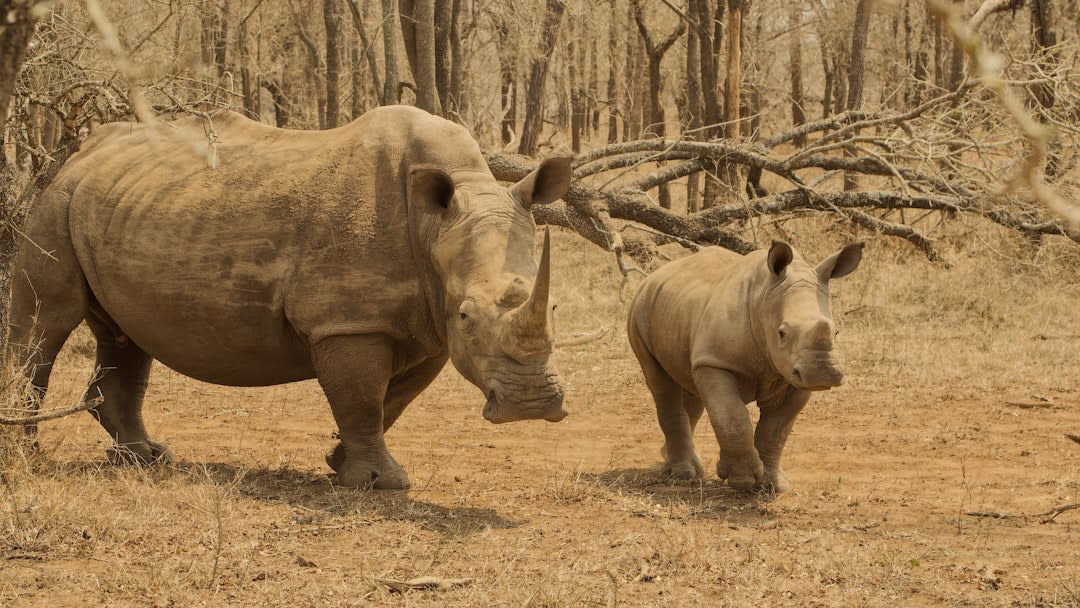
Eswatini Horse Safari: Cost & Best Lodges
Last updated: July 2026
A 7-night Eswatini horse safari costs £1,295–£1,405 per person (about $1,740–$1,885) in 2026, including lodging, meals, and guided rides. The best time to visit is May through September for cooler weather and clear skies. Book 3–6 months ahead through verified operators to secure your spot and compare package options.
At a Glance
- Cost: £1,295–£1,405 per person for 7 nights (approximately $1,740–$1,885)
- Best time: May–September (dry season, mild temperatures)
- Duration: 7 nights recommended for full experience
- Getting there: Fly to Johannesburg or Maputo, then drive to Eswatini (2–4 hours)
- Best for: Experienced and beginner riders seeking cultural immersion
- Wildlife highlights: Antelope, zebras, birds, and scenic mountain valleys
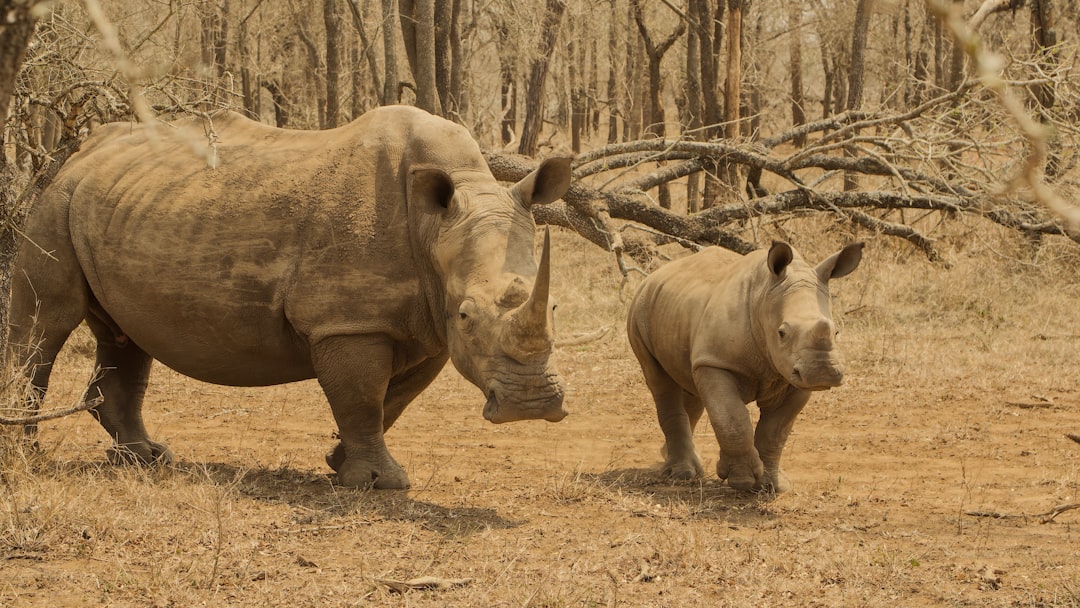
What Is an Eswatini Horse Safari?
An Eswatini horse safari is a guided riding adventure through the kingdom of Eswatini (formerly Swaziland) that combines horseback exploration with cultural experiences. You spend your days riding through national parks, rural villages, and scenic highlands while staying at comfortable lodges. Each evening, you return to your accommodation for meals and rest.
Eswatini horse safaris differ from traditional vehicle-based safaris because you explore the landscape at a slower pace on horseback. This allows you to see wildlife like antelope and zebras while experiencing local Swazi culture firsthand. The rides typically last 4–6 hours daily, with varying terrain from grasslands to forest trails.
Most tours include seven nights of accommodation, all meals, professional guides, and well-trained horses. Some packages offer optional activities like visits to Swazi craft markets, cultural performances, or day trips to nearby game reserves. The experience suits both experienced riders and beginners willing to learn.
Why Choose a Horse Safari in Eswatini?
Eswatini offers authentic wildlife viewing without the crowded tourist experience found in larger parks like Kruger. The kingdom's compact size means you can see diverse landscapes—from lowveld savannas to highland forests—in just one week. Horse safaris provide a more intimate connection to the environment and local communities than vehicle safaris.
The cost is significantly lower than safaris in Kenya or Tanzania. A 7-night horse safari in Eswatini costs £1,295–£1,405 per person, compared to $2,500–$5,000 for similar durations in East Africa. This makes Eswatini an excellent choice for budget-conscious travelers seeking authentic safari experiences.
Additionally, Eswatini's proximity to South Africa and Mozambique makes it convenient to reach. You can combine a horse safari with other regional activities, creating a multi-country adventure. The kingdom is also less crowded than major safari destinations, offering a more personal experience with guides and fellow travelers.
How Much Does an Eswatini Horse Safari Cost in 2026?
A 7-night Eswatini horse safari costs between £1,295 and £1,405 per person in 2026, depending on accommodation type and departure date. This translates to approximately $1,740–$1,885 USD or €1,520–€1,645 EUR. Prices for single rooms are slightly higher, ranging from £1,405 to £1,455 per person for 7 nights.
What's Included in the Price?
The quoted price covers seven nights of accommodation at safari lodges, all meals from dinner on arrival through breakfast on departure, and daily guided horseback rides. Horses, saddles, and riding equipment are provided. Professional guides lead all activities and share knowledge about local culture, wildlife, and history.
Most packages also include basic travel insurance, use of lodge facilities, and access to common areas. Some itineraries offer optional add-ons like camping nights (adding £95–£100 to the total), spa treatments, or private vehicle transfers from the nearest airport.
What Costs Extra?
International flights to South Africa or Mozambique are not included and typically cost $400–$1,200 depending on your departure city. Ground transfers from Johannesburg or Maputo to your lodge cost £50–£100 per person. Gratuities for guides and staff are customary (10–15% of the total package cost).
Alcohol, beverages beyond water and tea, and personal items are additional expenses. Travel insurance is recommended but not always included. Optional activities like cultural village visits or day trips to nearby reserves may cost £30–£80 extra.
Compare verified operators offering Eswatini horse safaris on SafariFind to find packages within your budget and read authentic traveler reviews before booking.
Seasonal Price Variations
Eswatini horse safari prices remain relatively stable year-round in 2026, but departures in December and January (peak holiday season) may cost 10–15% more. Shoulder season departures in March–April and September–October occasionally offer slight discounts. Early booking (3–6 months ahead) often secures better rates and guarantees your preferred departure date.
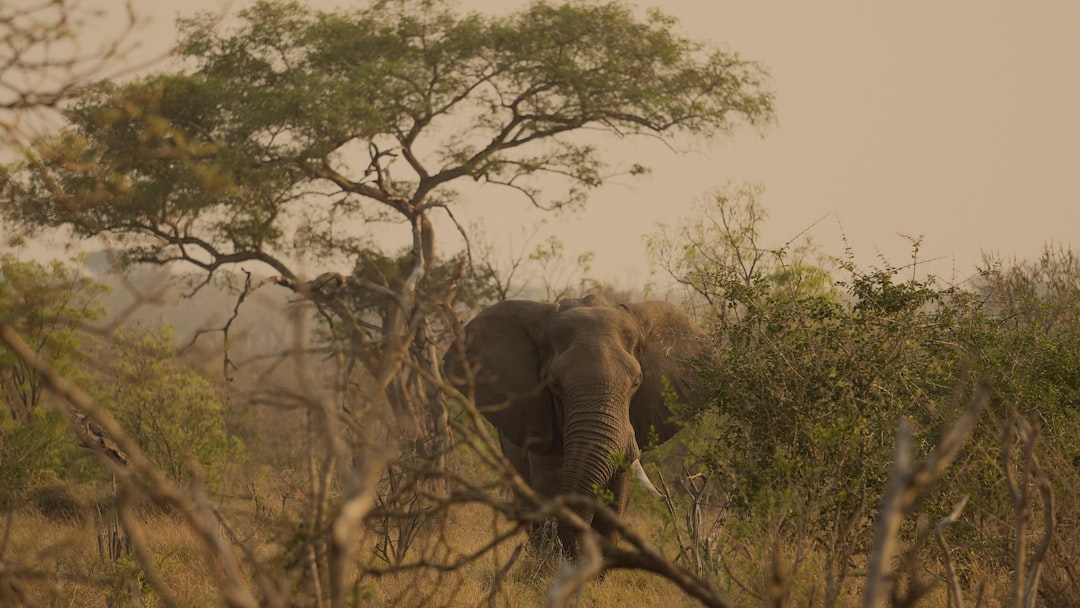
Best Lodges for Eswatini Horse Safaris
Most Eswatini horse safari packages use comfortable mid-range lodges with private rooms, shared bathrooms, and basic amenities. Luxury lodges offering full en-suite bathrooms, fine dining, and premium facilities typically charge $200–$300 per night. Budget lodges cost $100–$150 nightly but offer clean, simple accommodations.
Chubeka Trails Lodges
Chubeka Trails operates the most established horse safari program in Eswatini through Big Game Parks. Their lodges are located near Mlilwane Wildlife Sanctuary and Hlane Royal Park, offering easy access to diverse riding terrain. Accommodations feature private rooms with en-suite bathrooms, communal dining areas, and evening entertainment.
Chubeka Trails offers two itinerary options: a standard 7-night program (£1,295 per person) and an extended version with two camping nights included (£1,390 per person). The camping experience adds adventure while remaining affordable. All meals are prepared on-site using fresh local ingredients and South African produce.
Equus Journeys Accommodations
Equus Journeys partners with several Eswatini lodges for their "Mlilwane Explorer" and cultural riding programs. Their December 2026 departures cost £1,395–£1,800 depending on accommodation type and include 7 nights in comfortable mid-range properties. These lodges emphasize authentic Swazi hospitality and locally sourced meals.
Farandride Safari Lodges
Farandride offers the "Swazi Culture and Scenery" horse safari using partner lodges in the Malkerns Valley and northern highlands. Their accommodations provide chalets with full kitchens, allowing self-catering options. Prices range from £1,300 to £1,405 per person for 7 nights, with meals included in standard packages.
Lodge locations in the Malkerns Valley provide access to craft markets, cultural villages, and scenic viewpoints. Many lodges stock South African grocery brands, and nearby supermarkets in Mbabane and Manzini offer fresh produce from roadside stalls. This flexibility suits travelers with dietary preferences or those wanting to explore local food culture.
Lodge Amenities and Standards
Mid-range safari lodges in Eswatini typically feature secure parking, WiFi in common areas, hot water systems, and 24-hour front desk service. Most have swimming pools, lounge areas with fireplaces, and outdoor decks for wildlife viewing. Meals are served communally, encouraging interaction among fellow riders.
Luxury properties add extras like air conditioning, premium toiletries, spa services, and wine selections. Budget lodges provide clean beds, basic bathrooms, and hearty meals but fewer amenities. Choose based on your comfort preferences and budget. SafariFind's Eswatini Luxury Safari Lodges guide provides detailed comparisons of high-end properties if you prefer premium accommodations.
Best Time to Visit for Eswatini Horse Safaris
The best time for Eswatini horse safaris is May through September, when temperatures are mild and rainfall is minimal. During these months, daytime highs range from 20–25°C (68–77°F), making long riding days comfortable. Clear skies provide excellent visibility for wildlife spotting and photography.
Dry Season Advantages (May–September)
The dry season offers optimal riding conditions because trails are firm and less muddy. Wildlife congregates around water sources, making animals easier to spot from horseback. Vegetation is less dense, improving sightlines for bird watching and photography. Fewer tourists visit during these months, creating a more intimate experience.
May and September are shoulder season months with slightly lower prices and fewer departures booked. June, July, and August are peak season with guaranteed departures and more tour operator options. December departures are popular with Northern Hemisphere travelers on winter holidays but may cost 10–15% more.
Rainy Season Considerations (November–March)
The rainy season brings lush vegetation and active wildlife but presents riding challenges. Trails become muddy, making horseback travel slower and more difficult. Heavy rainfall can occasionally cancel rides or require route changes. However, rainy season offers unique benefits like migrating birds, baby animals, and dramatic storm skies.
If you prefer rainy season travel, choose early November or late February when rainfall is lighter. Prices may be 5–10% lower than peak season. Ensure your operator has experience managing wet-weather rides and maintains trails properly.
Booking by Season
Book May–September departures 3–6 months ahead to secure preferred dates. Peak season departures (June–August) often fill 4–5 months in advance. December holidays require booking 6–8 months early. Shoulder season (March–April, September–October) offers more flexibility with booking windows of 2–3 months.
For detailed seasonal information and current availability, explore Eswatini Safari in July 2026 to understand peak season conditions and pricing.
How to Book Your Eswatini Horse Safari
Booking an Eswatini horse safari involves choosing your operator, selecting dates, confirming accommodation preferences, and arranging travel logistics. Most operators require a deposit of 25–30% to secure your spot, with final payment due 6–8 weeks before departure.
Step 1: Choose Your Operator
Three main operators dominate Eswatini horse safaris: Chubeka Trails, Equus Journeys, and Farandride. Research each operator's itineraries, lodge options, and traveler reviews. Chubeka Trails offers the most established program with multiple annual departures. Equus Journeys provides upscale options with premium lodges. Farandride specializes in cultural immersion experiences.
Compare operators on SafariFind to read verified traveler reviews and request quotes directly. Eswatini Safari Operators 2026 lists verified providers with authentic customer feedback.
Step 2: Select Your Dates
Review the operator's departure calendar for available dates. Chubeka Trails offers departures throughout the year, with set dates for group rides. Individual or small group departures may be arranged with advance notice. December 2026 departures are already confirmed with guaranteed minimums met.
Choose dates 3–6 months in advance for better pricing and availability. Shoulder season dates (March–April, September–October) often have more flexible options. Confirm your preferred dates with the operator before paying the deposit.
Step 3: Confirm Accommodation and Meal Preferences
Select your room type (shared or single) and any special accommodations needed. Inform the operator of dietary restrictions, allergies, or mobility concerns. If interested in camping nights, confirm this adds £95–£100 to your package price.
Request details about lodge locations, WiFi availability, and nearby activities. Ask whether the operator can arrange airport transfers and what the transfer cost includes (vehicle type, driver, duration).
Step 4: Arrange International Travel
Book flights to Johannesburg (OR Tambo) or Maputo (Mavalane). From Johannesburg, it's a 4–5 hour drive to most Eswatini lodges. From Maputo, the drive is 2–3 hours. Budget airlines like Flydubai and South African Airways often offer competitive fares to these hubs.
Ground transfers from airports cost £50–£100 per person and should be arranged with your safari operator 2–3 weeks before arrival. Some operators include transfers in their package prices; confirm this when booking.
Step 5: Complete Booking and Prepare
Pay your deposit (25–30% of total cost) to secure your spot. Receive a confirmation email with itinerary details, lodge information, and pre-trip instructions. Arrange travel insurance covering trip cancellation and medical evacuation. Check visa requirements for Eswatini and South Africa/Mozambique if traveling through these countries.
Two weeks before departure, provide final payment and confirm any special requests. Contact the lodge directly with your arrival time and dietary needs. Pack appropriate riding clothes, helmets (usually provided), and weather gear.
Use SafariFind to request quotes from multiple verified operators and compare package details before committing. Reading authentic traveler reviews helps you choose the best fit for your experience level and preferences.
What to Expect During Your Horse Safari
A typical Eswatini horse safari day starts with breakfast at 6:30–7:00 AM, followed by a 2–3 hour morning ride. You return for lunch and rest during the hottest part of the day. An afternoon ride (2–3 hours) explores different terrain or wildlife viewing areas. Dinner is served communally at 7:00–7:30 PM, with evening activities or relaxation following.
Daily Riding Schedule
Morning rides depart early to maximize wildlife viewing when animals are most active. Guides pace the group to match riders' abilities, so beginners don't feel rushed. Stops along the trail include water breaks, wildlife observation, and photography opportunities. Afternoon rides are often shorter and explore areas near lodges or cultural sites.
Daily ride distances typically range from 15–25 kilometers (9–15 miles), depending on terrain and rider fitness. Guides adjust pace and distance based on group ability. Experienced riders can request more challenging routes or longer distances.
Wildlife and Scenery
Eswatini horse safaris take you through Mlilwane Wildlife Sanctuary and Hlane Royal Park, where you encounter impalas, kudus, zebras, and warthogs. Bird watching is excellent year-round, with over 500 bird species recorded in Eswatini. Scenic highlights include mountain passes, river valleys, and traditional Swazi villages.
You won't see large predators like lions or leopards on horseback safaris, as these animals avoid human activity. However, the slower pace allows closer observation of smaller wildlife, birds, and plant life compared to vehicle safaris.
Meals and Accommodation
All meals are prepared at your lodge using fresh local ingredients and South African groceries. Breakfast typically includes eggs, bread, fruit, and beverages. Lunch is a packed meal eaten on the trail or at the lodge. Dinner is a hearty three-course meal served communally with wine and local beer available for purchase.
Vegetarian, vegan, and gluten-free meals are accommodated with advance notice. Your lodge room provides a comfortable retreat after long riding days, with hot showers and comfortable beds ensuring good rest.
Riding Experience Requirements and Training
Most Eswatini horse safari operators welcome both experienced and beginner riders. No prior riding experience is absolutely necessary, though basic comfort around horses helps. Operators match riders with suitable horses based on skill level and body weight. Pre-safari training sessions prepare beginners for the week ahead.
For Beginner Riders
Beginners receive instruction during the first day to learn basic riding skills, safety procedures, and horse handling. Guides pair novice riders with calm, well-trained horses suitable for extended riding. The group pace accommodates all abilities, so beginners don't feel pressured to keep up with experienced riders.
By day 3–4, most beginners develop confidence and comfort in the saddle. Guides provide constant feedback and encouragement. If you're nervous about riding, inform your operator before arrival so they can assign an extra-patient guide and appropriate horse.
For Experienced Riders
Experienced riders can request more challenging routes, faster paces, or longer daily distances. Some operators offer advanced itineraries featuring off-trail riding and terrain variations. Discuss your riding background with the operator during booking to ensure suitable placement.
Physical Fitness Requirements
Horse safaris require moderate physical fitness. You'll spend 4–6 hours daily in the saddle, which uses different muscles than normal exercise. Walking, cycling, or gym work preparing your legs and core is helpful. Riders of most ages and fitness levels complete safaris successfully with proper preparation.
If you have back problems, knee issues, or other physical concerns, discuss these with your operator before booking. They can suggest modifications or alternative activities. Riders over 100 kg (220 lbs) should confirm weight limits with their operator, as some horses have maximum weight capacities.
What to Pack for Your Eswatini Horse Safari
Pack clothing suitable for riding, warm layers for cool mornings and evenings, and sun protection. Essential items include riding pants or jeans, long-sleeved shirts, closed-toe boots with heels, and a hat. Most operators provide riding helmets, but bring your own if you prefer a specific fit.
Clothing and Footwear
Wear riding-specific pants without seams that chafe or jeans in good condition. Long sleeves protect against sun and branches on trails. Closed-toe boots with 1–2 inch heels prevent your foot from slipping through stirrups. Break in your boots before the trip to avoid blisters.
Pack warm layers for early mornings and evenings, as May–September temperatures drop to 10–15°C (50–59°F) at night. A light jacket or fleece works well. Bring a rain jacket for occasional showers even in dry season.
Sun and Personal Care
High SPF sunscreen (50+) is essential, as you'll spend hours in direct sun. Bring insect repellent for tick and mosquito protection, especially in lowveld areas. Pack personal medications, sunglasses, and lip balm with SPF. Bring a small first-aid kit with blister treatments and pain relievers.
Accessories and Gear
A small daypack holds water bottles, snacks, and camera equipment during rides. Binoculars enhance wildlife viewing. A journal captures daily experiences and observations. Bring your passport, travel insurance documents, and vaccination records.
Most lodges provide toiletries, but bringing your preferred brands ensures comfort. A headlamp or flashlight helps navigating lodge grounds after dark. Phone chargers and power adapters (South Africa uses Type M plugs) are essential for staying connected.
Comparing Eswatini Horse Safaris with Other Options
Eswatini horse safaris offer unique advantages compared to vehicle-based safaris in the region. They cost significantly less than Kenya or Tanzania safaris while providing similar wildlife experiences. The intimate pace of horseback riding creates deeper connections with landscapes and local communities than rushed vehicle tours.
Eswatini vs. Kruger National Park Safaris
Kruger National Park safaris cost $2,000–$4,000 for 3–5 days, while Eswatini horse safaris cost £1,295–£1,405 for 7 nights (about $1,740–$1,885). Kruger offers more large predators and diverse wildlife but attracts more tourists. Eswatini provides quieter experiences with cultural immersion opportunities. Learn more in Eswatini Safari vs Kruger comparison.
Horse Safaris vs. Vehicle Safaris
Vehicle safaris cover more ground and increase wildlife sighting odds, especially large predators. Horse safaris move slowly, allowing detailed observation of smaller animals, birds, and plants. Horseback travel creates less disturbance, sometimes enabling closer wildlife encounters. Vehicle safaris suit photographers and wildlife enthusiasts; horse safaris appeal to those seeking adventure and cultural connection.
Eswatini Horse Safaris vs. Rhino Safaris
Eswatini's Mkhaya Game Reserve offers specialized rhino safaris focusing on African black and white rhino conservation. These safaris cost $1,500–$3,000 for 2–3 days and include guided walks and vehicle game drives. Horse safaris cover broader landscapes and longer durations at lower costs. Mkhaya Game Reserve guide details this specialized experience.
| Safari Type | Cost (7 nights) | Focus | Best For |
|---|---|---|---|
| Eswatini Horse Safari | £1,295–£1,405 ($1,740–$1,885) | Landscape, culture, small wildlife | Budget travelers, adventure seekers, cultural enthusiasts |
| Kruger Vehicle Safari | $2,000–$4,000 (3–5 days) | Large predators, diverse wildlife | Wildlife photographers, predator enthusiasts |
| Mkhaya Rhino Safari | $1,500–$3,000 (2–3 days) | Rhino conservation, guided walks | Conservation-minded travelers, rhino enthusiasts |
| Eswatini Vehicle Safari | $1,200–$2,500 (3–5 days) | Mixed wildlife, game reserves | Time-limited travelers, traditional safari seekers |
Eswatini horse safaris provide the best value for budget-conscious travelers seeking extended experiences combining wildlife, culture, and adventure. Vehicle safaris suit those with limited time or specific wildlife interests. Choose based on your priorities, budget, and available dates.
Key Takeaways
- Book your Eswatini horse safari 3–6 months ahead to secure preferred dates and save 10–15% on early-bird pricing.
- Expect to pay £1,295–£1,405 per person ($1,740–$1,885) for 7 nights including lodging, meals, and guided rides in 2026.
- Visit during May–September for optimal riding conditions, mild temperatures (20–25°C), and the best wildlife viewing opportunities.
- Choose between Chubeka Trails, Equus Journeys, or Farandride based on your preferred itinerary style and lodge amenities.
- Pack riding-appropriate clothing, sun protection, and warm layers, as most equipment (horses, saddles, helmets) is provided by operators.
Frequently Asked Questions
How much does a 7-night Eswatini horse safari cost in 2026?
A 7-night Eswatini horse safari costs £1,295–£1,405 per person (approximately $1,740–$1,885 USD) in 2026. This price includes accommodation at mid-range safari lodges, all meals from dinner on arrival through breakfast on departure, guided horseback rides, and use of horses and equipment. Single rooms cost slightly more (£1,405–£1,455 per person). International flights, airport transfers, and gratuities are additional expenses not included in the quoted price.
What is the best time to visit Eswatini for horse safaris?
The best time for Eswatini horse safaris is May through September, during the dry season when temperatures are mild (20–25°C) and rainfall is minimal. These months offer firm trails, excellent wildlife visibility, and comfortable riding conditions. June, July, and August are peak season with guaranteed departures. Shoulder months (May, September) offer slightly lower prices and more flexible booking. December holidays are popular but cost 10–15% more and require booking 6–8 months in advance.
Do I need riding experience for an Eswatini horse safari?
No, you don't need prior riding experience. Most Eswatini horse safari operators welcome both experienced and beginner riders. Beginners receive instruction on the first day covering basic riding skills, safety, and horse handling. Guides match each rider with a suitable horse based on skill level and body weight. By day 3–4, most beginners develop confidence and comfort. Inform your operator of your experience level during booking so they can assign an appropriate guide and horse.
What lodges are used for Eswatini horse safaris?
The main operators use mid-range safari lodges near Mlilwane Wildlife Sanctuary and Hlane Royal Park. Chubeka Trails operates through Big Game Parks with their established lodges. Equus Journeys partners with upscale properties offering en-suite bathrooms and premium amenities (£1,395–£1,800 for 7 nights). Farandride uses lodges in the Malkerns Valley and northern highlands with options for self-catering chalets. Most accommodations feature private rooms, communal dining, swimming pools, and 24-hour service. Luxury lodges cost $200–$300 per night; budget options cost $100–$150 nightly.
How do I book an Eswatini horse safari?
Book through verified operators on SafariFind by researching their itineraries, reading traveler reviews, and requesting quotes directly. Choose your preferred operator, select departure dates 3–6 months ahead, confirm accommodation type (shared or single room), and arrange airport transfers. Pay a 25–30% deposit to secure your spot, with final payment due 6–8 weeks before departure. Arrange international flights to Johannesburg or Maputo separately. Contact your lodge 2 weeks before arrival to confirm dietary needs and special requests. SafariFind's verified operator listings help compare packages and authentic reviews before booking.
What wildlife will I see on an Eswatini horse safari?
Eswatini horse safaris take you through Mlilwane Wildlife Sanctuary and Hlane Royal Park, where you encounter impalas, kudus, zebras, warthogs, and over 500 bird species. You won't see large predators like lions or leopards on horseback safaris, but the slower pace enables closer observation of smaller wildlife and birds compared to vehicle safaris. Scenic highlights include mountain passes, river valleys, and traditional Swazi villages. The experience emphasizes landscape, culture, and smaller animals rather than dramatic predator encounters. Bird watchers especially appreciate the diversity and accessibility of avian species during rides.
What should I pack for an Eswatini horse safari?
Pack riding-appropriate clothing including riding pants or jeans, long-sleeved shirts, and closed-toe boots with heels. Bring warm layers (fleece or light jacket) for cool mornings and evenings. Essential items include high-SPF sunscreen, insect repellent, sunglasses, and a hat. Most operators provide riding helmets, but bring your own if you prefer a specific fit. Pack a small daypack, binoculars, camera, travel documents, and personal medications. Bring phone chargers and power adapters (South Africa uses Type M plugs). Lodges provide toiletries, but bring preferred brands for comfort. Most equipment (horses, saddles, riding gear) is provided by operators.
Conclusion
An Eswatini horse safari is an affordable, immersive way to experience African wildlife and culture. At £1,295–£1,405 per person for 7 nights (approximately $1,740–$1,885), these safaris cost 25–40% less than comparable experiences in Kenya or Tanzania. The best time to visit is May–September for optimal riding conditions and mild weather.
Eswatini's three main operators—Chubeka Trails, Equus Journeys, and Farandride—offer well-established programs with experienced guides and comfortable lodges. Book 3–6 months ahead to secure your preferred dates and access better pricing. Both experienced and beginner riders enjoy these safaris, as operators match participants with suitable horses and adjust daily distances accordingly.
The slower pace of horseback travel creates intimate connections with landscapes, wildlife, and local communities that vehicle safaris cannot match. You'll see antelope, zebras, birds, and scenic valleys while staying at welcoming lodges and sharing meals with fellow travelers. This combination of adventure, affordability, and cultural immersion makes Eswatini horse safaris exceptional value in 2026.
Compare verified safari packages and read authentic traveler reviews on SafariFind to find your perfect Eswatini horse safari. Request quotes from multiple operators to understand package details, lodge options, and pricing variations. Start planning your trip today to secure a spot on your preferred departure date.
References
- Chubeka Trails, Big Game Parks Swaziland – 7 Night Eswatini Riding Holiday Program & Pricing
- Eswatini Safari Tours: Complete Cost Breakdown 2026
- Swazi Culture & Scenery Horse Riding Holiday in Eswatini – Pricing & Itinerary
- Ride Through the Kingdom of Eswatini – Equus Journeys Mlilwane Explorer
- Chubeka Trails – 2 Itineraries & 2026 Pricing
- Best Eswatini Horse Riding 2026 – GetYourGuide
- Horseback Riding Tours in Eswatini – TripAdvisor
- Where to Stay in Eswatini (2026) – Best Areas & Hotels
Sources
- Chubeka Trails, Big Game Parks Swaziland – 7 Night Eswatini Riding Holiday Program & Pricing
- Eswatini Safari Tours: Complete Cost Breakdown 2026
- Swazi Culture & Scenery Horse Riding Holiday in Eswatini – Pricing & Itinerary
- Ride Through the Kingdom of Eswatini – Equus Journeys Mlilwane Explorer
- Chubeka Trails – 2 Itineraries & 2026 Pricing
- Best Eswatini Horse Riding 2026 – GetYourGuide
- Horseback Riding Tours in Eswatini – TripAdvisor
- Where to Stay in Eswatini (2026) – Best Areas & Hotels
Related to
Ready to start your safari adventure?
Explore curated safari packages and find your perfect African adventure with verified operators.