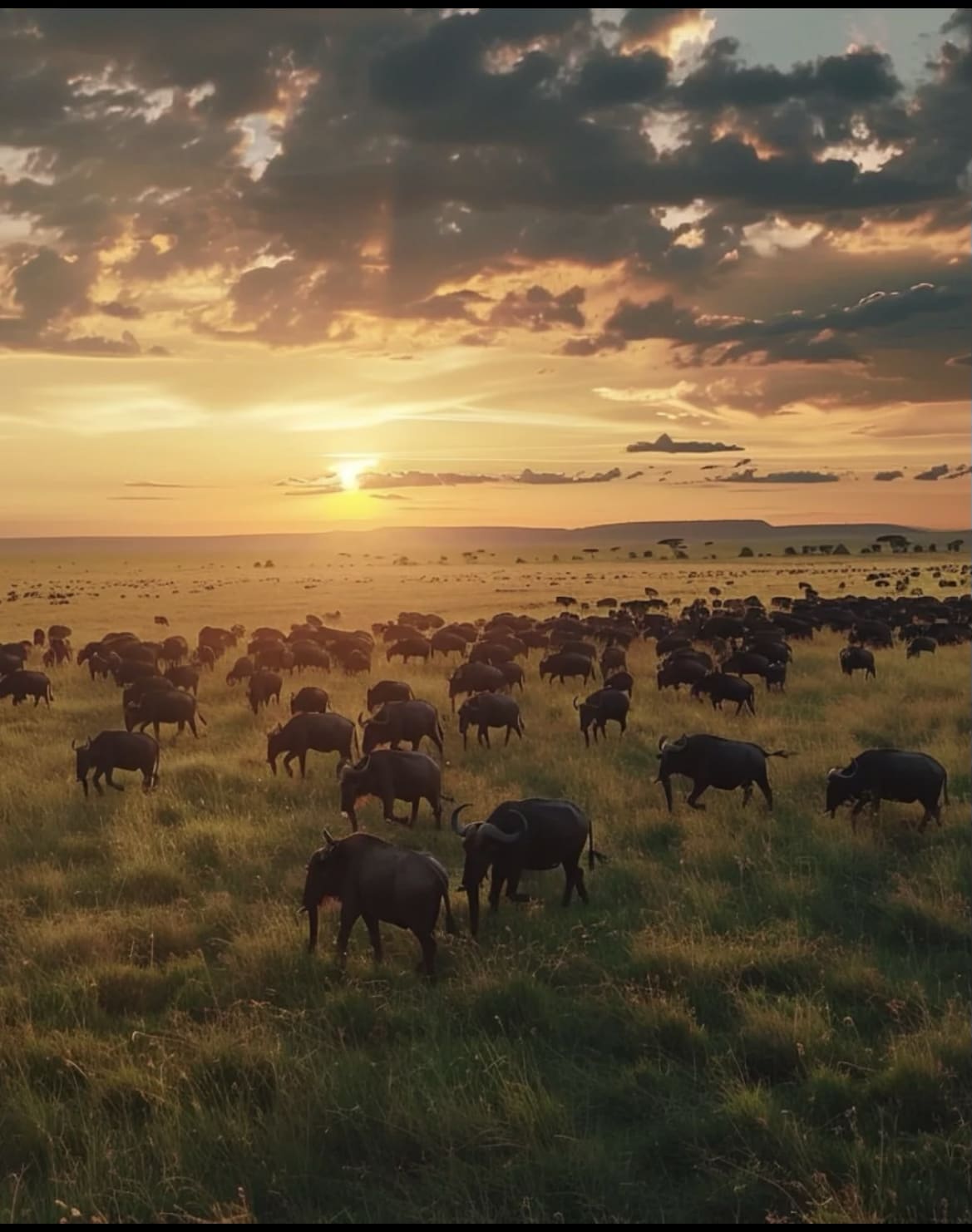
Eswatini Safari in July 2026: Dry Season Wildlife & Pricing
Eswatini safari in July 2026 costs $100–$300/day during peak dry season. Book verified operators on SafariFind for wildlife viewing, pricing, and planning tips.

Eswatini Safari July 2026: Dry Season
Last updated: July 2026
An Eswatini safari in July 2026 costs $100–$300 per day during the dry season, making it one of Africa's best-value wildlife destinations. Wildlife viewing peaks from May through September when vegetation thins and animals gather near water sources. Book 3–6 months ahead on SafariFind to compare verified operators and secure the best rates before peak season fills up.
At a Glance
- Cost: $100–$300 per person per day in July 2026
- Best time: May–September (dry season); July offers fewer crowds than August
- Duration: 3–7 days recommended for full experience
- Getting there: Fly into Johannesburg, then drive 4–5 hours to Eswatini or connect via regional flights
- Best for: Budget-conscious travelers, wildlife photographers, first-time safari-goers
- Wildlife highlights: Lion, elephant, rhino, buffalo, leopard, and over 500 bird species
What Is Eswatini Safari in July 2026?
Eswatini safari in July 2026 is a dry-season wildlife experience in southern Africa's smallest kingdom. The country sits between South Africa and Mozambique and offers incredible value for wildlife lovers. July marks the heart of the dry season, when animals concentrate near water and vegetation clears, making sightings frequent and unforgettable.
Eswatini's safari season from May to September delivers peak wildlife viewing conditions. July sees occasional afternoon showers early in the month, but remains mostly dry overall. The weather stays cool and comfortable, perfect for game drives and walking safaris. Unlike busier African destinations, Eswatini safaris feel intimate and less crowded.
The country operates several world-class reserves managed by Big Game Parks Eswatini. Hlane Royal National Park, Mlilwane Wildlife Sanctuary, and Mkhaya Game Reserve form the backbone of safari experiences. Budget travelers can explore these parks for $24–48 daily, while luxury lodges run $150–300+ per night. This price range makes Eswatini perfect for first-timers or anyone seeking genuine wildlife at reasonable cost.
July 2026 pricing reflects peak dry-season demand but remains lower than many neighboring destinations. A typical safari package runs $100–$300 per person daily, including game drives, accommodation, and meals. Booking 3–6 months in advance locks in better rates before July fills completely. SafariFind connects you with verified operators offering transparent pricing and authentic traveler reviews.
Why July 2026 Is Perfect for Eswatini Safari
Dry Season Wildlife Viewing at Its Peak
July marks mid-dry season in Eswatini, when wildlife viewing reaches excellent levels. Vegetation thins significantly, making animals easier to spot from safari vehicles. Water becomes scarce across the landscape, forcing wildlife to gather at permanent water holes and rivers where guides concentrate their searches.
Big Game Parks Eswatini reports that guides track herds daily during dry season months. Open-vehicle safaris from lodges like Ndlovu Camp allow you to follow animal movements in real time. Half-day and full-day drives maximize your chances of seeing the "Big Five"—lion, elephant, buffalo, leopard, and rhino—plus hundreds of other species.
July weather stays cool compared to summer months. Daytime temperatures range from 18–24°C (64–75°F), making long game drives comfortable. Early mornings and late afternoons bring the best sightings, and cool weather keeps wildlife active throughout these prime viewing windows.
Lower Costs Than August and September
July 2026 offers a sweet spot in dry-season pricing. August attracts peak European and North American travelers, pushing rates higher. July sees fewer tourists but maintains excellent wildlife conditions, meaning you pay less while seeing the same animals. September offers peak dry conditions but also peak prices.
Budget operators in Eswatini charge $100–$150 per day in July, while mid-range lodges run $150–$250 daily. Luxury properties exceed $300 nightly but include premium amenities. Compare these costs to Kenya's Masai Mara ($200–$500+ daily) or Botswana's Okavango Delta ($300–$600+ daily), and Eswatini's value becomes clear.
Booking through SafariFind in advance helps you find the best July 2026 rates. Verified operators often discount packages booked 3–6 months early. You can request quotes from multiple operators, read authentic reviews from past travelers, and negotiate better pricing than walk-up rates.
Fewer Crowds, More Authentic Experience
Eswatini remains undiscovered compared to Kenya, Tanzania, or Botswana. July safaris feel intimate and personal rather than crowded. You won't share game drives with dozens of vehicles like at popular destinations. This allows guides to spend more time with animal sightings and provide deeper insights into behavior and ecology.
The Ezulwini Valley, known as the Valley of Heaven, serves as Eswatini's cultural hub beyond safari drives. You can combine wildlife viewing with mountain biking, craft markets, and hot springs. Eswatini offers living culture experiences unavailable at bigger safari destinations, enriching your trip beyond just animals.
For first-timers, Eswatini's smaller scale and lower costs make safari less intimidating. You're not investing $5,000–$10,000 per person for your first experience. Instead, you can test whether safari suits you for $1,500–$2,500 total. If you love it, you'll upgrade to premium destinations next time with confidence.
Which Eswatini Parks and Reserves to Visit in July 2026
Hlane Royal National Park
Hlane Royal National Park forms Eswatini's largest protected area and top wildlife destination. The park covers vast acreage with diverse habitats—grasslands, riverine woodland, and dense bush—creating ideal conditions for the Big Five. Lion prides roam the park, and elephant herds visit regularly during dry season.
Hlane offers both open-vehicle and walking safaris, giving you flexibility in how you explore. Guided walks let you experience the landscape from ground level, spotting smaller animals and plants guides miss from vehicles. July's cool weather and clear skies make walking safaris particularly enjoyable. Accommodations range from budget camping to comfortable lodge rooms.
Big Game Parks Eswatini manages Hlane and ensures sustainable practices. The park supports over 500 bird species, making it excellent for birdwatchers. July brings migratory birds alongside resident species, doubling your birding opportunities. If you combine Hlane with Eswatini's cultural experiences, you'll spend 3–4 days well.
Mkhaya Game Reserve: The Boutique Rhino Reserve
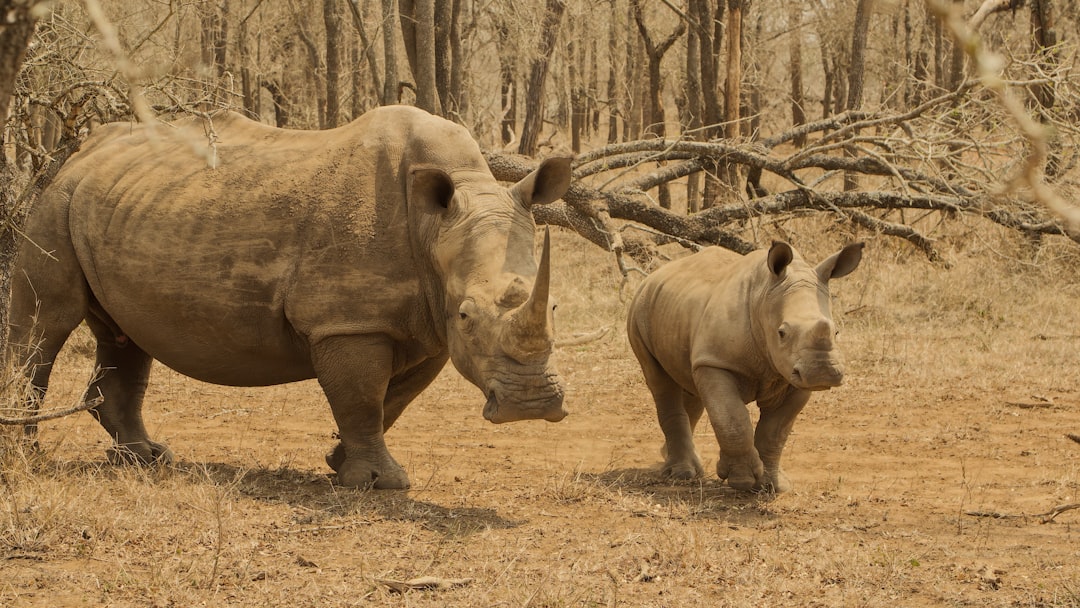
Mkhaya Game Reserve stands as Eswatini's premier rhino sanctuary and a hidden gem within the country. This intensive conservation reserve protects both black and white rhinoceros, offering intimate wildlife viewing unavailable elsewhere. Mkhaya limits daily visitors to ensure animal welfare and create exclusive experiences.
The reserve covers smaller acreage than Hlane but delivers higher rhino encounter rates. July's dry season concentrates animals, and Mkhaya's knowledgeable guides know exact locations of key animals. You'll see rhino, elephant, buffalo, and leopard in a boutique setting that feels personal and meaningful.
Mkhaya accommodations emphasize comfort and conservation connection. Visitors stay in comfortable lodges and participate in guided activities that fund rhino protection directly. Your payment supports real conservation work, not just tourism. This appeals strongly to travelers seeking ethical safari experiences aligned with environmental values.
Mlilwane Wildlife Sanctuary
Mlilwane Wildlife Sanctuary serves as Eswatini's most accessible reserve and best for budget travelers. Located near the capital, Mbabane, Mlilwane welcomes self-drive visitors alongside guided safaris. The sanctuary protects zebra, wildebeest, giraffe, and smaller wildlife in a more compact setting perfect for 1–2 day visits.
Mlilwane offers walking trails, mountain biking, and horseback safaris alongside traditional game drives. July weather suits all these activities beautifully. The sanctuary combines wildlife with adventure, appealing to active travelers. Budget accommodations including backpacker hostels make Mlilwane perfect for budget-conscious first-timers.
You can visit Mlilwane as a day trip from nearby towns or base yourself there for 2–3 days. The sanctuary pairs well with Eswatini's cultural attractions, allowing you to balance wildlife and culture in one trip. For travelers on tight budgets, Mlilwane delivers authentic safari without premium pricing.
July 2026 Eswatini Safari Pricing Breakdown
Budget Safari Packages: $100–$150 Daily
Budget operators in Eswatini offer excellent value without sacrificing quality. A typical budget safari includes shared accommodation in comfortable rooms, daily game drives with experienced guides, and all meals. Prices run $100–$150 per person daily, or $700–$1,050 for a full week.
Budget lodges sit inside or adjacent to parks, eliminating long drives to game areas. Guides are trained wildlife professionals, not casual staff. Meals emphasize local cuisine, keeping costs low while supporting communities. You sacrifice luxury amenities (spa, fine dining) but gain genuine wildlife and cultural immersion.
July 2026 budget packages book quickly as travelers seek value. Reserve 3–6 months ahead to secure spots and lock in rates. SafariFind's verified budget operators offer transparent pricing with no hidden fees. Read past traveler reviews to confirm quality before committing.
Mid-Range Safari Packages: $150–$250 Daily
Mid-range Eswatini safaris target travelers seeking comfort without luxury costs. Accommodations feature private rooms with en-suite bathrooms, better bedding, and pleasant common areas. Game drives use smaller vehicles allowing better sightings. Guides include naturalists with specialized wildlife knowledge.
Mid-range packages typically include quality meals featuring both local and international cuisine. Some lodges offer extras like sunset drives, night safaris, or guided walks at no additional cost. Prices run $150–$250 per person daily, or $1,050–$1,750 weekly. This tier offers the best balance of comfort, wildlife, and value.
July 2026 mid-range packages provide excellent July 2026 value for first-timers and returning travelers alike. You'll feel comfortable without overspending. Most mid-range lodges offer flexible booking with cancellation policies. Compare packages on SafariFind to find operators matching your exact needs and budget.
Luxury Safari Packages: $250–$500+ Daily
Luxury Eswatini safaris deliver premium experiences with high-end accommodation and personalized service. You'll stay in spacious suites with premium furnishings, private plunge pools, and spa facilities. Guides provide one-on-one attention, customizing drives to your interests. Meals feature gourmet cuisine prepared by expert chefs.
Luxury lodges offer exclusive activities like private game drives, helicopter safaris, and walking expeditions with specialized guides. You'll access areas other guests cannot visit. Prices exceed $250–$500 daily, sometimes reaching $800+ nightly at top properties. This tier suits travelers prioritizing comfort and exclusivity over budget.
Even luxury Eswatini safaris cost less than comparable experiences in Kenya or Botswana. You get premium service at reasonable prices. July 2026 luxury packages still book ahead but offer more availability than budget options. Request quotes from luxury operators on SafariFind to compare amenities and pricing.
All-Inclusive vs. à la Carte Pricing
Most Eswatini operators offer all-inclusive packages covering accommodation, meals, and guided activities. This simplifies budgeting and prevents surprise costs. Some lodges charge separately for activities like walking safaris or night drives, so confirm what's included when booking.
All-inclusive packages typically cost 10–20% more than base accommodation but save money overall. You know total cost upfront. Compare all-inclusive rates to à la carte pricing before deciding. SafariFind operators clearly label what's included, helping you compare fairly.
July 2026 pricing reflects peak dry-season demand. Book packages 3–6 months ahead to secure better rates. Early-bird discounts often apply to bookings made before May. Last-minute July deals exist but offer limited availability and higher prices than advance bookings.
Planning Your July 2026 Eswatini Safari
Booking Timeline and Best Practices
Start planning your July 2026 Eswatini safari by April at the latest. The best packages book 3–6 months ahead. July is peak dry season, and popular lodges fill completely by June. Waiting until June or July means limited choices and higher prices.
Begin by browsing Eswatini safari packages on SafariFind. Read reviews from travelers who visited in similar seasons. Compare prices, durations, and included activities across multiple operators. Request quotes from 2–3 operators matching your budget and interests.
Once you've chosen an operator, confirm booking details in writing. Verify what's included, cancellation policies, and payment terms. Ask about July weather, what to pack, and what wildlife you'll likely see. Good operators answer all questions thoroughly before you pay.
Getting to Eswatini in July 2026
Most international travelers fly into Johannesburg's OR Tambo Airport, South Africa's main hub. From there, drive 4–5 hours to Eswatini's border, or catch a regional flight to Eswatini's King Mswati III International Airport. July weather makes driving pleasant with cool temperatures and clear roads.
Many safari packages include airport pickup from Johannesburg. Confirm transportation details when booking. Some operators arrange flights within southern Africa, reducing driving time. Budget extra time for border crossings; they typically take 30–60 minutes.
Once in Eswatini, your lodge handles all transportation to game areas. You won't need a rental car for safari activities. Pack light luggage; safari vehicles have limited space. Bring binoculars, sunscreen, and a good camera for wildlife photography.
What to Pack for July 2026 Eswatini Safari
July in Eswatini is cool and mostly dry. Pack layers because early mornings (5–6 AM game drives) feel chilly, but midday temperatures warm to 20–24°C. Bring a warm fleece or sweater, long-sleeved shirts for sun protection, and comfortable safari pants or shorts.
Essential items include sunscreen (SPF 30+), a wide-brimmed hat, sunglasses, and insect repellent. Malaria risk exists in Eswatini, so consult your doctor about prophylaxis. Bring any prescription medications in original containers with doctor's letter. Pack binoculars and camera equipment in protective bags.
Wear neutral earth tones—khaki, tan, green, brown—to blend into the landscape. Avoid bright colors and patterns that startle wildlife. Bring comfortable walking shoes for lodge areas and hiking. Most lodges provide laundry service, so pack less and wash clothes mid-trip.
Health and Safety for July 2026
Eswatini is generally safe for tourists, with low crime in safari areas. Game reserves employ security staff and follow strict protocols. Malaria exists in lower-altitude areas, so take prophylaxis as your doctor recommends. July's cool weather reduces mosquito activity compared to summer months.
Visit your doctor 4–6 weeks before travel for vaccinations and malaria prevention. Common recommendations include yellow fever, typhoid, and routine immunizations. Travel insurance covering evacuation is wise, though medical facilities in Mbabane are adequate for routine care.
Follow lodge safety guidelines during game drives. Never leave vehicles except at designated stops with guides. Respect wildlife boundaries—maintain distance from animals and follow guide instructions. Your safety and animal welfare depend on responsible behavior.
Comparing Eswatini to Other Southern African Safaris
Eswatini vs. Kruger National Park Costs
Eswatini safaris cost significantly less than South Africa's Kruger National Park. Kruger daily rates run $150–$400 per person, while Eswatini offers equivalent experiences for $100–$250 daily. A 7-day Eswatini safari costs $700–$1,750 compared to Kruger's $1,050–$2,800.
Wildlife viewing quality matches between destinations. Both protect the Big Five and hundreds of species. Eswatini feels less crowded with fewer vehicles per game drive. If budget matters, Eswatini delivers better value while maintaining excellent wildlife experiences.
For detailed Eswatini versus Kruger comparisons including wildlife, accommodation, and pricing, explore SafariFind's complete guide to Eswatini Safari vs Kruger: Which Costs Less in 2026. This resource helps you decide which destination suits your needs and budget best.
Eswatini vs. Kenya and Tanzania
Kenya's Masai Mara and Tanzania's Serengeti rank among Africa's most famous safaris but cost $200–$500+ daily. Eswatini delivers comparable wildlife viewing for half the price or less. Both Kenya and Tanzania experience massive tourist volumes, while Eswatini remains intimate and uncrowded.
July marks peak season everywhere, but Eswatini's peak remains quieter than Kenya or Tanzania's peak. If you want Big Five viewing without crowds, Eswatini wins. If you specifically want to see the Great Migration (Tanzania/Kenya only), you'll need to visit those countries instead.
For first-timers, Eswatini offers lower financial risk. You can try safari affordably before investing $3,000–$5,000 per person on Kenya or Tanzania. Many travelers start in Eswatini, fall in love with safari, then upgrade to premium destinations later.
Eswatini vs. Botswana's Okavango Delta
Botswana's Okavango Delta delivers world-class water-based safaris but at premium prices. Daily rates run $300–$600+ per person, triple Eswatini's costs. Okavango offers unique water-based activities unavailable elsewhere, justifying higher prices for some travelers.
Eswatini focuses on land-based game drives and walking safaris. If water-based wildlife (hippo, crocodile, water birds) matters most, Okavango excels. If you want diverse Big Five viewing at reasonable cost, Eswatini wins. Both destinations deliver excellent wildlife; choose based on experience type and budget.
Many travelers combine both destinations in a single southern African trip. Start with affordable Eswatini, then upgrade to Okavango's luxury. SafariFind helps you plan multi-country safaris with verified operators across the region.
Wildlife You'll See in July 2026 Eswatini
The Big Five and Beyond
Eswatini's reserves protect all five members of the Big Five—lion, elephant, buffalo, leopard, and rhino. July's dry season concentrates these animals near water, increasing encounter odds. You won't see all five daily, but a week-long safari virtually guarantees sightings of most.
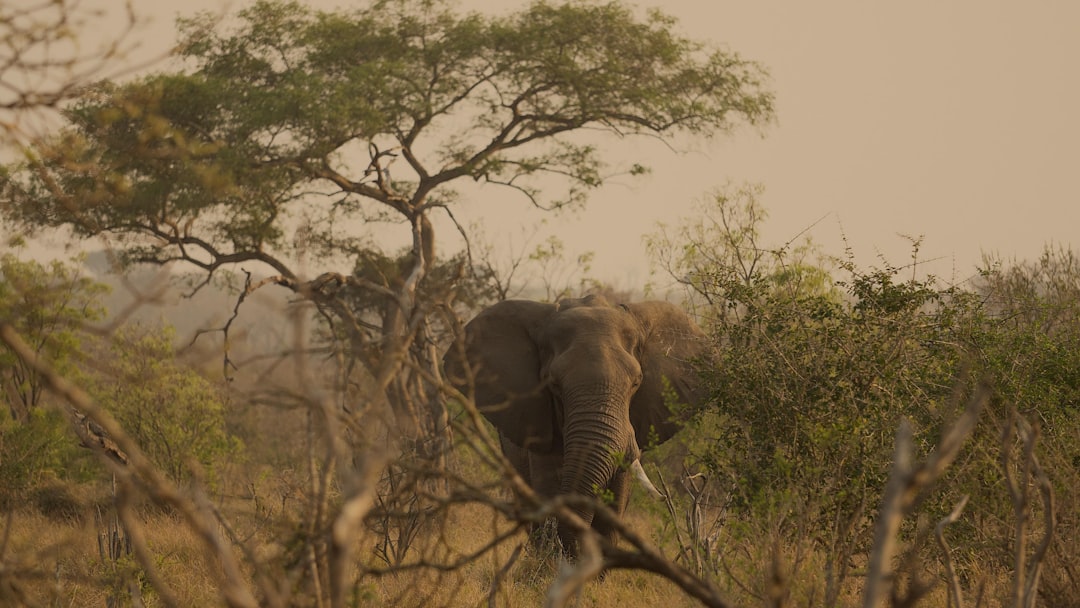
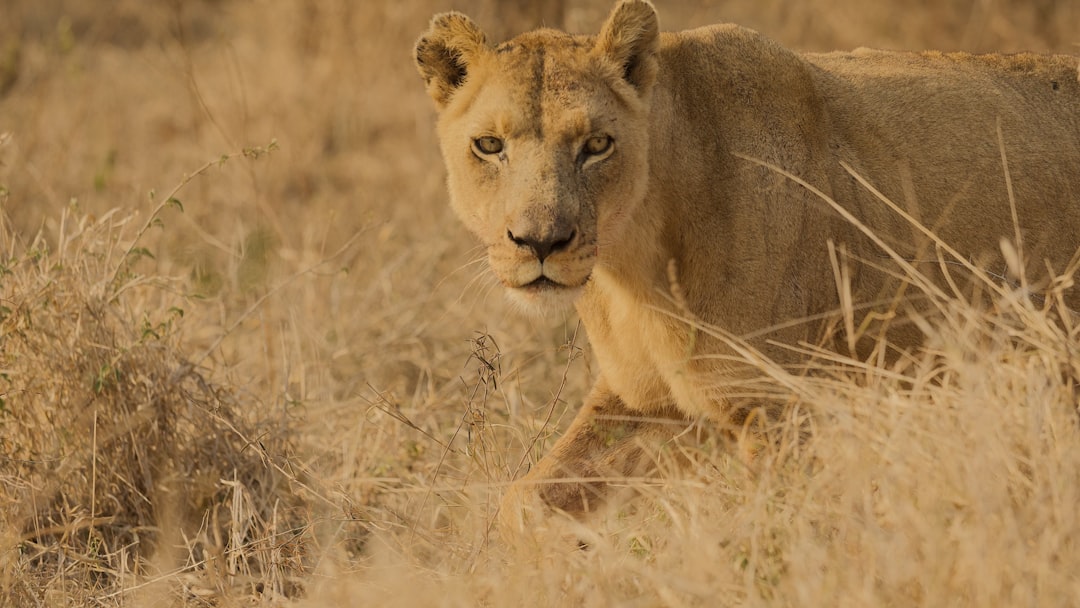
Lion prides roam Hlane Royal National Park and hunting reserves. Guides track pride movements and position vehicles for safe viewing. Elephants visit waterholes regularly during dry season; you may see herds of 20+ individuals. Buffalo congregate in large herds; leopards remain elusive but appear regularly, especially at dusk.
Eswatini's rhino program deserves special mention. The country protects both black and white rhinos through intensive conservation. Mkhaya Game Reserve specializes in rhino viewing with high encounter rates. Your safari supports real rhino protection work, making every viewing meaningful beyond the experience itself.
Over 500 Bird Species
Eswatini ranks among southern Africa's top birdwatching destinations with over 500 recorded species. July brings migratory birds alongside residents, doubling your species count. Early morning game drives deliver the best birding when birds are most active.
Common sightings include crowned eagles, martial eagles, fish eagles, and numerous sunbird species. Rarer birds like Denham's bustards and Knysna woodpeckers appear in appropriate habitats. Guides trained in bird identification enhance your experience significantly.
If birding excites you, request guides with ornithology expertise when booking. Some lodges offer specialized birding safaris focusing entirely on birds rather than mixed wildlife. July's clear weather and active bird populations make it excellent for birdwatchers.
Plains Game and Smaller Wildlife
Beyond the Big Five, Eswatini hosts zebra, giraffe, wildebeest, impala, kudu, and numerous antelope species. July sightings of these animals are frequent as they gather at water sources. Smaller mammals including hyena, jackal, and honey badger appear regularly but require alert observation.
Reptiles and amphibians thrive in Eswatini's diverse habitats. You may spot monitor lizards, various snake species, and frogs near water areas. Guides point out these creatures, explaining their ecological roles. Photography opportunities abound with diverse wildlife subjects.
The combination of large and small animals creates varied safari experiences. One moment you're watching an elephant herd, the next photographing a rare bird or tracking a leopard. This diversity keeps each game drive fresh and exciting throughout your stay.
Key Takeaways
- Book your Eswatini safari 3–6 months ahead to secure July 2026 availability and save 15–20% on early-bird rates before peak season fills completely.
- Budget $100–$300 per person daily in July 2026, making Eswatini 40–50% cheaper than Kenya, Tanzania, or Botswana while delivering equivalent wildlife viewing.
- Visit Mkhaya Game Reserve for intensive rhino viewing and conservation impact, or Hlane Royal National Park for diverse Big Five encounters across larger landscapes.
- Pack warm layers for cool early-morning game drives (5–6 AM), then lighter clothing for warm midday temperatures reaching 20–24°C during July 2026.
- Combine wildlife safaris with Eswatini's cultural experiences in the Ezulwini Valley—mountain biking, craft markets, and hot springs—for a complete southern African adventure.
Frequently Asked Questions
How much does a 7-day Eswatini safari cost in July 2026?
A 7-day Eswatini safari costs $700–$1,750 per person in July 2026, depending on lodge category. Budget operators charge $100–$150 daily ($700–$1,050 weekly), mid-range lodges run $150–$250 daily ($1,050–$1,750 weekly), and luxury properties exceed $250–$500 daily ($1,750–$3,500+ weekly). Book 3–6 months ahead on SafariFind to compare operators and secure the best rates.
Is July the best time to visit Eswatini for safari?
July is an excellent time for Eswatini safari, offering peak dry-season wildlife viewing with fewer crowds and lower costs than August. Wildlife concentrates near water sources, making sightings frequent. July sees occasional early-month showers but remains mostly dry. Weather stays cool and comfortable for game drives. If you want to balance wildlife quality, pricing, and crowds, July ranks as one of the year's best safari months in Eswatini.
What wildlife will I see on an Eswatini safari in July?
You'll see the Big Five (lion, elephant, buffalo, leopard, rhino), zebra, giraffe, wildebeest, numerous antelope species, and over 500 bird species during a July safari. Dry-season conditions concentrate animals near water, increasing encounter odds. A week-long safari virtually guarantees sightings of most big animals. Eswatini's rhino program offers particularly high encounter rates, especially at Mkhaya Game Reserve.
How do I book an Eswatini safari for July 2026?
Start planning by April to secure July availability. Browse packages on SafariFind, comparing prices, durations, and reviews across verified operators. Request quotes from 2–3 operators matching your budget and interests. Confirm booking details in writing, including what's included, cancellation policies, and payment terms. SafariFind's transparent operator ratings and authentic traveler reviews help you choose confidently before committing payment.
Is Eswatini safari cheaper than Kruger or Kenya?
Yes, Eswatini safaris cost 40–50% less than equivalent experiences in Kruger, Kenya, or Tanzania. Eswatini charges $100–$250 daily versus Kruger's $150–$400, Kenya's $200–$500+, and Tanzania's similar rates. You get comparable wildlife viewing and often fewer crowds at lower prices. For budget-conscious travelers, Eswatini delivers exceptional value without sacrificing quality or wildlife encounters.
What should I pack for a July 2026 Eswatini safari?
Pack warm layers for cool early mornings (fleece, sweater), neutral-colored safari clothing (khaki, tan, green), comfortable walking shoes, and sun protection (SPF 30+ sunscreen, hat, sunglasses). Bring binoculars, camera equipment, insect repellent, and any prescription medications. July weather is cool and mostly dry, so layers work better than heavy winter gear. Most lodges offer laundry service, so pack light and wash mid-trip to maximize luggage space.
Can I find budget-friendly Eswatini safari packages on SafariFind?
Yes, SafariFind lists verified operators offering budget safaris from $100–$150 daily in Eswatini. Browse packages, filter by price and duration, read authentic traveler reviews, and request quotes directly from operators. Many budget lodges deliver excellent wildlife viewing and comfortable accommodation without luxury costs. SafariFind's transparent pricing and review system help you find genuine budget options matching your needs and confirming quality before booking.
Conclusion
Eswatini safari in July 2026 delivers world-class wildlife viewing at exceptional value during the dry season. You'll see the Big Five, over 500 bird species, and diverse plains game while paying 40–50% less than Kenya, Tanzania, or Botswana. July offers peak dry-season conditions with cool weather, clear skies, and concentrated wildlife near water sources, making it ideal for photography and sightings.
Budget safaris start at $100–$150 daily, mid-range packages run $150–$250 daily, and luxury options exceed $250–$500 daily, giving you flexibility across price points. Book 3–6 months ahead to secure July 2026 availability and capture early-bird discounts. Plan your itinerary around Hlane Royal National Park for diverse Big Five viewing, Mkhaya Game Reserve for intensive rhino encounters, or Mlilwane Wildlife Sanctuary for budget-friendly access.
For first-time safari-goers, Eswatini offers lower financial risk and intimate experiences without overwhelming crowds. For returning travelers, Eswatini complements trips to other southern African destinations beautifully. Combine wildlife safaris with Eswatini's cultural experiences in the Ezulwini Valley—mountain biking, craft markets, and hot springs—for a complete adventure.
Start your July 2026 Eswatini safari planning today by exploring verified packages and operators on SafariFind. Request quotes from multiple operators, read authentic reviews from past travelers, and compare pricing and inclusions side-by-side. SafariFind's transparent marketplace helps you find the perfect safari matching your budget, interests, and travel style. Your Eswatini adventure awaits—book now and secure the best rates before peak season fills.
References
- Big Game Parks Eswatini - Safari Packages and Park Information
- Africa Tour Operators - Eswatini Tours and Safari Holidays
- Pack Lightly - The 13 Best Wildlife Animals in Eswatini 2026
- SafariFind - Ethiopia Safari July–September: Dry Season 2026
- RACQ Travel - Kruger Safari with Eswatini 2026
- Travel with Hello - Eswatini Travel Budget Guide: Daily Costs 2026
- 10 Adventures - Eswatini Guided Tours 2026: Wildlife and Culture
- Elephant Safaris Africa - Best Time for Safari in Southern Africa 2026
Sources
- Big Game Parks Eswatini - Safari Packages and Park Information
- Africa Tour Operators - Eswatini Tours and Safari Holidays
- Pack Lightly - The 13 Best Wildlife Animals in Eswatini 2026
- SafariFind - Ethiopia Safari July–September: Dry Season 2026
- RACQ Travel - Kruger Safari with Eswatini 2026
- Travel with Hello - Eswatini Travel Budget Guide: Daily Costs 2026
- 10 Adventures - Eswatini Guided Tours 2026: Wildlife and Culture
- Elephant Safaris Africa - Best Time for Safari in Southern Africa 2026
Related to
Ready to start your safari adventure?
Explore curated safari packages and find your perfect African adventure with verified operators.