Ethiopia Safari Animals: 13 Species & Where to See Them
Discover Ethiopia Safari Animals: 13 Species & Where to See Them - Expert guide to safari tourism and wildlife destinations.

Ethiopia Safari Animals: 13 Species Guide
Last updated: July 2026
Ethiopia's safaris feature 13 unique wildlife species including the endangered Ethiopian wolf, Walia ibex, and mountain nyala. Best viewing is July to September in Simien Mountains and Awash National Parks. A 7-day safari costs $2,000–$3,500 per person. Book verified operators on SafariFind to compare packages and read authentic traveler reviews.
At a Glance
- Cost: $2,000–$3,500 per person for 7 days in 2026
- Best time: July to September for peak wildlife viewing
- Duration: 7–10 days recommended
- Best for: Nature lovers seeking rare endemic species
- Top parks: Simien Mountains, Awash, Gambella National Parks
- Wildlife highlights: Ethiopian wolf, Walia ibex, gelada monkeys, mountain nyala
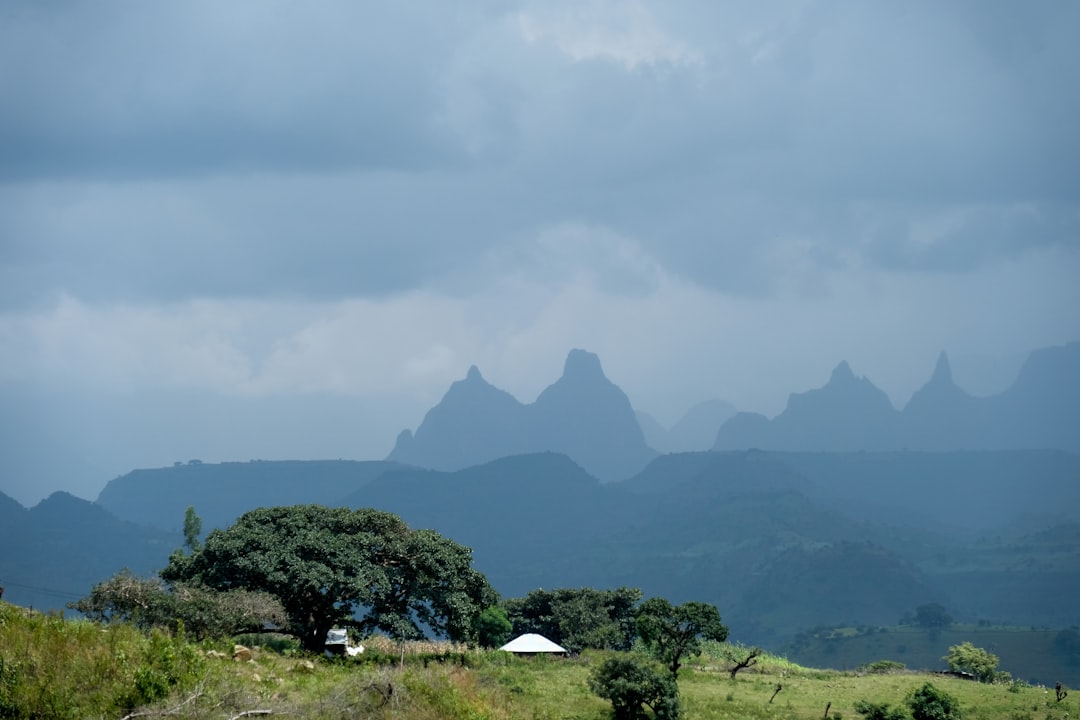
What Makes Ethiopia Safari Animals Special?
Ethiopia's safari animals stand apart from typical African wildlife because this nation sits at a unique geographic crossroads. The country's animals represent a blend of African species and endemic creatures found nowhere else on Earth. Unlike Kenya or Tanzania, Ethiopia doesn't offer the classic "Big Five" experience, but instead delivers something rarer: access to species that wildlife enthusiasts travel specifically to see.
Ethiopia safari animals include 13 remarkable species that make this destination increasingly popular among serious wildlife photographers and conservationists. The endangered Ethiopian wolf tops many travelers' bucket lists. The Walia ibex, a dramatic cliff-dwelling animal, appears only in Ethiopia's Simien Mountains. You'll also encounter mountain nyala with distinctive spiral horns, gelada monkeys with brilliant red chests, and Swayne's hartebeest in specific reserves.
The best time to experience Ethiopia safari animals runs from July through September. During these months, the landscape turns green after rains, and wildlife congregates around water sources. A typical 7-day safari costs between $2,000 and $3,500 per person in 2026, making Ethiopia more affordable than Kenya or Tanzania safaris. Compare verified Ethiopia safari packages on SafariFind to find operators offering the best value for your wildlife interests.
The 13 Essential Ethiopia Safari Animals
1. Ethiopian Wolf: Africa's Most Endangered Carnivore
The Ethiopian wolf is Africa's rarest carnivore, with fewer than 500 individuals surviving in the wild. This slender, long-legged predator hunts rodents and small mammals across the Ethiopian highlands. You'll find them primarily in the Bale Mountains National Park, typically in small packs of 3–6 animals.
Spotting an Ethiopian wolf requires patience and timing. Early morning game drives offer the best chances. Most tours include Bale Mountains specifically for this species. The animal's striking reddish coat and narrow face make it instantly recognizable once you see one.
2. Walia Ibex: Ethiopia's Iconic Mountain Dweller
Walia Ibex is a dramatic cliff-dwelling ibex restricted to the Simien Mountains and found nowhere else globally. This endemic species has curved horns and a stocky build perfectly adapted for steep escarpments and rocky slopes. Walia ibex populations number around 500 individuals, all living within Simien Mountains National Park.
These animals graze on cliff faces that seem impossibly steep. Watching them navigate vertical rock walls is unforgettable. Early morning hikes in Simien Mountains almost guarantee sightings, especially near Ras Dejen, Ethiopia's highest peak at 4,563 meters.
3. Mountain Nyala: The Elegant Highland Antelope
Mountain Nyala is a large, elegant antelope with a dark coat and distinctive spiral horns that can reach 1.2 meters in length. This endemic species weighs up to 300 kilograms and inhabits the highland forests of central and southern Ethiopia. Mountain nyalas are shy and solitary, making them challenging to spot but incredibly rewarding when you do.
The best locations for mountain nyala sightings are Bale Mountains and Arsi Mountains. These animals prefer dense forest habitats at altitudes between 2,400 and 4,200 meters. Early morning drives through forest roads offer your best chances of encounters.
4. Gelada Monkeys: The Red-Breasted Performers
Gelada monkeys are instantly recognizable by their brilliant red chest patches and distinctive appearance. These primates live exclusively in Ethiopia's highlands, primarily in the Simien Mountains. Gelada troops can number 50 to 400 individuals, creating spectacular viewing opportunities.
Watching geladas graze on steep hillsides is entertaining. They communicate constantly with vocalizations and gestures. Their social behaviors are complex and fascinating. Simien Mountains National Park guarantees multiple gelada encounters during any visit.
5. Swayne's Hartebeest: The Rarest African Antelope
Swayne's Hartebeest is one of Africa's rarest antelopes, with only about 1,500 individuals remaining in the wild. This medium-sized antelope has distinctive S-shaped horns and a reddish coat. The entire remaining population lives in Ethiopia, primarily in the Awash National Park and a few private reserves.
Swayne's hartebeest prefers grassland habitats and moves in small herds. Seeing one is a significant achievement for wildlife enthusiasts. Awash National Park safaris specifically include this species in their itineraries.
6. Hamadryas Baboons: The Sacred Troop Leaders
Hamadryas baboons are large primates with impressive manes and dog-like faces. Males weigh up to 30 kilograms and display dramatic silver-gray fur. These baboons live in large troops and are common throughout Ethiopia's lowland regions, particularly in Awash National Park.
Hamadryas baboons are highly social and entertaining to watch. Their hierarchical troop structure involves dominant males controlling multiple females. You'll see them foraging, playing, and interacting throughout the day. Awash National Park offers frequent sightings during morning drives.
7. Anubis Baboons: The Adaptable Primates
Anubis baboons, also called olive baboons, are widespread across Ethiopia's diverse habitats. These large primates weigh 20–35 kilograms and have yellowish-brown fur. Anubis baboons are highly intelligent and adaptable, living in forests, savannas, and rocky outcrops.
These baboons are vocal and social, living in troops of 20–100 individuals. They're common throughout most Ethiopian national parks. You'll encounter them regularly during any safari, from lowland parks to highland reserves.
8. Spotted Hyenas: The Night Hunters
Spotted hyenas are Africa's most successful large carnivores, with powerful jaws capable of crushing bone. These stocky animals weigh 40–90 kilograms and have rounded ears and sloped backs. Ethiopia's spotted hyenas are particularly active in Awash and Omo National Parks.
Hyenas are primarily nocturnal but sometimes hunt during daylight hours. Their laughing calls are distinctive and haunting. Night drives in Awash National Park frequently reveal hyena activity around waterholes and grasslands.
9. African Wild Dogs: The Painted Hunters
African wild dogs are rare and endangered, with only about 6,600 individuals remaining across Africa. These athletic predators have large rounded ears, long legs, and distinctive mottled coats. Ethiopia hosts a small population, primarily in Omo National Park in the southwest.
Wild dogs hunt cooperatively in packs of 5–15 animals, using sophisticated strategies. They're faster than lions and have a higher hunting success rate. Spotting wild dogs is rare but possible with dedicated safari guides in Omo National Park.
10. African Elephants: The Highland Wanderers
African elephants are the world's largest land mammals, weighing up to 6,000 kilograms. Ethiopia's elephant population is small and found primarily in western lowland regions, particularly Gambella National Park. These intelligent animals live 60–70 years and have complex social structures.
Elephants in Ethiopia are less common than in Kenya or Tanzania. Gambella National Park offers the best chances for sightings. These animals are crucial to their ecosystems, creating pathways and dispersing seeds through their feeding habits.
11. African Buffaloes: The Powerful Herds
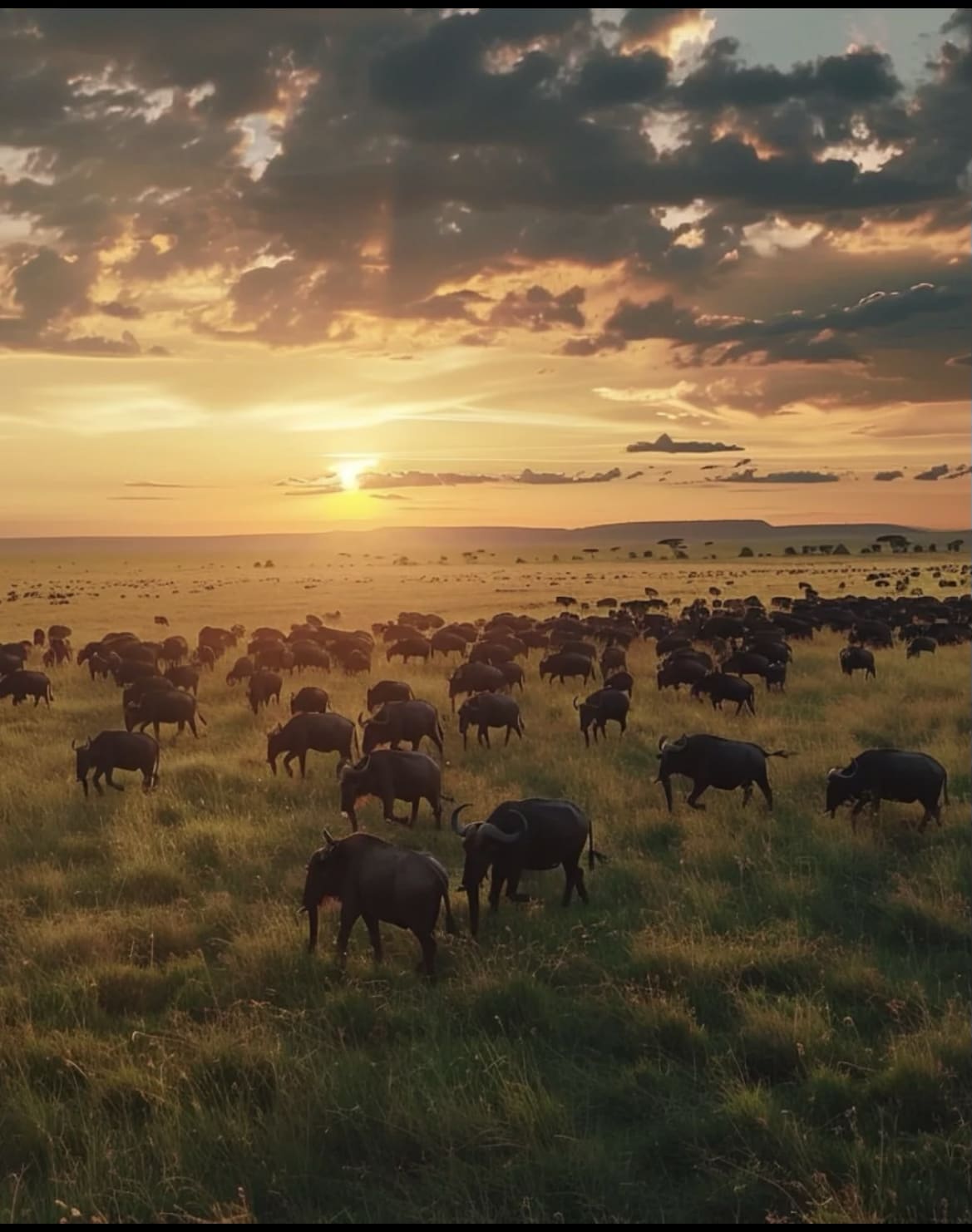
African buffaloes are large, robust bovines weighing 500–900 kilograms with impressive curved horns. These animals live in herds that can number hundreds of individuals. Ethiopia's buffaloes inhabit lowland parks, particularly Gambella and Omo National Parks.
Buffaloes are generally peaceful but dangerous when threatened or separated from their herds. They graze during early morning and late afternoon. Water sources attract large buffalo herds, creating excellent viewing opportunities.
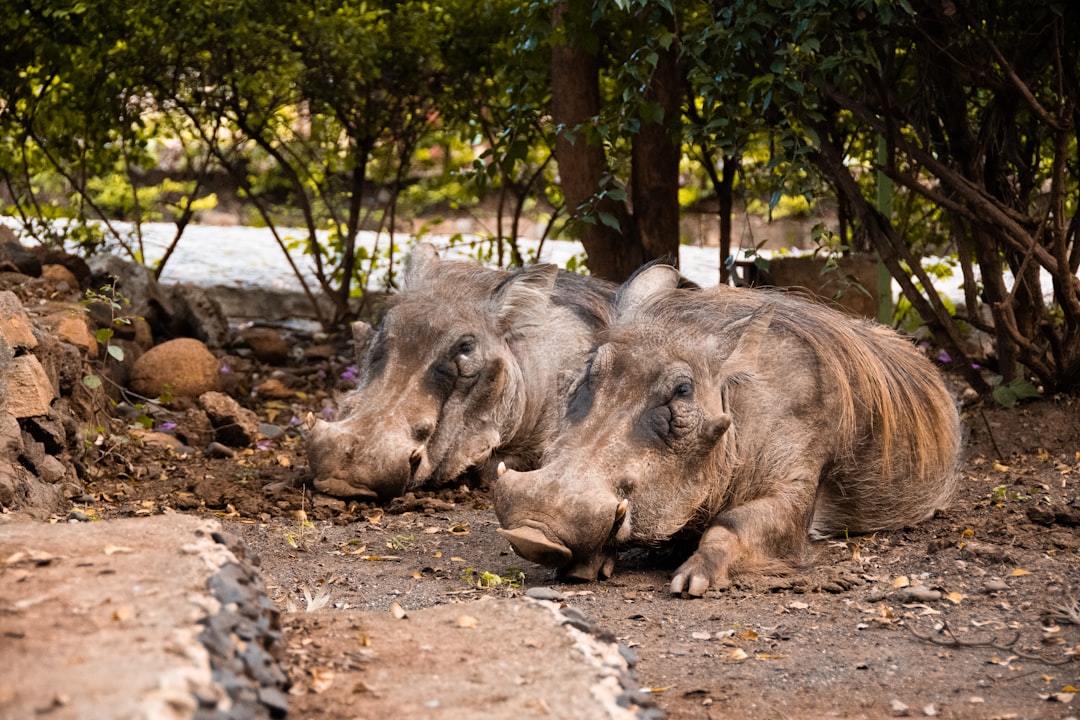
12. Warthogs: The Trotting Scavengers
Warthogs are medium-sized pigs weighing 50–150 kilograms with distinctive facial warts and sparse hair. These animals are common throughout Ethiopia's savanna and grassland regions. Warthogs have an unusual habit of backing into their burrows when threatened, with tusks facing outward.
Warthogs are often seen in small family groups grazing in the early morning and late afternoon. They're harmless to humans and provide comic relief during safari drives. Their presence indicates healthy grassland ecosystems.
13. Kob Antelopes: The Graceful Grazers
Kob antelopes are medium-sized antelopes weighing 50–80 kilograms with reddish coats and lyre-shaped horns. These animals prefer wetland and grassland habitats, living in groups of 10–30 individuals. Kobs are particularly common in Gambella and Omo National Parks.
Kobs are graceful runners and excellent swimmers. They're most active during early morning and late afternoon grazing periods. Multiple sightings are common during safaris in western Ethiopia's lowland parks.
Where to See Ethiopia Safari Animals
Simien Mountains National Park: The Endemic Hotspot
Simien Mountains National Park is Ethiopia's premier destination for endemic species. This UNESCO World Heritage Site spans 225 square kilometers at elevations between 1,900 and 4,563 meters. The park protects Walia ibex, gelada monkeys, Ethiopian wolves, and mountain nyalas in their natural highland habitat.
A typical Simien Mountains visit lasts 3–4 days and involves trekking and camping. Early morning hikes guarantee gelada encounters within the first hour. Walia ibex sightings require patience but occur regularly on cliff faces. The park's dramatic scenery combines with exceptional wildlife viewing. Most Ethiopia safari packages include Simien Mountains as a core component.
Awash National Park: The Accessible Park
Awash National Park is located just 225 kilometers east of Addis Ababa and offers excellent accessibility. This 756-square-kilometer park features hot springs, volcanic landscapes, and diverse wildlife. Awash protects Swayne's hartebeest, hamadryas baboons, spotted hyenas, and numerous bird species.
Awash can be visited as a day trip or overnight stay from Addis Ababa. Game drives are easier here than in mountain parks. You'll encounter hamadryas baboons at nearly every waterhole. Swayne's hartebeest sightings are common with experienced guides. Night drives reveal hyena and other nocturnal activity.
Bale Mountains National Park: The Wolf Sanctuary
Bale Mountains National Park is the premier destination for Ethiopian wolves. This 2,200-square-kilometer park sits at high elevation and protects the world's largest population of this endangered species. Bale also hosts mountain nyalas, Ethiopian foxes, and numerous endemic birds.
Bale Mountains requires 4–5 days to explore properly. Early morning drives through the Sanetti Plateau offer the best wolf chances. Mountain nyalas are frequently spotted in forest habitats. The park's dramatic alpine scenery rivals the wildlife viewing. Dedicated Ethiopia safari tours prioritize Bale for serious wildlife enthusiasts.
Gambella National Park: The Western Wonder
Gambella National Park spans 5,060 square kilometers in southwest Ethiopia. This park protects diverse lowland wildlife including elephants, buffalo, wild dogs, and numerous antelope species. Gambella is less visited than other parks, offering more solitude and authentic safari experiences.
Gambella requires longer travel from Addis Ababa but rewards visitors with fewer crowds. White Nile and Baro Rivers create excellent wildlife viewing corridors. Elephant and buffalo herds are substantial. Wild dog sightings are possible but require luck and skilled guides. The park's remoteness appeals to adventurous travelers seeking authentic African safaris.
Omo National Park: The Remote Reserve
Omo National Park covers 4,068 square kilometers in southwest Ethiopia near the Kenyan border. This remote park protects African wild dogs, elephants, buffalo, and numerous antelope species. Omo is Ethiopia's least developed park, offering pristine wilderness experiences.
Omo National Park requires significant travel logistics and 4–5 days minimum. The park's remoteness means wildlife is less habituated to vehicles, creating authentic safari moments. Wild dog sightings require patience and luck. Buffalo and elephant populations are healthy. The park appeals to experienced safari travelers seeking adventure beyond standard itineraries.
Best Times to View Ethiopia Safari Animals
The best time to see Ethiopia safari animals runs from July through September, during the long rainy season. Rainfall transforms the landscape into lush green grasslands. Water sources become abundant, spreading wildlife across wider areas but concentrating animals around specific waterholes. Temperatures are cooler at higher elevations, making trekking more comfortable.
June and October offer good alternatives if July–September dates don't work. June marks the beginning of rainy season with emerging vegetation. October sees ongoing wildlife activity as rains continue. December through February represents the dry season, when animals concentrate around remaining water sources. However, dry season temperatures are hotter, and vegetation is sparse.
For specific species, timing matters. Ethiopian wolves are most active July through September. Walia ibex can be seen year-round but are most visible during dry season when vegetation is sparse. Mountain nyalas prefer cooler months and are best seen June through September. Plan your Ethiopia safari visit around these seasonal patterns for optimal wildlife encounters.
Learn more about seasonal wildlife patterns in our guide to Ethiopia Safari in September 2026: Prices & Wildlife for detailed monthly breakdowns.
Planning Your Ethiopia Safari Animals Adventure
Choosing the Right Safari Duration
A minimum 7-day safari allows you to experience multiple parks and diverse Ethiopia safari animals. A typical itinerary includes 2–3 days in Simien Mountains, 2 days in Awash, and 2 days in Bale Mountains. This combination covers highland endemics, accessible lowland parks, and wolf sanctuaries.
For serious wildlife enthusiasts, 10–14 days is ideal. Extended time allows flexibility for weather delays and multiple game drives in each park. Longer safaris increase chances of seeing rare species like Ethiopian wolves and wild dogs. Budget travelers can reduce costs by focusing on 2 parks instead of 3.
Safari Costs in 2026
A 7-day Ethiopia safari costs between $2,000 and $3,500 per person in 2026, significantly less than comparable Kenya safaris. Budget safaris with basic accommodations run $2,000–$2,500. Mid-range safaris with comfortable lodges cost $2,500–$3,000. Luxury safaris with premium camps run $3,000–$3,500 or higher.
These costs typically include accommodation, meals, game drives, park fees, and experienced guides. International flights to Addis Ababa are additional. Verify what's included when comparing packages on SafariFind, as inclusions vary between operators. Booking 3–6 months in advance can save 10–15% on peak season rates.
Compare verified Ethiopia safari packages on SafariFind to find operators offering the best value. Read authentic traveler reviews to ensure quality guides and reliable transportation before booking your trip.
What to Bring for Ethiopia Safari Animals Viewing
Pack binoculars, a camera with a telephoto lens, and quality field guides specific to Ethiopia. Bring layers for temperature changes, as Simien Mountains can be cold. Hiking boots are essential for mountain parks. Sun protection, including sunscreen and a hat, protects against high-altitude sun exposure.
Carry a notebook for recording sightings and behaviors. Antimalarial medication is recommended for lowland parks. Travel insurance covering evacuation is important in remote areas. A headlamp helps for early morning departures and night drives.
Comparing Ethiopia with Other African Safari Destinations
Ethiopia safari animals offer something different from Kenya and Tanzania's typical wildlife experiences. While Kenya features lions, leopards, and giraffes across vast savannas, Ethiopia specializes in rare endemic species in diverse highland and lowland habitats. Tanzania's famous Great Migration draws massive crowds, while Ethiopia offers more solitude and exclusive wildlife encounters.
Ethiopia safaris cost significantly less than Kenya or Tanzania. A 7-day Ethiopia safari averages $2,000–$3,500, while Kenya safaris typically cost $3,000–$5,000. Tanzania safaris range $2,500–$4,500. Ethiopia's lower costs reflect smaller tourist numbers and simpler infrastructure, not inferior wildlife viewing.
Ethiopia safari animals require more patience and advanced wildlife knowledge. You won't see the "Big Five" here, but you'll encounter species most African safaris never offer. The Ethiopian wolf, Walia ibex, and mountain nyala are worth the longer planning process. For detailed comparisons, explore our Ethiopia Safari vs Kenya 2026: Which Costs Less guide.
Booking Your Ethiopia Safari with SafariFind
SafariFind connects you with verified tour operators specializing in Ethiopia safaris. Our platform features authentic reviews from previous travelers, transparent pricing, and detailed package descriptions. You can compare multiple operators and request quotes directly from their pages.
When selecting an Ethiopia safari operator, prioritize companies with experienced guides, good safety records, and positive traveler reviews. Request references from previous clients. Confirm what's included in package prices. Ask about guides' wildlife expertise and languages spoken.
Explore Ethiopia safari tours from Addis Ababa in our Ethiopia Safari Tours from Addis 2026: 4 Easy Itineraries guide for specific operator recommendations and itinerary options. Find your perfect safari package on SafariFind today and begin your Ethiopia wildlife adventure.
Key Takeaways
- Book your Ethiopia safari 3–6 months in advance to secure the best rates on 7-day packages costing $2,000–$3,500 per person in 2026.
- Visit Simien Mountains National Park July through September for guaranteed gelada monkey and Walia ibex sightings in optimal conditions.
- Prioritize Bale Mountains for Ethiopian wolf encounters, as this park protects the world's largest population of this critically endangered carnivore.
- Combine multiple parks—Simien, Awash, and Bale—in a single 10-day safari to maximize encounters with Ethiopia's 13 unique endemic and iconic species.
- Compare verified tour operators on SafariFind and read authentic traveler reviews before booking to ensure experienced guides and quality wildlife viewing experiences.
Frequently Asked Questions
What are the rarest Ethiopia safari animals to see?
The Ethiopian wolf is Africa's rarest carnivore with fewer than 500 individuals remaining. Walia ibex, found only in Simien Mountains, numbers around 500 animals. Swayne's hartebeest is Africa's rarest antelope with about 1,500 individuals, all living in Ethiopia. These three species are bucket-list animals for serious wildlife enthusiasts.
How much does a 7-day Ethiopia safari cost in 2026?
A 7-day Ethiopia safari costs between $2,000 and $3,500 per person in 2026, depending on accommodation level and included amenities. Budget safaris with basic lodges run $2,000–$2,500. Mid-range safaris with comfortable accommodations cost $2,500–$3,000. Luxury safaris with premium camps run $3,000–$3,500 or higher. These prices typically include guides, meals, and park fees but not international flights.
What's the best time to see Ethiopia safari animals?
July through September is the best time to view Ethiopia safari animals. The long rainy season creates lush green landscapes and abundant water sources that attract wildlife. Temperatures are cooler at higher elevations, making trekking comfortable. June and October offer good alternatives. December through February is the dry season when animals concentrate around remaining water sources.
Which national park has the most Ethiopia safari animals?
Simien Mountains National Park offers the most diverse endemic species in one location, protecting Walia ibex, gelada monkeys, Ethiopian wolves, and mountain nyalas. Bale Mountains National Park is the premier destination for Ethiopian wolves specifically. Gambella National Park protects the widest variety of large mammals including elephants, buffalo, and wild dogs. Choose parks based on which species you prioritize.
Do I need special permits to see Ethiopia safari animals?
National park entrance fees are required for all Ethiopia safari animals viewing. Permits typically cost $5–$10 per person daily. Guides handle permit arrangements for organized safaris. No special permits are needed for individual species. Trekking permits in Simien Mountains may have additional fees. Verified tour operators on SafariFind handle all permit logistics for you.
Can I see Ethiopia safari animals on a budget safari?
Yes, Ethiopia safaris are more affordable than Kenya or Tanzania, making budget safaris viable. Budget operators offer 7-day packages for $2,000–$2,500 including guides, meals, and basic accommodations. Budget safaris still include experienced guides and access to major parks. The trade-off is simpler lodges and shared vehicles rather than private transportation. Compare budget operators on SafariFind to find reliable companies offering excellent value.
How do Ethiopia safari animals differ from Kenya wildlife?
Ethiopia safari animals focus on rare endemic species and highland wildlife, while Kenya features the classic "Big Five" across savannas. Ethiopia has Ethiopian wolves, Walia ibex, and mountain nyalas found nowhere else. Kenya offers lions, leopants, elephants, and giraffes in larger numbers. Ethiopia safaris cost less and offer more solitude. Kenya attracts larger crowds and offers more predictable big cat sightings. Choose based on your wildlife priorities and budget.
Conclusion
Ethiopia safari animals represent a unique and rewarding African wildlife experience. From the endangered Ethiopian wolf to the dramatic Walia ibex, these 13 species exist nowhere else on Earth. The Simien Mountains, Awash, and Bale Mountains National Parks protect these remarkable animals in their natural habitats. July through September offers the best viewing conditions, when lush green landscapes and abundant water sources attract wildlife across diverse elevations.
A 7-day Ethiopia safari costs between $2,000 and $3,500 per person in 2026, making it significantly more affordable than Kenya or Tanzania safaris. This price includes experienced guides, meals, accommodations, and park fees. The investment delivers access to species most African safaris never offer, creating memorable encounters for serious wildlife enthusiasts.
Start planning your Ethiopia safari animals adventure today. Compare verified tour operators on SafariFind to find packages matching your budget and interests. Read authentic traveler reviews to ensure quality guides and reliable transportation. Request quotes from multiple operators to secure the best rates. Your Ethiopia safari awaits—explore packages on SafariFind and begin your journey to Africa's most unique wildlife destination in 2026.
Plan Your Safari with SafariFind
These recommendations use real data from SafariFind, where you can compare operators, browse packages, and read verified traveler reviews before you book.
Recommended Safari Operators from SafariFind
Recommended Safari Packages from SafariFind
What Travelers Say (SafariFind Reviews)
References
- Ethiopia Safari Animals: 7-Day Wildlife Checklist | SafariFind
- Ethiopia Animals – Wildlife in Ethiopia | SafariBookings
- Wildlife in Ethiopia - Types of Ethiopian Animals - A-Z Animals
- Ethiopia Safari - Travel Guide | African Budget Safaris
- The Best Safaris in Africa | Bradt Guides
- Ethiopia Safaris | Brilliant Ethiopia
- Best 10 Places to Visit in Ethiopia | Safariopedia
- Wildlife Vacations in Ethiopia | Responsible Vacation
 Ask Tembo about this guide
Sources
- Ethiopia Safari Animals: 7-Day Wildlife Checklist | SafariFind
- Ethiopia Animals – Wildlife in Ethiopia | SafariBookings
- Wildlife in Ethiopia - Types of Ethiopian Animals - A-Z Animals
- Ethiopia Safari - Travel Guide | African Budget Safaris
- The Best Safaris in Africa | Bradt Guides
- Ethiopia Safaris | Brilliant Ethiopia
- Best 10 Places to Visit in Ethiopia | Safariopedia
- Wildlife Vacations in Ethiopia | Responsible Vacation
Related to
Ready to start your safari adventure?
Explore curated safari packages and find your perfect African adventure with verified operators.