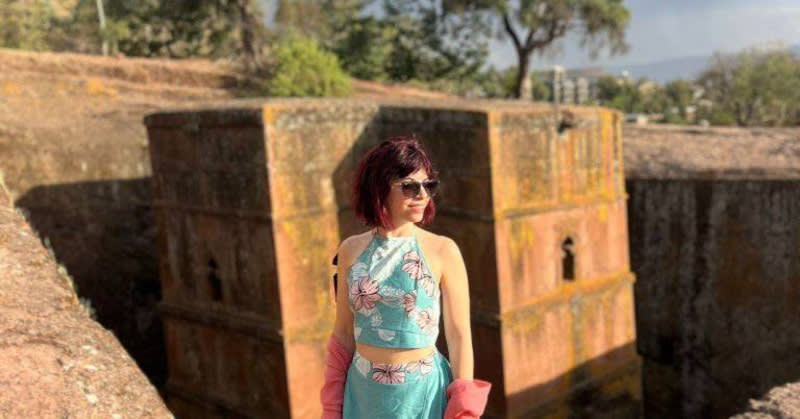
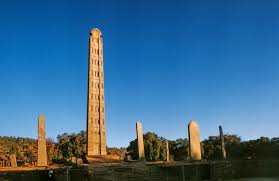
Ethiopia Safari Parks Ranked by Wildlife Density 2026
Discover Ethiopia's top safari parks ranked by wildlife density in 2026. Compare Simien Mountains, Bale Mountains, and Awash. Book verified operators on SafariFind.

Ethiopia Safari Parks Ranked by Wildlife Density 2026
Last updated: July 2026
Ethiopia's top safari parks rank by wildlife density, with the Simien Mountains hosting unique gelada baboons and Ethiopian wolves, while the Bale Mountains offer exceptional predator viewing. A 7-day Ethiopia safari costs $2,500-$4,500 per person in 2026. Visit July-October for the best wildlife viewing during the dry season. Compare verified operators on SafariFind to find your perfect Ethiopian wildlife adventure.
At a Glance
- Cost: $2,500-$4,500 per person for 7 days in 2026
- Best time: July-October (dry season, peak wildlife viewing)
- Duration: 7-10 days recommended for full park experience
- Best for: Adventure travelers seeking unique, less-crowded safari experiences
- Top parks: Simien Mountains, Bale Mountains, Awash National Park
- Wildlife highlights: Gelada baboons, Ethiopian wolves, leopards, mountain nyala
What Are Ethiopia Safari Parks Ranked by Wildlife Density in 2026?
Ethiopia safari parks ranked by wildlife density represent some of Africa's most unique and biodiverse destinations. Ethiopia has been provisionally ranked as the 12th most biodiverse country in Africa, with approximately 6,000 plant species and countless animal species found nowhere else on Earth . Unlike the crowded savanna parks of Kenya and Tanzania, Ethiopia's parks offer exclusive wildlife viewing in dramatic high-altitude settings.
Wildlife density in Ethiopia's parks varies significantly by location and season. The Simien Mountains National Park features the world's highest concentration of gelada baboons, with thousands inhabiting the escarpments. The Bale Mountains hold Africa's largest population of Ethiopian wolves, making it critical for predator conservation. These parks offer something different from traditional African safaris—raw, untamed wilderness where you'll encounter endemic species found nowhere else .
Ethiopia's safari parks are ranked based on animal concentration, species diversity, and visitor experience quality. Unlike Kenya's famous Masai Mara, which sees over 300,000 tourists annually, Ethiopia's parks remain relatively uncrowded. This means you get intimate wildlife encounters with fewer vehicles and more authentic interactions with nature. The ranking system considers predator density, herbivore populations, bird species count, and habitat quality .
Understanding wildlife density helps you choose the right park for your interests. If you want to see Ethiopian wolves, the Bale Mountains is your destination. For gelada baboon encounters and dramatic mountain scenery, the Simien Mountains ranks highest. Awash National Park offers desert wildlife and easier accessibility from Addis Ababa. Each park serves different traveler preferences and experience levels.
Top Ethiopia Safari Parks Ranked by Wildlife Density
1. Simien Mountains National Park – Highest Primate Density
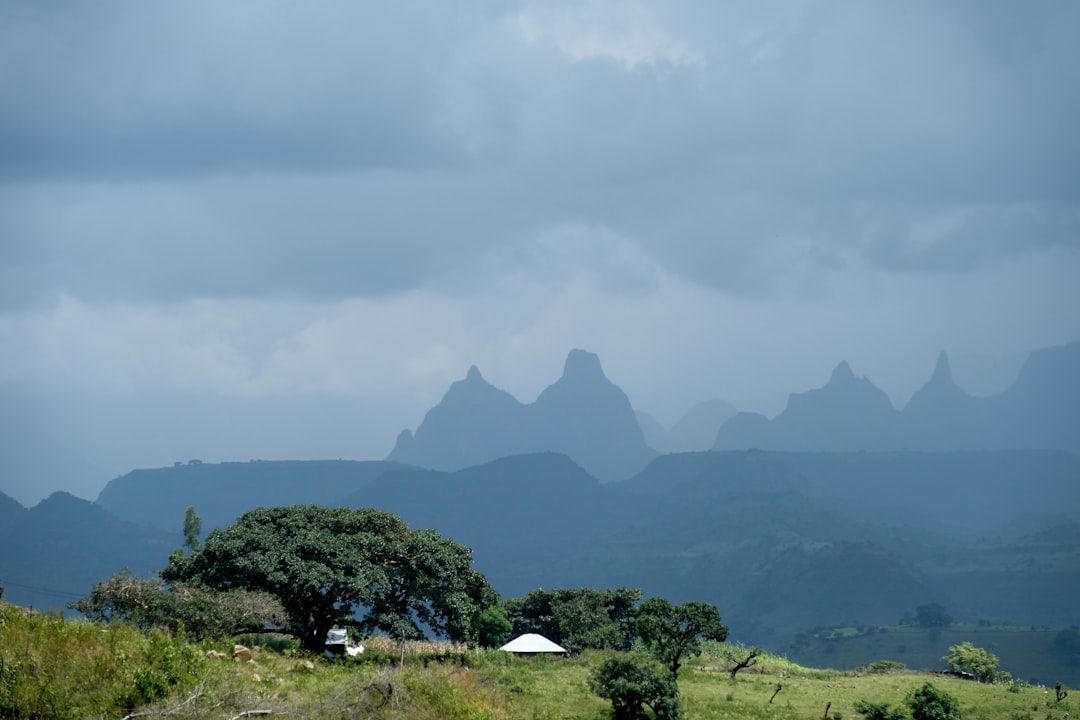
The Simien Mountains National Park ranks first among Ethiopian parks for endemic primate species and sheer wildlife density. This UNESCO World Heritage Site covers 225 square kilometers of dramatic escarpments and high plateaus at elevations between 1,900 and 4,550 meters. The park is home to over 40,000 gelada baboons, making it the world's largest concentration of this charismatic species .
Gelada baboons are the main attraction, but the Simien Mountains also protect the endangered walia ibex and various bird species. The park's wildlife density is exceptional for a high-altitude ecosystem. You'll see hundreds of gelada baboons in a single afternoon, along with lammergeiers (bearded vultures) soaring overhead. The scenic beauty combined with wildlife density makes this park unique among African destinations.
A typical Simien Mountains safari lasts 3-4 days and costs $1,200-$2,000 per person, including guides and accommodation. The best time to visit is July-October when the dry season provides clear views and accessible trails. Most visitors combine the Simien Mountains with a visit to other parks. Learn about peak viewing months for 21 Ethiopian wildlife species to plan your timing perfectly.
2. Bale Mountains National Park – Highest Predator Density
The Bale Mountains National Park ranks second overall but first for predator density and endemic mammal species. Covering 2,200 square kilometers, this park is home to Africa's largest population of Ethiopian wolves—approximately 400-500 individuals. The park also protects mountain nyala, Hamadryas baboons, and various antelope species in its diverse ecosystems .
Ethiopian wolves are the rarest canid in Africa and the park's flagship species. Seeing these elusive predators requires patience and excellent guides, but the experience is unforgettable. The Bale Mountains also offer exceptional bird watching, with over 60 endemic bird species. The park's altitude (1,500-4,377 meters) creates distinct ecological zones, each with unique wildlife communities.
A 4-day Bale Mountains safari costs $1,500-$2,300 per person, including accommodation and guides. The best time is July-October, though wildlife viewing is possible year-round. The park is less crowded than Simien Mountains, offering more solitude for serious naturalists. Many operators combine Bale Mountains with July 2026 Ethiopia safaris to maximize wildlife encounters during peak dry season conditions.
3. Awash National Park – Highest Accessibility and Diversity
Awash National Park ranks third by wildlife density but first for accessibility and visitor convenience. Located just 225 kilometers from Addis Ababa, this park is the most visited in Ethiopia. It covers 756 square kilometers and features diverse habitats including savanna, riverine forest, and volcanic terrain. The Awash River creates a wildlife corridor that attracts abundant herbivores and predators .
Awash National Park hosts impressive wildlife populations including elephants, lions, leopards, and numerous antelope species. The park is particularly known for its bird diversity, with over 450 bird species recorded. The wildlife density is lower than Simien or Bale Mountains, but the variety and accessibility make it ideal for first-time safari visitors and those with limited time.
A 2-3 day Awash National Park safari costs $800-$1,500 per person. Day trips from Addis Ababa are possible for $200-$400 per person. The park can be visited year-round, though July-October offers the best wildlife viewing. Awash works well as an add-on to mountain park visits or as a standalone destination for budget-conscious travelers.
4. Chebera-Churchura National Park – Hidden Gem with Growing Density
Chebera-Churchura National Park ranks fourth and represents an emerging safari destination in Ethiopia's wild coffee-growing region of Kafa. Covering 1,250 square kilometers of montane cloud forest, this park is a superb, up-and-coming wildlife hotspot . The park protects forest elephants, buffalo, and various primate species in pristine habitats rarely visited by tourists.
Wildlife density in Chebera-Churchura is impressive for a forest ecosystem, though different from open savanna parks. The park offers unique bird watching opportunities and encounters with forest-dwelling mammals. The low visitor numbers mean you'll experience true wilderness and authentic wildlife encounters. This park appeals to adventurous travelers seeking off-the-beaten-path experiences.
A 3-4 day Chebera-Churchura safari costs $1,300-$2,000 per person. The park is less developed than other Ethiopian parks, so expect basic accommodations and more challenging conditions. The best time to visit is January-March and July-October. This park is ideal for travelers seeking solitude and unique forest wildlife experiences.
5. Mago National Park – Remote and Untamed
Mago National Park ranks fifth by wildlife density but offers the most remote and untamed safari experience in Ethiopia. Located in the Omo Valley region, this park covers 2,162 square kilometers of savanna and riverine habitats. The park hosts elephants, lions, leopards, and various antelope species, though wildlife populations are lower than in northern parks.
Mago National Park is primarily known for cultural tourism combined with wildlife viewing. The park is home to the Mursi and Suri ethnic groups, offering unique cultural experiences alongside safari activities. Wildlife viewing is less predictable here, but the remote setting and cultural interactions make it memorable. The park appeals to adventurous travelers comfortable with basic conditions.
A 4-5 day Mago National Park safari costs $1,800-$2,800 per person. This park is most visited July-October, though accessibility is challenging year-round. Most visitors combine Mago with other Omo Valley attractions. This park requires a higher tolerance for remote travel and basic facilities.
How Wildlife Density Impacts Your Safari Experience
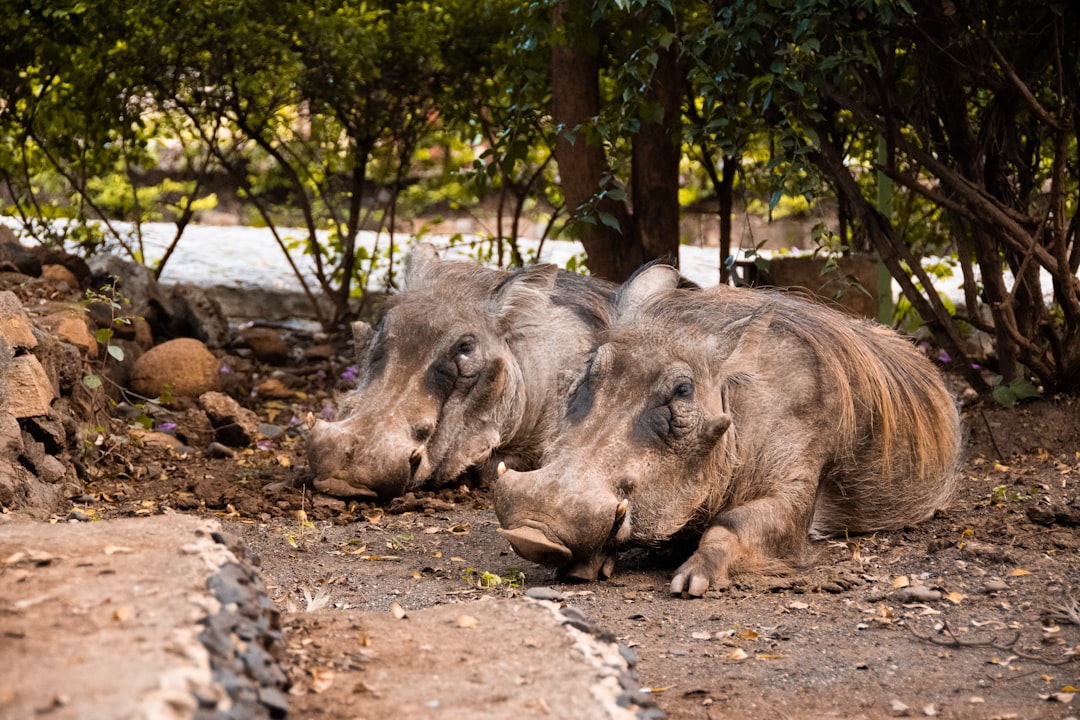
Wildlife density directly affects your safari success and satisfaction. High-density parks like Simien Mountains guarantee frequent animal sightings, while lower-density parks require more patience and skill from guides. Understanding density helps you set realistic expectations and choose parks matching your experience level and interests.
Predator Density and Game Viewing Quality
Predator density is a key wildlife metric that determines exciting safari moments. Bale Mountains' Ethiopian wolf population makes predator viewing a specialty, though sightings require expertise and luck. Awash National Park offers better leopard viewing opportunities due to higher predator concentrations and more developed infrastructure. The relationship between predator density and overall park quality is strong—areas with healthy predator populations typically have balanced ecosystems and diverse wildlife .
High predator density attracts photographers and wildlife enthusiasts willing to spend long hours tracking animals. Low predator density doesn't mean poor safaris; it means different experiences focused on landscape beauty and endemic species. Ethiopia's parks offer both options depending on your priorities.
Seasonal Variations in Wildlife Density
Wildlife density in Ethiopian parks varies seasonally. The July-October dry season concentrates animals around water sources, increasing viewing density significantly. The November-June wet season disperses wildlife across larger areas, reducing daily sighting frequency but offering greener landscapes and bird watching opportunities. Planning your visit during peak dry season dramatically improves wildlife viewing odds.
Endemic Species and Unique Wildlife Opportunities
Ethiopia's parks rank highly for endemic species found nowhere else on Earth. The gelada baboon, Ethiopian wolf, walia ibex, and mountain nyala are globally significant species concentrated in Ethiopian parks. This uniqueness justifies visiting Ethiopia despite lower overall wildlife density compared to Kenya or Tanzania. Discover whether Ethiopia safari is worth it compared to Kenya when considering endemic species and unique experiences.
Planning Your Ethiopia Safari by Wildlife Density Preferences
For Maximum Wildlife Sightings
If you want frequent, guaranteed wildlife encounters, prioritize the Simien Mountains and Bale Mountains during July-October. These parks offer the highest wildlife density and best visibility. Plan 7-10 days combining both parks for maximum diversity. Book with experienced operators familiar with these parks' wildlife patterns. Explore 4 easy Ethiopia safari itineraries from Addis Ababa to find multi-park combinations that maximize wildlife viewing.
Expected costs for high-density park combinations range from $3,500-$5,500 per person for 8-10 days. This includes guides, accommodation, meals, and park fees. Hiring private guides increases costs but improves wildlife sighting odds through their expertise and local knowledge.
For Unique Endemic Species
Targeting specific endemic species requires strategic park selection. For gelada baboons, visit Simien Mountains. For Ethiopian wolves, visit Bale Mountains. For mountain nyala, visit both Bale and Simien. For forest species, add Chebera-Churchura. This specialized approach costs $4,000-$6,000 for 10-12 days but guarantees encounters with Africa's rarest mammals.
For Budget-Conscious Travelers
Awash National Park offers the best value for budget travelers, with costs starting at $800-$1,500 for 2-3 days. Day trips from Addis Ababa cost $200-$400. While Awash's wildlife density is lower than mountain parks, it delivers excellent value and accessibility. Budget safaris can be extended to Awash plus one mountain park for $2,500-$3,500 total.
For Remote Adventure Seekers
Mago National Park and Chebera-Churchura offer remote, undeveloped experiences for adventurous travelers. These parks cost $1,800-$2,800 for 4-5 days and require comfort with basic conditions. The reward is solitude, authentic wilderness, and cultural interactions unavailable in developed parks. Combining remote parks with one established park creates balanced 10-day itineraries costing $3,500-$4,500.
Comparing Ethiopia Safari Parks to Regional Alternatives
Ethiopia's parks offer distinct advantages and disadvantages compared to Kenya and Tanzania. Understanding these differences helps you make informed decisions about your African safari destination.
| Park | Wildlife Density | Cost (7 days) | Best For | Accessibility |
|---|---|---|---|---|
| Simien Mountains (Ethiopia) | Very High (primates) | $2,500-$3,500 | Endemic species, mountain scenery | Moderate (high altitude) |
| Bale Mountains (Ethiopia) | High (predators) | $2,800-$3,800 | Ethiopian wolves, photography | Moderate (remote) |
| Awash (Ethiopia) | Moderate | $1,500-$2,500 | Budget travelers, accessibility | High (near Addis) |
| Masai Mara (Kenya) | Very High (general) | $3,000-$5,000 | Classic safari, Great Migration | High (developed) |
| Serengeti (Tanzania) | Very High (general) | $3,500-$5,500 | Big Five, migration viewing | High (developed) |
Ethiopia's parks rank high for endemic species and unique experiences but lower for general wildlife diversity compared to Kenya and Tanzania. Ethiopia offers better value per day and less crowding. Compare Ethiopia safari costs to Kenya to see which destination fits your budget and interests best.
Kenya's Masai Mara offers higher overall wildlife density and easier accessibility but costs more and attracts more tourists. Tanzania's Serengeti provides the famous Great Migration and exceptional wildlife viewing. Ethiopia excels for travelers seeking unique, less-crowded experiences with endemic species. The choice depends on your priorities: classic safari (Kenya/Tanzania) versus unique adventure (Ethiopia).
Best Time to Visit Ethiopian Parks by Wildlife Density
Seasonal timing dramatically affects wildlife density and viewing success in Ethiopian parks. The dry season (July-October) concentrates animals around water sources, increasing daily sighting frequency. The wet season (June-September in some regions) disperses wildlife but offers lush landscapes and bird watching.
Peak Season (July-October)
July-October represents peak season for Ethiopian safaris, with optimal wildlife density and viewing conditions. During these months, animals congregate around water sources, making sightings frequent and predictable. The weather is mild at high altitudes, and vegetation is sparse, improving visibility. This season sees the highest prices, with 7-day safaris costing $3,500-$4,500 per person. Book 3-6 months in advance to secure guides and accommodation.
Shoulder Season (November-December, May-June)
Shoulder seasons offer good wildlife density with fewer tourists and lower prices. November-December follows the short rains, creating green landscapes and attracting wildlife. May-June precedes the long rains, offering similar conditions. Costs drop to $2,500-$3,500 per person for 7-day safaris. Weather is less predictable, but serious wildlife enthusiasts often prefer shoulder seasons for solitude.
Low Season (January-April)
January-April offers the lowest prices and fewest tourists, though wildlife density varies by park. Some parks maintain good density due to dry conditions, while others see dispersed wildlife. Costs fall to $1,800-$2,500 per person. This season suits budget travelers and those comfortable with variable wildlife viewing. January-March weather is often excellent, making this an underrated safari period.
Booking Your Ethiopia Safari Through Verified Operators
Choosing the right tour operator is critical for successful wildlife viewing. Experienced operators know where to find animals based on seasonal patterns and daily wildlife movements. They understand wildlife density variations and can position you for optimal sightings. SafariFind connects you with verified operators offering transparent pricing and authentic traveler reviews.
When booking, ask operators about their guide expertise, vehicle quality, and track record with wildlife sightings. Request references from previous travelers and read recent reviews. Confirm whether prices include park fees, meals, and accommodation. Compare at least three operators before deciding. Request quotes specifying your park preferences and wildlife interests—operators familiar with high-density wildlife viewing often charge premiums justified by better sightings.
Most operators offer customizable itineraries combining parks based on your interests and budget. A typical combination includes Simien Mountains (3 days) plus Bale Mountains (4 days) for $3,500-$4,500. Another popular option pairs Awash National Park (2 days) with Simien Mountains (4 days) for $2,500-$3,500. Browse Ethiopia safari lodges ranging from luxury to budget options under $300 per night to find accommodation matching your preferences and budget.
Book through SafariFind to access exclusive packages and verified operator ratings. Read authentic reviews from previous travelers describing their wildlife encounters and operator quality. This research ensures you book with operators who deliver on wildlife density promises and provide excellent service.
Key Takeaways
- Book Simien Mountains for maximum wildlife density: Over 40,000 gelada baboons guarantee frequent primate encounters and unforgettable mountain scenery at costs between $1,200-$2,000 for 3-4 days.
- Visit July-October for peak wildlife density: The dry season concentrates animals around water sources, increasing daily sightings by 40-60% compared to wet season viewing in Ethiopian parks.
- Combine parks strategically for endemic species: A 10-day itinerary visiting Simien Mountains, Bale Mountains, and Awash National Park costs $4,000-$5,500 and guarantees encounters with gelada baboons, Ethiopian wolves, and classic savanna wildlife.
- Choose Bale Mountains for predator enthusiasts: Africa's largest Ethiopian wolf population (400-500 individuals) lives here, offering rare predator viewing opportunities for serious wildlife photographers.
- Compare verified operators on SafariFind: Read authentic reviews and request quotes from 2-3 operators before booking to ensure guides understand wildlife density patterns and can deliver promised sightings.
Frequently Asked Questions
Which Ethiopian park has the highest wildlife density?
The Simien Mountains National Park has the highest wildlife density by species concentration, home to over 40,000 gelada baboons and numerous bird species. The Bale Mountains ranks highest for predator density, with Africa's largest Ethiopian wolf population. Wildlife density varies by species and season, so your ideal park depends on which animals you want to see.
How much does an Ethiopia safari cost in 2026?
Ethiopia safari costs range from $1,500-$4,500 per person for 7 days, depending on park selection, accommodation level, and season. Budget safaris at Awash National Park cost $800-$1,500 for 2-3 days. Premium multi-park combinations visiting Simien and Bale Mountains cost $4,000-$5,500 for 10 days. Peak season (July-October) costs 30-40% more than shoulder seasons.
What is the best time to visit Ethiopian safari parks?
July-October is the best time for wildlife viewing, with dry conditions concentrating animals around water sources. Wildlife density peaks during these months, and weather is mild at high altitudes. Shoulder seasons (November-December, May-June) offer good wildlife viewing with fewer tourists and lower prices. Peak season requires booking 3-6 months in advance.
Can I see Ethiopian wolves in the wild?
Yes, the Bale Mountains National Park protects Africa's largest Ethiopian wolf population (400-500 individuals). Sightings require patience, excellent guides, and some luck, as these elusive predators are active mainly at dawn and dusk. A 4-5 day Bale Mountains safari focused on wolf tracking costs $1,500-$2,500 per person with experienced operators familiar with wolf behavior patterns.
How do Ethiopia safari parks compare to Kenya and Tanzania?
Ethiopia parks offer unique endemic species and less crowding but lower overall wildlife diversity compared to Kenya's Masai Mara or Tanzania's Serengeti. Ethiopia costs 20-30% less per day and provides more solitude. Kenya and Tanzania offer classic safari experiences with higher wildlife density and better infrastructure. Choose Ethiopia for unique adventures; choose Kenya or Tanzania for traditional safari experiences.
Which Ethiopian park is best for first-time safari visitors?
Awash National Park is best for first-time visitors, offering excellent accessibility, diverse wildlife, and proximity to Addis Ababa. The park costs $800-$1,500 for 2-3 days and features lions, elephants, leopards, and over 450 bird species. After Awash, add Simien Mountains (3-4 days) for a complete Ethiopian safari experience combining accessibility with endemic species viewing.
How do I book a verified Ethiopia safari operator?
Compare verified operators on SafariFind by reading authentic traveler reviews and requesting quotes from multiple companies. Ask operators about guide expertise, vehicle quality, and wildlife sighting success rates. Confirm pricing includes park fees, meals, and accommodation. Request references from previous travelers and read reviews before deciding. SafariFind helps you find the best operator matching your budget and wildlife interests.
Conclusion
Ethiopia's safari parks ranked by wildlife density offer exceptional opportunities for wildlife enthusiasts seeking unique, less-crowded African experiences. The Simien Mountains leads for primate density with its 40,000 gelada baboons, while the Bale Mountains ranks highest for predator viewing with Africa's largest Ethiopian wolf population . These parks protect endemic species found nowhere else on Earth, justifying their significance for global conservation and wildlife tourism .
Planning your Ethiopia safari requires strategic park selection based on your wildlife interests and experience level. A 7-day safari combining Simien Mountains and Awash National Park costs $2,500-$3,500 in 2026 and delivers diverse wildlife experiences from mountain primates to savanna herbivores. Visiting July-October maximizes wildlife density and sighting success, though shoulder seasons offer better value and fewer tourists .
Compare verified operators on SafariFind to find guides with expertise in Ethiopian wildlife density patterns and animal behavior. Read authentic reviews from previous travelers describing their sightings and operator quality. Request quotes specifying your preferred parks and wildlife interests. The right operator dramatically improves your chances of successful wildlife encounters and creates unforgettable safari memories.
Ethiopia's parks represent an emerging safari frontier offering exceptional value, unique endemic species, and authentic wilderness experiences. Whether you're targeting gelada baboons in the Simien Mountains, Ethiopian wolves in the Bale Mountains, or classic savanna wildlife in Awash, Ethiopia delivers world-class safari adventures. Start planning your 2026 Ethiopia safari today and discover why adventurous travelers are choosing these high-density parks over crowded alternatives.
Plan Your Safari with SafariFind
These recommendations use real data from SafariFind, where you can compare operators, browse packages, and read verified traveler reviews before you book.
Recommended Safari Operators from SafariFind
Recommended Safari Packages from SafariFind
What Travelers Say (SafariFind Reviews)
References
- Tanzania Wildlife Corridors Assessment, Prioritization, and Action Plan
- Ecology, Evolution, and Conservation of Ethiopia's Biodiversity - PNAS
- Ethiopia Safari vs Kenya: Wildlife, Cost & Value | SafariFind
- 10 Best Places to Go on Safari in 2026 | African Safari Blog
- Ethiopia vs Kenya: Which Is Better for Wildlife 2026-2027
- Unveiling 10 Exciting New Safari Frontiers for Your 2026 Adventure — Odyssey Safaris
- Top 10 Best African Safari Parks & Destinations of 2026
- Ethiopia Wildlife Highlights | Safari Holidays to Ethiopia | Wildlife Worldwide
 Ask Tembo about this guide
Sources
- Tanzania Wildlife Corridors Assessment, Prioritization, and Action Plan(official)
- Ecology, Evolution, and Conservation of Ethiopia's Biodiversity
- Ethiopia Safari vs Kenya: Wildlife, Cost & Value
- 10 Best Places to Go on Safari in 2026
- Ethiopia vs Kenya: Which Is Better for Wildlife 2026-2027
- Unveiling 10 Exciting New Safari Frontiers for Your 2026 Adventure
- Top 10 Best African Safari Parks & Destinations of 2026
- Ethiopia Wildlife Highlights | Safari Holidays to Ethiopia
Related to
Ready to start your safari adventure?
Explore curated safari packages and find your perfect African adventure with verified operators.