Ethiopia Safari in July 2026: Dry Season Wildlife & Real Prices
Ethiopia safari in July 2026 costs $1,500–$3,500 per person for 7 days. Dry season wildlife viewing, fewer tourists, and cultural immersion in the Rift Valley and Omo Valley.

Ethiopia Safari July 2026: Dry Season & Real Prices
Last updated: July 2026
Ethiopia safari in July 2026 costs $1,500–$3,500 per person for 7 days with dry season wildlife viewing and fewer tourists than peak months. July offers excellent wildlife encounters across the Rift Valley and southern highlands. Book through verified operators on SafariFind to compare packages and read authentic reviews from past travelers.
At a Glance
- Cost: $1,500–$3,500 per person (7 days, mid-range accommodations)
- Best time: July–September for dry season and lower prices
- Duration: 7–10 days recommended for wildlife and culture
- Best for: Budget-conscious travelers, bird enthusiasts, culture seekers
- Wildlife highlights: Mountain nyala, endemic birds, leopards, elephants
- Getting there: Fly into Addis Ababa, then domestic flights to parks
What Is Ethiopia Safari in July 2026?
Ethiopia safari in July 2026 is a dry season wildlife trip offering lower prices than peak months while still delivering excellent game viewing. You'll explore iconic parks like the Awash and Omo Valley, spot endemic species found nowhere else on Earth, and experience rich cultural traditions alongside natural beauty.
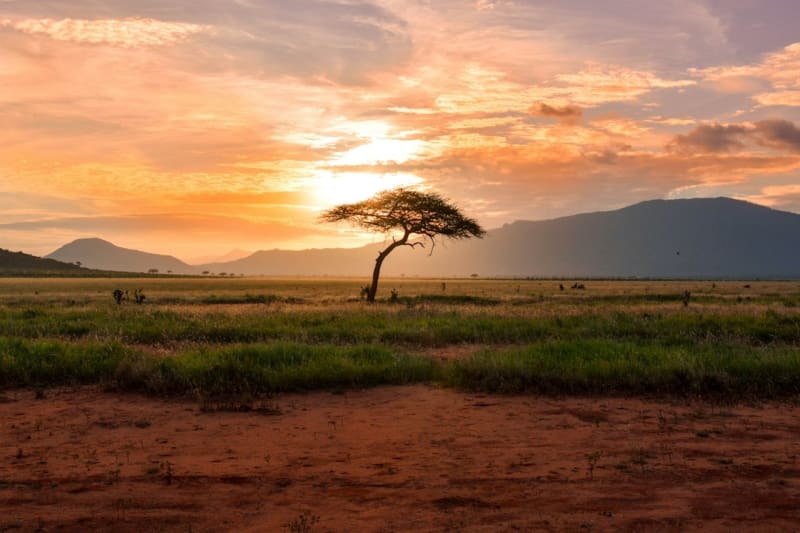
Ethiopia safari in July combines wildlife viewing with cultural immersion at a fraction of Kenya or Tanzania costs. July falls in Ethiopia's dry season, meaning clearer skies, better animal visibility, and fewer international tourists crowding the parks. Roads are passable, vegetation is green from earlier rains, and wildlife congregates around water sources.
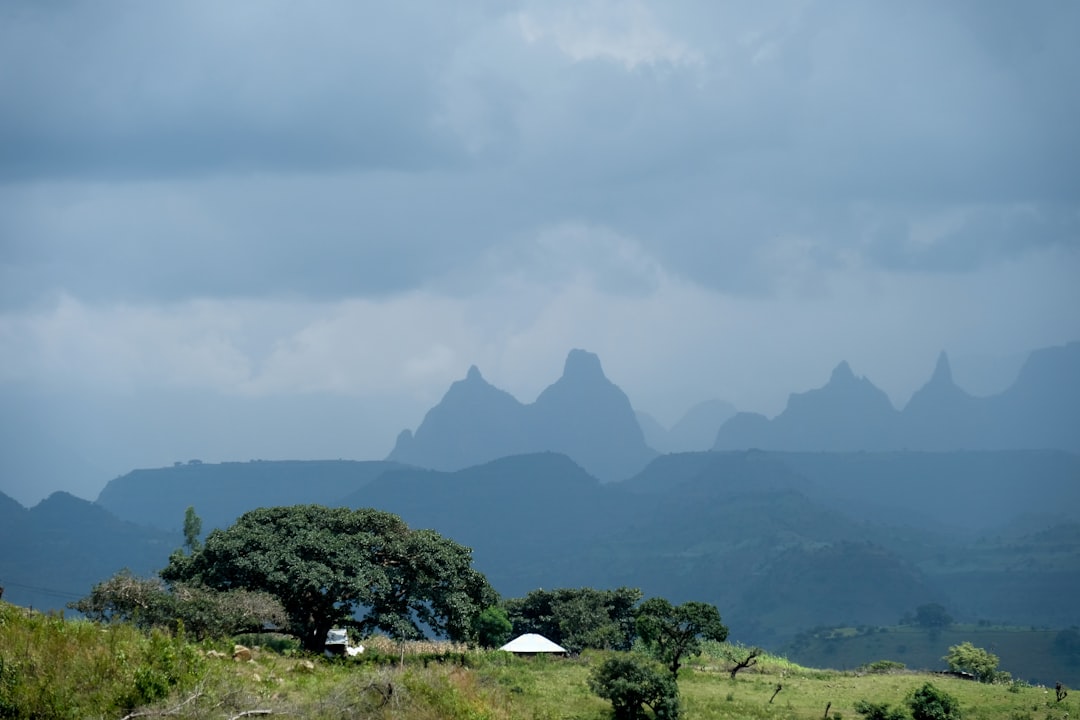
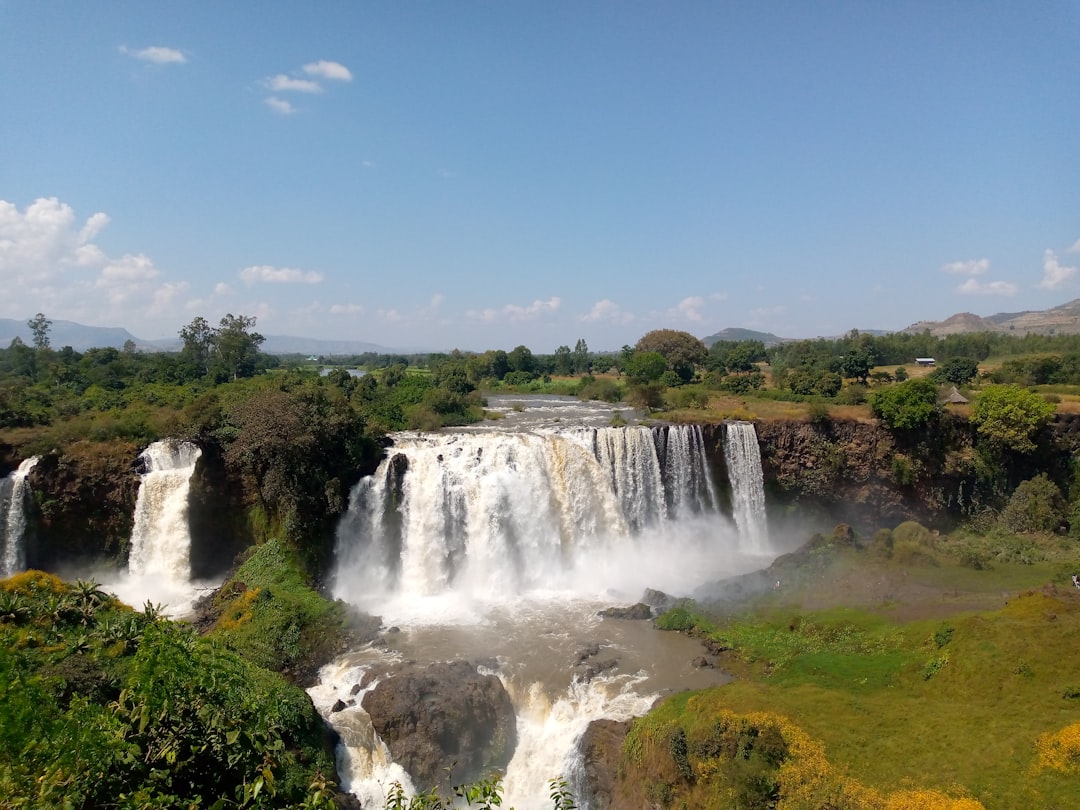
The Rift Valley lakes stretch across Ethiopia, hosting thousands of flamingos and wading birds. The Awash National Park protects hamadryas baboons, oryx, and Somali wild asses. Meanwhile, the Omo Valley showcases Africa's most diverse indigenous cultures alongside elephants, buffalo, and lions. This combination of wildlife and culture makes Ethiopia unique in 2026.
July pricing reflects shoulder season rates. Mid-range accommodations run $40–$100 per night, while budget camping costs $15–$30. This contrasts sharply with peak-season December rates. A 7-day package typically includes park fees, guide services, meals, and transport between destinations.
Why choose Ethiopia over Kenya? Ethiopia offers 40% lower costs, fewer tourists, and endemic wildlife. You'll experience authentic safari without the crowds. Ethiopia Safari: Is It Worth It vs Kenya 2026? explores this comparison in detail, showing how budget-conscious travelers save money while gaining richer cultural experiences.
Why July Is Perfect for Ethiopia Safari in 2026
July is ideal for Ethiopia safari because it's dry season with excellent visibility and lower prices than peak months. The rains end in June, leaving landscapes green and animals concentrated near remaining water sources. Tourist numbers drop significantly, giving you more intimate wildlife encounters.
Dry season in Ethiopia runs July through September. Temperatures range from 60°F to 75°F in highlands and 75°F to 95°F in lowlands. Rain is rare, roads are passable, and wildlife viewing is consistently good. You won't face the muddy roads of June or the tourist chaos of December.
July prices reflect this shoulder season advantage. Tour operators offer 15–25% discounts compared to peak December rates. A mid-range 7-day package costs $1,500–$2,500 instead of $2,500–$4,000. Budget operators offer 5-day trips for under $1,200 per person.
Bird watching peaks in July as resident and migratory species are active. The Rift Valley lakes attract thousands of flamingos, herons, and eagles. Endemic species like the Abyssinian longclaw and yellow-fronted parrot are easily spotted. Ethiopia Safari Wildlife: 21 Animals & Peak Viewing Months 2026 details exactly when to see each species.
Fewer tourists mean better experiences. July sees roughly 5,000–8,000 international visitors to Ethiopia's parks, compared to 25,000+ in December. You'll have guides' full attention, flexible itineraries, and peaceful game drives without convoy traffic.
Cultural festivals align with July in some regions. Local communities conduct traditional ceremonies, giving travelers authentic cultural immersion. This combination of wildlife and culture is rare in African safaris.
Real Ethiopia Safari Prices for July 2026
Ethiopia safari prices in July 2026 range from $1,500–$3,500 per person for 7 days, depending on accommodation level and group size. Budget camping safaris start at $1,200–$1,800, mid-range lodges cost $1,800–$2,800, and luxury options exceed $3,000. Smaller groups pay more per person than groups of 4+.
Budget Safari Packages ($1,200–$1,800 per person)
Budget safaris use camping and basic guesthouses. You'll sleep in tents or simple rooms with shared bathrooms. Meals are simple but nutritious—local breads, injera, stews, and fresh fruit. Guides are experienced but English may be basic in some cases.
Budget packages include park entry fees, ground transport, and basic accommodations. Flights to Ethiopia and internal flights between parks cost extra, typically $300–$600. A 7-day budget package covering Awash and Omo Valley runs $1,500–$1,800 total.
Budget safaris work well for young travelers, backpackers, and cost-conscious families. You'll see the same wildlife as luxury clients but with fewer amenities. Food quality is good despite lower prices—Ethiopian cuisine is naturally healthy and filling.
Mid-Range Safari Packages ($1,800–$2,800 per person)
Mid-range safaris offer comfortable lodges with private bathrooms, reliable electricity, and quality meals. Rooms have en-suite facilities, and dining is in communal settings with other travelers. Guides speak fluent English and often have university degrees in wildlife biology or tourism.
Mid-range packages include park fees, accommodations, meals, and ground transport. Internal flights between parks cost extra at $200–$400. A 7-day mid-range package typically runs $2,000–$2,500 total, making it the most popular choice for families and groups.
Mid-range lodges offer good value. You get comfort without luxury pricing. Most have solar power, clean water, and reliable service. Many are locally owned, supporting community tourism.
Luxury Safari Packages ($3,000+ per person)
Luxury safaris feature high-end lodges with premium amenities—air conditioning, hot water, fine dining, and spa services. Guides are experts with advanced certifications. Small group sizes (4–6 people) ensure personalized attention.
Luxury packages include everything: flights within Ethiopia, all meals, park fees, premium accommodations, and guided activities. A 7-day luxury safari costs $3,500–$5,000 per person. These trips focus on exclusive experiences—private game drives, cultural visits with tribal leaders, and gourmet meals.
Luxury safaris appeal to travelers seeking comfort and personalized service. You'll enjoy the same wildlife as budget clients but with premium accommodation and expert guidance.
Price Comparison Table
| Package Type | Price per Person | Accommodation | Meals | Group Size |
|---|---|---|---|---|
| Budget Camping | $1,200–$1,800 | Tents/Basic guesthouses | Simple, local | 6–12 people |
| Mid-Range Lodge | $1,800–$2,800 | Comfortable rooms, private bath | Quality, varied | 4–8 people |
| Luxury Lodge | $3,000–$5,000 | Premium rooms, amenities | Gourmet dining | 2–6 people |
Prices include park fees, guides, and ground transport. Flights to Ethiopia cost $600–$1,200 from North America or Europe. Internal flights between parks add $200–$400. Visa fees are $50–$100. Travel insurance costs $50–$150 for 10 days.
July is a value month because it's shoulder season. Prices drop 15–25% compared to peak December rates. Ethiopia Safari Cost 2026: 7-Day Budgets Under $2,000 breaks down exact pricing for budget-focused travelers.
Group discounts apply. Traveling with 3+ friends reduces per-person costs by 10–15%. Solo travelers pay 20–30% premiums. Couples typically split costs evenly with tour operators.
What's included varies by operator. Always confirm whether park fees, meals, guides, and transport are included. Some budget operators charge extra for park entry fees, while luxury operators bundle everything.
Best Destinations for July Safari in Ethiopia
Ethiopia safari in July covers three main destinations: the Rift Valley, Awash National Park, and Omo Valley. Each offers unique wildlife and cultural experiences. A 7-day itinerary typically includes two or three of these regions.
Rift Valley Lakes
The Rift Valley stretches 600 kilometers through Ethiopia, hosting six major lakes. Lake Hawassa, Lake Langano, and Lake Abaya are the most visited. These lakes attract thousands of flamingos, wading birds, and crocodiles.
July bird watching is exceptional. Flamingos congregate in massive flocks, creating pink shorelines. Herons, eagles, fish eagles, and kingfishers are abundant. Endemic species like the Abyssinian longclaw are easily spotted. Lodges offer boat excursions for close wildlife viewing.
The Rift Valley also hosts hippos and crocodiles. Crocodile Park near Lake Langano offers safe viewing of these massive reptiles. Night drives reveal nocturnal species like genets and hyenas.
A 2–3 day Rift Valley stay costs $400–$800 total, including accommodations and activities. Most 7-day itineraries include 2 days here.
Awash National Park
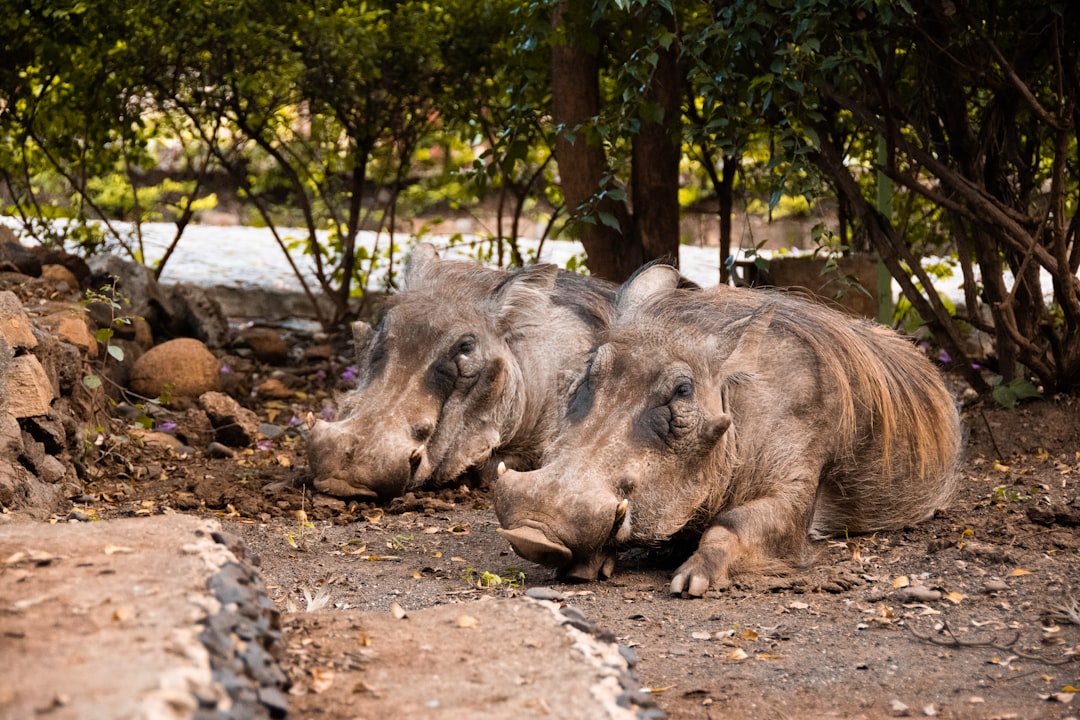
Awash National Park protects 756 square kilometers of savanna and semi-arid habitat. The park is known for hamadryas baboons, oryx, Somali wild asses, and lions. Waterfalls and hot springs add scenic beauty.
July wildlife viewing is good. Animals congregate near the Awash River. Early morning and late afternoon game drives yield regular sightings of buffalo, zebras, and antelopes. Birding is excellent with over 450 species recorded.
Awash is accessible from Addis Ababa, just 225 kilometers east. Most tours include 1–2 days here. Park entry costs $5 per person. Accommodations range from $20 camping to $80 lodge rooms.
A 2-day Awash stay costs $200–$400 total with mid-range accommodations.
Omo Valley
The Omo Valley is Ethiopia's cultural heartland. The Mursi, Karo, Hamar, and Dassanech peoples live in traditional villages. July allows cultural visits and wildlife viewing in the Omo Valley National Park.
Omo Valley wildlife includes elephants, buffalo, lions, and giraffes. The park is less developed than Serengeti, offering a true wilderness experience. July rains leave landscapes green and lush.
Cultural experiences are the main draw. You'll visit tribal villages, meet indigenous peoples, and learn about traditional lifeways. Photography is rewarding but requires respectful engagement with communities.
Omo Valley is remote and requires experienced guides. A 3–4 day Omo Valley trip costs $600–$1,200 including accommodations, guides, and cultural visits. Most 7-day itineraries dedicate 3–4 days here.
Ethiopia Safari Tours from Addis 2026: 4 Easy Itineraries provides detailed day-by-day itineraries combining these regions.
What Wildlife You'll See in July
Ethiopia safari in July offers reliable wildlife viewing across parks. You'll see large mammals like elephants, buffalo, zebras, and antelopes. Predators like lions, leopards, and hyenas are present but less frequently seen. Bird watching is exceptional with over 800 Ethiopian bird species.
Large Mammals
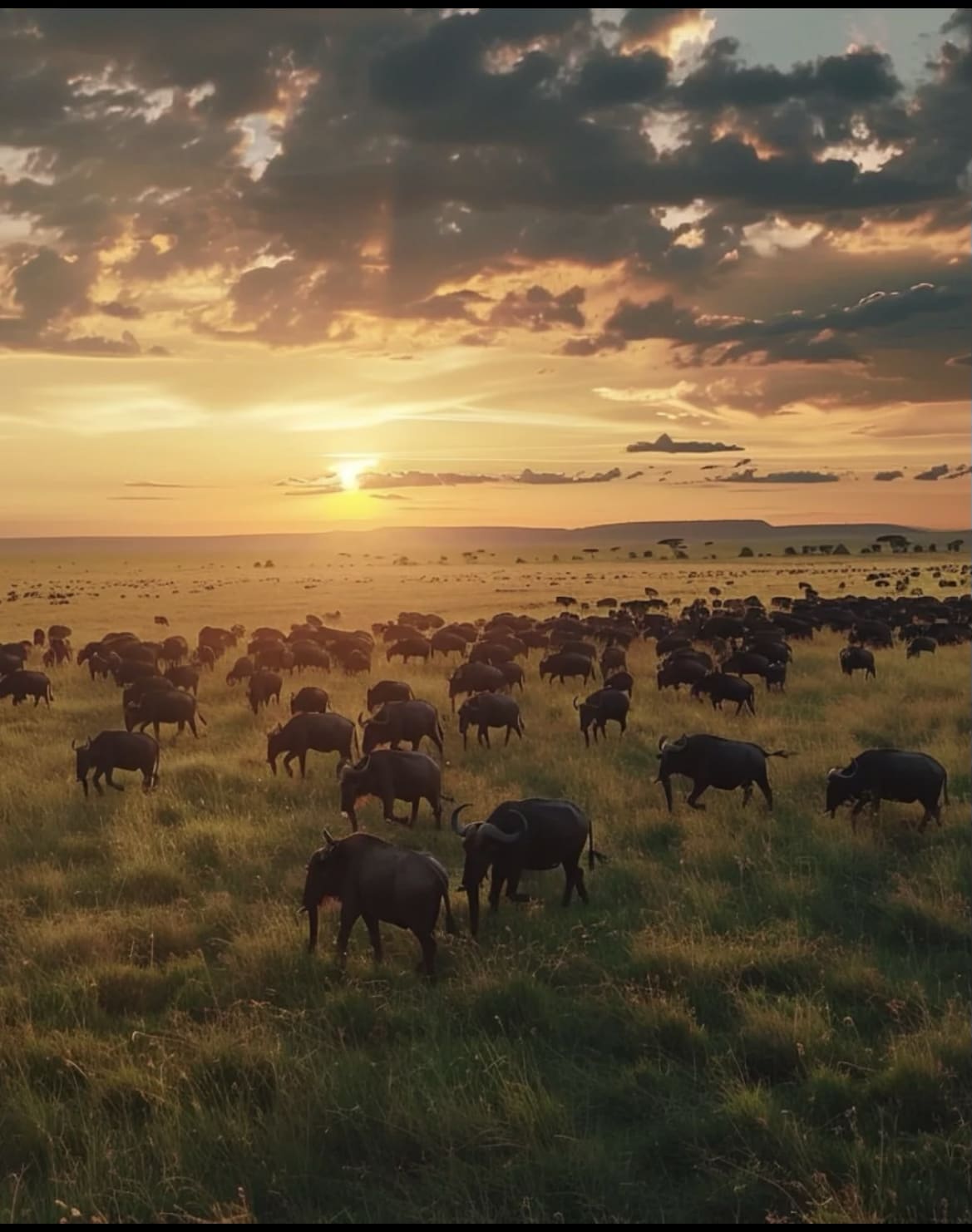
Elephants are common in Omo Valley and southern parks. July herds are active and visible. Buffalo congregate near water sources. Zebras, giraffes, and various antelopes are seen daily on game drives.
Hamadryas baboons are iconic in Awash National Park. These large primates live in troops of 50+ individuals. Observing their social behavior is fascinating. Other primates include geladas and Anubis baboons.
Predators
Lions inhabit Omo Valley and southern parks. July sightings are regular but not guaranteed. Hyenas are common and often heard at night. Leopards are elusive but present. Guides know where to search for predators.
Birds
July bird watching is outstanding. The Rift Valley lakes attract thousands of flamingos, herons, and eagles. Endemic species like the Abyssinian longclaw and yellow-fronted parrot are easily spotted. Over 30 endemic bird species live in Ethiopia.
Common sightings include fish eagles, crowned eagles, secretary birds, and whydahs. Night drives reveal owls and nightjars. Birding guides can identify 50+ species in a single day.
Endemic Species
Ethiopia hosts wildlife found nowhere else. The mountain nyala is an endangered antelope living in Ethiopian highlands. The Walia ibex is critically endangered. The Abyssinian wolf is Africa's rarest carnivore. Ethiopia Safari Animals: 13 Species & Where to See Them details where to find each endemic species.
Reptiles include Nile crocodiles and various snake species. Insects include colorful butterflies and dragonflies. July's green vegetation attracts diverse wildlife.
How to Book Your July Safari
Booking your Ethiopia safari requires choosing an operator, selecting dates, and confirming inclusions. July is shoulder season, so availability is good but booking 2–3 months ahead ensures best prices and preferred dates.
Step 1: Choose Your Operator
Use SafariFind to compare verified operators. Read authentic traveler reviews. Check ratings and review counts. Verified operators have transparent pricing, clear itineraries, and professional guides.
Look for operators with 50+ reviews and 4.5+ star ratings. Experience matters—operators with 10+ years in Ethiopia offer better service. Local operators often provide better value than international companies.
Ask about operator credentials. Are guides certified? Do they have liability insurance? Are accommodations inspected regularly? SafariFind lists verified operators meeting these standards.
Step 2: Select Your Itinerary
Choose between 5-day, 7-day, or 10-day packages. Most travelers prefer 7 days, covering the Rift Valley, Awash, and Omo Valley. Budget 2–3 days for each region plus travel days.
Specify your interests. Are you focused on wildlife, culture, or both? Do you want luxury accommodations or budget camping? This guides operator recommendations.
Step 3: Confirm Inclusions
Verify what's included. Park fees? Meals? Guides? Ground transport? Internal flights? Accommodations? Some operators include everything; others charge extras. Get detailed pricing breakdowns.
Ask about group size. Smaller groups (4–6 people) offer better experiences but cost more per person. Larger groups (8–12 people) reduce per-person costs but feel crowded.
Step 4: Book and Prepare
Confirm your booking in writing. Pay deposits (typically 25–50%) to secure dates. Review cancellation policies. Arrange travel insurance covering trip cancellation and medical emergencies.
Get vaccinations 4–6 weeks before travel. Yellow fever is recommended. Malaria prophylaxis is needed for some regions. Consult your doctor about health requirements.
Compare Ethiopia safari packages on SafariFind. Browse verified operators, read reviews, and request quotes directly. Our marketplace simplifies booking while protecting you with verified operator standards.
Practical Tips for July Safari
July safari in Ethiopia requires preparation. Pack light layers for temperature changes. Bring binoculars, camera gear, and sun protection. Stay hydrated and take malaria prevention seriously in lowland areas.
What to Pack
Clothing: Light layers work best. Mornings are cool (50–60°F), midday is warm (75–85°F), and evenings cool again. Neutral colors blend with wildlife. Avoid bright patterns that scare animals.
Gear: Binoculars (8x42 magnification), camera with zoom lens, and a good flashlight. Sunscreen, hat, and sunglasses are essential. Insect repellent protects against mosquitoes and tsetse flies.
Documents: Passport valid 6+ months, visa ($50–$100), travel insurance, and vaccination certificates.
Health and Safety
Malaria is present in lowland parks. Take prophylaxis as prescribed. Use insect repellent and sleep under nets. Avoid tap water; drink bottled water only.
Ethiopia is generally safe for tourists. Follow guide instructions. Don't wander alone. Respect cultural norms when visiting villages. Dress modestly in cultural areas.
Photography Tips
Early morning and late afternoon light is best. Position yourself for backlit shots. Use fast shutter speeds for moving animals. Respect wildlife—don't approach animals closely. In cultural visits, always ask permission before photographing people.
Comparing Ethiopia to Kenya Safari Costs
Ethiopia safari costs 30–40% less than Kenya safari in 2026. A 7-day Ethiopia package costs $1,500–$2,500, while Kenya costs $2,500–$4,500. Ethiopia offers better value without sacrificing wildlife viewing quality.
Why is Ethiopia cheaper? Lower tourism development means lower lodge prices. Ethiopian operators have lower overhead. Competition among operators drives prices down. Ethiopia Safari vs Kenya 2026: Which Costs Less? provides detailed cost comparisons for each destination.
Ethiopia offers advantages beyond price. Fewer tourists mean less crowded parks. Cultural experiences are richer and more authentic. Endemic wildlife is found only in Ethiopia. Bird watching rivals any African destination.
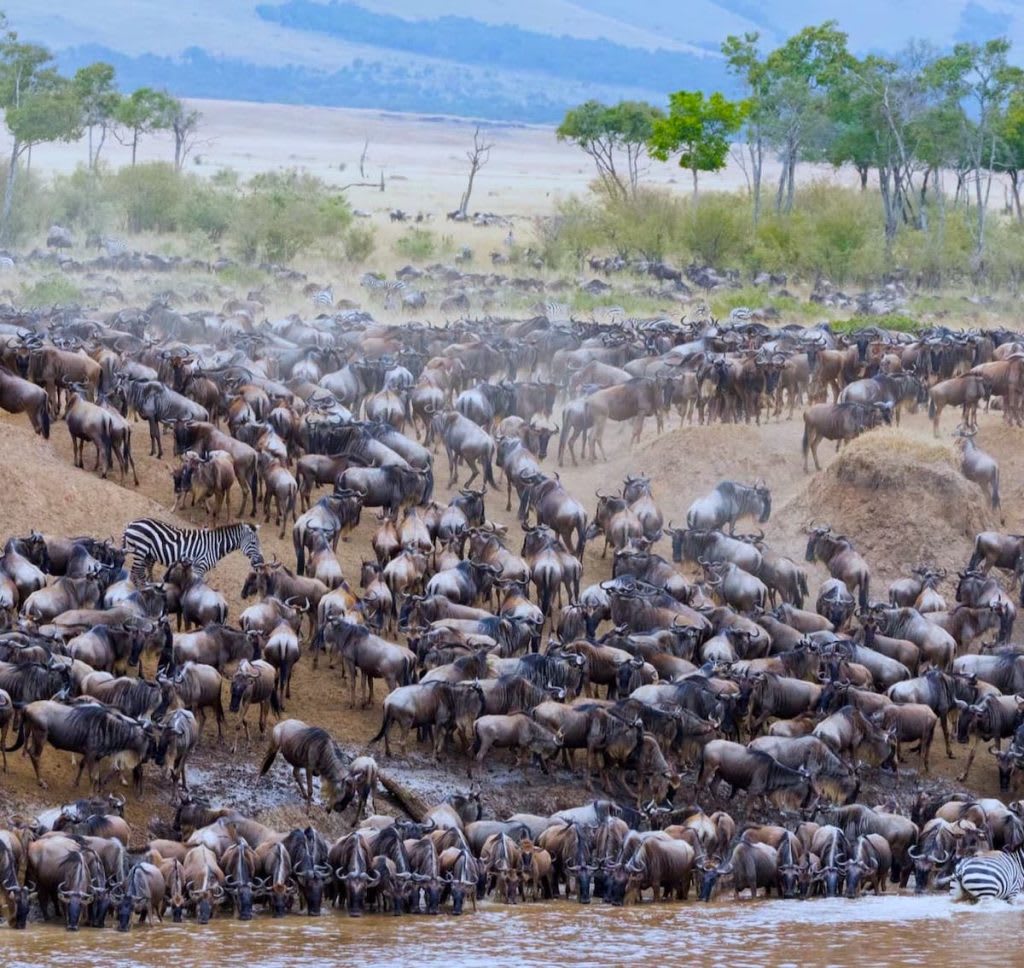
Kenya offers advantages too. The Masai Mara has the Great Migration (though July isn't peak migration season). Infrastructure is more developed. English is more widely spoken.
For budget-conscious travelers, Ethiopia wins. For those prioritizing the Great Migration, Kenya is better. For culture and wildlife combined, Ethiopia excels.
Lodging Options in Ethiopia
Ethiopia safari lodges range from budget camping ($15–$30/night) to luxury resorts ($150+/night). July rates are 15–25% lower than peak December prices. Ethiopia Safari Lodges 2026: Luxury vs Budget Under $300 reviews specific properties and their amenities.
Budget Camping
Budget camps use basic tents with sleeping pads. Bathrooms are shared with pit toilets or basic facilities. Meals are simple but filling—local breads, stews, and fresh fruit. Water is available for washing.
Cost: $15–$30 per night. Best for: Young travelers, backpackers, budget-conscious families. Advantages: Authentic outdoor experience, social atmosphere, low cost. Disadvantages: Limited comfort, basic facilities, no electricity.
Mid-Range Lodges
Mid-range lodges offer simple rooms with private bathrooms. Electricity is available (usually solar). Meals are served in dining areas. Guides stay on-site.
Cost: $40–$100 per night. Best for: Families, groups, comfort-seeking travelers. Advantages: Private bathrooms, reliable meals, good service, community atmosphere. Disadvantages: Limited amenities, basic decor, fewer privacy options.
Luxury Lodges
Luxury lodges feature spacious rooms with en-suite bathrooms, hot water, and air conditioning. Fine dining is available. Common areas include lounges and libraries. Premium service and small group sizes.
Cost: $150–$300+ per night. Best for: Luxury seekers, honeymooners, special occasions. Advantages: Premium comfort, excellent service, gourmet meals, exclusive experiences. Disadvantages: High cost, less cultural immersion, limited interaction with other travelers.
Key Takeaways
- Book your July Ethiopia safari 8–12 weeks ahead to secure best rates ($1,500–$2,500 per person) and preferred dates during shoulder season.
- Choose mid-range lodges ($40–$100/night) for the best value—you get private bathrooms and quality meals without luxury pricing, saving 30–40% compared to Kenya.
- Combine wildlife viewing with cultural visits in Omo Valley to experience indigenous tribes alongside elephants, buffalo, and endemic birds unique to Ethiopia.
- Pack light layers and binoculars for July's temperature swings (50–85°F) and exceptional bird watching with 800+ species recorded in Ethiopia.
- Use SafariFind to compare verified operators with 4.5+ star ratings and authentic reviews before booking, ensuring professional guides and transparent pricing.
Frequently Asked Questions
How much does a 7-day Ethiopia safari cost in July 2026?
A 7-day Ethiopia safari costs $1,500–$3,500 per person in July 2026, depending on accommodation level. Budget camping safaris run $1,500–$1,800, mid-range lodges cost $1,800–$2,800, and luxury options exceed $3,000. July is shoulder season, offering 15–25% discounts compared to peak December rates. Prices include park fees, guides, ground transport, and meals.
Why is July the best time for Ethiopia safari?
July is ideal for Ethiopia safari because it's dry season with excellent wildlife visibility and lower prices than peak months. Rain ends in June, leaving landscapes green and animals concentrated near water sources. Tourist numbers drop significantly, giving you intimate wildlife encounters without crowds. Temperatures are comfortable (60–75°F in highlands, 75–95°F in lowlands), and bird watching is exceptional with thousands of migratory species active.
What wildlife will I see in Ethiopia in July?
July wildlife in Ethiopia includes elephants, buffalo, zebras, giraffes, hamadryas baboons, and various antelope species. Predators like lions, hyenas, and leopards are present but less frequently seen. Bird watching is outstanding with over 800 species recorded, including flamingos, eagles, herons, and endemic species. Endemic wildlife like mountain nyala and Abyssinian wolves are found only in Ethiopia.
Is Ethiopia safer than Kenya for safari travelers?
Ethiopia is generally safe for tourists in established safari areas. Follow guide instructions, don't wander alone, and respect cultural norms when visiting villages. Tourist routes are well-traveled and secure. Hire guides from verified operators with good safety records. Ethiopia's main challenge is road conditions, not crime. Use reputable operators listed on SafariFind for best safety practices and professional guides.
How do I compare Ethiopia safari operators on SafariFind?
Use SafariFind to browse verified operators with authentic reviews and ratings. Filter by destination, price range, and tour duration. Read detailed reviews from past travelers noting guide quality, accommodation standards, and value for money. Compare pricing and inclusions across multiple operators. Request quotes directly through SafariFind to negotiate group discounts. Our marketplace protects you with verified operator standards and transparent pricing.
Should I book an Ethiopia safari for July or August 2026?
July and August are equally good for Ethiopia safari. Both months offer dry season weather, excellent wildlife viewing, and low prices. July has slightly fewer tourists and more available dates. August sees more international travelers but still offers value compared to peak December. Choose based on your schedule flexibility. Book 8–12 weeks ahead for either month to secure best rates and preferred accommodations.
What documents and vaccinations do I need for Ethiopia safari?
You need a passport valid 6+ months beyond your travel dates, an Ethiopian visa ($50–$100), and travel insurance covering trip cancellation and medical emergencies. Yellow fever vaccination is recommended. Malaria prophylaxis is needed for lowland parks—consult your doctor 4–6 weeks before travel. Some countries require proof of yellow fever vaccination for entry. Check current requirements with your embassy before booking.
Conclusion
Ethiopia safari in July 2026 is an excellent choice for budget-conscious travelers seeking authentic wildlife and cultural experiences. Costs run $1,500–$3,500 per person for 7 days with dry season wildlife viewing and fewer tourists than peak months. The Rift Valley lakes offer exceptional bird watching, Awash National Park delivers reliable game viewing, and Omo Valley provides unmatched cultural immersion.
July pricing reflects shoulder season advantages. Mid-range packages cost 15–25% less than December rates. You'll see the same wildlife as peak-season travelers but with better value and smaller crowds. Endemic species like mountain nyala and Abyssinian wolves are found only in Ethiopia, making this destination unique in Africa.
Book your Ethiopia safari 8–12 weeks ahead to secure best rates and preferred dates. Use SafariFind to compare verified operators with authentic reviews, transparent pricing, and professional guides. Mid-range lodges offer the best value—private bathrooms and quality meals without luxury costs.
Pack light layers, binoculars, and sun protection. Follow your guide's instructions. Respect cultural norms in villages. Take malaria prevention seriously in lowland areas. Ethiopia's combination of affordable pricing, exceptional wildlife, and rich culture makes July 2026 an ideal safari season.
Explore verified Ethiopia safari packages on SafariFind today. Compare operators, read authentic reviews, and request quotes directly from professionals. Our marketplace connects you with trusted tour operators offering transparent pricing and proven track records. Start planning your July 2026 Ethiopia safari adventure now.
Plan Your Safari with SafariFind
These recommendations use real data from SafariFind, where you can compare operators, browse packages, and read verified traveler reviews before you book.
Recommended Safari Operators from SafariFind
Recommended Safari Packages from SafariFind
What Travelers Say (SafariFind Reviews)
References
- African Tour Operators Association - Wildebeest Migration in Africa Cost & Tips For Tanzania & Kenya Safari
- SafariFind - Ethiopia Safari in August 2026: Wildlife & Real Costs
- Safari Deal - Why Choose Ethiopia for Wildlife Safaris in 2026
- Uyaphi - 10 Best Places to Go on Safari in 2026
- African Budget Safaris - Best Time for an African Safari (July–December 2026)
- Brilliant Ethiopia - Ethiopia Wildlife Tours
- Prime Uganda Safaris - African Safari Packages, Vacation Tours 2026
- Blaser Safaris - Ethiopia 2026 Safari Guide
 Ask Tembo about this guide
Sources
- African Tour Operators Association - Wildebeest Migration in Africa Cost & Tips For Tanzania & Kenya Safari
- SafariFind - Ethiopia Safari in August 2026: Wildlife & Real Costs
- Safari Deal - Why Choose Ethiopia for Wildlife Safaris in 2026
- Uyaphi - 10 Best Places to Go on Safari in 2026
- African Budget Safaris - Best Time for an African Safari (July–December 2026)
- Brilliant Ethiopia - Ethiopia Wildlife Tours
- Prime Uganda Safaris - African Safari Packages, Vacation Tours 2026
- Blaser Safaris - Ethiopia 2026 Safari Guide
Related to
Ready to start your safari adventure?
Explore curated safari packages and find your perfect African adventure with verified operators.