Ethiopia Safari in August 2026: Peak Wildlife & Real Costs
Ethiopia safari in August 2026 costs $2,000–$3,500 per person for 7 days. Dry season wildlife viewing with fewer crowds. Book verified operators on SafariFind.
Ethiopia Safari in August 2026
Last updated: July 2026
Ethiopia Safari in August 2026 costs $2,000–$3,500 per person for 7 days with mid-range accommodations. August offers dry season wildlife viewing with fewer crowds than peak months. Book through verified operators on SafariFind to compare packages, read authentic traveler reviews, and find the best deal for your budget.
At a Glance
- Cost: $2,000–$3,500 per person (7 days, mid-range)
- Best time: August (dry season, wildlife active, fewer tourists)
- Duration: 7–12 days recommended
- Best for: Wildlife enthusiasts, history lovers, budget travelers
- Wildlife highlights: Gelada baboons, Ethiopian wolves, endemic birds, hippos, crocodiles
- Getting there: Fly into Addis Ababa, domestic flights to Gondar or Bale Mountains
What Is Ethiopia Safari in August 2026?
Ethiopia Safari in August 2026 is a dry season wildlife adventure combining unique African wildlife with ancient historical sites. August falls within Ethiopia's dry season, making it ideal for spotting animals without the rain that dominates other months. Unlike crowded safari destinations in Kenya or Tanzania, Ethiopia offers a quieter, more authentic experience at lower costs.
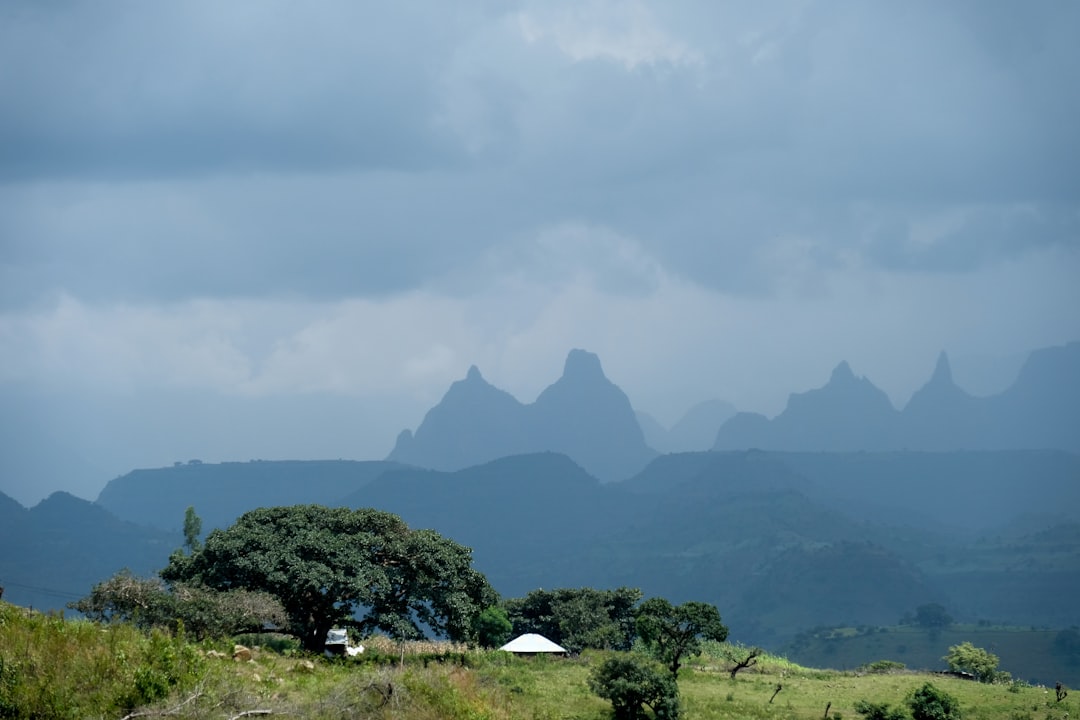
An Ethiopia safari in August 2026 combines wildlife viewing in Bale Mountains and Simien Mountains with visits to ancient monasteries and rock-hewn churches. Costs range from $2,000–$3,500 per person for 7 days with mid-range lodges. You'll see rare Ethiopian endemics like gelada baboons, Ethiopian wolves, and walia ibex alongside stunning highland scenery and rich cultural heritage.
Why August Is Prime Time for Ethiopia Safari
August is part of Ethiopia's dry season, which runs from June through September. During this window, animals congregate around water sources, making wildlife sightings more reliable. The Bale Mountains and Simien Mountains National Parks offer excellent conditions for spotting endemic species that exist nowhere else on Earth.
Fewer tourists visit Ethiopia in August compared to October through March, which means smaller group sizes and more personalized attention from guides. This also means better prices. You'll enjoy a more intimate safari experience without the crowded vehicle situations common in Kenya or Tanzania during peak season.
Peak Season vs. August Pricing
Peak season (October–March) typically costs 20–30% more than August rates. A 7-day safari averaging $2,000–$3,500 in August might jump to $2,500–$4,500 during peak months. Budget travelers save significantly by visiting in August, making Ethiopia an even more affordable alternative to neighboring countries.
Compare Ethiopia to other East African destinations. Ethiopia Safari vs Tanzania 2026: Wildlife & Cost Showdown shows how Ethiopia's unique wildlife and lower prices compare to Tanzania's famous Serengeti. Similarly, Ethiopia Safari vs Kenya 2026: Wildlife, Cost & Which Wins highlights why Ethiopia appeals to travelers seeking value without sacrificing quality.
Wildlife & Natural Highlights in August
Endemic Species You'll See
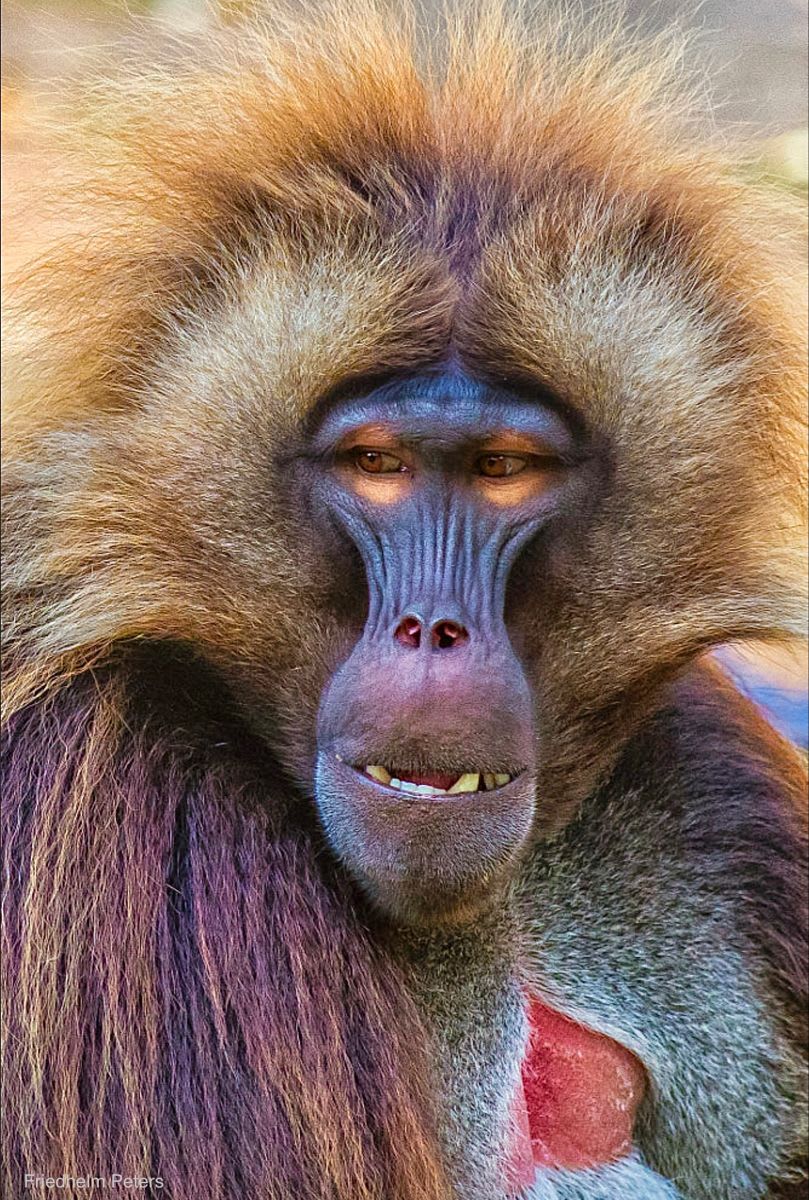
Ethiopia is home to wildlife found nowhere else in the world. The gelada baboon, with its distinctive chest patch, roams the Simien Mountains in large troops. These unique primates are found only in the Ethiopian highlands and are a major draw for wildlife enthusiasts visiting in August.
The Ethiopian wolf is Africa's rarest carnivore, with fewer than 400 individuals remaining in the wild. Bale Mountains National Park is your best chance to spot this critically endangered species. August's dry conditions make wolves more active and visible as they hunt in the alpine meadows.
The walia ibex is another Ethiopian endemic found only in Simien Mountains. This wild goat clings to dramatic cliff faces and rocky outcrops. Early morning game drives in August offer excellent viewing opportunities when these animals are most active.
Bird Watching in August
Ethiopia ranks among Africa's top bird watching destinations, with over 860 bird species recorded. August is excellent for spotting endemic birds like the Abyssinian longclaw, white-winged black tit, and black-headed siskin. The dry season means clearer visibility and less dense vegetation, making birds easier to spot.
Bale Mountains National Park alone hosts 80+ bird species, many found only in Ethiopia. Guides trained in ornithology can help you spot rare species during morning and evening drives. Bring binoculars and a bird guidebook specific to Ethiopia.
Large Mammals in August
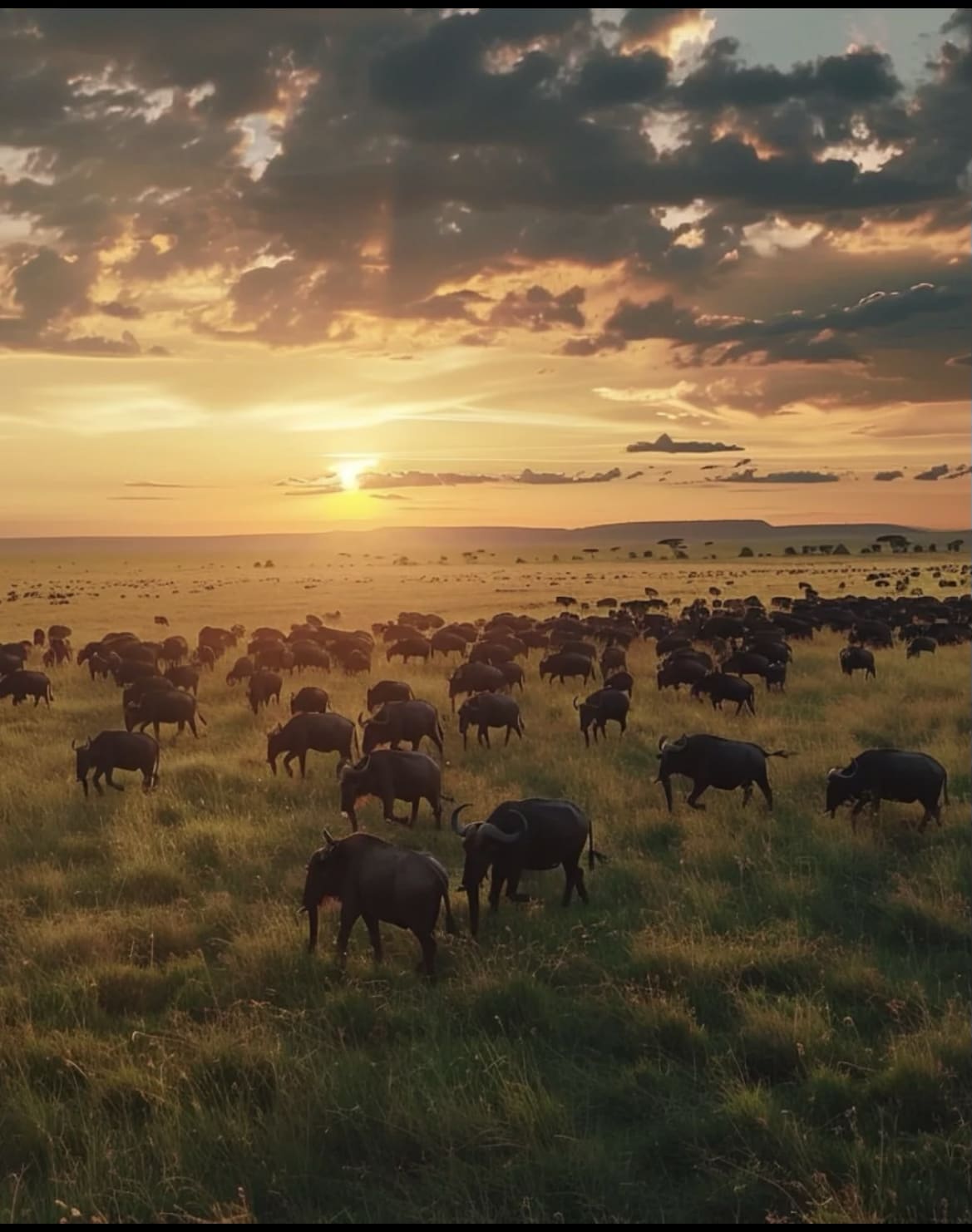
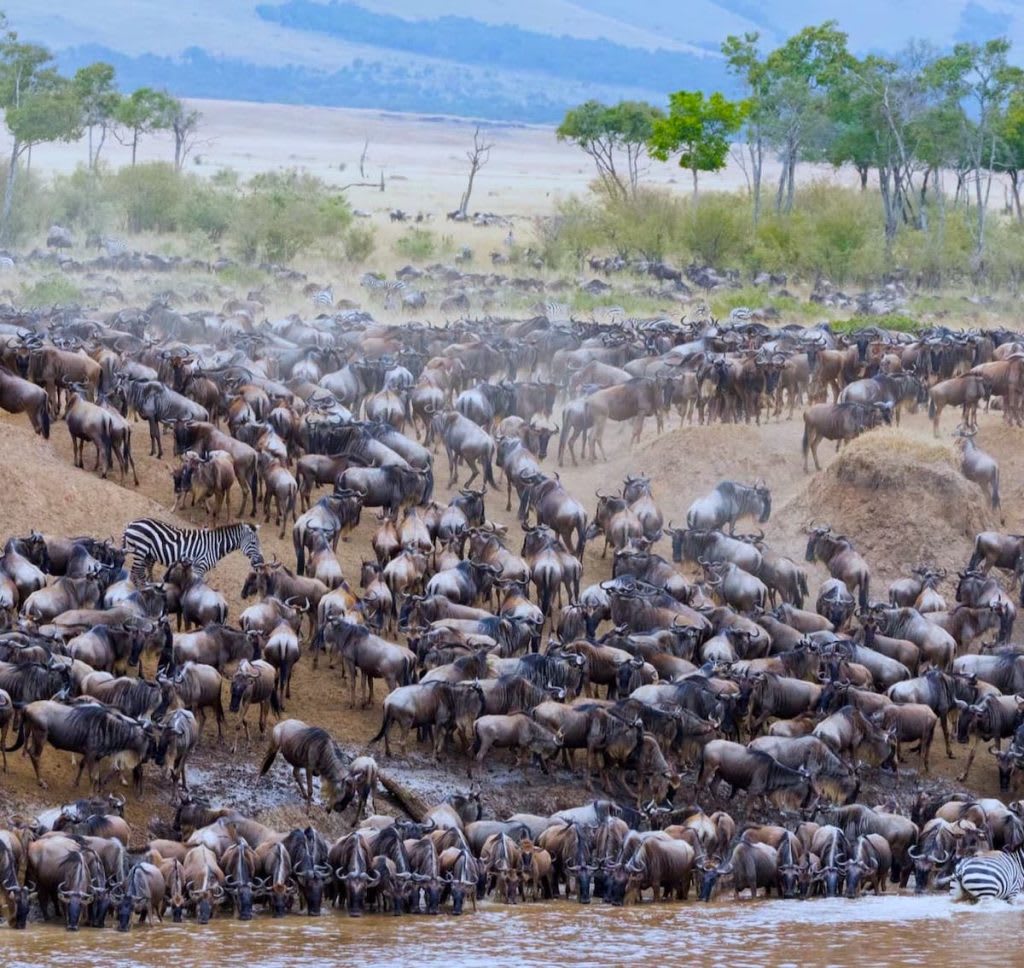
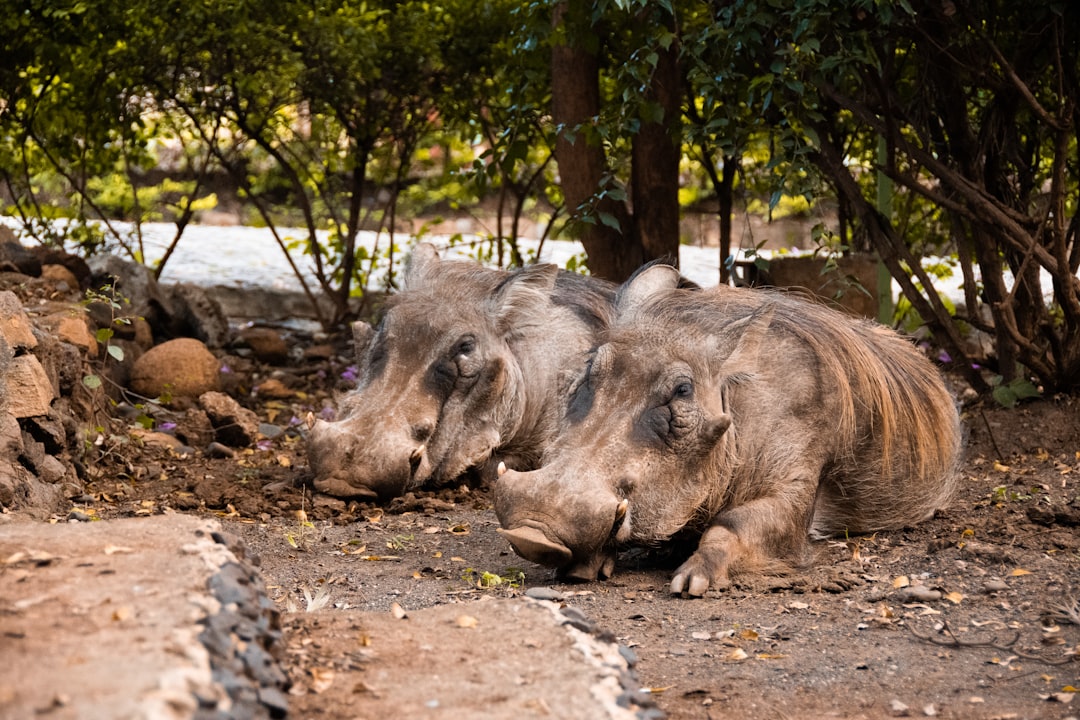
While Ethiopia's large mammals differ from Tanzania's big five, August still offers excellent viewing. Hippos congregate in rivers and water holes during the dry season, making them predictable to find. Crocodiles sun themselves on riverbanks, and buffalo herds move between pastures seeking water.
Spotted hyenas, jackals, and various antelope species are common. August's dry conditions concentrate animals around remaining water sources, increasing encounter rates. Unlike Kenya's Masai Mara, you won't see massive lion prides, but Ethiopia's wildlife offers unique species and a less crowded experience.
Learn more about what you can expect to see. Ethiopia Safari Animals: 7-Day Wildlife Checklist 2026 provides a comprehensive list of species with viewing probabilities and best locations.
Real Costs & Budget Breakdown for August 2026
Price Range by Accommodation Level
Ethiopia safari costs vary based on lodge quality and group size. As of 2026, a 7-day Ethiopia safari ranges from $2,000 to $3,500 per person with mid-range accommodations. Budget options using camping and basic lodges cost $1,500–$2,200, while luxury safaris exceed $4,500 per person.
| Accommodation Type | 7-Day Cost per Person | Includes | Best For |
|---|---|---|---|
| Budget (Camping/Basic Lodge) | $1,500–$2,200 | Shared vehicles, basic meals, group tours | Backpackers, groups, cost-conscious travelers |
| Mid-Range (Lodge) | $2,000–$3,500 | Private/semi-private vehicle, comfortable lodge, guide | Most travelers, families, couples |
| Luxury (High-End Lodge) | $4,500–$7,000+ | Private vehicle, premium lodge, expert naturalist | Affluent travelers seeking premium experience |
What's Included in Package Costs
Most safari packages include accommodation, meals, and guided game drives. Transportation between cities typically uses domestic flights (Addis Ababa to Gondar costs about $100–$150 per person). Vehicle hire, park entrance fees, and guide fees are usually bundled into the quoted price.
International flights to Addis Ababa are not included. Expect to pay $800–$1,500 from North America or Europe in August 2026. Travel insurance, visa fees ($50 for most nationalities), and personal expenses like tips and souvenirs are extra.
August Cost Advantages
August offers 15–25% savings compared to October–March peak season. A mid-range 7-day safari costs $2,000–$3,500 in August versus $2,500–$4,500 during peak months. This makes Ethiopia an exceptional value destination, especially for budget-conscious travelers.
Group discounts apply for parties of 4+ people. Solo travelers pay 10–20% more per person. Early August (first two weeks) is cheaper than late August as some operators begin raising rates for the approaching peak season.
Ready to compare real packages? Ethiopia Safari Operators 2026: Verified & Rated by Travelers lists verified operators with transparent pricing and authentic traveler reviews on SafariFind.
Best Destinations & Itineraries for August
Simien Mountains National Park
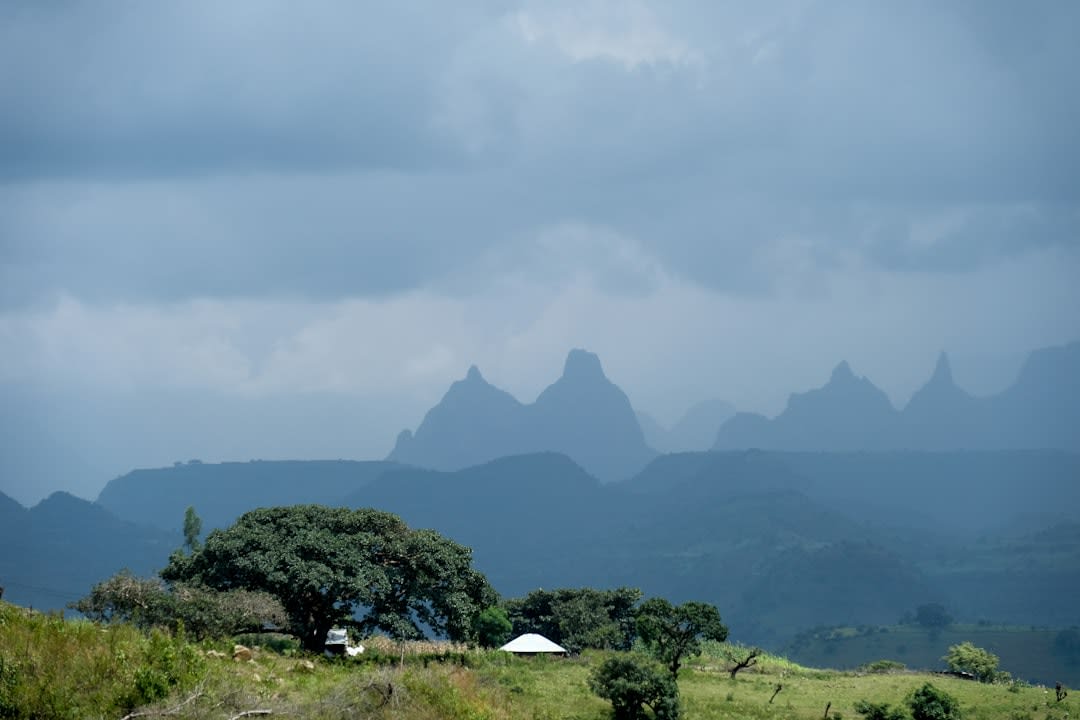
Simien Mountains National Park features jagged Afro-alpine peaks reaching 4,550 meters (14,928 feet). August offers clear skies and excellent visibility for spotting gelada baboons and Ethiopian wolves on the dramatic cliffs. The park covers 225 square kilometers of stunning highland scenery combined with world-class wildlife viewing.
A typical 3-day Simien itinerary includes hiking to viewpoints, early morning drives for gelada baboons, and evening game drives for predators. Accommodation options range from basic mountain lodges ($30–$60 per night) to comfortable mid-range lodges ($80–$150 per night).
Bale Mountains National Park
Bale Mountains National Park is Ethiopia's largest protected area, covering 2,200 square kilometers of highlands, grasslands, and forest. August is peak season for spotting Ethiopian wolves during their morning and evening hunts. The park also protects the mountain nyala, a large antelope found only in these mountains.
A 12-day Ethiopian endemic wildlife tour explores Bale Mountains for $2,850 per person. This deep exploration includes visits to the alpine plateau, forest sections, and multiple wildlife viewing opportunities. Guides have extensive knowledge of rare endemic species and their behaviors.
Historic Northern Route (Gondar & Lake Tana)
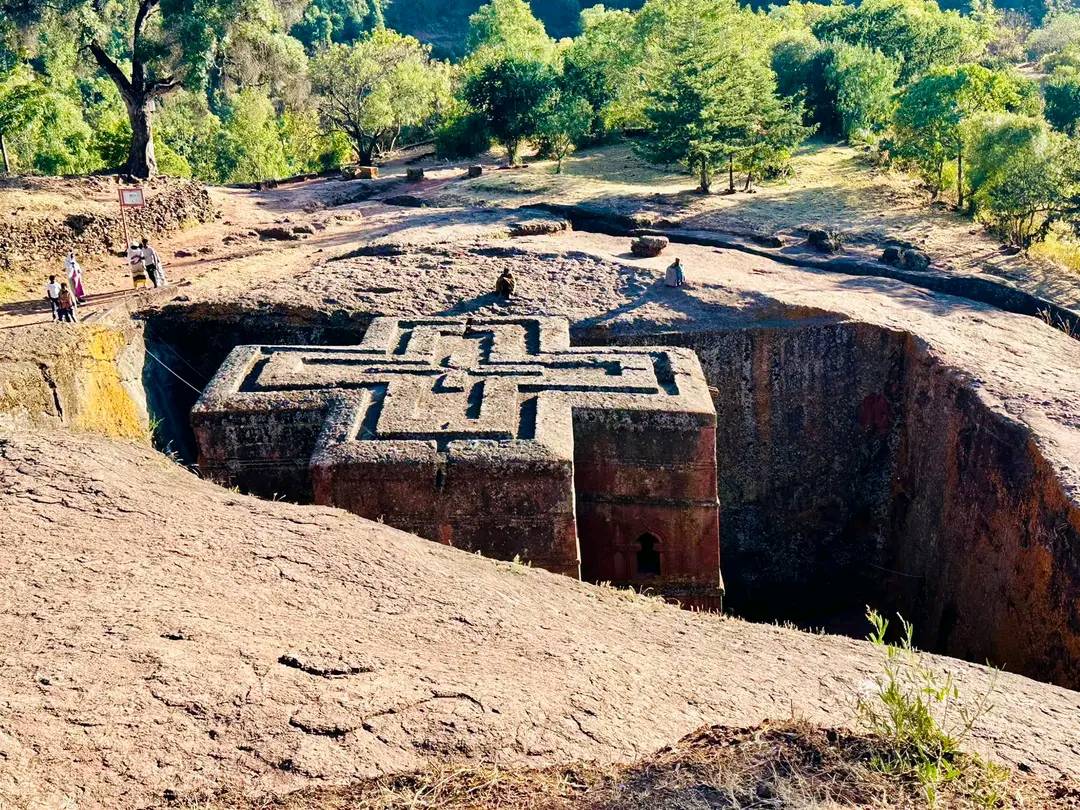
The northern route combines wildlife with Ethiopia's rich history. Gondar features 17th-century palace ruins and fortress walls. Lake Tana holds over 30 island monasteries, many accessible only by boat. An 11-day historical tour combines these sites with Simien Mountains wildlife for around $2,500–$3,200 per person.
This route appeals to travelers wanting more than wildlife. Early mornings offer game drives in Simien Mountains, while afternoons explore historical sites. August's dry conditions make boat trips on Lake Tana comfortable and scenic.
Omo Valley (Cultural & Wildlife)
The Omo Valley offers unique tribal encounters alongside wildlife viewing. August is less crowded than peak season, and guides can arrange visits to Hamar, Mursi, and Suri communities. Wildlife includes hippos, crocodiles, and various antelope species along the Omo River.
Omo Valley trips typically cost $2,200–$3,500 for 7 days including community visits and wildlife drives. This region offers the most immersive cultural experience in Ethiopia while maintaining strong wildlife viewing opportunities.
Practical Planning Guide for August 2026
When to Book Your Safari
Book your Ethiopia safari 2–3 months in advance for August travel. Early booking (May–June) secures better rates and guarantees space with top operators. Late bookings (July) may encounter limited availability and higher prices as operators fill capacity.
August is not peak season, so last-minute deals sometimes appear. However, don't rely on this. Booking by June 2026 gives you the best selection and lowest rates for August departures.
Visa & Travel Documents
Most nationalities need a visa to enter Ethiopia. Tourist visas cost $50 and are obtainable on arrival at Addis Ababa airport or through embassies beforehand. Processing takes 1–2 hours at the airport. Your passport must be valid for 6 months beyond your travel dates.
Yellow fever vaccination is recommended (not required) if you're coming from yellow fever zones. Malaria prophylaxis is advised for some regions, particularly Omo Valley. Consult your doctor 4–6 weeks before travel.
What to Pack for August
August is dry season, so expect cool mornings and warm days in the highlands. Pack layers: a warm fleece or jacket for early morning drives (temperatures drop to 5–10°C), light clothing for midday, and a rain jacket (occasional afternoon showers occur). Sturdy hiking boots are essential for Simien Mountains trails.
Binoculars are critical for wildlife and bird watching. Bring high SPF sunscreen (UV exposure is intense at altitude), a wide-brimmed hat, and sunglasses. Camera gear should include extra batteries and memory cards. Insect repellent prevents mosquito bites in lower elevations.
Getting There & Internal Transportation
Fly into Addis Ababa Bole International Airport. Most international flights arrive here from Europe, Middle East, and North America. Domestic flights connect Addis Ababa to Gondar (2 hours, ~$120–$150), Mekelle (2 hours, ~$100–$130), and other hubs. These flights are essential for covering Ethiopia's vast distances.
Safari packages include ground transportation via 4x4 vehicles. Roads are rough and unpaved in many areas, making vehicles essential. Drivers navigate challenging terrain skillfully. Domestic flights are reliable and operated by reputable carriers like Ethiopian Airlines and regional carriers.
Health & Safety Considerations
Ethiopia is generally safe for tourists. Exercise standard precautions: avoid displaying expensive items, travel in organized groups, and stick to established tourist routes. Healthcare in Addis Ababa is adequate, but facilities are limited in remote areas. Travel insurance covering medical evacuation is strongly recommended.
Altitude affects some travelers. Simien Mountains reach 4,550 meters, causing mild altitude sickness in unacclimatized visitors. Spend 1–2 days in Addis Ababa (2,355 meters) before traveling to higher elevations. Stay hydrated and ascend gradually.
August vs. Other Months: Why August Works
August vs. Peak Season (October–March)
Peak season brings 60–70% more tourists and 20–30% higher prices. August offers the same dry season wildlife viewing at lower costs and smaller group sizes. Park entrance fees are identical year-round, but lodge rates and guide fees drop in August.
Crowds affect the experience. Peak season vehicles often cluster around wildlife sightings, creating congestion. August's fewer visitors mean more intimate encounters and better photography opportunities. Your guide has more flexibility in route planning without competing with dozens of other vehicles.
August vs. Rainy Season (June–September)
August is technically in the rainy season, but Ethiopian highlands receive minimal rainfall compared to other regions. Afternoon showers occur occasionally but rarely interfere with morning game drives. Bale Mountains and Simien Mountains stay relatively dry in August despite being in the "wet season."
July is wetter than August, with more frequent afternoon storms. By August, rainfall decreases, and wildlife viewing improves. September transitions back toward dry season fully. August offers a sweet spot: dry enough for excellent wildlife viewing, wet enough to keep vegetation green and animals active.
August vs. July & September
July is wetter and less predictable for wildlife viewing. September approaches peak season pricing as operators anticipate October's rush. August sits perfectly between these months: dry enough for reliable sightings, cheaper than September, and less rainy than July.
If August doesn't fit your schedule, consider alternatives. Ethiopia Safari in July 2026: Dry Season Pricing & Wildlife covers July's conditions, and Ethiopia Safari in October 2026: Post-Dry Season Wildlife & Prices explains October's advantages and higher costs.
How to Book Your Ethiopia Safari on SafariFind
Finding Verified Operators
SafariFind lists verified tour operators with authentic traveler reviews and transparent pricing. Search by destination (Simien Mountains, Bale Mountains, Omo Valley), duration (7, 10, or 12 days), and budget ($2,000–$3,500). Filter by rating to see top-reviewed operators.
Each operator profile includes customer reviews, average ratings, and response times. Read recent reviews from travelers who visited in August to understand current conditions and operator reliability. Verified operators have been checked for licensing, insurance, and customer satisfaction.
Comparing Packages & Prices
Browse side-by-side package comparisons showing itineraries, accommodation types, inclusions, and prices. SafariFind displays all costs upfront—no hidden fees. Compare three to five operators before deciding. Look for packages matching your interests: wildlife-focused, history-focused, or combined experiences.
Request quotes from operators directly through SafariFind. Most respond within 24 hours with detailed proposals. Quotes include daily itineraries, accommodation details, transportation, and payment terms. Use quotes to negotiate if operators are flexible on dates or group sizes.
Reading Authentic Traveler Reviews
SafariFind reviews are from verified travelers who booked through the platform. Reviews detail operator reliability, guide quality, vehicle condition, accommodation comfort, and wildlife sightings. Look for specific details: "Saw four Ethiopian wolves," "Guide spoke excellent English," "Roads were rough but vehicle was comfortable."
Pay attention to recent reviews (last 3 months) since conditions change seasonally. August reviews specifically mention weather, crowd levels, and animal activity during that month. Negative reviews are valuable—they show how operators handle problems.
Making Your Booking
After selecting an operator and package, confirm dates, group size, and any customizations. Most operators require a deposit (10–30%) to hold your reservation, with final payment due 30 days before departure. Ask about cancellation policies and travel insurance options.
Request a detailed confirmation including itinerary, accommodation details, guide information, and emergency contacts. Confirm international flight arrangements separately. About 2 weeks before departure, receive final briefing documents and packing lists from your operator.
Key Takeaways
- Book August safaris 2–3 months ahead to secure the best rates and availability. Early August (first two weeks) offers the lowest prices, with costs rising as operators approach peak season in October.
- Expect to spend $2,000–$3,500 per person for a 7-day mid-range safari in August 2026. This is 20–30% cheaper than October–March peak season, making Ethiopia exceptional value compared to Kenya or Tanzania.
- Spot Ethiopian endemic wildlife including gelada baboons, Ethiopian wolves, and walia ibex in Simien and Bale Mountains. August's dry season concentrates animals around water sources, increasing sighting probabilities.
- Combine wildlife with history on the northern route, visiting Gondar's palaces, Lake Tana monasteries, and Simien Mountains in a single 10–12 day trip. This unique blend sets Ethiopia apart from other African safaris.
- Use SafariFind to compare verified operators with authentic traveler reviews and transparent pricing. Read August-specific reviews to understand current conditions, then request quotes from your top three choices before booking.
Frequently Asked Questions
Is August a good time to visit Ethiopia for safari?
Yes, August is excellent for Ethiopia safaris. It falls within the dry season (June–September), offering reliable wildlife viewing with fewer crowds than peak season (October–March). Costs are 20–30% lower in August, making it ideal for budget-conscious travelers seeking quality wildlife experiences without the high prices of peak months.
How much does an Ethiopia safari cost in August 2026?
An Ethiopia safari in August 2026 costs $2,000–$3,500 per person for 7 days with mid-range lodge accommodations. Budget options using camping and basic lodges cost $1,500–$2,200, while luxury safaris exceed $4,500 per person. These prices include accommodation, meals, guided game drives, and park entrance fees, but not international flights (typically $800–$1,500 from North America or Europe).
What wildlife will I see on an August safari in Ethiopia?
Ethiopia safaris feature endemic wildlife found nowhere else, including gelada baboons, Ethiopian wolves, and walia ibex. You'll also see hippos, crocodiles, various antelope species, hyenas, and over 860 bird species. August's dry season concentrates animals around water sources, increasing sighting probabilities. Unlike Kenya or Tanzania, Ethiopia doesn't have lions or leopards in the same numbers, but offers unique species and fewer crowds.
How long should I spend on an Ethiopia safari?
Most travelers spend 7–12 days on Ethiopia safaris. A 7-day itinerary covers one major destination like Simien Mountains or Bale Mountains. A 10–12 day trip combines multiple destinations (e.g., Simien Mountains + Lake Tana monasteries + Bale Mountains) or adds cultural experiences in the Omo Valley. Longer trips let you explore Ethiopia's diverse wildlife and historical sites more thoroughly.
What's the best way to book an Ethiopia safari for August?
Book 2–3 months in advance (May–June for August travel) through verified operators on SafariFind. Compare packages by destination, duration, and price. Read authentic traveler reviews from previous August visitors to understand current conditions. Request quotes from your top three operators, then choose based on itinerary, reviews, and price. SafariFind connects you with licensed operators offering transparent pricing and customer support.
Do I need a visa for Ethiopia, and what about vaccinations?
Most nationalities need a tourist visa for Ethiopia, costing $50 and obtainable on arrival at Addis Ababa airport or through embassies. Your passport must be valid for 6 months beyond travel dates. Yellow fever vaccination is recommended (not required) if coming from yellow fever zones. Malaria prophylaxis is advised for lower elevations, especially Omo Valley. Consult your doctor 4–6 weeks before travel for personalized medical advice.
How do I find and compare Ethiopia safari packages on SafariFind?
Visit SafariFind and search for Ethiopia safaris by destination, duration, and budget. Filter by rating to see top-reviewed operators. Each package shows itinerary details, accommodation types, inclusions, and prices. Read verified traveler reviews for authentic experiences. Request quotes directly from operators—most respond within 24 hours with detailed proposals. Compare three to five operators before booking to find the best value and experience for your needs.
Conclusion
Ethiopia Safari in August 2026 offers world-class wildlife viewing combined with rich history at exceptional value. August's dry season ensures reliable animal sightings, while lower prices save you 20–30% compared to peak season. Unique endemic species like Ethiopian wolves and gelada baboons exist nowhere else on Earth, making Ethiopia a must-visit destination for serious wildlife enthusiasts.
The combination of wildlife, history, and affordability makes August an ideal time to explore Ethiopia. A 7-day mid-range safari costs $2,000–$3,500 per person, significantly less than Kenya or Tanzania safaris. Fewer tourists mean smaller group sizes, more personalized guides, and better photography opportunities.
Start planning now. Book your August 2026 Ethiopia safari 2–3 months in advance to secure the best rates and availability. Browse verified operators on SafariFind, compare packages, and read authentic traveler reviews. Request quotes from your top choices, then make an informed decision based on itinerary, price, and customer feedback. Your Ethiopia safari adventure awaits—discover unique wildlife, explore ancient monasteries, and experience authentic African culture in August 2026.
Plan Your Safari with SafariFind
These recommendations use real data from SafariFind, where you can compare operators, browse packages, and read verified traveler reviews before you book.
Recommended Safari Operators from SafariFind
Recommended Safari Packages from SafariFind
What Travelers Say (SafariFind Reviews)
References
- Wildebeest Migration in Africa Cost & Tips For Tanzania & Kenya Safari
- Ethiopia Safari Operators 2026: Verified & Rated | SafariFind
- Ethiopia Safari Hidden Wildlife Gems: Why 2026 is the Year for an Unconventional African Safari - Safari Deal
- 10 Best Places to Go on Safari in 2026 | African Safari Blog
- Ethiopia — The Roof of Africa - Chalo Africa
- 1064 Ethiopia Tours & Safaris (Offered by 47 Tour Operators)
- Ethiopia Tours & Travel Packages 2026 | African Budget Safaris
Sources
- Wildebeest Migration in Africa Cost & Tips For Tanzania & Kenya Safari
- Ethiopia Safari Operators 2026: Verified & Rated | SafariFind
- Ethiopia Safari Hidden Wildlife Gems: Why 2026 is the Year for an Unconventional African Safari
- 10 Best Places to Go on Safari in 2026 | African Safari Blog
- Ethiopia — The Roof of Africa - Chalo Africa
- 1064 Ethiopia Tours & Safaris (Offered by 47 Tour Operators)
- Ethiopia Tours & Travel Packages 2026 | African Budget Safaris
Related to
Ready to start your safari adventure?
Explore curated safari packages and find your perfect African adventure with verified operators.