Ethiopia Safari in October 2026: Post-Dry Season Wildlife & Prices
Ethiopia safari in October 2026 costs $2,000–$3,500 for 7 days. Enjoy peak season wildlife viewing, lush landscapes, and cultural experiences with verified operators.

Ethiopia Safari in October 2026
Last updated: July 2026
Ethiopia safaris in October 2026 cost $2,000–$3,500 for 7 days with excellent wildlife viewing and comfortable weather. October marks the start of peak season with clear skies, lush landscapes from recent rains, and active animal populations. Book through verified operators on SafariFind to compare packages and read authentic reviews from past travelers.
At a Glance
- Cost: $2,000–$3,500 per person for 7 days
- Best time: October–November (peak season with clear skies)
- Duration: 7–12 days recommended
- Best for: Wildlife lovers, culture seekers, nature photographers
- Getting there: Fly to Addis Ababa, then domestic flights to safari regions
- Wildlife highlights: Ethiopian wolves, Hamadryas baboons, endemic birds, elephants
What Is an Ethiopia Safari in October 2026?
An Ethiopia safari in October 2026 is a guided wildlife and cultural tour through Africa's oldest independent nation. October falls at the tail end of the rainy season, creating ideal conditions for spotting animals and exploring the country's unique landscape. The weather transitions from wet to dry, offering travelers the best of both worlds—lush green scenery combined with excellent wildlife activity.
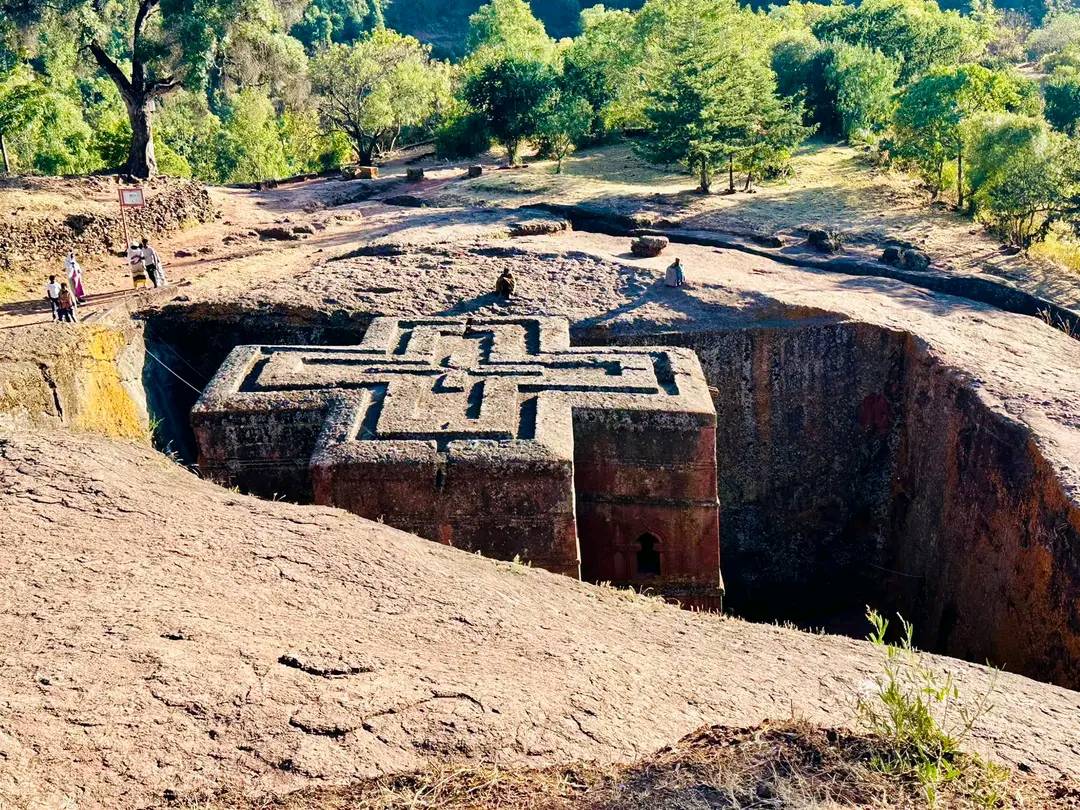
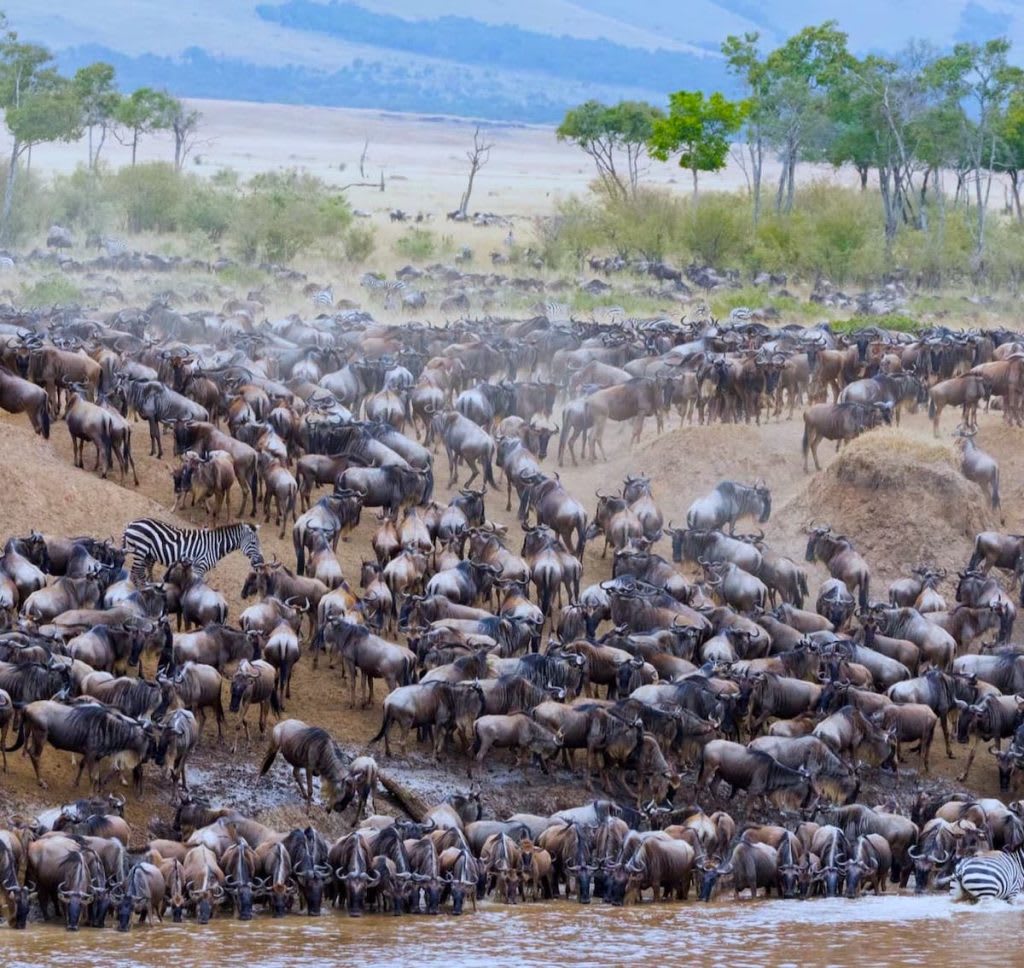
Ethiopia's safari experiences differ significantly from typical African safaris. While countries like Tanzania and Kenya focus on big game migrations, Ethiopia combines wildlife viewing with rich cultural heritage. You visit ancient monasteries, trek through dramatic mountains, and encounter indigenous tribes in the Omo Valley, all within the same trip.
October is considered part of peak season for Ethiopia safaris. Travelers praise guides' historical knowledge, smooth transportation despite rough roads, and authentic monastery visits. Average pricing ranges from $2,000–$3,500 for 7 days with mid-range accommodations, making Ethiopia more affordable than many African safari destinations.
Why October Is Special for Ethiopia Safaris
October represents a unique window in Ethiopia's calendar. The main dry season runs from October to March, bringing the clearest skies and the best trekking and wildlife viewing in the highlands. The recent rains (June to September) have turned landscapes vibrant green, so you experience stunning scenery without the mud and difficult road conditions of the wet season.
The timing also means fewer international tourists compared to peak months like November and December. You still get excellent wildlife activity—animals gather at water sources as vegetation dries out—but with less competition for viewing spots and potentially lower prices if you book early.
Wildlife is particularly active in October as animals adjust to changing conditions. Ethiopian wolves hunt across the Bale Mountains, endemic birds fill the highlands, and large herbivore populations move predictably, making this an excellent month for photographers and serious wildlife enthusiasts.
Key Details About Ethiopia Safaris in October 2026
Weather and Climate Conditions
October weather in Ethiopia is transitional and generally favorable. Daytime temperatures range from 65–75°F in the highlands to 85–95°F in lower regions like the Omo Valley. Nights are cool, especially above 8,000 feet elevation where you may need a warm layer.
Rainfall is minimal in October, with most rains ending by mid-September. This means reliable travel conditions and clear visibility for wildlife viewing and photography. However, some afternoon showers are possible, so pack a light rain jacket just in case.
Wildlife and Animals You'll See
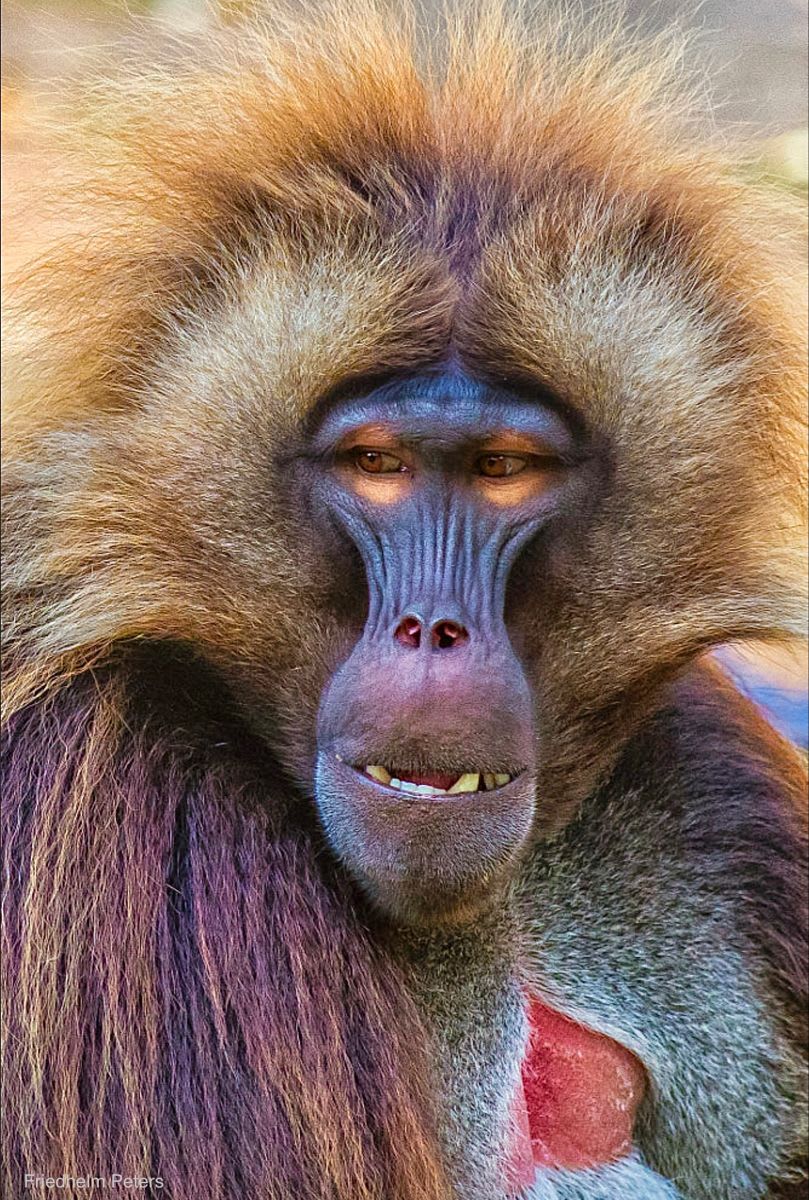
Ethiopia hosts unique wildlife found nowhere else on Earth. The Ethiopian wolf is Africa's most endangered carnivore, and the Bale Mountains offer your best chance to see this rare species. Hamadryas baboons populate the highlands with their distinctive appearance and complex social structures.
Endemic birds are a major draw for October visitors. Over 600 bird species live in Ethiopia, with many found only in this country. Birdwatchers spend hours tracking species like the Abyssinian longclaw, white-winged black tit, and blue-winged goose across highland meadows.
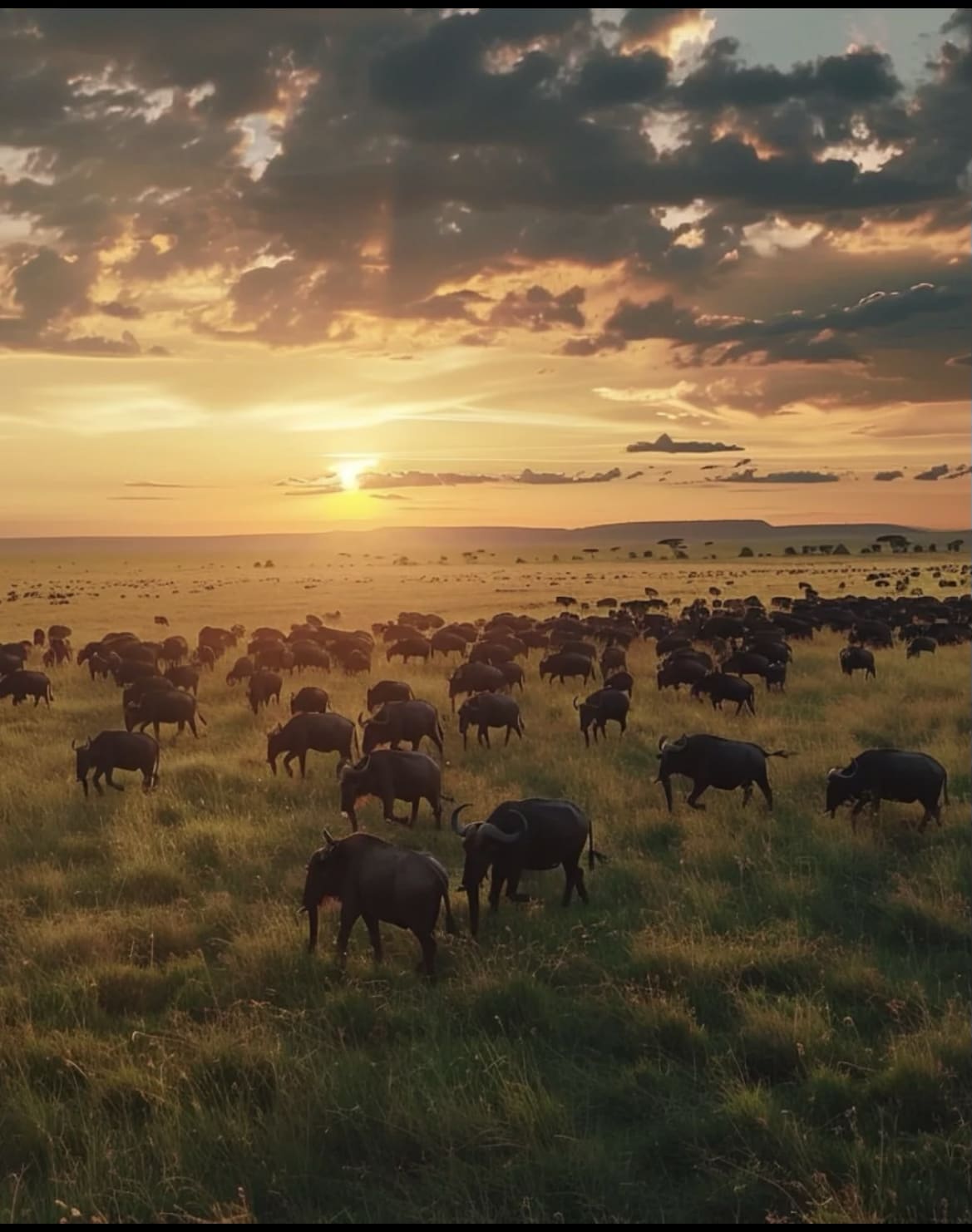
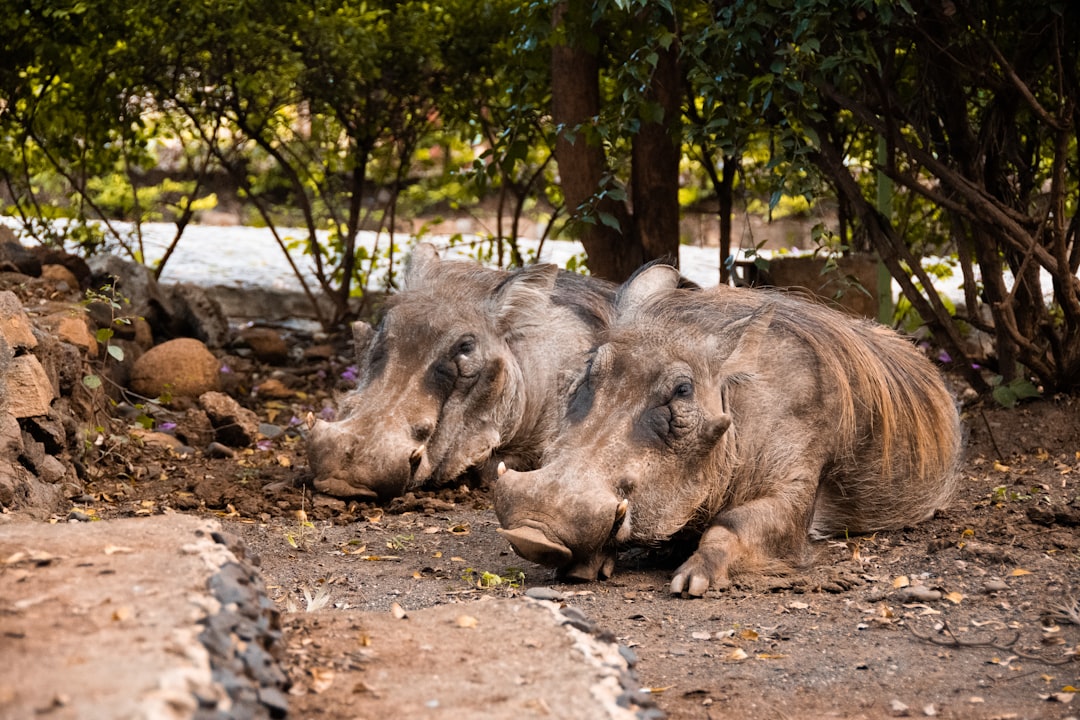
Larger animals include elephants, buffalo, hyenas, and various antelope species. While you won't see the massive herds of East Africa, Ethiopian safaris offer intimate wildlife encounters combined with cultural experiences that most African destinations cannot match.
Price Breakdown for October 2026
A typical 7-day Ethiopia safari in October 2026 breaks down as follows. Mid-range lodge accommodations cost $80–$120 per night. Guided game drives and cultural visits run $150–$200 daily. Domestic flights between regions (Addis Ababa to Bale Mountains, then to Omo Valley) add $400–$600 total.
All-inclusive packages range from $2,000–$3,500 per person, which covers accommodation, meals, guides, and activities but typically excludes international flights. Budget operators offer 5-day trips from $1,200–$1,800, while luxury options with premium lodges reach $4,500–$6,000 for the same duration.
A 12-day Ethiopian endemic wildlife watching experience costs from $2,850 per person. This deep exploration of highlands, Bale Mountains, and Simien Mountains National Parks offers extended time for spotting rare endemics and combining wildlife with stunning scenery. Compare Ethiopia safari packages under $1,500 for budget-friendly options, or explore premium itineraries that maximize wildlife and cultural experiences.
Best Regions to Visit in October
The Bale Mountains National Park is Ethiopia's premier wildlife destination. Located in the southeastern highlands, Bale protects the Ethiopian wolf and offers exceptional trekking and wildlife viewing. October's clear skies make this region ideal for photography and spotting endemic species.
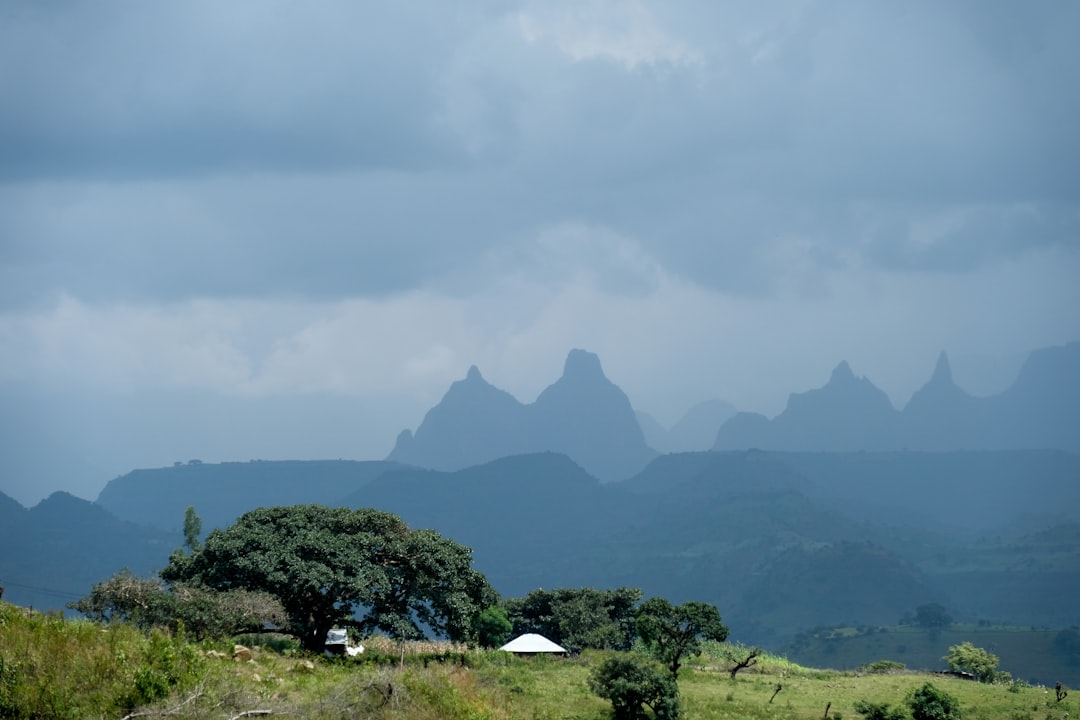
Simien Mountains National Park in the north features dramatic cliffs, endemic gelada baboons, and ancient monasteries. The trek through these mountains combines wildlife viewing with cultural heritage, offering a complete Ethiopian experience. October provides optimal trekking conditions with stable weather and clear views.
The Omo Valley offers cultural immersion with indigenous tribes including the Mursi, Suri, and Karo peoples. While wildlife viewing is secondary here, the cultural experiences are unmatched. October's weather makes village visits and photography more comfortable than during hotter months.
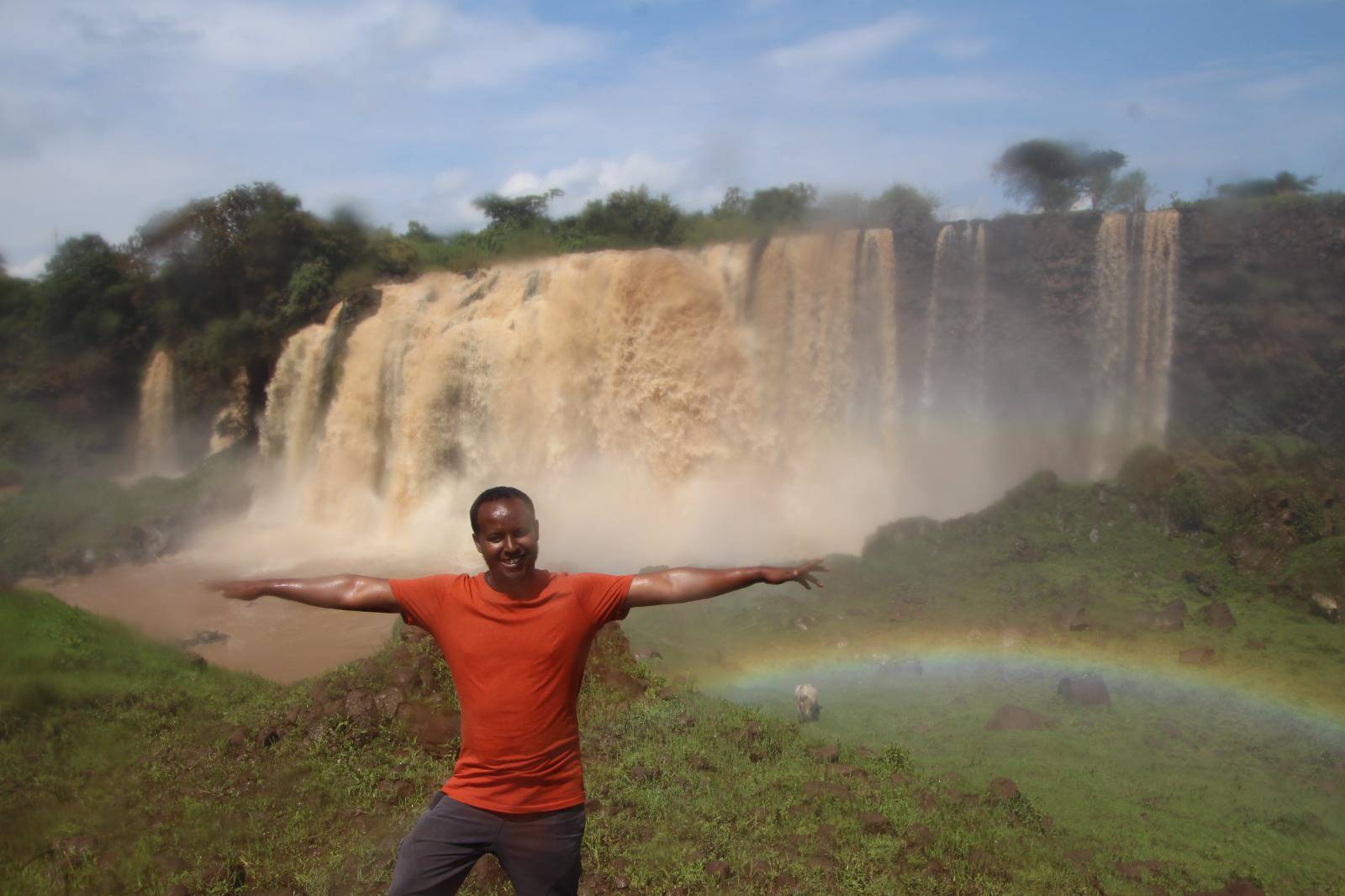
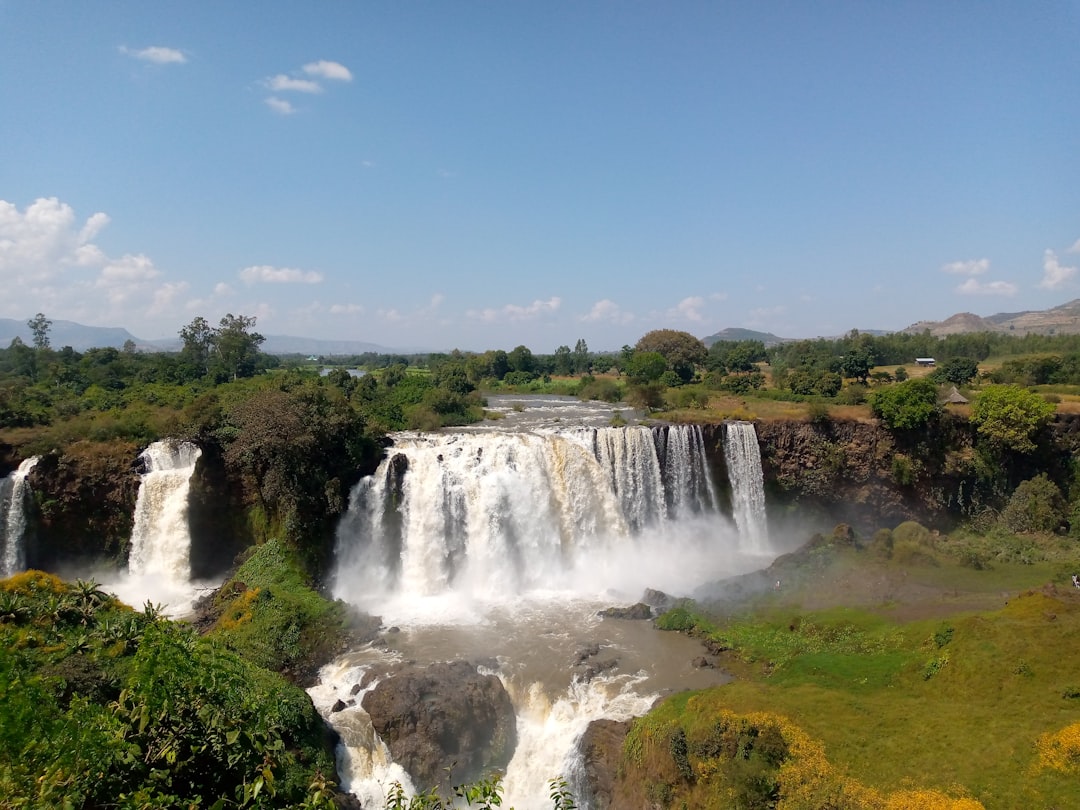
Lake Tana in the northwest features island monasteries and the source of the Blue Nile. October's clearer skies improve boat trip visibility, and the region's cultural sites are best explored before peak season crowds arrive in November.
How to Plan Your Ethiopia Safari for October 2026
Booking Timeline and Reservations
Book your Ethiopia safari 3–6 months before your October 2026 travel dates. Early booking (April–May) secures the best lodge availability and allows time for visa processing. Many operators offer early-bird discounts of 10–15% for bookings made 4+ months ahead.
Verify your passport validity—most countries require 6 months beyond your travel dates. Ethiopian visas are straightforward to obtain. Most nationalities receive visas on arrival in Addis Ababa (cost: $20–$50 USD), though you can apply in advance through Ethiopian embassies if preferred.
Confirm all bookings in writing with your operator. Request detailed itineraries showing daily activities, meal inclusions, accommodation standards, and included transportation. Ask about cancellation policies and travel insurance recommendations before finalizing payment.
What to Pack for October
Pack layers for Ethiopia's temperature variations. Bring lightweight clothing for daytime (t-shirts, shorts, light pants) and warm layers for cool evenings and high-altitude areas (fleece jacket, sweater). A waterproof jacket handles occasional October showers.
Sturdy hiking boots are essential for trekking through Simien and Bale Mountains. Bring binoculars for wildlife and bird watching, a camera with extra batteries, and sun protection (hat, sunscreen, sunglasses). High-altitude regions can cause sun reflection, so UV protection is critical.
Medications for altitude sickness are wise, especially if you'll spend time above 10,000 feet. Consult your doctor before traveling. Pack antimalarial medication if visiting lower regions like the Omo Valley. Bring any prescription medications in original containers with documentation.
Finding the Right Tour Operator
Research operators with verified customer reviews on SafariFind. Look for companies with 4+ star ratings and multiple reviews from past travelers. Check if operators are members of professional associations like the Ethiopian Tour Operators Association.
Ethiopia safari operators verified and rated by travelers often specialize in specific regions or experiences. Some focus on trekking and wildlife, while others emphasize cultural immersion or photography. Match the operator's expertise to your interests.
Request references from past clients and read detailed reviews. Ask operators about guide qualifications, vehicle condition, accommodation standards, and how they handle unexpected situations. A good operator responds quickly to emails and provides clear communication throughout the booking process.
Compare quotes from 3–5 operators before deciding. Pricing differences reflect guide quality, accommodation standards, vehicle condition, and included activities. The cheapest option isn't always the best—prioritize operators with strong reviews and clear value propositions.
Getting to Ethiopia
Most international travelers fly to Addis Ababa Bole International Airport. Major airlines including Ethiopian Airlines, Kenya Airways, Qatar Airways, and European carriers offer regular service. Flight times from North America range from 15–20 hours with 1–2 connections.
Ethiopian Airlines operates domestic flights connecting Addis Ababa to safari regions. Flights to Bale Mountains (Robe), Simien Mountains (Gondar), and Omo Valley destinations take 1–3 hours. Domestic flights cost $80–$150 per segment and are typically included in package prices.
Road travel between regions is possible but time-consuming. Rough terrain and limited road infrastructure make driving slow—a journey that takes 8+ hours by road takes just 2 hours by plane. Most packages include domestic flights for efficiency.
Comparing Ethiopia Safari Options in October 2026
Types of Safari Experiences Available
Wildlife-focused safaris emphasize game drives and trekking to spot endemic species. These trips spend 60–70% of time in national parks like Bale and Simien, with 30–40% allocated to cultural sites. Ideal for photographers and wildlife enthusiasts.
Cultural immersion safaris prioritize village visits and interactions with indigenous peoples. The Omo Valley dominates these itineraries, with wildlife viewing as secondary activities. These trips appeal to anthropology students and cultural travelers seeking authentic human experiences.
Combination safaris blend wildlife and culture equally. These are most popular with general tourists seeking balanced experiences. You spend time in national parks, trek mountains, visit monasteries, and meet indigenous tribes—experiencing Ethiopia's complete character.
Luxury safaris feature high-end lodges, private guides, and exclusive experiences. These cost $4,500–$6,000+ for 7 days but offer exceptional comfort and personalized service. Budget safaris use basic but clean accommodations and group transportation, costing $1,200–$2,000 for similar durations.
October vs. Other Months
October offers advantages over both shoulder and peak seasons. Compared to June–September (rainy season), October has better weather and clearer skies. Compared to November–December (peak season), October has fewer tourists and potentially lower prices while maintaining excellent wildlife activity.
The dry season (January–March) offers the absolute best wildlife viewing but draws the largest crowds and highest prices. October provides 85–90% of the wildlife viewing quality at 10–15% lower prices with 40–50% fewer tourists.
Ethiopia safari in dry season 2026 offers peak wildlife viewing, but October's combination of good wildlife, pleasant weather, and reasonable pricing makes it excellent value.
Sample October Itineraries
7-Day Classic Ethiopia Safari ($2,200–$2,800): Addis Ababa (1 day) → Bale Mountains (3 days) → Simien Mountains (2 days) → Addis Ababa (1 day). Covers wildlife and mountains with moderate cultural content.
10-Day Cultural & Wildlife Tour ($2,800–$3,500): Addis Ababa → Lake Tana monasteries → Simien Mountains trek → Bale Mountains → Omo Valley (2 days) → Addis Ababa. Balances all experiences across diverse regions.
5-Day Budget Safari ($1,200–$1,600): Addis Ababa → Bale Mountains (4 days) → Addis Ababa. Focuses on wildlife with minimal cultural content, ideal for time-limited travelers.
12-Day Comprehensive Journey ($3,500–$4,500): Extended versions of above itineraries with additional trekking, cultural immersion, and relaxation time. Allows deeper exploration of each region and better acclimatization to altitude.
Important Considerations for October 2026 Travel
Health and Safety Precautions
Consult your doctor 4–6 weeks before travel about vaccinations and health precautions. Yellow fever, typhoid, and hepatitis A vaccinations are commonly recommended. Malaria prevention is important for lower-altitude regions like the Omo Valley but less critical in highland areas above 6,000 feet.
Ethiopia is generally safe for tourists in established safari regions. However, security situations can change. Check current travel advisories from your government before booking. Stick to established tour routes and avoid independent travel in remote areas.
Altitude sickness affects some travelers at elevations above 8,000 feet. Simien Mountains reach 13,000+ feet, potentially causing headaches, nausea, or fatigue. Ascend gradually, stay hydrated, and consider altitude sickness medication prescribed by your doctor.
Cultural Sensitivity and Etiquette
Respect local customs and traditions, especially when visiting indigenous communities. Always ask permission before photographing people, and consider offering small gifts (school supplies, photos) rather than money. Learn a few words of Amharic, Ethiopia's main language, to show respect.
Dress modestly in cultural and religious sites. Cover shoulders and knees when visiting monasteries and villages. Remove shoes when entering sacred spaces. These gestures demonstrate respect and enhance your cultural experience.
Photography etiquette varies by region. In the Omo Valley, some communities charge fees for photos. Negotiate prices in advance rather than arguing later. In national parks, guides will advise on photography rules and animal behavior considerations.
Environmental Impact and Responsible Tourism
Choose operators committed to sustainable practices. Ask how they support local communities and protect wildlife habitats. Reputable operators employ local guides, purchase supplies locally, and contribute to conservation efforts.
Minimize your environmental footprint by using reusable water bottles (refilled at lodges), avoiding single-use plastics, and respecting wildlife distance guidelines. Don't touch or feed animals, and stay on designated trails to protect vegetation and soil.
Support local economies by purchasing crafts directly from artisans, eating local food, and using local guides. These actions ensure your tourism dollars benefit the communities and wildlife habitats you visit.
Key Takeaways
- Book your Ethiopia safari 3–6 months ahead (April–May for October travel) to secure the best lodges and receive 10–15% early-bird discounts.
- Expect to pay $2,000–$3,500 per person for 7-day safaris in October 2026, with budget options from $1,200–$1,600 and luxury packages reaching $4,500–$6,000.
- October offers ideal trekking weather in Simien and Bale Mountains with clear skies, lush landscapes, and excellent wildlife viewing during the dry season transition.
- Combine wildlife viewing with cultural immersion by visiting Ethiopian endemic species in national parks while experiencing ancient monasteries and indigenous tribes in the Omo Valley.
- Learn what to expect as a first-time Ethiopia safari visitor by reviewing verified operator reviews and comparing packages on SafariFind before committing to a specific tour.
Frequently Asked Questions
Is October a good time to visit Ethiopia for safaris?
Yes, October is an excellent time for Ethiopia safaris. The main dry season runs from October to March, bringing clear skies and the best trekking and wildlife viewing in the highlands. October specifically offers fewer tourists than peak months (November–December) while maintaining exceptional wildlife activity. Weather is stable with minimal rainfall, making it ideal for photography and outdoor activities. Prices are typically 10–15% lower than November, providing better value.
How much does an Ethiopia safari cost in October 2026?
Ethiopia safaris in October 2026 range from $2,000–$3,500 per person for 7 days with mid-range accommodations. Budget safaris cost $1,200–$1,600 for 5 days, while luxury packages reach $4,500–$6,000 for 7–10 days. A 12-day Ethiopian endemic wildlife watching experience costs from $2,850 per person. Prices include accommodation, meals, guides, and activities but typically exclude international flights. Early bookings (4+ months ahead) often receive 10–15% discounts.
What wildlife can I see on an Ethiopia safari in October?
Ethiopia safaris feature unique endemic wildlife found nowhere else. The Ethiopian wolf is Africa's most endangered carnivore, visible in the Bale Mountains. Hamadryas baboons populate the highlands with distinctive appearance and complex social structures. Over 600 bird species live in Ethiopia, with many endemics like the Abyssinian longclaw and white-winged black tit. Larger animals include elephants, buffalo, hyenas, and various antelope species. October's clear skies make wildlife spotting and bird watching particularly rewarding.
Do I need a visa for Ethiopia in October 2026?
Most nationalities receive Ethiopian visas on arrival at Addis Ababa Bole International Airport (cost: $20–$50 USD). You can also apply in advance through Ethiopian embassies if preferred. Ensure your passport is valid for at least 6 months beyond your travel dates. The visa process is straightforward and typically takes 15–30 minutes at the airport. Having a valid visa allows you to focus on your safari experience rather than last-minute documentation stress.
What should I pack for an Ethiopia safari in October?
Pack layers for temperature variations—lightweight clothing for daytime (t-shirts, shorts, light pants) and warm layers for cool evenings (fleece jacket, sweater). Bring sturdy hiking boots for mountain trekking, a waterproof jacket for occasional showers, and sun protection (hat, sunscreen, sunglasses). Include binoculars for wildlife viewing, a camera with extra batteries, and altitude sickness medication if prescribed by your doctor. Medications should be in original containers with documentation. Modest clothing respects local customs when visiting cultural sites.
Which regions should I visit on an Ethiopia safari in October?
The Bale Mountains National Park is Ethiopia's premier wildlife destination, offering Ethiopian wolves and endemic birds. Simien Mountains National Park features dramatic cliffs, gelada baboons, and ancient monasteries with optimal trekking conditions in October. The Omo Valley provides unmatched cultural immersion with indigenous tribes including Mursi, Suri, and Karo peoples. Lake Tana in the northwest features island monasteries and the Blue Nile source. Most comprehensive safaris combine 2–3 regions for balanced wildlife and cultural experiences. Create your wildlife checklist for a 7-day Ethiopia safari to maximize sightings across multiple regions.
How do I choose a tour operator for my October 2026 Ethiopia safari?
Research operators with verified customer reviews on SafariFind, looking for 4+ star ratings and multiple reviews from past travelers. Check if operators are members of professional associations like the Ethiopian Tour Operators Association. Request references from past clients and ask about guide qualifications, vehicle condition, and accommodation standards. Compare quotes from 3–5 operators before deciding—cheaper options aren't always better. Prioritize operators with strong reviews, clear communication, and value propositions matching your interests and budget.
Conclusion
Ethiopia safaris in October 2026 combine exceptional wildlife viewing with rich cultural experiences at reasonable prices. October marks the start of peak season with clear skies, lush landscapes from recent rains, and active animal populations. Expect to pay $2,000–$3,500 for 7-day trips with mid-range accommodations, making Ethiopia more affordable than many African safari destinations while offering unique endemic species and cultural immersion unavailable elsewhere.
October offers ideal conditions for spotting Ethiopian wolves in the Bale Mountains, trekking through dramatic Simien Mountain scenery, visiting island monasteries on Lake Tana, and experiencing indigenous cultures in the Omo Valley. The weather is stable with minimal rainfall, making it perfect for photography and outdoor activities. Book 3–6 months ahead to secure the best lodges and receive early-bird discounts of 10–15%.
Whether you're a wildlife enthusiast seeking endemic species, a culture seeker interested in indigenous communities, or a photographer capturing dramatic landscapes, Ethiopia delivers unforgettable experiences. Compare Ethiopia safaris with Tanzania options to understand regional differences, or explore verified Ethiopia safari packages on SafariFind to request quotes from top-rated operators. Read authentic reviews from past travelers, compare prices across multiple operators, and book with confidence knowing you've chosen a verified, trusted company for your October 2026 adventure.
Plan Your Safari with SafariFind
These recommendations use real data from SafariFind, where you can compare operators, browse packages, and read verified traveler reviews before you book.
Recommended Safari Operators from SafariFind
Recommended Safari Packages from SafariFind
What Travelers Say (SafariFind Reviews)
References
Sources
Related to
Ready to start your safari adventure?
Explore curated safari packages and find your perfect African adventure with verified operators.