Ethiopia Safari in Dry Season 2026: Wildlife Peak & Real Pricing
Ethiopia safari dry season 2026 offers peak wildlife viewing and lower costs. Budget $1,500–$3,500 per person for 7 days. Book verified operators on SafariFind.

Ethiopia Safari Dry Season 2026: Wildlife Peak & Pricing
Last updated: July 2026
Ethiopia's dry season from July to September 2026 delivers peak wildlife viewing and lower costs than peak months. Budget safaris range from $1,500–$3,500 per person for 7 days. September offers the best conditions with clear skies and exceptional wildlife productivity. Book through SafariFind to compare verified operators and read authentic traveler reviews.
At a Glance
- Cost: $1,500–$3,500 per person for 7 days
- Best time: July–September 2026 (dry season)
- Peak month: September with clearest skies and longest game drives
- Duration: 7–10 days recommended
- Best for: Wildlife photographers, budget travelers, first-time safari-goers
- Wildlife highlights: Leopards, elephants, hippos, crocodiles, hyenas, wild dogs
What Is Ethiopia Safari in Dry Season 2026?
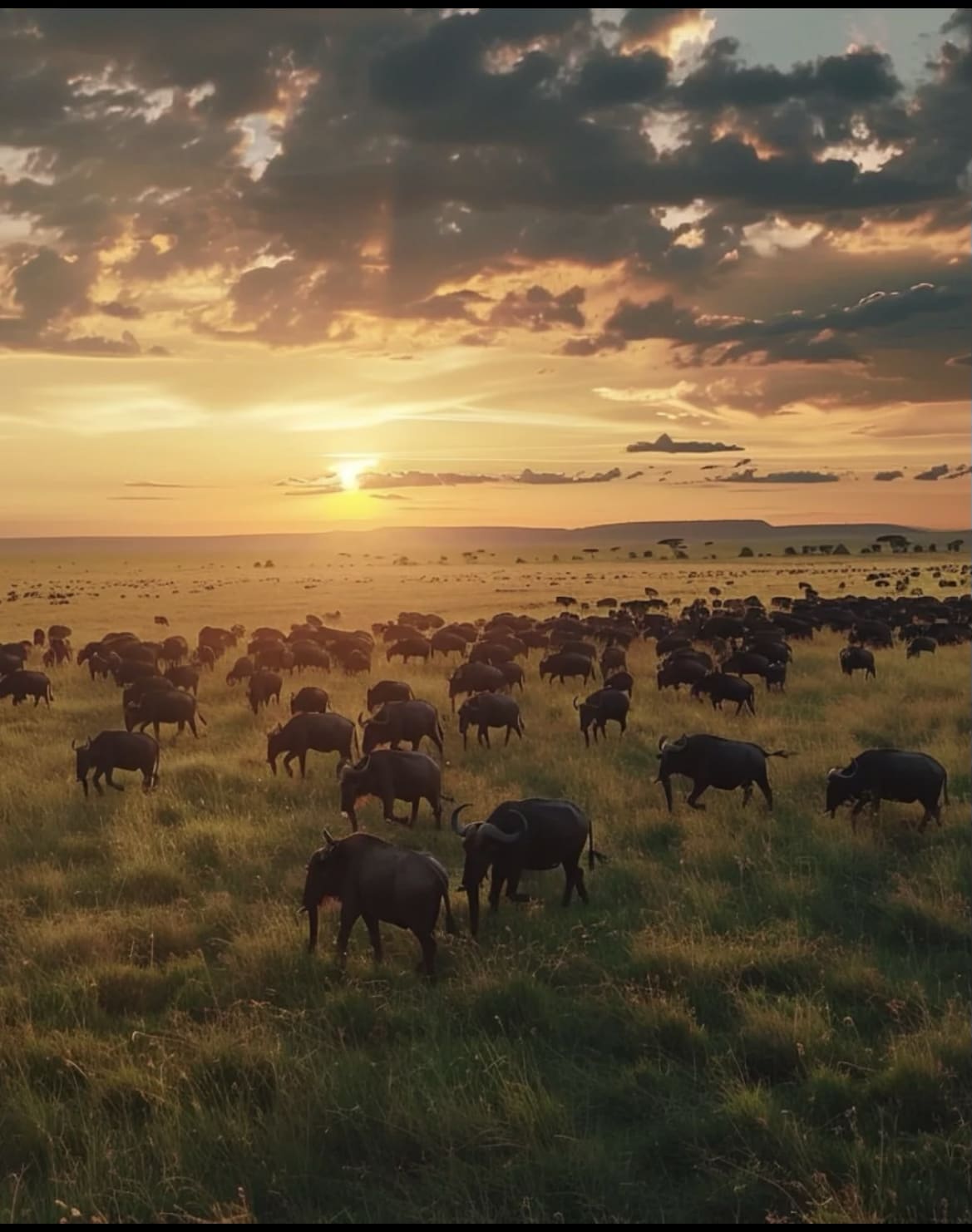
Ethiopia safari in the dry season is Africa's best-kept wildlife secret in 2026. The dry season from July to September brings optimal conditions for spotting wildlife, with lower prices than peak tourism months. This is when visitors experience Ethiopia's vast national parks at their most productive.
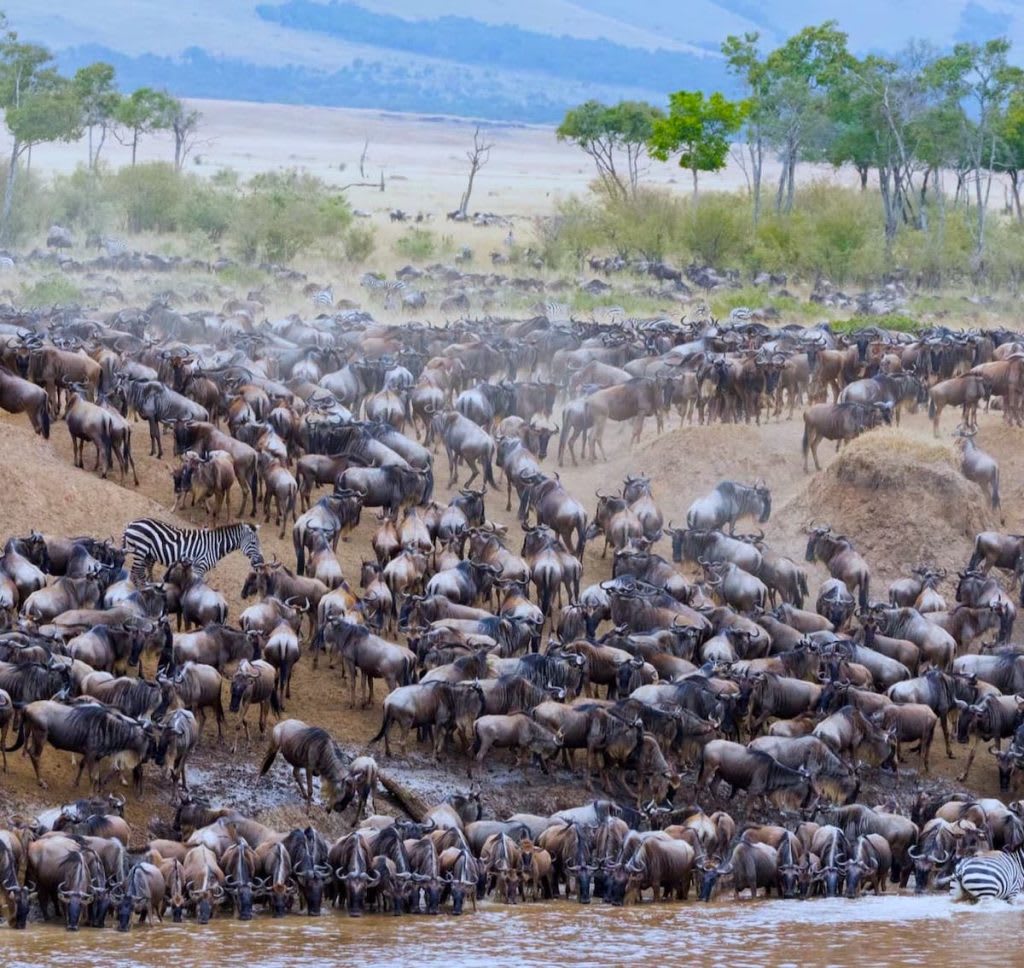
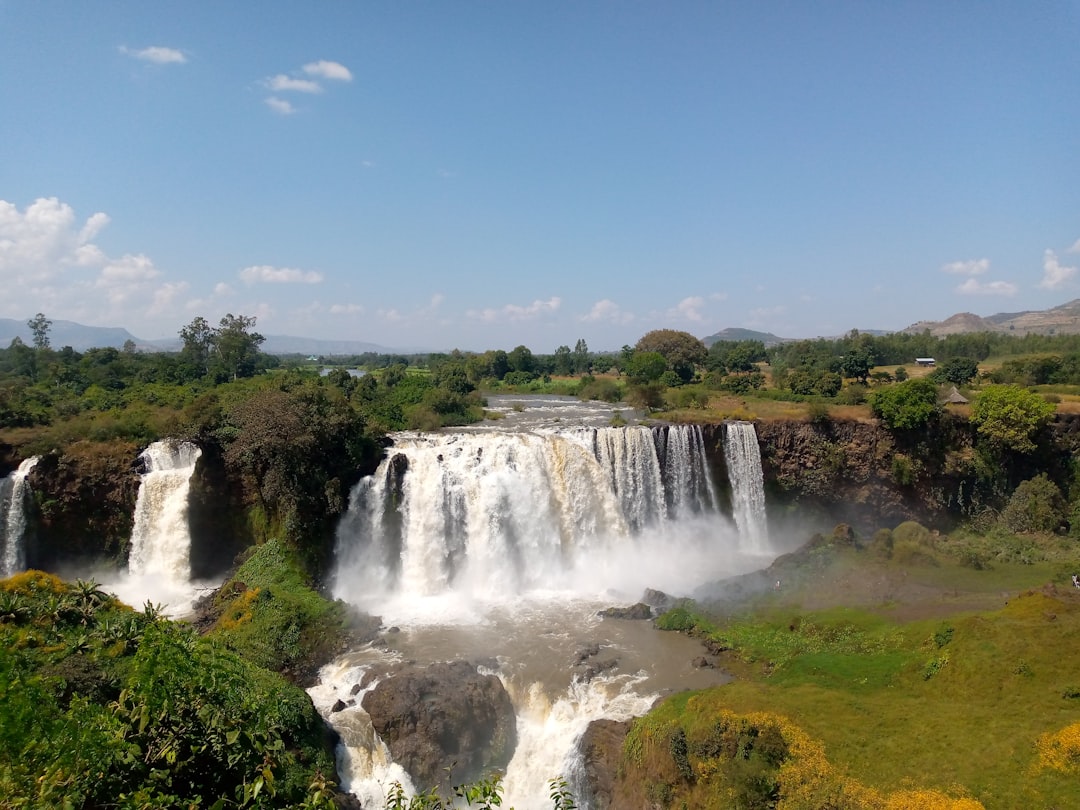
The dry season transforms Ethiopia's landscape. Rivers shrink to waterholes where animals gather to drink. Vegetation thins, making wildlife easier to spot. Roads become passable, and park access improves dramatically compared to rainy months.
Ethiopia offers something different from Kenya or Tanzania safaris. You'll encounter fewer tourists, more authentic wildlife experiences, and significantly lower package costs. Ethiopia Safari vs Tanzania 2026 comparison shows Ethiopia costs 20–30% less for equivalent experiences.
Why choose Ethiopia in 2026? The dry season coincides with budget-friendly pricing. Tour operators offer competitive rates to fill seats during shoulder season. You save money without sacrificing wildlife viewing quality.
Dry Season Timeline: July, August, September 2026
July 2026: Early Dry Season Entry
July marks the transition into Ethiopia's dry season. Early July sees occasional afternoon showers, particularly in the first week, but the overall pattern remains mostly dry. By mid-July, weather stabilizes. Afternoon temperatures peak around 28–32°C (82–90°F). Morning game drives offer the best wildlife viewing before heat sets in.
July is ideal for budget travelers. Hotel rates drop 15–25% compared to peak season. Tour operators compete aggressively for bookings. You'll encounter moderate tourist crowds, especially mid-month.
Wildlife is active throughout July. Water sources concentrate animals at remaining waterholes. Predator-prey interactions intensify as lions and leopards hunt stressed prey animals.
August 2026: Full Dry Season Peak
August is fully dry with consistent clear weather across all regions. Skies remain cloudless for entire days. Visibility reaches maximum for photography and wildlife spotting. Temperatures stabilize at comfortable levels for extended game drives.
August represents the sweet spot for wildlife photographers. Light quality is exceptional during golden hours. Wildlife concentrations remain high around shrinking water sources. Predator sightings increase as hunting pressure peaks.
Pricing in August remains favorable. Early bookings secure the best lodge rates. Tour operators offer multi-day package discounts. Competition among operators keeps prices competitive.
September 2026: Peak Dry Season Excellence
September offers peak dry season conditions with long clear days and exceptional wildlife productivity. This is the optimal safari month in Ethiopia for 2026. Weather remains perfectly dry. Afternoon temperatures cool slightly as the month progresses. Skies stay crystal clear throughout.
September delivers the highest probability of spotting rare wildlife. Leopard sightings increase dramatically. Wild dog packs become more visible. Elephant herds congregate at remaining water sources. Birdwatchers find over 600 Ethiopian bird species actively feeding.
Pricing peaks in late September as more travelers recognize its superiority. Early September offers the best value. Book September trips 2–3 months ahead for optimal rates and lodge availability.
Real Pricing for Ethiopia Safari in Dry Season 2026
Budget Safaris: $1,500–$2,200 per person
Budget safari packages include basic accommodations in guesthouses or simple lodges. Transportation uses standard safari vehicles shared with other travelers. Meals feature local Ethiopian cuisine. Park fees and guide services are included. Budget options suit first-time safari-goers and cost-conscious travelers.
A typical 7-day budget package costs $1,500–$2,200 per person, including accommodation, meals, park fees, and guide services. You'll share vehicles with 4–6 other travelers. Lodges offer basic but clean facilities. This tier represents excellent value for dry season travel.
Budget packages often include visits to Awash National Park and Rift Valley lakes. You'll see leopards, elephants, and diverse birdlife. Evening game drives provide excellent predator-spotting opportunities.
Mid-Range Safaris: $2,200–$3,500 per person
Mid-range packages offer better lodge quality and more personalized service. Accommodations feature private bathrooms and reliable electricity. Vehicles are newer with better suspension for rough roads. Smaller group sizes (4–8 travelers) mean more intimate experiences.
A 7-day mid-range package costs $2,200–$3,500 per person. You'll stay in comfortable lodge accommodations with hot showers. Meals include both local and international cuisine. Guides are experienced naturalists who speak fluent English. Park fees and all activities are included.
Mid-range packages often add cultural experiences. You might visit local villages, meet Afar pastoralists, or explore historical sites. Wildlife viewing remains the priority, with 5–6 hours of daily game drives.
Luxury Safaris: $3,500–$6,000+ per person
Luxury packages feature premium lodge accommodations with exceptional service. Private guides accompany your group exclusively. Vehicles are equipped with premium amenities like roof hatches and quality binoculars. Meals are chef-prepared with international standards.
A 7-day luxury package costs $3,500–$6,000+ per person. Accommodations are boutique lodges with suites, private decks, and premium bathrooms. Guides are expert wildlife specialists. Activities are fully customized to your interests. All meals, drinks, and tips are included.
Luxury safaris add exclusive experiences. Hot air balloon rides over wildlife areas, bush dinners under stars, and private cultural visits are standard. Photography workshops with professional guides enhance your skills.
| Package Tier | Cost per Person (7 days) | Accommodation | Group Size | Best For |
|---|---|---|---|---|
| Budget | $1,500–$2,200 | Guesthouses/Simple lodges | 8–12 travelers | First-timers, budget travelers |
| Mid-Range | $2,200–$3,500 | Comfortable lodges | 4–8 travelers | Families, experienced travelers |
| Luxury | $3,500–$6,000+ | Premium boutique lodges | 2–4 travelers | Photographers, honeymooners, luxury seekers |
Money-saving tips: Book 8–12 weeks ahead for 10–15% discounts. Travel in early July or early September for lower rates. Join group tours instead of private safaris to reduce costs by 25–30%. Multi-day packages offer better value than day-trip combinations.
Wildlife Viewing During Dry Season 2026
Peak Wildlife Concentration
The dry season concentrates wildlife around remaining water sources. This creates unparalleled viewing opportunities. Animals gather at waterholes in predictable patterns. Morning and evening drives reliably encounter multiple species.
Leopard sightings increase dramatically during dry season. Ethiopia's national parks host healthy leopard populations. Evening game drives specifically target leopard activity. You'll spot them in acacia trees or hunting at dusk. Leopard density in some parks reaches 10 per 100 square kilometers, among Africa's highest densities.
Elephant herds congregate in larger numbers. You might see 15–40 elephants at a single waterhole. Calves become more visible as mothers protect them at water sources. Photography opportunities are exceptional.
Predator Activity and Hunting
Lion prides hunt more actively during dry season. Water scarcity stresses prey animals, making them easier targets. You'll observe hunting behavior, kills, and feeding patterns. Night drives in some parks reveal nocturnal predator activity.
Wild dogs become more visible in dry season. These endangered predators hunt cooperatively during water-stressed periods. Pack dynamics are fascinating to observe. Sightings of 10–20 wild dogs in a single encounter are possible.
Hyenas and crocodiles gather at shrinking water sources. Crocodile concentrations can reach 20–50 individuals at major waterholes. Evening drives reveal their basking behavior and feeding interactions with other species.
Birdwatching Excellence
Ethiopia hosts over 600 bird species. Dry season brings migratory species and resident birds to accessible locations. Water-dependent species concentrate at remaining wetlands. Birdwatchers find exceptional opportunities for sightings and photography.
Raptors thrive during dry season. Eagles, vultures, and hawks hunt actively. Crowned eagles nest in acacia trees visible from safari vehicles. Vulture gatherings at kill sites provide dramatic viewing.
Water birds congregate at lakes and rivers. Flamingos, herons, kingfishers, and cormorants offer colorful viewing. Early morning drives to wetlands yield 30–50 bird species daily.
Best Parks and Destinations in Dry Season 2026
Awash National Park
Awash National Park is Ethiopia's most accessible safari destination. Located 200 km east of Addis Ababa, it's perfect for 2–3 day trips. The Awash River attracts wildlife throughout dry season. You'll see leopards, lions, elephants, and numerous antelope species.
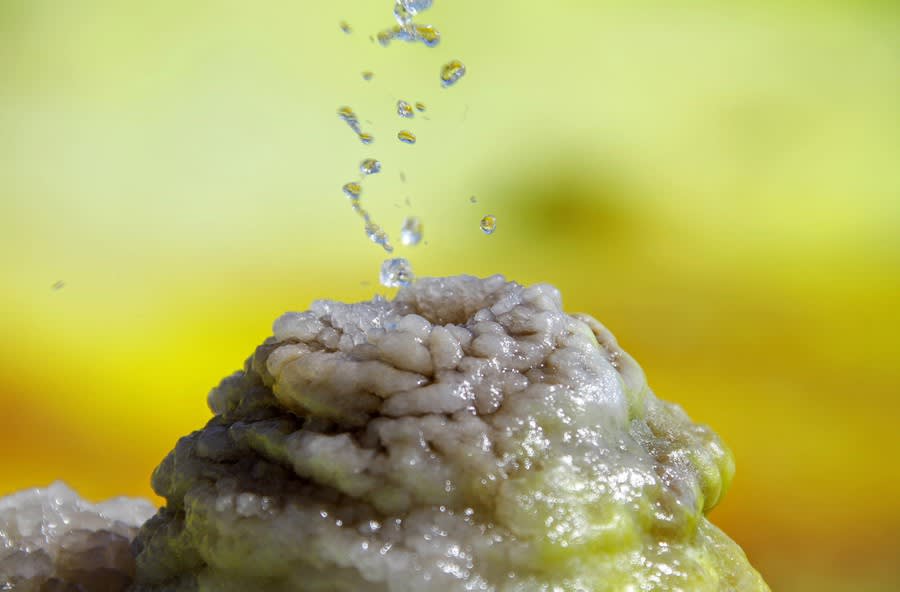
Awash offers excellent value for budget travelers. Park fees are low. Accommodation ranges from basic camping to comfortable lodges. Game drives are reliable with high wildlife encounter rates. The park features hot springs and volcanic formations adding scenic diversity.
Rift Valley Lakes Region
The Rift Valley contains multiple lakes with distinct ecosystems. Lake Hawassa, Lake Ziway, and Lake Langano each offer unique wildlife viewing. Hippo and crocodile populations are abundant. Birdwatching is exceptional with over 400 species recorded.
This region suits 3–5 day itineraries. You'll combine lake cruises, walking safaris, and vehicle game drives. Cultural visits to lakeside villages add depth. Accommodation ranges from budget guesthouses to mid-range lodges.
Simien Mountains National Park
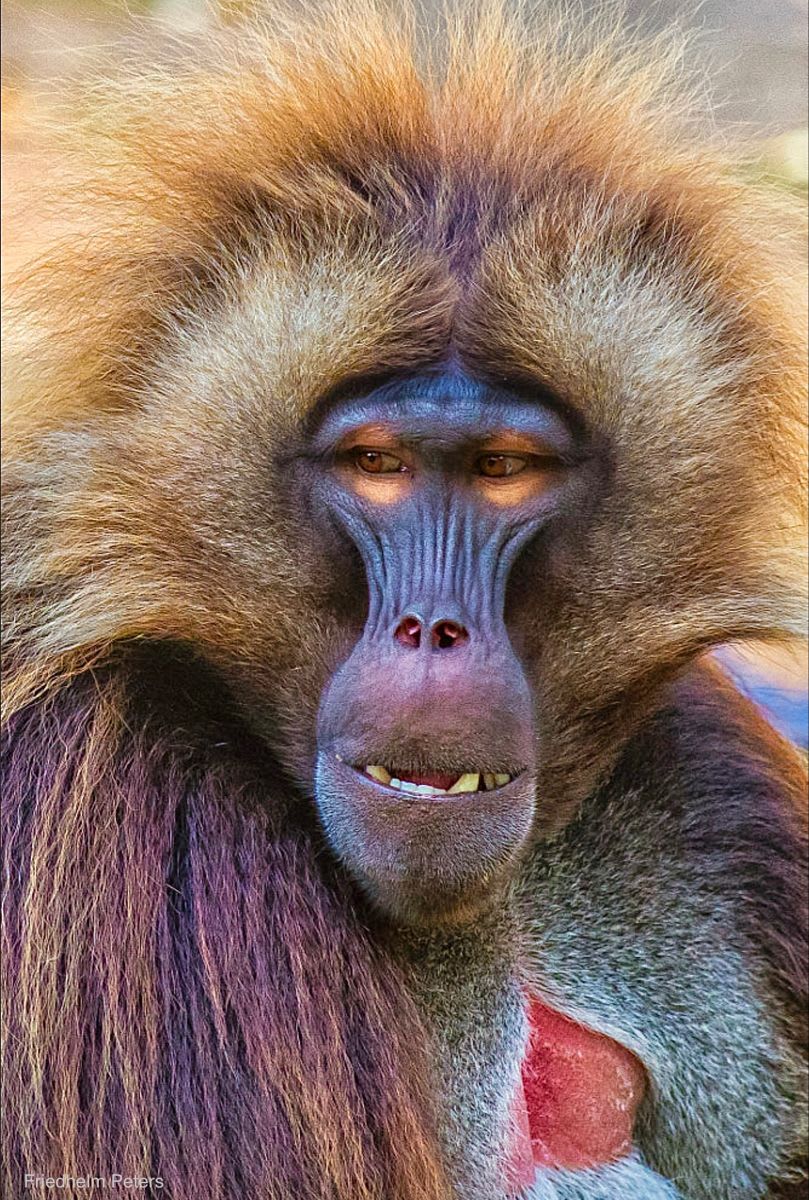
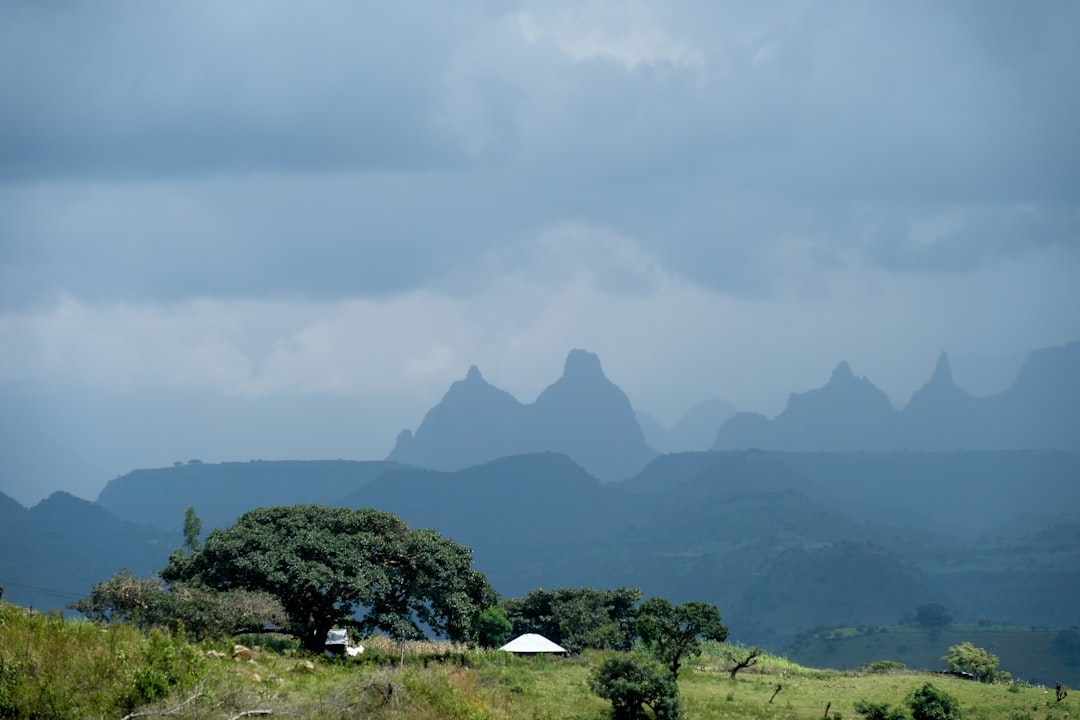
Simien Mountains offer trekking and wildlife viewing in spectacular highland scenery. The park protects the Walia ibex, found nowhere else on Earth. Gelada baboons are abundant. Golden eagles and lammergeiers soar overhead. This is Africa's second-highest mountain range.
Simien requires 4–7 days minimum. You'll trek 3–5 hours daily through dramatic landscapes. Accommodation is in trekking lodges or camps. This destination suits active travelers interested in hiking and endemic wildlife. Ethiopia Safari Animals: 7-Day Wildlife Checklist 2026 includes detailed species information for Simien Mountains.
Omo Valley
Omo Valley is Ethiopia's most remote safari destination. It features pristine wilderness with minimal tourism. Wildlife populations remain healthy and relatively undisturbed. You'll encounter lions, leopards, elephants, and numerous antelope species in their natural habitat.
Omo Valley requires 5–7 day minimum itineraries. Road conditions are challenging, requiring high-clearance vehicles. Guides are essential for safety and cultural respect. This destination suits adventurous travelers seeking authentic wilderness experiences. Budget $2,500–$4,500 per person for remote Omo Valley safaris.
Booking Your Ethiopia Safari for Dry Season 2026
When to Book
Book your Ethiopia safari 8–12 weeks in advance for optimal pricing and lodge availability. Early July bookings secure the best rates for July and August travel. For September travel, book by late June or early July. Last-minute bookings (2–4 weeks ahead) often result in 15–30% premium pricing.
Group tours fill quickly during dry season. Individual travelers should book early to join established groups. Private safaris require longer notice—book 12+ weeks ahead for custom itineraries.
Choosing Your Operator
Select operators with strong track records and verified reviews. Ethiopia Safari Operators 2026: Verified & Rated by Travelers provides detailed operator comparisons. Look for operators with 4.5+ star ratings and 50+ recent reviews.
Verify operator licenses and insurance. Ask about guide qualifications and vehicle conditions. Request references from recent travelers. SafariFind connects you with verified operators who meet these standards.
Consider operator specializations. Some focus on wildlife photography, others on cultural experiences. Match operator strengths to your interests. Ethiopia Safari First-Timer's Guide: What to Expect in 2026 helps you identify your priorities.
Requesting Quotes
Request quotes from 3–5 operators to compare pricing and offerings. Provide specific details: travel dates, group size, destinations, accommodation preferences, and special interests. Ask operators to itemize costs clearly—accommodation, meals, park fees, guide services, transportation.
Compare total value, not just price. A $2,800 package from an experienced operator may deliver better value than a $2,500 package from an unknown company. Read reviews specifically mentioning guide quality, vehicle condition, and food quality.
Use SafariFind to compare Ethiopia safari packages directly. Request quotes from multiple verified operators simultaneously. Read authentic traveler reviews. Make informed decisions based on real experiences from previous guests.
Practical Preparation for Dry Season Safari 2026
What to Pack
Pack light-colored, long-sleeved clothing for sun protection and insect prevention. Bring a wide-brimmed hat and quality sunscreen (SPF 50+). Neutral earth-tone clothing helps with wildlife photography. Avoid bright colors and white clothing that reflect light.
Footwear should be sturdy hiking boots or safari shoes with good grip. Pack a light fleece for cool mornings and evenings. Bring binoculars for wildlife viewing—10x42 magnification is ideal. A quality camera or smartphone with zoom capability captures memories.
Essential items include medications, insect repellent, and a headlamp. Bring copies of passport pages and travel insurance documents. Pack prescription medications in original bottles with copies of prescriptions.
Health and Safety Preparations
Consult your doctor 4–6 weeks before travel. Malaria prophylaxis is recommended for most Ethiopia safari regions. Yellow fever vaccination is required for entry. Typhoid and hepatitis A vaccinations are advised.
Carry comprehensive travel insurance covering medical evacuation. Ethiopia's medical facilities are limited outside Addis Ababa. Insurance should cover emergency flights to Nairobi or Europe if needed.
Drink only bottled or purified water. Eat cooked foods prepared in lodges. Avoid raw vegetables and street food. These precautions prevent traveler's diarrhea and foodborne illnesses.
Visa and Documentation
Most nationalities require an Ethiopia visa. Apply online (e-visa.immigration.gov.et) or at an embassy. Processing takes 2–5 business days. Ensure your passport has 6+ months validity beyond your travel dates.
Arrange travel insurance before departure. Activate international phone plans or purchase local SIM cards. Notify your bank of travel dates to prevent credit card blocks.
Comparing Ethiopia to Other East African Safaris
Ethiopia offers distinct advantages over Kenya and Tanzania safaris. Lower prices, fewer tourists, and unique wildlife make Ethiopia attractive. Ethiopia Safari vs Kenya 2026: Wildlife, Cost & Which Wins provides detailed comparisons.
Ethiopia's dry season (July–September) differs from Kenya and Tanzania's peak seasons (July–October). This timing advantage means lower prices and fewer crowds. You'll experience more authentic safari conditions with fewer vehicles at wildlife sightings.
Ethiopia's wildlife is equally impressive but less well-known. Leopard densities rival or exceed Tanzanian parks. Wild dog populations are healthy and regularly sighted. Unique species like Walia ibex and gelada baboons are found nowhere else.
Cultural experiences are richer in Ethiopia. Ancient historical sites complement wildlife viewing. Local communities are less accustomed to tourism, creating more authentic interactions. This cultural dimension adds depth beyond pure wildlife safaris.
Key Takeaways
- Book Ethiopia safari 8–12 weeks ahead for July–September 2026 travel to secure 10–15% discounts and best lodge availability.
- Budget $1,500–$3,500 per person for 7-day safaris in dry season, with September offering peak conditions and wildlife viewing at mid-range pricing.
- September 2026 delivers the best dry season experience with clear skies, peak wildlife concentrations, and exceptional photography opportunities for all skill levels.
- Visit Awash National Park for budget-friendly wildlife viewing, Rift Valley lakes for birdwatching diversity, or Simien Mountains for trekking and endemic species.
- Compare verified operators on SafariFind before booking—read authentic reviews and request itemized quotes from 3–5 companies to ensure quality and value.
Frequently Asked Questions
What is the best month for Ethiopia safari in dry season 2026?
September 2026 is the optimal month for Ethiopia safari. It offers peak dry season conditions with clear skies, longest game drives, and exceptional wildlife productivity. Early September provides better pricing than late September when demand peaks.
How much does a 7-day Ethiopia safari cost in 2026?
A 7-day Ethiopia safari costs $1,500–$3,500 per person in 2026, depending on accommodation quality and group size. Budget packages ($1,500–$2,200) offer basic lodges and shared vehicles. Mid-range packages ($2,200–$3,500) provide comfortable lodges and smaller groups. Luxury options exceed $3,500 with premium accommodations and private guides.
Is July or September better for Ethiopia safari wildlife viewing?
September is better for wildlife viewing than July. September offers fully dry conditions, clearest skies, and highest wildlife concentrations around shrinking water sources. July sees occasional afternoon showers and moderate wildlife activity. September delivers superior leopard and wild dog sightings compared to July.
What wildlife can you see in Ethiopia safari during dry season?
Ethiopia's dry season reveals leopards, lions, elephants, wild dogs, hyenas, crocodiles, hippos, and numerous antelope species. You'll also see over 600 bird species. Rare sightings include Walia ibex (Simien Mountains) and gelada baboons. Predator activity peaks during dry season as hunting pressure increases.
Can I find Ethiopia safari packages under $2,000 for 7 days?
Yes, budget Ethiopia safari packages cost $1,500–$2,200 per person for 7 days. These include accommodation, meals, park fees, and guide services. Ethiopia Safari Under $1,500: 5-Day Budget Itineraries 2026 offers shorter options for tighter budgets. Book through SafariFind to compare verified budget operators and read authentic reviews from cost-conscious travelers.
Should I book a group tour or private safari for Ethiopia in 2026?
Group tours cost 25–30% less than private safaris and are ideal for budget-conscious travelers. Private safaris offer customized itineraries and exclusive experiences. Group tours provide social opportunities and shared costs. For dry season 2026, group tours departing in July and early September offer the best value. SafariFind helps you compare both options with verified operator reviews.
What's the difference between Ethiopia and Tanzania safari pricing?
Ethiopia safaris cost 20–30% less than equivalent Tanzania packages. Budget Ethiopia packages ($1,500–$2,200) cost less than Tanzania's budget tier ($2,000–$2,800). Mid-range Ethiopia packages ($2,200–$3,500) undercut Tanzania mid-range options ($3,000–$4,500). Ethiopia's lower logistics costs and less-developed tourism infrastructure drive these savings without sacrificing wildlife quality.
Conclusion
Ethiopia safari in dry season 2026 represents Africa's best value for wildlife viewing and authentic experiences. The July–September window delivers exceptional conditions. September specifically offers peak dry season excellence with clear skies and concentrated wildlife. Pricing ranges from $1,500–$3,500 per person for 7-day packages, making Ethiopia accessible to budget and luxury travelers alike.
The dry season concentrates wildlife around shrinking water sources, creating unparalleled viewing opportunities. Leopard sightings increase dramatically. Predator activity peaks as hunting pressure intensifies. Over 600 bird species provide exceptional birdwatching. Cultural experiences enrich the wildlife focus, distinguishing Ethiopia from Kenya and Tanzania safaris.
Book your safari 8–12 weeks ahead to secure optimal pricing and lodge availability. Request quotes from multiple verified operators through SafariFind. Read authentic reviews from previous travelers. Compare package details carefully—accommodation quality, guide expertise, vehicle condition, and included activities vary significantly among operators.
Ethiopia's dry season safari delivers genuine value and authentic experiences. Fewer tourists mean more intimate wildlife encounters. Experienced guides provide detailed wildlife knowledge. Comfortable yet affordable lodging suits most budgets. Cultural interactions remain genuine and respectful.
Ready to book your Ethiopia safari? Compare verified safari packages on SafariFind today. Request quotes from top-rated operators, read reviews from real travelers, and find your perfect dry season itinerary. Your Ethiopian adventure awaits in 2026.
Plan Your Safari with SafariFind
These recommendations use real data from SafariFind, where you can compare operators, browse packages, and read verified traveler reviews before you book.
Recommended Safari Operators from SafariFind
Recommended Safari Packages from SafariFind
What Travelers Say (SafariFind Reviews)
References
- Best Ethiopia Tour Operators 2026, Top Ethiopia Travel Agencies
- Ethiopia Safari July–September: Dry Season 2026 | SafariFind
- Why Choose Ethiopia for Wildlife Safaris in 2026?
- 10 Best Places to Go on Safari in 2026 | African Safari Blog
- Ethiopia Tours 2026-2027
- Ethiopia — The Roof of Africa - Chalo Africa
- Ethiopia Tours & Travel Packages 2026 | African Budget Safaris
- How Much Money Do You Need to Visit Ethiopia? (2026 Travel Budget Guide) - GoGo Safari Guide
Sources
- Best Ethiopia Tour Operators 2026, Top Ethiopia Travel Agencies
- Ethiopia Safari July–September: Dry Season 2026 | SafariFind
- Why Choose Ethiopia for Wildlife Safaris in 2026?
- 10 Best Places to Go on Safari in 2026 | African Safari Blog
- Ethiopia Tours 2026-2027
- Ethiopia — The Roof of Africa - Chalo Africa
- Ethiopia Tours & Travel Packages 2026 | African Budget Safaris
- How Much Money Do You Need to Visit Ethiopia? (2026 Travel Budget Guide) - GoGo Safari Guide
Related to
Ready to start your safari adventure?
Explore curated safari packages and find your perfect African adventure with verified operators.