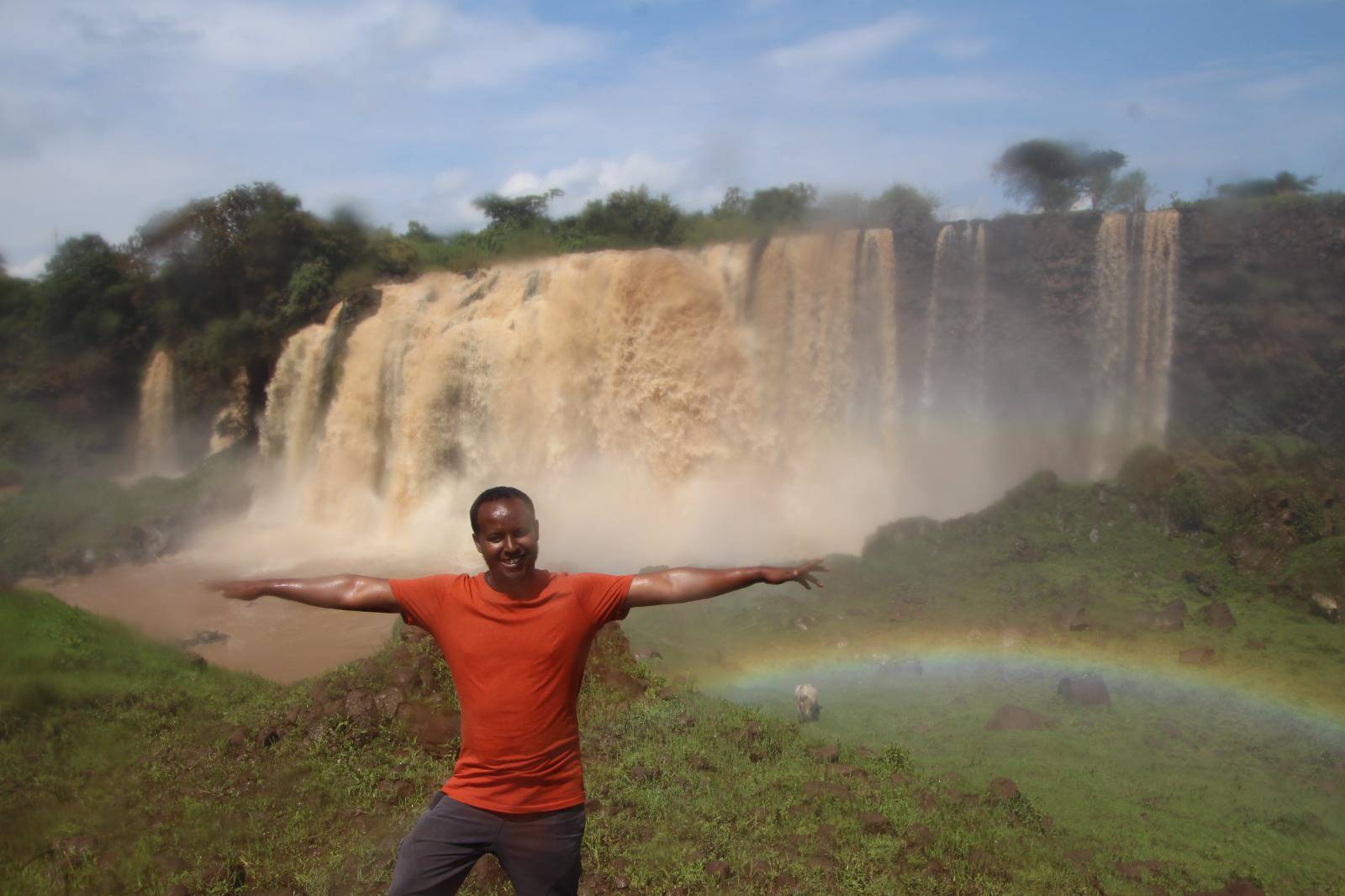
Ethiopia Safari First-Timer's Guide: What to Expect in 2026
Ethiopia safari guide for first-timers: expect $3,000–$5,000 packages, rare wildlife, fewer crowds than Kenya. Best times: December–February and June–September. Book verified operators.

Ethiopia Safari First-Timer's Guide 2026
Last updated: July 2026
Ethiopia offers unique safari experiences with fewer crowds than Kenya or Tanzania, featuring rare Ethiopian wolves and stunning landscapes. Expect to pay $3,000–$5,000 per person for mid-range packages in 2026. The best times to visit are December–February and June–September. Book through verified operators on SafariFind to compare packages and read authentic reviews from first-time visitors.
At a Glance
- Cost: $3,000–$5,000 per person for mid-range packages
- Best time: December–February and June–September for optimal wildlife viewing
- Duration: 7–10 days recommended for first-timers
- Getting there: International flights to Addis Ababa, then domestic flights to safari regions
- Best for: Adventurous travelers seeking unique wildlife and fewer crowds
- Wildlife highlights: Ethiopian wolves, geladas, Nile crocodiles, and endemic species
What to Expect on Your First Ethiopia Safari
Ethiopia safari experiences differ significantly from traditional East African safaris. You'll encounter fewer tourists, unique wildlife found nowhere else on Earth, and a rich cultural landscape that blends ancient traditions with modern hospitality. Ethiopia offers exceptional value and authentic encounters that first-timers find transformative.
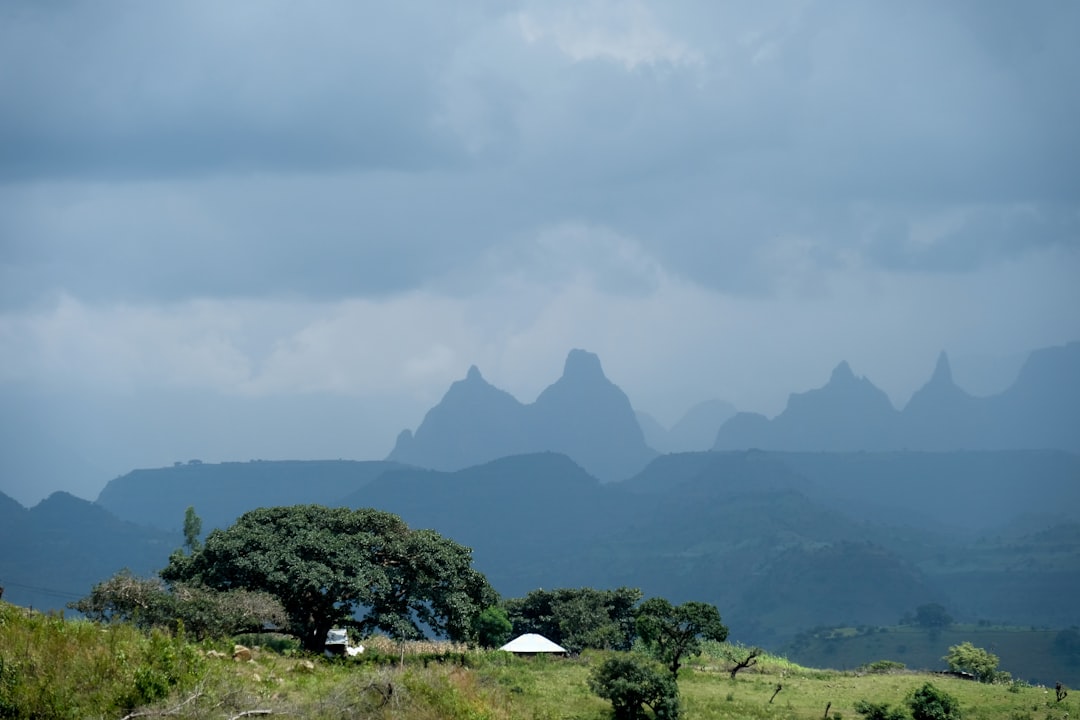
First-timers should expect open mobile safari camps with no fencing—wild animals wander freely through camp areas. Your guides will advise you on proper etiquette during spontaneous wildlife encounters. This creates intimate, unfiltered nature experiences. You'll also notice Ethiopia's dramatic geography: towering highlands, vast wetlands, and volcanic landscapes that rival any African destination.
The safari culture here emphasizes small group experiences. Most operators cap tours at 16 people maximum, ensuring personalized attention and better wildlife photography opportunities. You'll travel in comfortable four-wheel-drive vehicles with pop-up roofs for unobstructed views. Accommodation ranges from luxury lodges to budget camps, all offering authentic connections to the environment.
Ethiopia safari packages in 2026 represent excellent value compared to Kenya or Tanzania. Mid-range packages include experienced guides, meals, accommodations, and park fees. First-timers appreciate the straightforward pricing with minimal hidden costs. You're paying for genuine adventure, not inflated tourist premiums.
Where to Go: Ethiopia's Best Safari Destinations
Bale Mountains National Park
Bale Mountains National Park sits south of Addis Ababa and offers the world's best chance to see Ethiopian wolves in their natural habitat. Only about 500 Ethiopian wolves remain in the wild, making sightings incredibly special. Guided tours here directly support vital conservation efforts protecting this critically endangered species.
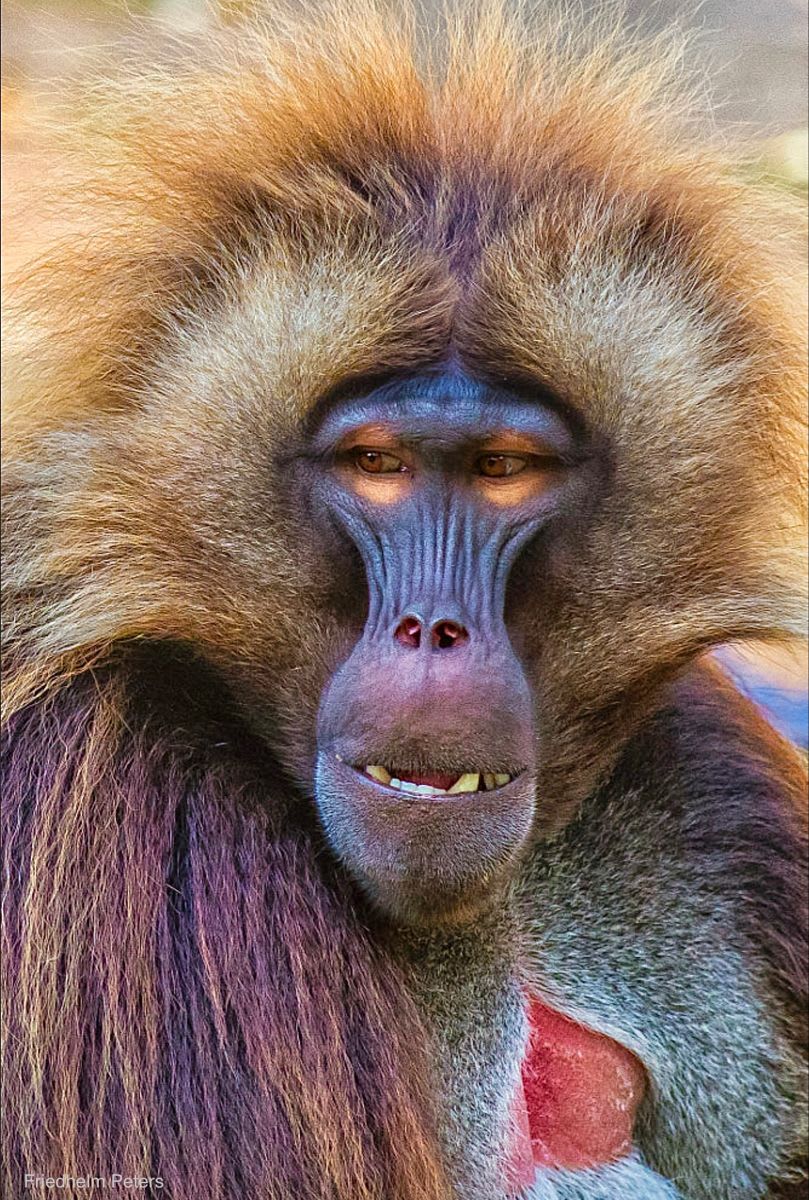
The park covers dramatic highland terrain with altitudes exceeding 4,000 meters. You'll trek through afroalpine meadows where geladas—unique primates with chest patches resembling baboons—graze in large herds. The scenery rivals any mountain landscape on Earth. First-timers find the combination of rare wildlife and stunning vistas unforgettable.
Gambella National Park
Gambella National Park in western Ethiopia reveals a completely different safari experience. Vast wetlands teem with Nile crocodiles, hippopotamuses, and abundant birdlife. This park attracts fewer international visitors, offering genuine remoteness and authentic exploration.
The White Nile River flows through Gambella, creating dynamic wildlife viewing opportunities. You'll spot elephants, buffalo, and numerous antelope species in their natural state. The park's isolation means fewer safari vehicles and more intimate encounters with nature. First-timers seeking adventure beyond typical safari circuits will love Gambella's raw, untamed character.
Awash National Park
Awash National Park lies closest to Addis Ababa, making it ideal for first-timers with limited time. The park features the Awash River, which creates a permanent water source attracting diverse wildlife year-round. You'll see lions, zebras, oryx, and countless bird species within easy driving distance from the capital.
Awash works perfectly as an introduction to Ethiopian safaris before venturing to remote parks. The infrastructure is well-developed, guides are experienced with international visitors, and the landscape showcases Ethiopia's ecological diversity. Many first-time operators offer Ethiopia safari packages combining Awash with other destinations for comprehensive experiences.
Best Times to Visit: Seasonal Planning for First-Timers
Ethiopia has two distinct dry seasons offering excellent safari conditions. December through February brings cool temperatures and clear skies. June through September provides the second window with slightly lower prices and fewer crowds. First-timers should plan around these windows for optimal wildlife viewing and comfort.
Dry Season: December–February
The dry season from December through February is peak safari time in Ethiopia. Vegetation thins, making wildlife spotting easier. Temperatures are mild, and rainfall is minimal. This period attracts more international visitors, so book early to secure quality operators and accommodations.
January and February offer exceptional wildlife photography conditions. Animals congregate around remaining water sources, creating predictable viewing patterns. First-timers appreciate the easier navigation and reliable sightings during these months. However, expect higher prices and fuller safari camps compared to shoulder seasons.
Secondary Dry Season: June–September
June through September offers another excellent safari window with advantages for budget-conscious first-timers. Prices drop 15–20% compared to peak season. Fewer tourists mean more intimate experiences with guides and communities. Read our detailed guide on Ethiopia safari in July–September for specific dry season strategies.
July and August see occasional afternoon showers, but mornings remain dry and productive for game drives. The landscape stays green, creating beautiful photography opportunities. Wildlife viewing remains excellent, though slightly less concentrated than December–February. First-timers on tighter budgets often find this season perfect for quality experiences at better prices.
Shoulder Seasons: March–May and October–November
Shoulder seasons present mixed conditions but offer good value for flexible first-timers. March through May brings unpredictable rainfall and lush vegetation. October through November transitions from wet to dry with improving conditions. Both periods offer lower prices and fewer crowds, though wildlife viewing can be less reliable.
Preparing for Your First Ethiopia Safari: Essential Tips
Altitude Acclimatization
Ethiopia's safari regions sit at high altitude, requiring proper acclimatization. Addis Ababa sits at 2,400 meters above sea level. Plan for gentle first days with light activities before intensive game drives. Give your body time to adapt to thin air before strenuous trekking or long vehicle journeys.
First-timers often arrive in Addis Ababa and immediately head to safaris. This is a mistake. Spend 1–2 nights in the capital doing light sightseeing and resting. Eat light meals, stay hydrated, and avoid alcohol during acclimatization. Your safari guides will appreciate your preparation and can focus on wildlife rather than managing altitude-related discomfort.
Vaccinations and Health Precautions
Consult your doctor about required vaccinations 4–6 weeks before departure. Yellow fever vaccination is commonly recommended for Ethiopia. Malaria prophylaxis is necessary for lower-altitude regions like Gambella but not required for highland parks like Bale Mountains.
Pack a comprehensive first aid kit including blister treatment, antihistamines, and stomach remedies. Bring prescription medications in original containers with copies of prescriptions. Travel insurance covering medical evacuation is essential for remote safari regions. First-timers should never skip these health preparations.
What to Pack for Ethiopia Safaris
Pack layers for temperature variations between highlands and lowlands. Mornings and evenings are cool; afternoons are warm. Bring neutral-colored clothing for wildlife photography—bright colors scare animals. Essential items include:
- Sturdy hiking boots for trekking and uneven terrain
- Wide-brimmed hat and high-SPF sunscreen
- Binoculars for bird and wildlife spotting
- Camera with extra batteries and memory cards
- Lightweight rain jacket for shoulder seasons
- Insect repellent for evening protection
- Headlamp for early morning game drives
Visa and Documentation
Most international visitors need visas for Ethiopia. You can obtain visas on arrival at Addis Ababa airport or apply online before travel. Ensure your passport has at least six months validity beyond your travel dates. Keep photocopies of your passport and travel documents separate from originals.
Understanding Safari Costs: Budget Breakdown for 2026
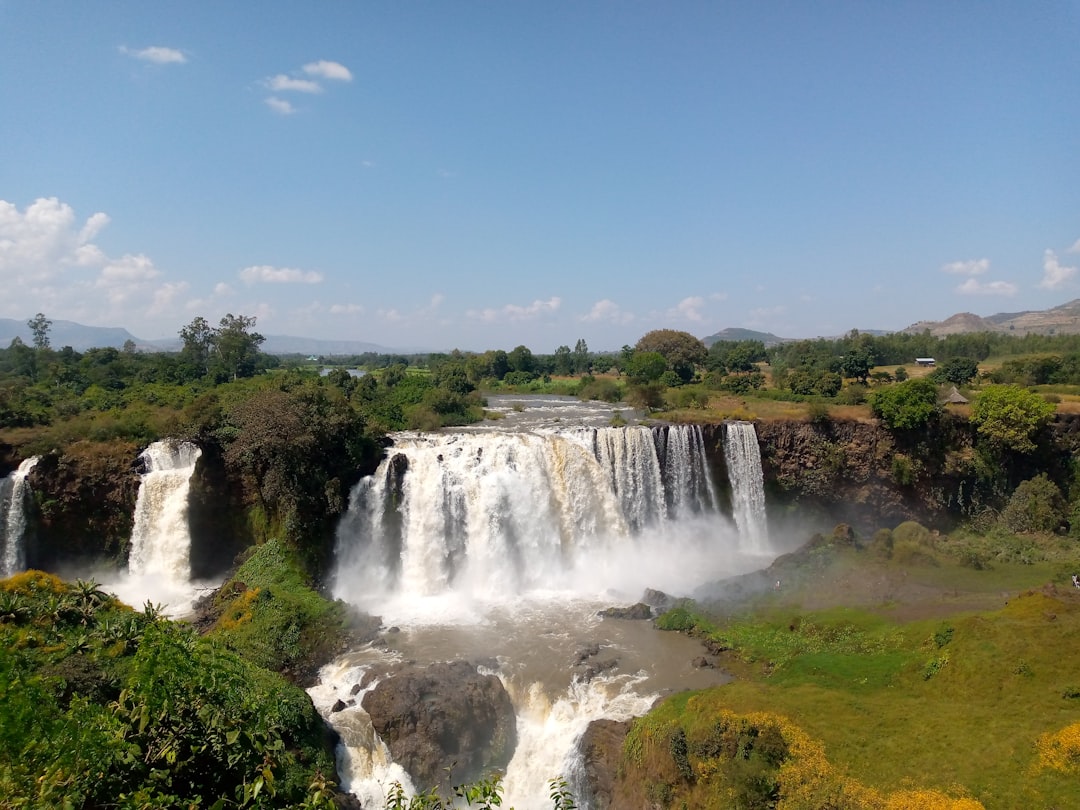
Ethiopia safari packages in 2026 range from budget to luxury options. Mid-range packages cost $3,000–$5,000 per person for 7–10 days. This includes accommodations, most meals, park fees, guides, and vehicle transportation. Understanding what's included helps first-timers make informed decisions.
Budget Safari Packages
Budget packages run $1,500–$2,500 per person and appeal to independent travelers willing to stay in basic camps. These packages typically include shared accommodations, simple meals, and group transportation. You'll experience authentic Ethiopia without luxury amenities. Read our detailed breakdown on Ethiopia safari under $1,500 for 5-day budget itineraries.
Budget operators focus on value rather than comfort. Vehicles are older but reliable. Guides are experienced but may speak limited English. Accommodations are clean but basic. First-timers seeking adventure over luxury find budget safaris rewarding and authentic.
Mid-Range Safari Packages
Mid-range packages ($3,000–$5,000 per person) offer the best balance of comfort and value. These include private or small-group vehicles, quality accommodations with hot water and electricity, prepared meals, and experienced English-speaking guides. Most first-timers choose mid-range options for their first Ethiopia safari.
Mid-range operators invest in quality vehicles, professional guides, and reliable accommodations. You'll stay in comfortable camps or lodges with private rooms. Meals feature both local and international cuisine. Park fees and activities are included. This category offers authentic experiences without sacrificing reasonable comfort. Explore Ethiopia safari cost 2026 for detailed budget, mid-range, and luxury breakdowns.
Luxury Safari Packages
Luxury packages exceed $5,000 per person and include premium accommodations, gourmet meals, private guides, and exclusive experiences. These appeal to first-timers prioritizing comfort and personalized service. Luxury lodges offer amenities like spas, fine dining, and premium wine selections.
Luxury operators provide vehicles with additional amenities, expert naturalist guides, and curated itineraries. You'll stay in upscale lodges or exclusive camps. Meals feature gourmet cuisine prepared by professional chefs. Activities are customized to your interests. Luxury safaris offer maximum comfort but at premium prices.
What's Included and What Costs Extra
Most packages include accommodations, meals (except sometimes beverages), park entry fees, guided game drives, and vehicle transportation. International flights are rarely included. Drinks, tips, personal activities, and travel insurance typically cost extra.
Ask operators exactly what's included before booking. Some packages include tips for guides; others expect you to tip separately. Alcohol is sometimes included; sometimes it's extra. Understanding these details prevents budget surprises. First-timers should clarify all costs upfront.
Wildlife You'll See: Ethiopia's Unique Animals
Ethiopia hosts wildlife found nowhere else on Earth. The Ethiopian wolf, gelada, and Walia ibex are endemic species found only in Ethiopian highlands. You'll also see lions, elephants, buffalo, and numerous antelope species. Learn more about specific animals in our Ethiopia safari animals complete wildlife guide 2026.
Endangered and Endemic Species
The Ethiopian wolf is Africa's most endangered carnivore. Seeing one is an extraordinary privilege. These wolf packs hunt in highland meadows, typically in early morning or late afternoon. Your guide will position you for optimal viewing without disturbing the animals.
Geladas are unique primates found only in Ethiopian highlands. These large monkeys have distinctive chest patches and live in herds of 50–400 individuals. They're peaceful, allowing close observation. Walia ibex are endangered wild goats inhabiting steep cliff faces. Spotting them requires hiking but rewards patient observers with unforgettable sightings.
Common Large Animals
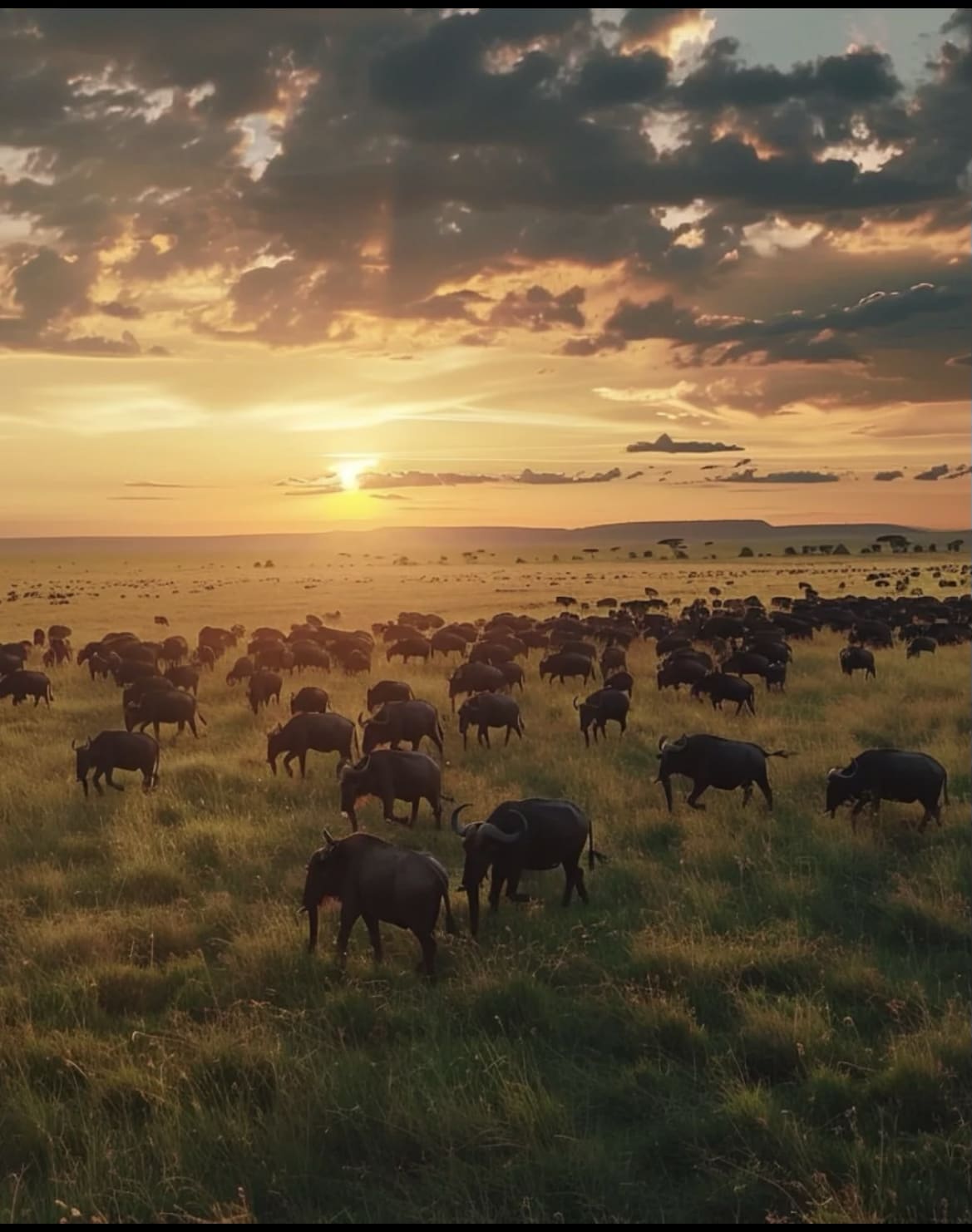
Lions inhabit Ethiopia's lower-altitude parks, particularly Awash and Gambella. You'll likely see lion prides during game drives. Elephants roam widely across safari regions, especially around water sources during dry seasons. Buffalo are common in most parks and often seen in large herds.
Various antelope species include grant's gazelles, gerenuk, and oryx. Zebras are abundant in open grasslands. Hippopotamuses inhabit rivers and permanent water sources. Nile crocodiles are particularly common in Gambella's wetlands. First-timers often see more wildlife than expected in just one week.
Birds and Smaller Animals
Ethiopia hosts over 850 bird species, making it a paradise for birdwatchers. Crowned cranes, fish eagles, and colorful bee-eaters are commonly spotted. Your guides can identify species and explain their behaviors. Even non-birder first-timers find Ethiopia's avian diversity remarkable.
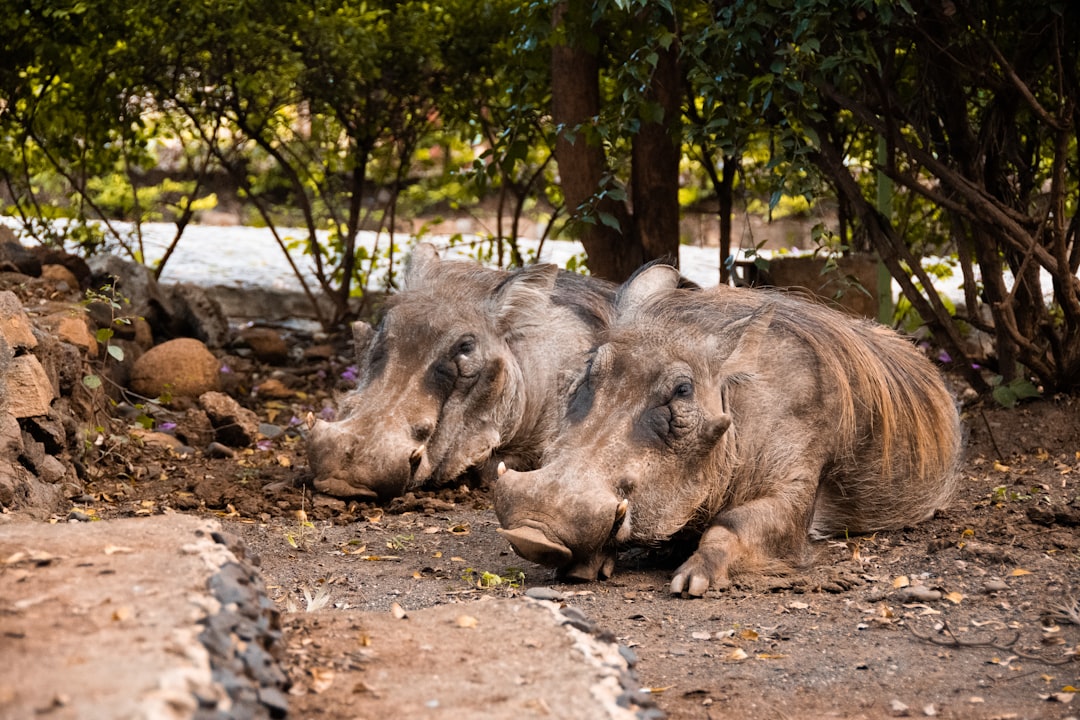
Smaller animals include rock hyraxes, warthogs, hyenas, and jackals. Nocturnal animals like genets and servals occasionally appear at dusk. Your guides will point out tracks and signs of animals you don't directly see. This teaches you to observe wildlife holistically.
Booking Your First Ethiopia Safari: How to Get Started
Booking your first Ethiopia safari requires research and careful operator selection. Start by comparing verified operators and real traveler reviews. SafariFind connects you with established tour operators offering transparent pricing and authentic customer feedback.
Finding the Right Operator
Look for operators with proven experience, transparent pricing, and authentic reviews. Avoid operators that seem too cheap or lack detailed information. Read reviews from previous first-time visitors. They'll mention whether operators handled beginner concerns well.
Request quotes from multiple operators and compare what's included. Ask about their experience with first-timers. Good operators will answer questions patiently and customize itineraries for your interests. They'll explain altitude considerations and provide detailed packing lists. SafariFind's verified operators meet these standards and provide authentic reviews from past travelers.
Customizing Your Itinerary
Tell operators about your interests and physical abilities. First-timers with limited hiking experience should avoid intensive mountain treks. Those seeking rare wildlife should prioritize Bale Mountains for Ethiopian wolves. Birdwatchers should focus on wetland areas like Gambella.
Request itineraries balancing game drives with cultural experiences. Ethiopia's people are warm and welcoming. Many operators include village visits and cultural interactions. These enrich your understanding of Ethiopia beyond wildlife. Customize your safari to match your interests and comfort level.
Booking Timeline
Book 3–6 months in advance for peak season (December–February) to secure quality operators and better rates. Off-season bookings (June–September) can be made 4–8 weeks ahead. Last-minute bookings are possible but limit your choices and increase costs.
Once you've selected an operator, confirm all details in writing: dates, accommodations, included activities, and exact costs. Understand cancellation policies before committing. Request travel insurance that covers trip cancellation. Professional operators provide clear written confirmations addressing first-timer concerns.
Safety and Health Considerations for First-Timers
Many first-timers worry about safety in Ethiopia. The country is generally safe for tourists in established safari regions. [See our detailed guide on Ethiopia safari safety 2026: is it safe right now?] Reputable operators follow strict safety protocols and maintain excellent security records.
Security in Safari Areas
Safari parks are secure with armed rangers and experienced guides. Your guides are trained in wildlife safety and first aid. Operators conduct regular security briefings. First-timers should simply follow your guide's instructions and stay alert. Thousands of tourists visit Ethiopian safaris annually without incident.
Avoid traveling alone outside organized tours. Stay in established accommodations rather than camping independently. Keep valuables secure and avoid displaying expensive jewelry or cameras unnecessarily. These are standard travel precautions, not Ethiopia-specific concerns.
Medical Facilities and Emergencies
Addis Ababa has modern medical facilities. Remote safari areas have basic clinics and emergency evacuation services. Travel insurance covering medical evacuation is essential. Most operators have emergency communication systems and evacuation protocols.
First-timers should carry a personal first aid kit and necessary medications. Inform your guide of any medical conditions or allergies. Operators will adjust activities accordingly. Modern safari operations take health seriously and prepare for various scenarios.
Ethiopia vs Kenya: Comparing Your Safari Options
Many first-timers debate between Ethiopia and Kenya for their first African safari. Both destinations offer excellent wildlife experiences but differ significantly. Ethiopia offers fewer crowds, unique endemic species, and lower costs. Kenya provides more established infrastructure and diverse safari options. Read our comparison guide on Ethiopia safari vs Kenya: wildlife, cost, and which offers better value.
Wildlife Differences
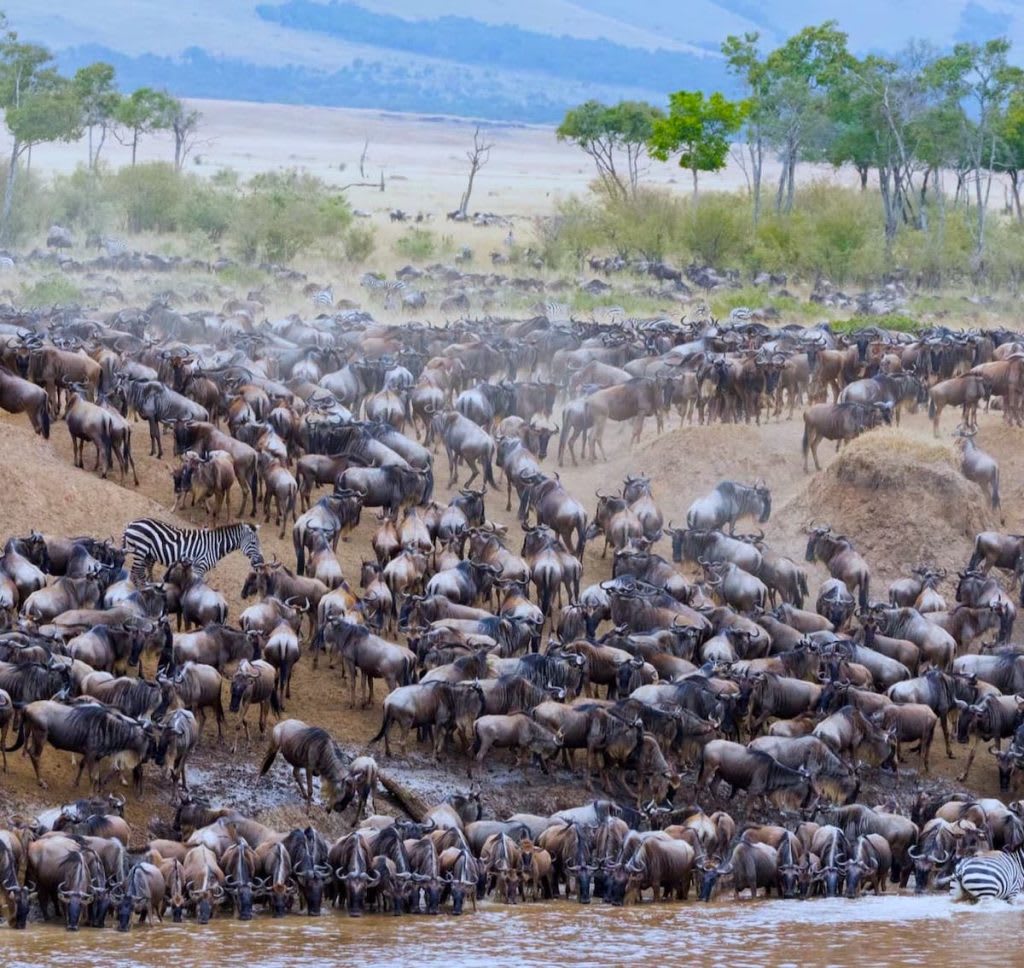
Kenya's Masai Mara offers the famous Great Migration and abundant large predators. Ethiopia specializes in endemic species like Ethiopian wolves and geladas. Kenya has established, predictable wildlife viewing. Ethiopia offers more remote, adventurous encounters. First-timers seeking comfort prefer Kenya; those seeking adventure prefer Ethiopia.
Cost Comparison
Ethiopia safari packages ($3,000–$5,000 for mid-range) cost less than comparable Kenya packages ($4,000–$6,000). Ethiopia offers better value without sacrificing quality. Budget-conscious first-timers find Ethiopia more accessible. Both destinations offer luxury options exceeding these ranges.
Tourist Experience
Kenya sees more international tourists, meaning more established services and English-speaking staff. Ethiopia sees fewer tourists, providing more authentic, intimate experiences. First-timers uncomfortable with large groups prefer Ethiopia. Those wanting familiar comforts prefer Kenya.
Cultural Experiences Beyond Safari
Ethiopia's safari experience extends beyond wildlife viewing. You'll encounter ancient cultures, historic sites, and warm people. Many safari packages include cultural components enhancing your understanding of Ethiopia.
Addis Ababa Experiences
Ethiopia's capital offers museums, markets, and restaurants worth exploring. The National Museum houses Lucy, a 3.2-million-year-old human ancestor. Local markets offer authentic crafts and cultural experiences. Spend 1–2 days in Addis Ababa before or after your safari to deepen your Ethiopia connection.
Local Communities and Villages
Your safari guides come from local communities. Ask them about their lives, families, and traditions. Many operators include village visits where you'll meet locals directly. These interactions are often the most memorable safari moments. Respectful cultural exchange enriches your experience immeasurably.
Traditional Food and Cuisine
Ethiopian cuisine is distinctive and delicious. Injera (spongy bread) is the foundation of most meals. Doro wat (chicken stew) and misir wat (lentil stew) are common dishes. Try local coffee ceremonies, a social ritual central to Ethiopian culture. Food experiences connect you to Ethiopia's heritage.
Key Takeaways
- Book your Ethiopia safari 3–6 months ahead for peak season (December–February) to access quality operators and secure better rates.
- Plan for high-altitude acclimatization by spending 1–2 nights in Addis Ababa before safari activities to avoid discomfort.
- Choose mid-range packages ($3,000–$5,000 per person) for the best balance of comfort, authentic experience, and value compared to Kenya alternatives.
- Visit Bale Mountains for Ethiopian wolf spotting and Gambella for wetland wildlife to experience Ethiopia's unique endemic species unavailable elsewhere.
- Explore verified SafariFind operators with authentic traveler reviews to ensure your first Ethiopia safari includes knowledgeable guides, quality accommodations, and transparent pricing.
Frequently Asked Questions
How much does an Ethiopia safari cost for first-timers in 2026?
Ethiopia safari packages cost $3,000–$5,000 per person for mid-range 7–10 day packages in 2026. Budget options start at $1,500–$2,500, while luxury packages exceed $5,000. Prices include accommodations, meals, park fees, guides, and vehicle transportation. International flights are typically extra.
What's the best time for first-timers to visit Ethiopia?
The best times are December–February and June–September. December–February offers peak wildlife viewing with clear skies and mild temperatures but higher prices and more tourists. June–September provides excellent conditions with 15–20% lower prices and fewer crowds. Choose based on your budget and crowd preferences.
Is Ethiopia safe for safari tourism?
Ethiopia is safe for tourists in established safari regions with experienced operators. Thousands visit annually without incident. Reputable operators follow strict security protocols with armed rangers and trained guides. Standard travel precautions apply: avoid traveling alone outside tours and keep valuables secure. Travel insurance is essential.
What wildlife will I see on an Ethiopia safari?
You'll see endemic species like Ethiopian wolves (Africa's most endangered carnivore), geladas, and Walia ibex. Common large animals include lions, elephants, buffalo, zebras, and various antelope species. Over 850 bird species inhabit Ethiopia. Nile crocodiles and hippopotamuses are abundant in wetland areas like Gambella.
How do I book my first Ethiopia safari?
Start by researching verified operators on SafariFind with authentic traveler reviews. Request quotes from multiple operators and compare what's included. Ask about their experience with first-timers and request customized itineraries matching your interests. Book 3–6 months ahead for peak season. Confirm all details in writing before committing payment.
What should first-timers pack for Ethiopia safaris?
Pack layers for temperature variations, neutral-colored clothing for wildlife photography, sturdy hiking boots, wide-brimmed hat, high-SPF sunscreen, binoculars, camera with extra batteries, lightweight rain jacket, insect repellent, and headlamp. Bring prescription medications in original containers and a comprehensive first aid kit. Leave room for souvenirs from local markets.
How do Ethiopia and Kenya safaris compare for first-timers?
Ethiopia offers fewer crowds, unique endemic species, and lower costs ($3,000–$5,000 vs Kenya's $4,000–$6,000). Kenya provides more established infrastructure and the famous Great Migration. Ethiopia suits adventurous first-timers seeking authentic experiences. Kenya suits those prioritizing comfort and familiar services. Both offer excellent wildlife viewing but different experiences.
Conclusion
Ethiopia safari experiences offer first-timers exceptional value, unique wildlife, and authentic adventures unavailable elsewhere. Mid-range packages costing $3,000–$5,000 per person in 2026 provide excellent experiences combining wildlife viewing, cultural interactions, and personal growth. The best times to visit are December–February for peak conditions or June–September for budget-conscious travelers seeking fewer crowds.
Your first Ethiopia safari will challenge and reward you. You'll see endangered Ethiopian wolves in their natural habitat, encounter geladas in dramatic highlands, and connect with warm local communities. The experience transforms how you understand wildlife conservation and African cultures. First-timers consistently report Ethiopia safaris as life-changing adventures.
Start planning your Ethiopia safari by comparing verified operators on SafariFind. Read authentic reviews from previous first-time visitors. Request customized quotes matching your budget and interests. Book 3–6 months ahead to secure quality operators at better rates. Your first Ethiopia safari awaits—make it unforgettable by choosing experienced, transparent operators committed to your success.
Ready to explore Ethiopia's safari packages? Browse verified operators and authentic traveler reviews on SafariFind today. Request quotes from multiple operators and compare what each includes. Our marketplace connects you with established tour companies offering transparent pricing and proven expertise with first-timers. Your perfect Ethiopia safari is just a few clicks away.
Plan Your Safari with SafariFind
These recommendations use real data from SafariFind, where you can compare operators, browse packages, and read verified traveler reviews before you book.
Recommended Safari Operators from SafariFind
Recommended Safari Packages from SafariFind
What Travelers Say (SafariFind Reviews)
References
- Why Choose Ethiopia for Wildlife Safaris in 2026? – SafariDeal
- Ethiopia Safari Packages 2026: Cost & Best Times – SafariFind
- Mobile Safari Camps and Wildlife Encounters – Llama Travel
- Ethiopia Tours and Travel for 2026 and 2027 – Young Pioneer Tours
- Ethiopia Tours and Adventure Trips – African Travel Hub
- Madagascar & Ethiopia 2026: Altitude, Flights & Health Planning – Travel Video
Sources
Related to
Ready to start your safari adventure?
Explore curated safari packages and find your perfect African adventure with verified operators.