Rwanda Safari in July–September 2026: Dry Season Wildlife
Plan your Rwanda safari July–September 2026 during peak dry season. Gorilla trekking, wildlife viewing, costs $2,500–$4,500. Book verified SafariFind operators.
Rwanda Safari July–September 2026
Last updated: July 2026
Rwanda's dry season from July to September 2026 offers peak wildlife viewing and ideal gorilla trekking conditions. Expect clear skies, concentrated animals near water sources, and costs ranging from $2,500 to $4,500 per person for 7-day packages. Book through verified SafariFind operators to compare rates and read authentic traveler reviews before committing to your Rwanda safari adventure.
At a Glance
- Best months: July, August, September 2026 (peak dry season)
- Cost range: $2,500–$4,500 per person for 7 days
- Recommended duration: 7–10 days for full experience
- Wildlife viewing: Excellent—animals concentrate near water
- Gorilla trekking: Best conditions with dry jungle trails
- Getting there: Fly into Kigali International Airport (KGL)
What Is Rwanda Safari in July–September 2026?
Rwanda safari in the dry season from July to September 2026 is Africa's premier wildlife experience during optimal conditions. The dry season means clear skies, excellent visibility, and animals gathering at water sources, making wildlife spotting easier and more rewarding than any other time of year.
This period aligns with East Africa's peak safari season, when dry weather dominates across the region. July through September is peak safari season across most of Africa—dry weather, excellent game viewing as animals concentrate around water, and key events like river crossings make this the busiest time for travelers . Rwanda's national parks, including Akagera and Volcanoes, shine during these months with unmatched wildlife encounters.
Gorilla trekking reaches its absolute peak during this window. The dry season is the best time for primate encounters in Rwanda's Volcanoes National Park, where drier jungle trails make hiking easier and more comfortable . You'll navigate dense rainforest with better footing and clearer paths than during wet months.
Rwanda safari in July–September combines several advantages: comfortable weather, peak animal visibility, excellent gorilla encounters, and manageable hiking conditions. Whether you're interested in mountain gorillas, wildlife viewing in Akagera, or bird watching across multiple parks, this dry season window delivers unforgettable experiences.
Why This Season Matters for Your Trip
The timing of your Rwanda safari directly affects your success rate and comfort level. During wet months (March–May and November–December), heavy rains make game viewing challenging and road conditions difficult. Rwanda experiences periods of heavy rain during certain months, which makes game viewing challenging and road conditions difficult .
By contrast, the dry seasons from June to September and December to February offer the best wildlife viewing conditions. During these months, animals concentrate around water sources in Akagera National Park, making them easier to spot . This concentration means you see more wildlife in less time, maximizing your safari value.
Choosing July–September 2026 for your Rwanda safari means investing in the season when nature cooperates. Clear skies, dry paths, and abundant wildlife sightings justify the peak-season pricing. Most serious safari travelers prioritize these months for good reason.
Main Information: Rwanda's Dry Season Parks and Wildlife
Akagera National Park: Prime Wildlife Viewing
Akagera National Park is Rwanda's largest protected area and your best bet for traditional safari game viewing. Located in the eastern part of the country, Akagera spans diverse habitats from savannas to woodlands, hosting the full range of East African wildlife. During the dry season, animals concentrate near permanent water sources, creating predictable viewing opportunities.
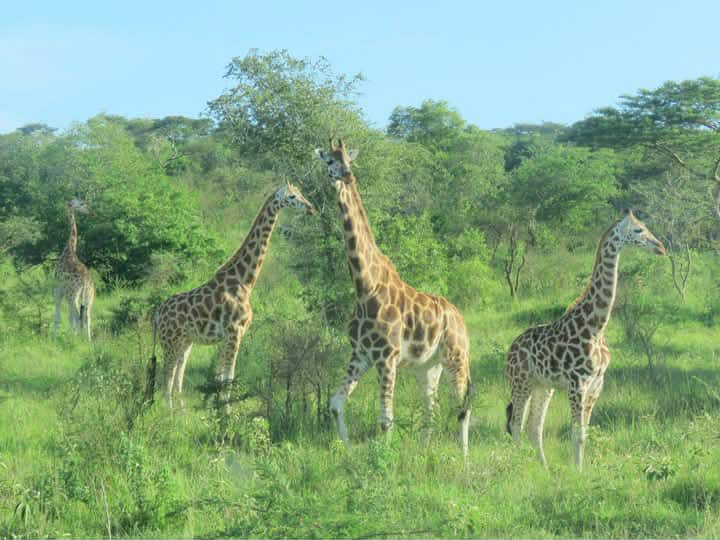
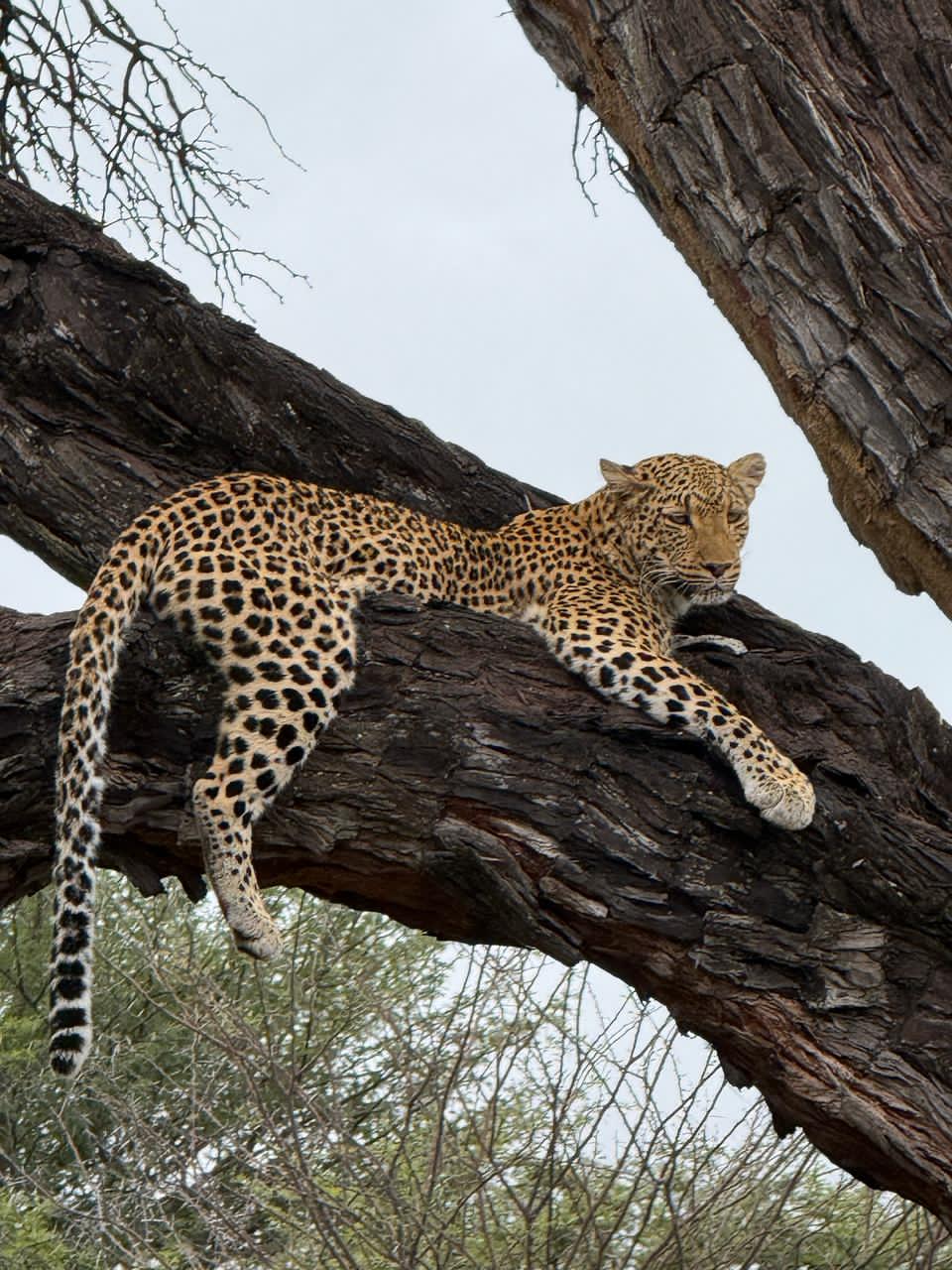
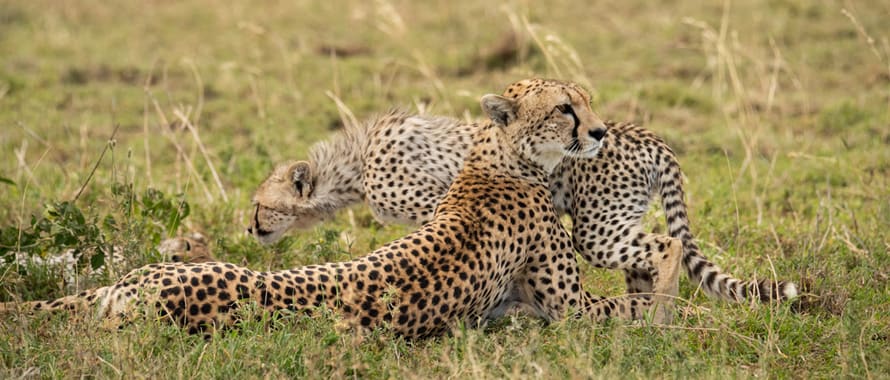
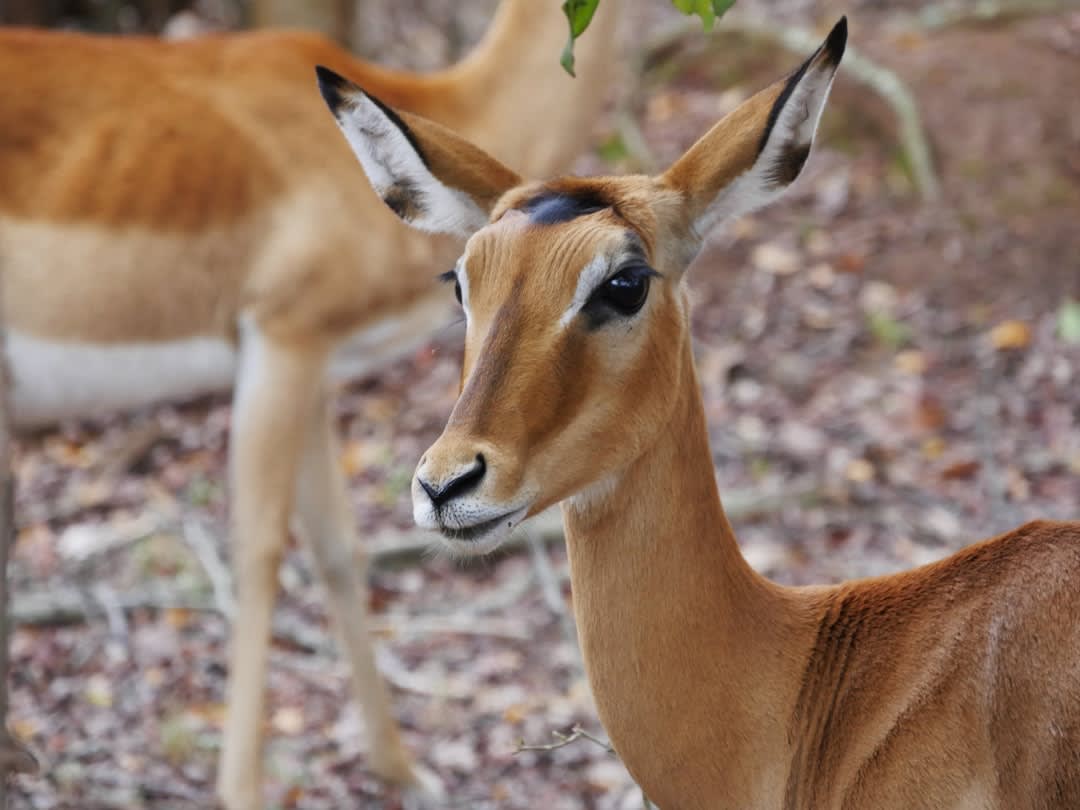
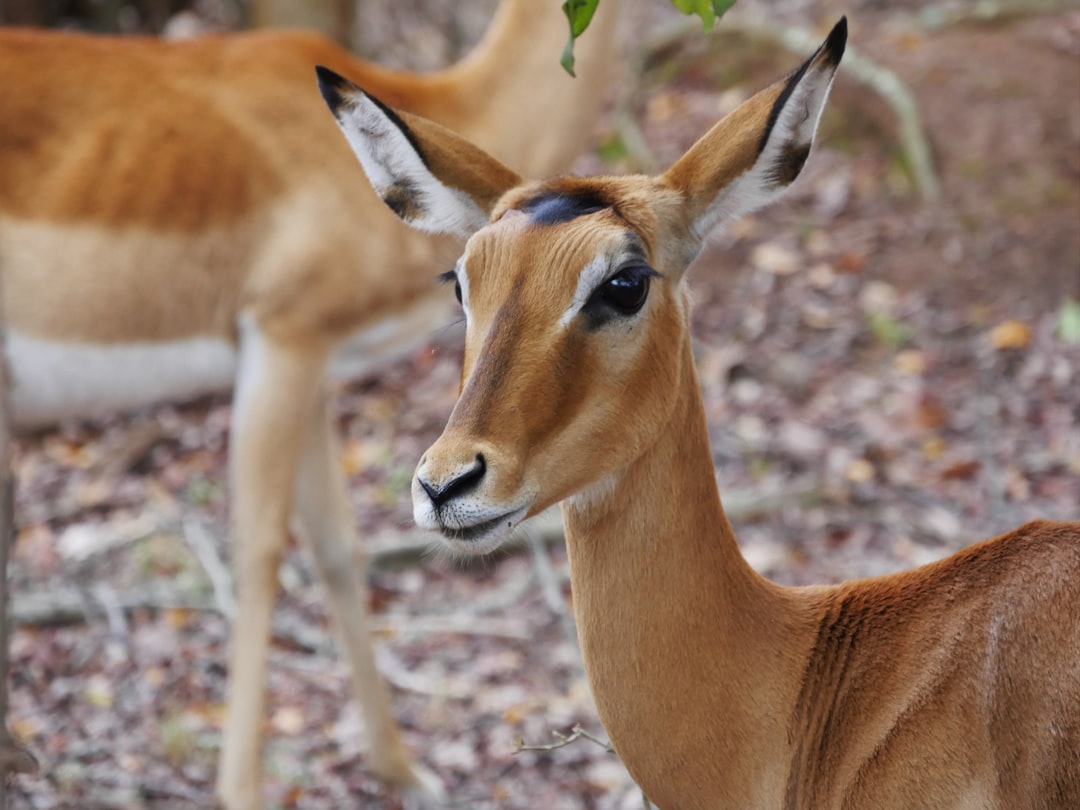
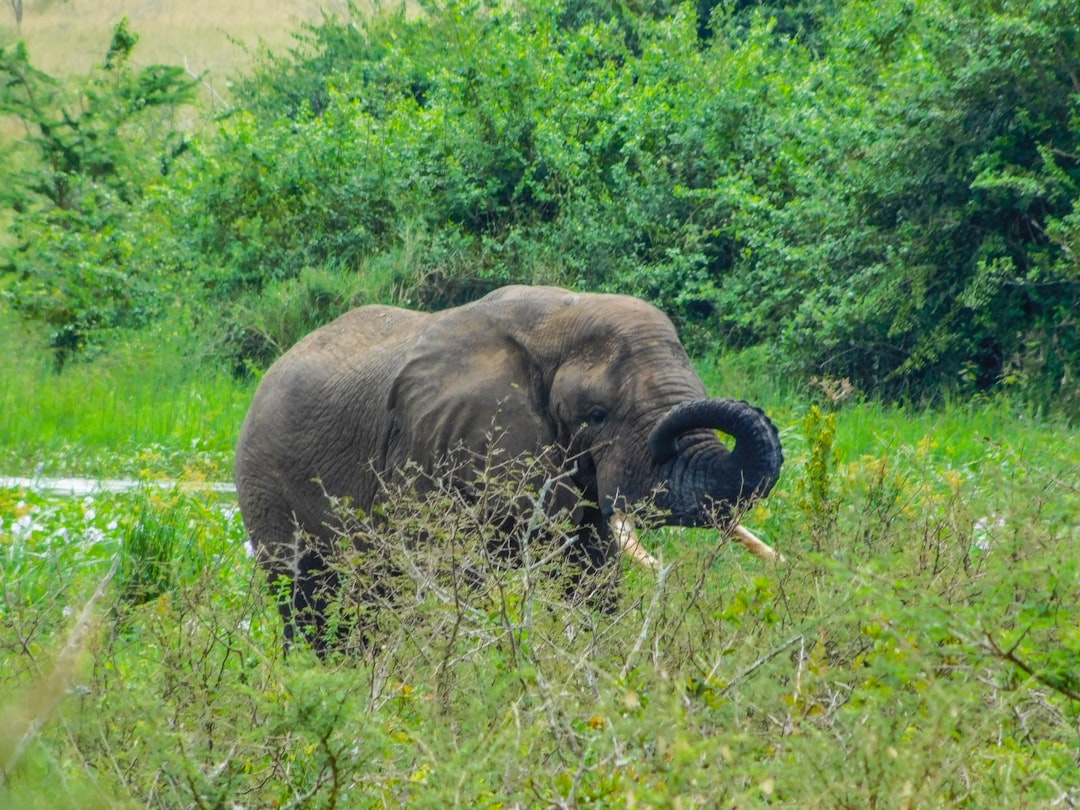
In July–September 2026, expect to see lions, leopards, elephants, buffalo, giraffes, zebras, and numerous antelope species. Bird watchers find over 500 bird species throughout the park. The dry season's clear skies and bright sunlight make photography easier and sightings more dramatic. Morning and evening game drives yield the best results, when animals are most active.
Akagera offers both budget and luxury lodge options. Akagera National Park Safari 2026 covers animals, costs, and lodge options in detail. Most visitors spend 2–3 days in Akagera as part of a longer Rwanda safari package.
Volcanoes National Park: Gorilla Trekking Excellence
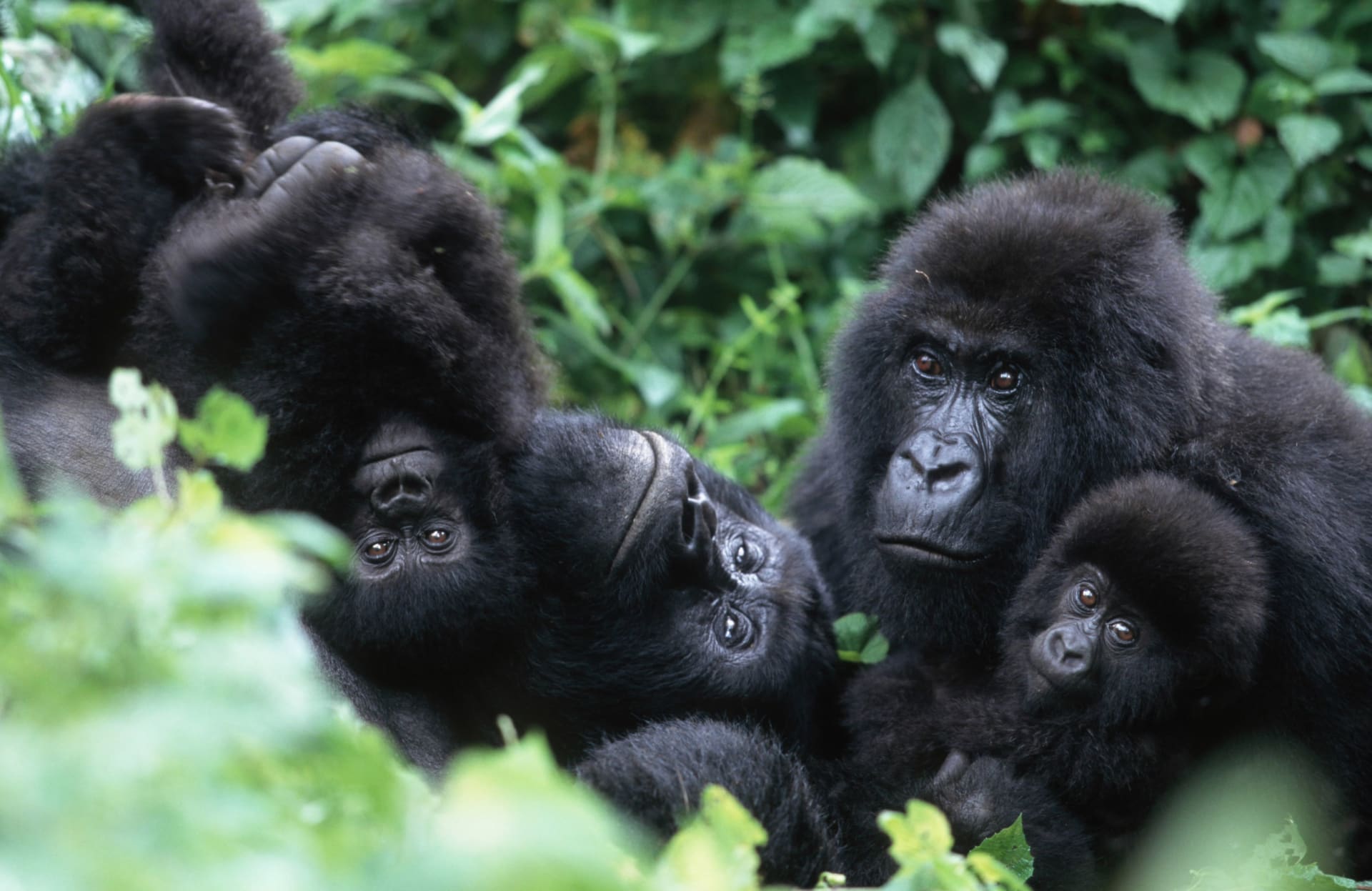
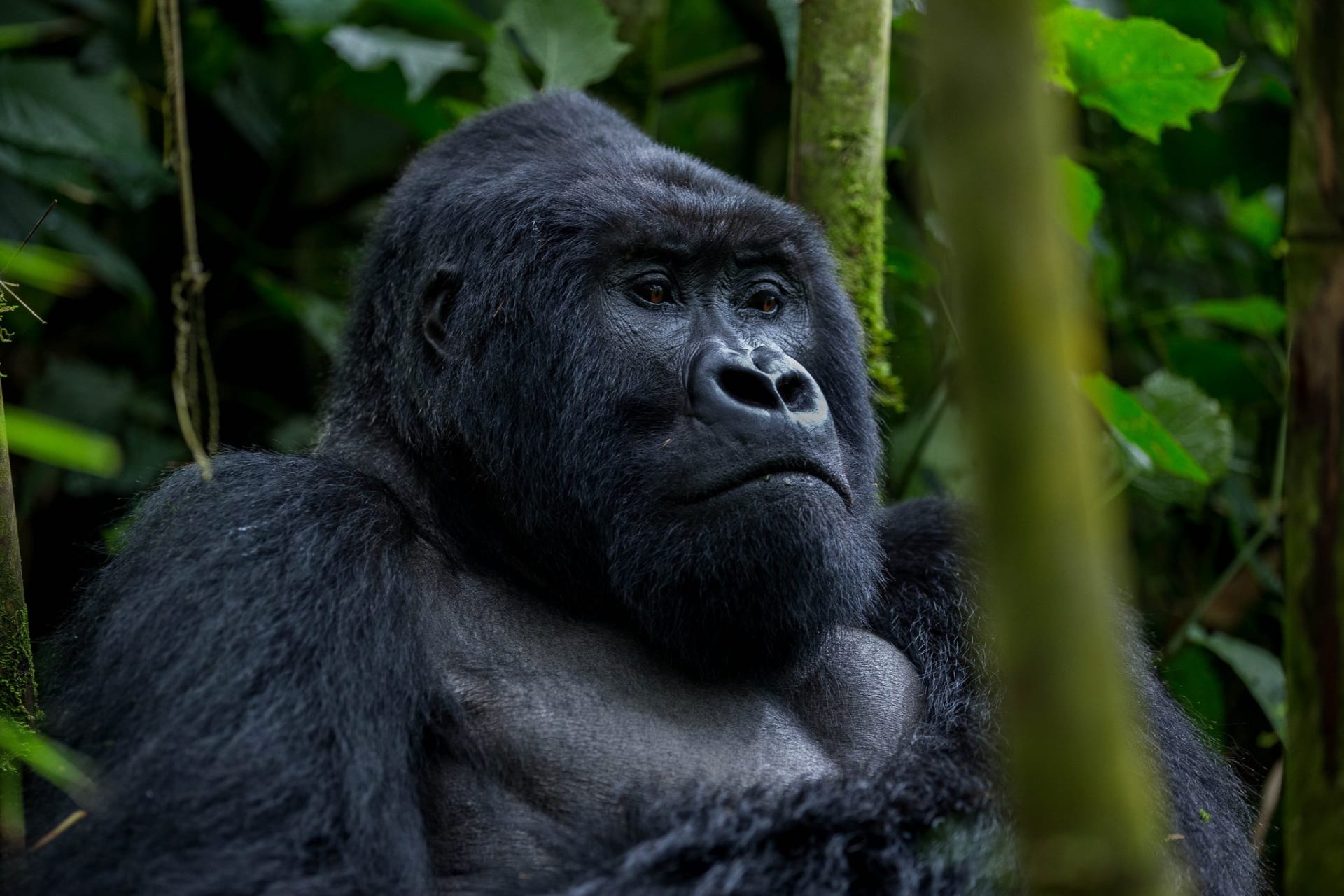
Volcanoes National Park is home to roughly half of the world's remaining mountain gorillas. This UNESCO World Heritage site sits in northwestern Rwanda near the borders with Uganda and the Democratic Republic of Congo. The park's lush rainforest creates a dramatic landscape of mist-covered volcanic peaks.
July–September represents the absolute best window for gorilla trekking. The drier conditions mean less slippery trails, better visibility through the dense forest, and more comfortable hiking overall. Gorilla permits cost $1,500 per person in 2026, granting you one hour with a habituated gorilla family. Most operators recommend booking permits 2–3 months in advance during peak season.
Beyond gorillas, Volcanoes offers golden monkey trekking, bird watching, and hikes to volcanic craters. The park's biodiversity rivals any African protected area. Is a Rwanda Gorilla Safari Worth It in 2026 explores costs and routes in depth.
Nyungwe Forest National Park: Primate Paradise
Nyungwe Forest is Africa's most extensive montane rainforest, covering over 970 square kilometers of pristine wilderness in southwestern Rwanda. This park specializes in primate encounters, hosting 13 species including chimpanzees, L'Hoest's monkeys, and numerous other primates rarely seen elsewhere.
The dry season from July to September makes forest exploration more pleasant. You'll hike through misty canopy trails with better footing and less mud. Chimpanzee trekking here costs less than gorilla permits (around $90 per person) but delivers equally thrilling encounters. The forest also harbors over 300 bird species.
Most Rwanda safari packages combine Nyungwe with gorilla trekking in Volcanoes for a comprehensive primate experience. The two parks showcase Rwanda's incredible biodiversity and conservation success.
Seasonal Wildlife Patterns in July–September
Understanding animal behavior during the dry season helps maximize your safari experience. As rainfall decreases, wildlife concentrates around permanent water sources like lakes and rivers. This natural funneling creates higher sighting frequencies and better photographic opportunities.
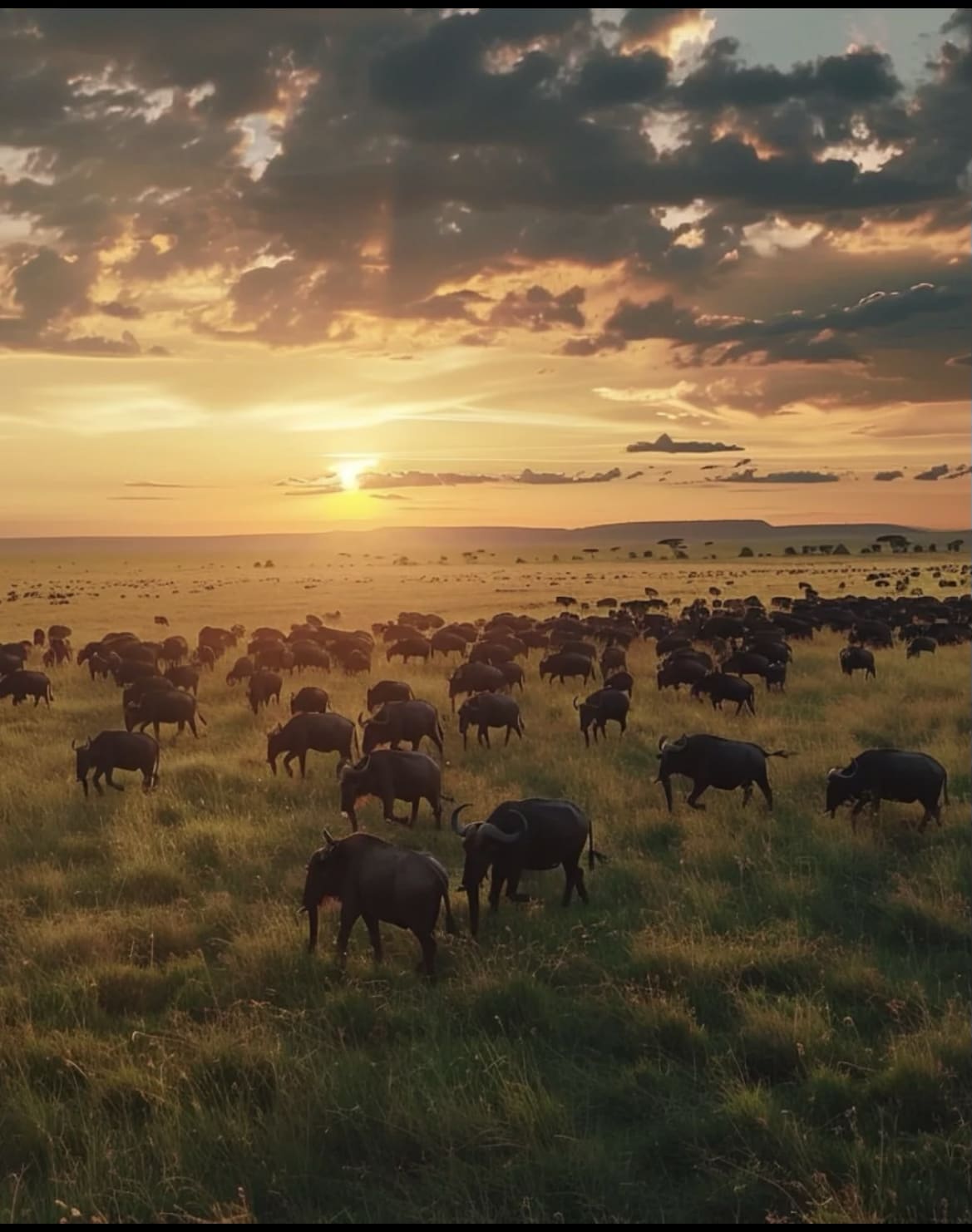
Large herbivores like elephants, buffalo, and zebras become more predictable. Predators follow their prey, increasing lion and leopard sightings. Bird activity peaks as waterbirds gather at remaining wetlands. The clear, dry weather improves visibility for spotting wildlife at distance.
Unlike East Africa's famous migrations, Rwanda's wildlife doesn't move dramatically between seasons. Instead, animals shift their daily routines to concentrate near water. This pattern favors safari-goers, as guides know where to find animals during dry months.
Practical Guide: Planning Your July–September Rwanda Safari
Booking Timeline and Availability
Start planning your Rwanda safari 3–6 months before your intended travel dates. Peak season (July–September 2026) books quickly, with popular lodges and gorilla permits filling by early spring. Waiting until June to book risks limited availability and higher last-minute pricing.
Reserve gorilla permits as soon as you confirm travel dates. The Rwanda Development Board releases permits annually, and peak-season availability sells out fast. Your safari operator can secure permits on your behalf, but you must commit early. Rwanda Safari Packages 2026 lists 5–10 day tours starting at $1,500.
Use SafariFind to compare multiple operators and packages side by side. Read authentic traveler reviews from past clients to gauge service quality and value. Many operators offer July–September packages with gorilla trekking included—verify exactly what's covered before booking.
What to Pack for Dry Season Conditions
July–September weather in Rwanda is cool and dry, especially in highland areas. Pack layers, as mornings are chilly (50–60°F) but afternoons warm up to 70–75°F. Bring a lightweight rain jacket—even in the dry season, mountain areas can surprise you with brief showers.
Essential packing items for Rwanda safari include:
- Neutral-colored clothing (greens, browns, grays) for wildlife viewing
- Sturdy hiking boots for gorilla trekking and forest walks
- High SPF sunscreen and a wide-brimmed hat
- Binoculars for bird watching and distant wildlife
- Camera equipment with extra batteries and memory cards
- Insect repellent (malaria risk exists in lowland areas)
- Lightweight long pants to protect against insects and vegetation
Gorilla trekking specifically requires sturdy boots with good grip, a waterproof backpack, and layers for the cool forest environment. Even during the dry season, forest floors remain damp and slippery in places.
Getting There and Ground Transportation
Most international visitors fly into Kigali International Airport (KGL), Rwanda's main hub. Major airlines including RwandAir, Brussels Airlines, Qatar Airways, and Ethiopian Airlines serve Kigali with connections from Europe, the Middle East, and other African nations.
From Kigali, your safari operator arranges ground transportation via 4x4 safari vehicles. Road conditions in Rwanda are generally good compared to other African countries. Drives to Akagera (2–3 hours) and Volcanoes (2.5–3 hours) are manageable day trips from the capital.
Some operators offer domestic flights to save time, though ground transfers work fine for most visitors. Your package should clearly specify transportation included—confirm whether airport transfers, inter-park drives, and game drives are part of your cost.
Budget Breakdown for July–September 2026
A typical 7-day Rwanda safari in July–September 2026 costs $2,500–$4,500 per person, depending on lodge quality and activities included. Here's how the budget typically breaks down:
- Gorilla permit: $1,500 per person (non-negotiable)
- Accommodation: $100–$400 per night depending on lodge category
- Meals and drinks: $30–$100 per day at most lodges
- Game drives and activities: $50–$150 per day
- Ground transportation: $200–$500 for the full package
- Park entry fees: $25–$50 per park per day
Rwanda Safari Cost 2026 breaks down budget vs. luxury packages in detail. Budget operators focus on essential experiences and basic lodges. Mid-range packages offer comfortable accommodations and reliable service. Luxury packages include premium lodges, private guides, and exclusive experiences.
Travelers should expect gorilla permits to consume roughly one-third of their total budget. The remaining funds cover lodging, food, transportation, and other activities. Booking through verified SafariFind operators ensures transparent pricing and no hidden fees.
Health and Safety Considerations
Rwanda is one of Africa's safest countries for tourists. Violent crime against visitors is rare, and the country maintains good security infrastructure. Still, exercise normal travel precautions: avoid displaying valuable items, stay aware of your surroundings, and follow your guide's instructions.
Malaria exists in low-lying areas like Akagera. Consult your doctor about malaria prophylaxis before traveling. Dengue fever and other mosquito-borne illnesses are also possible. Use insect repellent, wear long sleeves at dawn and dusk, and sleep under mosquito nets when provided.
Altitude in highland areas (Volcanoes, Nyungwe) can affect some travelers. The parks sit at 2,000–3,000+ meters elevation. Arrive a day early to acclimatize if you have altitude sensitivity. Gorilla trekking involves strenuous hiking; moderate fitness helps ensure enjoyment.
Get travel insurance covering medical evacuation, trip cancellation, and adventure activities. Ensure your policy covers gorilla trekking specifically. Most SafariFind operators can recommend suitable insurance options.
Choosing Your Rwanda Safari Operator
Rwanda Safari Operators 2026: Verified & Rated by Travelers lists established companies with authentic customer reviews. When comparing operators for July–September 2026, consider these factors:
Key Selection Criteria
- Gorilla permit access: Confirm the operator has guaranteed permit allocations
- Guide experience: Experienced guides significantly enhance wildlife sightings and safety
- Lodge partnerships: Check which accommodations are included in your package
- Traveler reviews: Read detailed feedback from past clients on SafariFind
- Price transparency: Ensure all costs are itemized upfront, with no surprise fees
- Flexibility: Can the operator adjust itineraries based on wildlife sightings and weather?
Peak-season operators may offer July–September packages with slightly higher pricing but excellent availability. Compare at least 3–4 operators before deciding. SafariFind allows you to request quotes directly from verified companies, compare rates side by side, and read authentic reviews from previous travelers.
Package Inclusions to Verify
Standard Rwanda safari packages should include accommodation, meals, game drives, park fees, and ground transportation. However, gorilla permits often cost extra. Confirm whether your package includes:
- Gorilla permit fee ($1,500 per person)
- Permit transportation to/from trekking locations
- Experienced gorilla trekking guides
- Other activities (chimpanzee trekking, bird watching, crater hikes)
- Airport transfers in Kigali
- All meals and drinks, or just breakfast
- Travel insurance
Don't assume anything. Ask your operator for a detailed itinerary showing every included activity, meal, and service. Hidden costs frustrate travelers—transparent operators list everything upfront.
Wildlife and Experiences During July–September
Gorilla Trekking: The Highlight Experience
Mountain gorilla trekking in Volcanoes National Park is Rwanda's signature experience. You'll hike through misty rainforest to find a habituated gorilla family, spending one hour observing their natural behavior. July–September offers the best trekking conditions of the year.
Expect to hike 2–6 hours through dense forest, navigating steep terrain and dense vegetation. The dry season makes trails less muddy and slippery than wet months. Your guide will track gorillas using signs (footprints, vegetation damage, vocalizations) and local knowledge.
When you locate the gorillas, the experience becomes intensely personal. You'll watch a silverback male, females, and young gorillas interact just meters away. The intelligence and gentleness of these magnificent creatures leave lasting impressions. Many travelers describe gorilla trekking as life-changing.
Traditional Game Viewing in Akagera
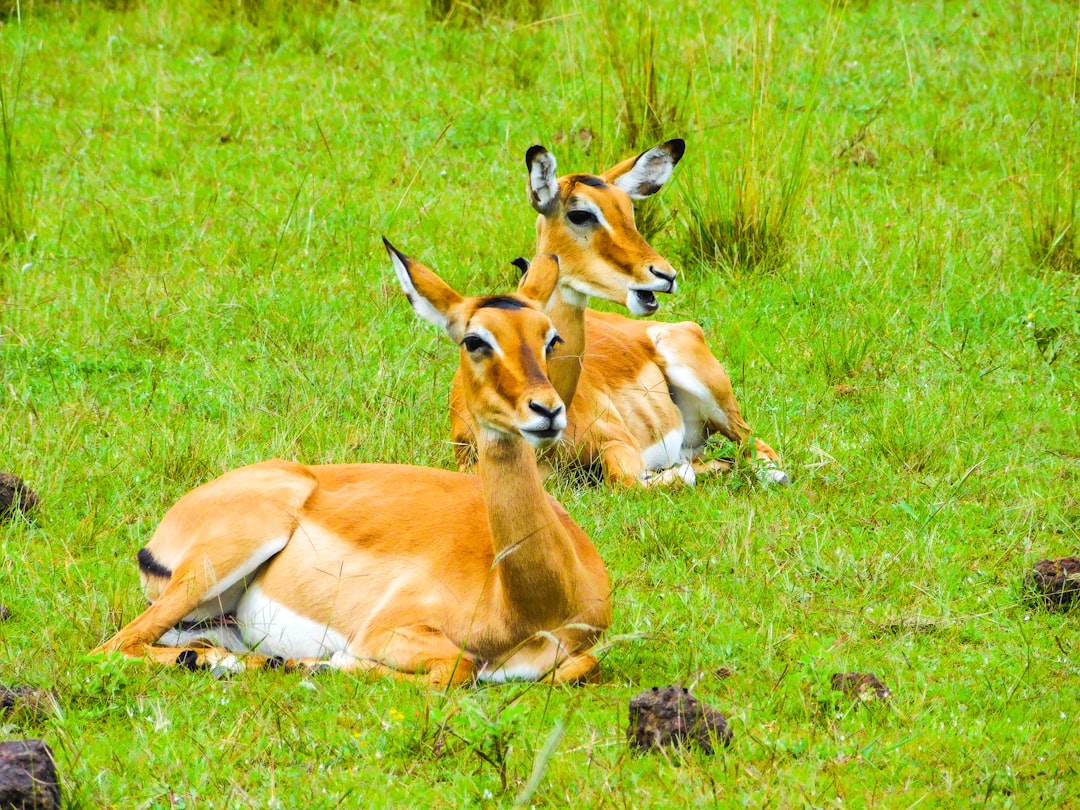
Akagera National Park offers classic African safari experiences with savanna game drives. Early morning drives (5:30–9:00 AM) maximize wildlife sightings when animals are most active. You'll search for lions, elephants, buffalo, leopards, giraffes, and antelope species.
The dry season concentrates animals near water sources, making sightings more reliable. Experienced guides know the best viewing routes and animal behavior patterns. Game drives typically last 3–4 hours per session, with afternoon drives also available.
Akagera's diverse habitats (savannas, woodlands, wetlands) support varied wildlife. Bird watchers find exceptional opportunities, with over 500 species recorded. Photography enthusiasts appreciate the dry season's clear light and dramatic skies.
Chimpanzee Trekking and Forest Experiences
Nyungwe Forest offers chimpanzee trekking at a fraction of gorilla permit costs. Chimps are more active and playful than gorillas, offering dynamic viewing experiences. Forest hikes reveal incredible biodiversity, from insects to birds to primates.
The dry season makes forest exploration more enjoyable. Trails dry out, visibility improves, and hiking becomes more comfortable. Canopy walks suspended high above the forest floor provide unique perspectives on the ecosystem.
Combining Nyungwe with gorilla trekking in Volcanoes creates a comprehensive primate safari. You'll see multiple species and understand Rwanda's conservation achievements firsthand.
Key Takeaways
- Book 3–6 months in advance for July–September 2026 to secure gorilla permits and preferred lodges, saving 10–15% versus last-minute bookings.
- Budget $2,500–$4,500 per person for a 7-day Rwanda safari, with gorilla permits consuming roughly $1,500 of that total cost.
- Pack layers and sturdy boots for cool mornings (50–60°F) and strenuous gorilla trekking on slippery forest floors.
- Compare verified SafariFind operators before booking to ensure transparent pricing, experienced guides, and authentic traveler reviews.
- Plan 2–3 days in Akagera for traditional game viewing, 2–3 days in Volcanoes for gorilla trekking, and 1–2 days in Nyungwe for chimpanzee encounters and forest walks.
Frequently Asked Questions
Why is July–September the best time for a Rwanda safari?
July–September is Rwanda's peak dry season with clear skies, excellent wildlife visibility, and the best gorilla trekking conditions. Animals concentrate near water sources during dry months, making sightings more reliable and frequent. The dry jungle trails in Volcanoes National Park become safer and more comfortable for gorilla trekking .
How much does a gorilla permit cost in 2026?
A gorilla permit in Rwanda costs $1,500 per person in 2026, granting you one hour with a habituated gorilla family in Volcanoes National Park. Permits are booked through your safari operator and must be reserved 2–3 months in advance during peak season. This single permit typically represents the largest expense in your Rwanda safari budget.
What animals can I see in Akagera during the dry season?
Akagera National Park hosts lions, leopards, elephants, buffalo, giraffes, zebras, and numerous antelope species. The dry season concentrates these animals near permanent water sources, increasing sighting likelihood. Over 500 bird species also inhabit the park, making it exceptional for bird watchers .
How physically demanding is gorilla trekking?
Gorilla trekking involves 2–6 hours of hiking through steep, dense rainforest terrain. The dry season makes trails less muddy but still challenging. Moderate fitness helps, though people of varying abilities successfully complete treks. Your guide adjusts pace to group ability, and porters carry supplies to lighten your load.
Is Rwanda safe for tourists?
Rwanda is one of Africa's safest countries for tourists. Violent crime against visitors is rare, and the country maintains good security infrastructure. Follow normal travel precautions: avoid displaying valuables, stay aware of surroundings, and follow your guide's instructions. Malaria exists in lowland areas, so use insect repellent and consider prophylaxis .
How should I book my Rwanda safari for July–September 2026?
Start planning 3–6 months in advance. Browse verified SafariFind operators, compare package prices and inclusions, read authentic traveler reviews, and request quotes from multiple companies. Confirm gorilla permit availability, lodge partnerships, and guide experience before booking. SafariFind allows you to compare operators side by side and find the best value for your budget.
What should I pack for a Rwanda safari?
Pack neutral-colored clothing (greens, browns, grays), sturdy hiking boots, lightweight rain jacket, high SPF sunscreen, wide-brimmed hat, binoculars, camera equipment, insect repellent, and long pants. The dry season brings cool mornings (50–60°F) and warm afternoons (70–75°F). For gorilla trekking specifically, bring waterproof backpack, gaiters to protect legs, and extra layers for the cool forest environment.
Conclusion
Rwanda safari in July–September 2026 delivers world-class wildlife experiences during the year's optimal conditions. The dry season concentrates animals near water sources, making sightings reliable and frequent. Gorilla trekking in Volcanoes National Park reaches peak accessibility, with dry jungle trails and excellent visibility. Traditional game drives in Akagera showcase Africa's iconic savanna wildlife. Combined with chimpanzee trekking in Nyungwe Forest, a Rwanda safari creates memories that last a lifetime.
Planning ahead is essential for peak-season success. Book 3–6 months in advance to secure gorilla permits and preferred lodges. Budget $2,500–$4,500 per person for a comprehensive 7–10 day safari experience. Research verified operators on SafariFind, comparing package inclusions, pricing, and authentic traveler reviews before committing.
Rwanda's combination of wildlife, gorilla encounters, and stunning landscapes makes it an exceptional safari destination. The dry season from July to September maximizes your chances of unforgettable experiences. Start your planning today by exploring Rwanda safari packages on SafariFind, requesting quotes from verified operators, and reading reviews from travelers who've experienced these incredible parks firsthand. Your perfect Rwanda safari awaits—book now for July–September 2026.
Plan Your Safari with SafariFind
These recommendations use real data from SafariFind, where you can compare operators, browse packages, and read verified traveler reviews before you book.
Recommended Safari Packages from SafariFind
What Travelers Say (SafariFind Reviews)
References
- National Geographic - Akagera National Park 2026: When to visit, where to stay
- TourRadar - 10 Best Safari Tours in Rwanda 2026/2027
- Private Tours Cape Town - Best Time to Go on Safari in Africa: Month-by-Month 2026 Guide
- Iconic Travel Services - The Magic of the Dry Season: What to Expect on Your 2026 East African Safari
- Paradise Africa Safari - Best Time to Visit East Africa for Safari Tour 2025/2026/2027
- Duma Explorer - East Africa Best Time to Visit (2026): Season-by-Season
- Trail Safari Explorers - Rwanda Gorilla Trekking 2026: Volcanoes National Park, Permits & Planning
- Yellow Zebra Safaris - Best time to visit Rwanda: When to go
Sources
- National Geographic - Akagera National Park 2026: When to visit, where to stay
- TourRadar - 10 Best Safari Tours in Rwanda 2026/2027
- Private Tours Cape Town - Best Time to Go on Safari in Africa: Month-by-Month 2026 Guide
- Iconic Travel Services - The Magic of the Dry Season: What to Expect on Your 2026 East African Safari
- Paradise Africa Safari - Best Time to Visit East Africa for Safari Tour 2025/2026/2027
- Duma Explorer - East Africa Best Time to Visit (2026): Season-by-Season
- Trail Safari Explorers - Rwanda Gorilla Trekking 2026: Volcanoes National Park, Permits & Planning
- Yellow Zebra Safaris - Best time to visit Rwanda: When to go
Related to
Ready to start your safari adventure?
Explore curated safari packages and find your perfect African adventure with verified operators.