Rwanda Safari Cost 2026: Budget vs Luxury Packages
Rwanda safari costs range from $2,450–$7,500+ in 2026. Compare budget, mid-range, and luxury packages. Gorilla permits cost $1,500. Book verified operators on SafariFind.

Rwanda Safari Cost 2026: Budget vs Luxury
Last updated: July 2026
Rwanda safari costs range from $2,450 for a 3-day budget package to over $7,500 for luxury experiences in 2026. Mid-range safaris typically cost $3,800 to $5,200 per person. The best time to visit is June to September for wildlife viewing and January to February for gorilla trekking. Book through verified operators on SafariFind to compare packages and read authentic reviews from past travelers.
At a Glance
- Budget Safari Cost: $2,450–$3,500 per person (3 days)
- Mid-Range Safari Cost: $3,800–$5,200 per person (4–5 days)
- Luxury Safari Cost: $7,500+ per person (5–7 days)
- Best Time to Visit: June–September (dry season) and January–February (gorilla trekking)
- Duration: 3–7 days recommended
- Best For: Budget travelers, families, adventure seekers, luxury travelers
What Is Rwanda Safari Cost 2026: Budget vs Luxury Packages?
Rwanda safari costs vary based on your travel style, trip length, and activities. A 3-day budget safari costs $2,450 per person, while mid-range packages run $3,800 to $5,200, and luxury safaris exceed $7,500 for 5–7 days in 2026. These prices typically include park fees, accommodations, meals, and guided tours.
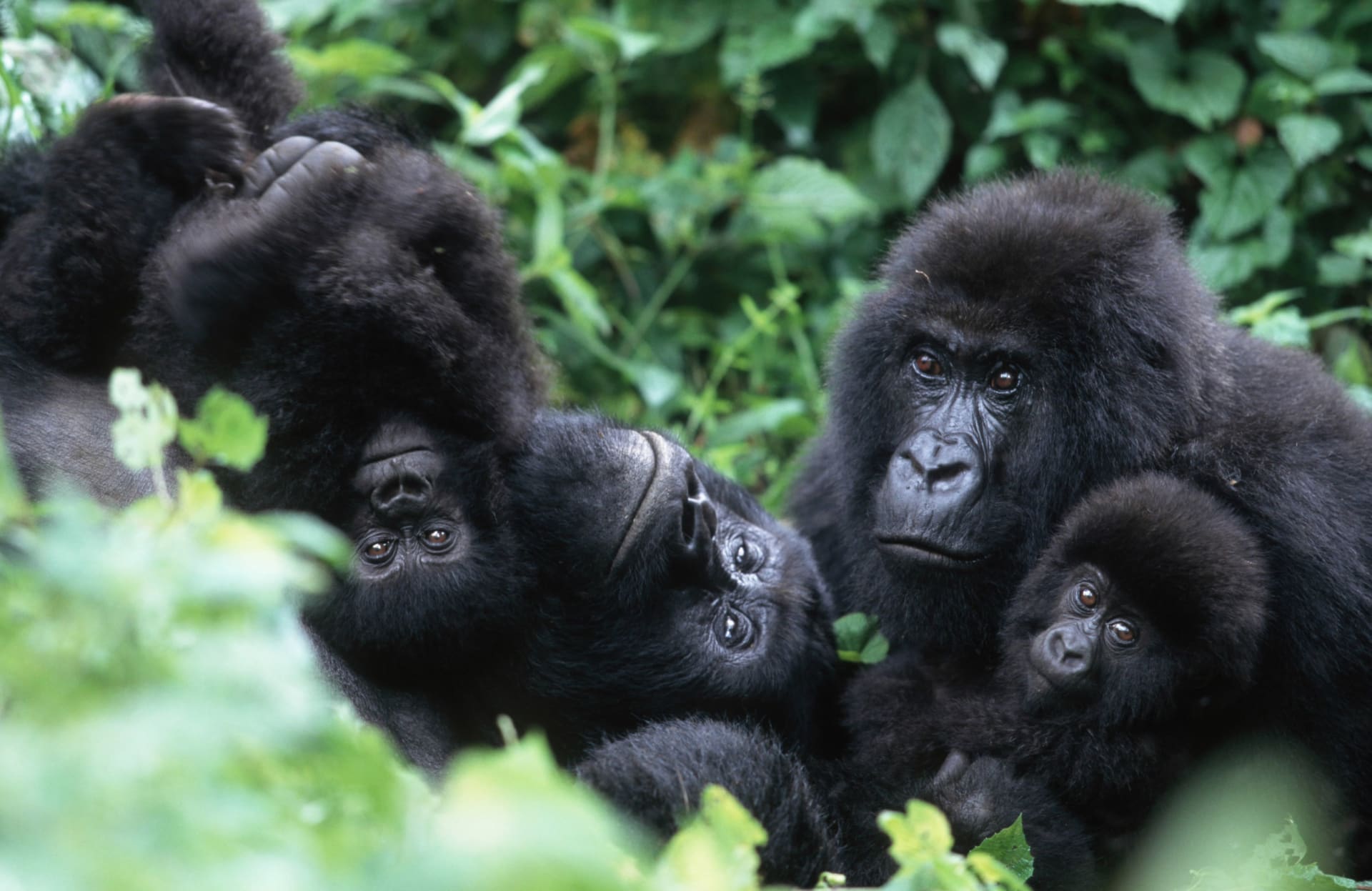
Rwanda is Africa's premier gorilla trekking destination. Visitors come for mountain gorillas, wildlife safaris, and stunning landscapes. Understanding the cost breakdown helps you pick the right package for your budget.
Why Rwanda Safari Costs Matter
Rwanda safari pricing reflects the quality of your experience. Budget packages offer basic comfort and shared accommodations. Mid-range options provide better lodges and more personalized service. Luxury safaris deliver exclusive experiences with premium lodges and private guides.
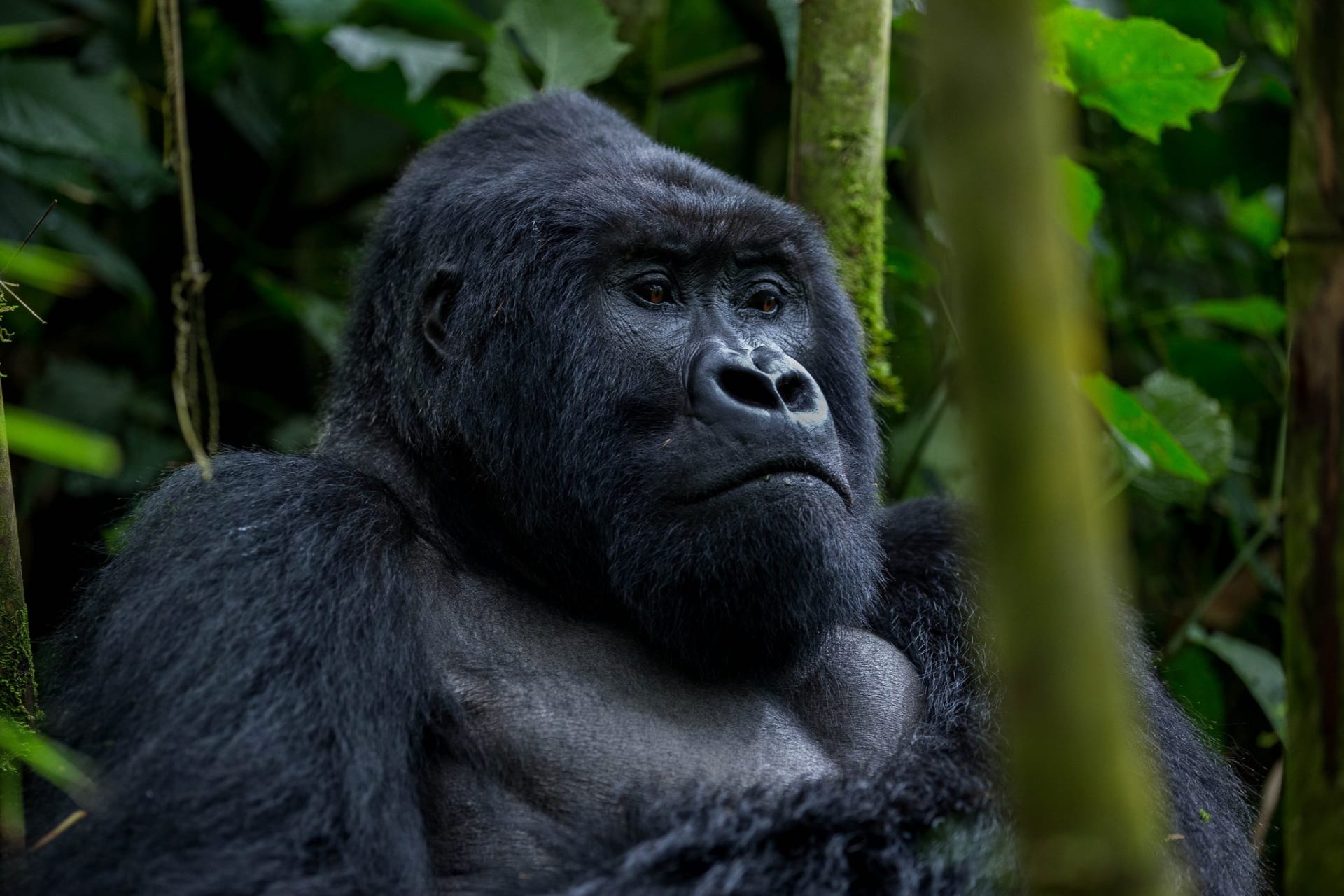
Gorilla trekking permits are the biggest cost driver in Rwanda. A single permit costs $1,500 per person as of 2026. This high fee protects the endangered mountain gorilla population and funds conservation efforts. Budget safaris still include one permit, but luxury packages may include multiple permits or longer trekking experiences.
Key Features of Each Price Tier
Budget safaris focus on value. You'll share vehicles with other tourists and stay in simple but clean lodges. Meals are basic but nutritious. You'll still see gorillas and other wildlife, just with fewer amenities.
Mid-range safaris balance comfort and cost. You get better lodges with private bathrooms, smaller group sizes, and more attentive service. These packages often include multiple activities like bird watching or cultural visits alongside gorilla trekking.
Luxury safaris prioritize comfort and exclusivity. You stay in high-end resorts with world-class amenities. Private guides tailor experiences to your interests. Fine dining and premium service are standard. These packages often span 5–7 days with multiple destinations like Volcanoes, Akagera, and Lake Kivu.
Why It Matters for Your Trip
Choosing the right tier affects your entire experience. Budget travelers save money but spend more time in vehicles and shared spaces. Mid-range travelers get a sweet spot of comfort and savings. Luxury travelers enjoy exclusive access and personalized attention.
Your choice also impacts local communities. All Rwanda safari packages support conservation and employ local guides. Higher-tier packages typically provide better wages and training for Rwandan staff.
Ready to explore Rwanda safari options? Compare verified Rwanda safari packages on SafariFind to find the perfect fit for your budget and travel style.
Breaking Down Rwanda Safari Costs by Package Type
Rwanda safari prices split into three main categories in 2026: budget ($2,450–$3,500), mid-range ($3,800–$5,200), and luxury ($7,500+). Each tier includes different levels of accommodations, service quality, and activities. Your choice depends on how much comfort you want and what activities matter most.
Budget Rwanda Safari: $2,450–$3,500 (3 Days)
A budget Rwanda safari covers the essentials. You get one gorilla trekking permit, park entrance fees, basic accommodation, and meals. The $2,450 starting price for 3 days is ideal for travelers with limited time or tight budgets.
Budget packages typically include shared safari vehicles with other tourists. Lodges are modest but clean, often with private rooms but basic amenities. Meals are served family-style in shared dining areas. Guides are knowledgeable but may handle multiple languages in your group.
What's included: one gorilla trekking permit ($1,500), park fees ($50–$100), accommodation in a budget lodge ($30–$50 per night), meals ($10–$15 per day), and a shared guide. Transportation between locations costs extra unless bundled.
What's not included: international flights, travel insurance, personal expenses, tips, and optional activities like bird watching or cultural tours. Some packages exclude alcohol and premium meals.
Mid-Range Rwanda Safari: $3,800–$5,200 (4–5 Days)
Mid-range safaris offer better comfort without the luxury price tag. These 4–5 day packages are popular with families and groups. You get improved lodges, smaller groups, and more activities.
Mid-range packages often include two destinations: Volcanoes National Park for gorilla trekking and Akagera National Park for wildlife safaris. This combination gives you diverse experiences in one trip. Lodges have en-suite bathrooms, good restaurants, and scenic views.
What's included: one or two gorilla trekking permits, park fees, mid-range lodge accommodation ($60–$120 per night), all meals, guided activities, and private or small group transportation. Some packages add cultural visits to local villages or bird watching tours.
What's not included: international flights, visas, travel insurance, personal shopping, and tips. Alcohol may cost extra. Some activities like boat tours on Lake Kivu are optional add-ons.
Luxury Rwanda Safari: $7,500+ (5–7 Days)
Luxury safaris deliver premium experiences. These extended trips visit multiple destinations with exclusive accommodations and personalized service. A 5–7 day luxury package is perfect for travelers seeking the best of Rwanda.
Luxury lodges rival five-star hotels. You get spacious suites with private terraces, gourmet dining, spa services, and concierge assistance. Some lodges offer infinity pools, wine cellars, and private chefs. Guides are highly trained and often speak multiple languages.
Luxury packages typically span 5–7 days and cover Volcanoes, Akagera, and Lake Kivu regions. You might trek gorillas twice or explore pristine wilderness areas few tourists visit. Activities are customized to your interests.
What's included: multiple gorilla trekking permits, all park fees, luxury lodge accommodation ($250–$500+ per night), gourmet meals with premium beverages, private guides, private vehicles, and most activities. Airport transfers and internal flights are often included.
What's not included: international flights, travel insurance, and personal expenses. Tips are expected but not mandatory. Some ultra-luxury packages include flights from neighboring countries.
Cost Comparison Table
| Package Type | Duration | Cost Per Person | Accommodation | Group Size | Best For |
|---|---|---|---|---|---|
| Budget | 3 days | $2,450–$3,500 | Basic lodge | 6–12 people | Budget travelers, short trips |
| Mid-Range | 4–5 days | $3,800–$5,200 | Comfortable lodge | 4–8 people | Families, balanced experience |
| Luxury | 5–7 days | $7,500+ | Premium resort | 2–4 people | Luxury seekers, exclusive access |
What Drives Rwanda Safari Costs?
Several factors affect safari pricing. The gorilla trekking permit is the single largest cost—$1,500 per person. Park entrance fees add $50–$100. Accommodations range from $30 to $500 per night depending on tier.
Transportation costs vary by distance. Visits to Akagera National Park (3 hours from Kigali) cost more than stays near Volcanoes (1.5 hours from Kigali). Private vehicle hire adds $100–$200 daily versus shared vehicles at $20–$50.
Seasonal pricing matters. High season (June–September and December–January) costs 15–25% more than low season (March–May and October–November). This reflects demand and better wildlife viewing conditions.
Group size impacts costs. Larger groups share vehicle and guide costs, lowering per-person prices. Smaller groups enjoy more personalized service but pay premium rates.
Find the right Rwanda safari package for your budget. Browse budget and luxury Rwanda safari packages on SafariFind with transparent pricing and verified reviews.
How to Choose Between Budget, Mid-Range, and Luxury Safaris
Choose based on your budget, time, and comfort preferences. Budget safaris work for travelers with $2,500–$3,500 and 3 days. Mid-range suits families with $3,800–$5,200 and 4–5 days. Luxury is best for those with $7,500+ and 5–7 days seeking exclusive experiences.
Assess Your Budget and Timeline
Start with your total budget for Rwanda. Remember this includes flights, visas, and trip insurance—not just the safari package. A realistic all-in budget ranges from $3,500 (budget safari) to $15,000+ (luxury safari with flights).
Time matters too. If you have only 3–4 days in Rwanda, a budget package makes sense. If you have a week, a mid-range package lets you explore multiple regions. If you have 8+ days, luxury packages with slow travel are ideal.
Consider Your Comfort Level
Budget safaris require flexibility. You'll share vehicles, eat simple meals, and stay in basic lodges. This works if you're young, adventurous, and focused on wildlife rather than comfort.
Mid-range safaris suit most travelers. You get decent comfort without overpaying for luxuries you won't use. Families with children often prefer mid-range for the balance of experience and amenities.
Luxury safaris are for comfort seekers. If you value fine dining, spa treatments, and personalized service, luxury is worth the cost. Older travelers and honeymooners often choose luxury.
Evaluate What's Important to You
Different packages emphasize different activities. Budget safaris focus on gorilla trekking alone. Mid-range adds wildlife safaris and cultural visits. Luxury includes all activities plus exclusive experiences like private gorilla treks or helicopter tours.
Ask yourself: Is gorilla trekking your main goal, or do you want diverse activities? Do you want to visit multiple parks or stay in one area? Do you need specific amenities like Wi-Fi or hot water?
Research operator reviews on SafariFind. Read what past travelers say about food quality, guide expertise, and vehicle comfort. This helps you understand what each tier really delivers.
Check Seasonal Pricing
Rwanda has two high seasons: June–September (dry weather, Great Migration effects) and December–January (dry weather, holidays). Prices peak during these months.
Low season (March–May and October–November) offers 15–25% discounts. Rain increases, but wildlife remains abundant. Fewer tourists mean more intimate experiences. Budget safaris become even cheaper in low season—sometimes dropping to $1,800–$2,200.
Mid-season (February and October) offers a balance. Prices are moderate, and weather is reasonable. These months are underrated for value.
Read Reviews and Compare Operators
Not all budget safaris are equal. Some operators cut corners on guide quality or food. Not all luxury safaris deliver. Some charge premium prices for mediocre service.
Check SafariFind reviews before booking. Look for feedback on guide expertise, lodge cleanliness, food quality, and vehicle condition. Verified reviews from real travelers reveal what you'll actually experience.
Compare multiple operators at your chosen price tier. Two mid-range operators might have different styles—one emphasizes wildlife, the other culture. Reading reviews helps you find your match.
Request quotes from multiple operators on SafariFind. Most offer customized packages. Negotiate dates, activities, and inclusions to fit your needs and budget.
What's Included and What Costs Extra in Rwanda Safaris
Rwanda safari packages typically include gorilla permits, park fees, accommodation, meals, and guided activities. They usually exclude international flights, travel insurance, tips, alcohol, and optional activities like boat tours. Always read the fine print to avoid surprises.
Standard Inclusions Across All Tiers
All Rwanda safari packages include the gorilla trekking permit. This $1,500 cost is mandatory and non-refundable. It covers access to the gorillas and funding for conservation.
Park entrance fees are included. Volcanoes National Park costs $50, Akagera costs $50, and Lake Kivu attractions cost $20–$30. These are typically bundled into package prices.
Accommodation is included. Budget packages provide basic rooms with shared or private bathrooms. Mid-range and luxury packages offer progressively better amenities. Most include clean sheets, pillows, and towels.
Meals are included in most packages. Breakfast is always provided. Lunch and dinner are included in full packages. Budget meals are simple—rice, beans, vegetables. Mid-range and luxury offer variety and quality ingredients.
Guided activities are included. This means gorilla trekking with a professional guide, wildlife safaris, and nature walks. Guides speak English and provide expert knowledge.
Common Extras and Optional Costs
International flights are never included. Budget $800–$2,000 from North America or Europe depending on season and airline.
Travel insurance is not included but strongly recommended. Expect $50–$200 depending on coverage. Medical evacuation insurance is wise for remote areas.
Visas cost extra. Rwanda visa fees range from $50 (on arrival) to $100 (pre-arranged online). Some nationalities get visa-free entry.
Tips are not mandatory but expected. Budget 10–15% of total costs for guides and staff. A guide who makes your gorilla trek magical deserves recognition.
Alcohol is sometimes extra. Budget packages may not include beer or wine at dinner. Mid-range usually includes local beer and wine. Luxury packages offer premium alcohol included.
Optional activities cost more. Bird watching tours add $50–$100 per day. Boat tours on Lake Kivu cost $40–$80. Cultural village visits run $30–$60. Helicopter tours exceed $500.
Personal items are your responsibility. Sunscreen, medications, toiletries, and clothing are not provided. Some lodges sell basics at marked-up prices.
Internal flights between regions cost extra. A charter flight from Kigali to Akagera runs $200–$400 per person. Scheduled flights are cheaper at $100–$150 but less convenient.
Hidden Costs to Expect
Laundry services cost $1–$5 per item in budget lodges, $3–$10 in mid-range, and are often free in luxury. Hand-washing is free.
Wi-Fi may cost extra in remote areas. Budget lodges charge $2–$5 per day. Mid-range usually includes free Wi-Fi. Luxury always provides free high-speed internet.
Park transfers sometimes cost extra. If your lodge is outside the park, expect $20–$50 daily for transport to trekking points. Ask when booking.
Activity guides may expect tips separate from your main guide's tip. Budget $5–$10 per guide per day. This is customary and appreciated.
Photography permits are required in some areas. Most operators handle this, but confirm. Permits typically cost $5–$10.
How to Avoid Budget Surprises
Ask for a detailed cost breakdown before booking. Request a written itinerary listing every included activity and meal. Ask specifically what's excluded.
Confirm the gorilla permit is included. This is non-negotiable and should be clearly stated in your booking confirmation.
Ask about group size and vehicle type. Shared vehicles cost less but mean early mornings and crowded trekking. Private vehicles cost more but offer flexibility.
Request reviews mentioning hidden costs. On SafariFind, look for comments about unexpected charges or quality surprises. Real traveler feedback reveals the truth.
Book through SafariFind to access verified operators with transparent pricing. Request detailed quotes and compare multiple options before committing.
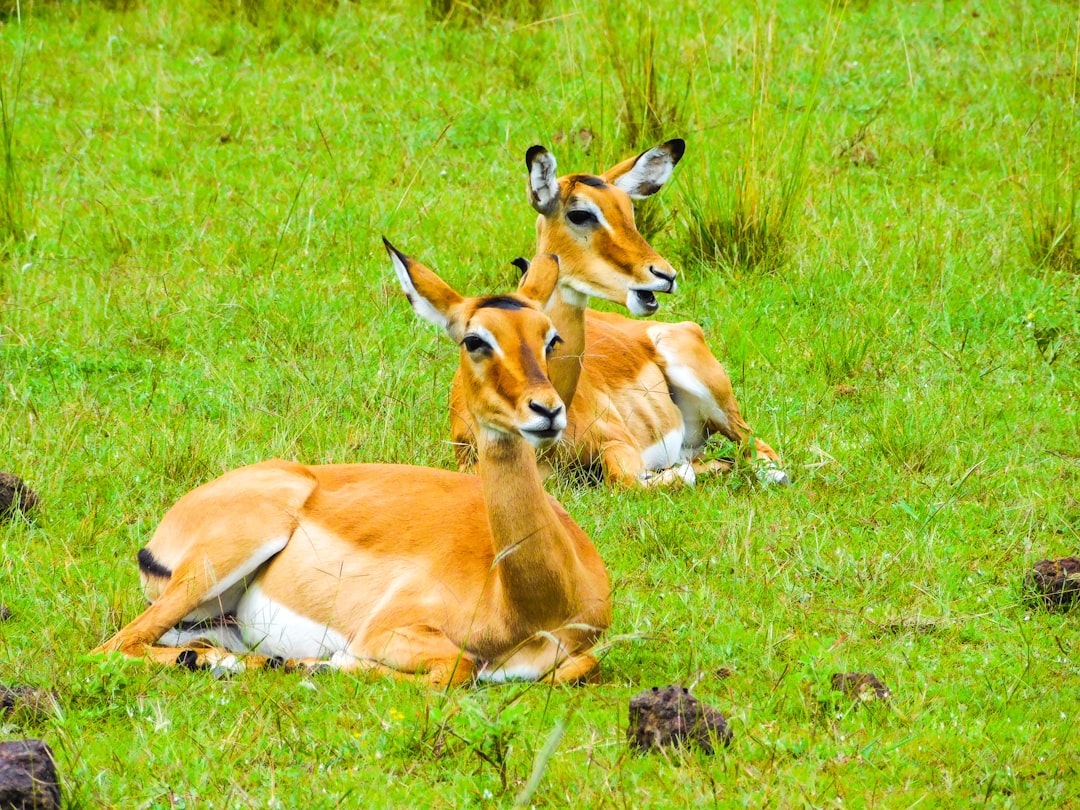
Best Time to Visit Rwanda and How It Affects Safari Costs
Rwanda's best time to visit is June–September for wildlife viewing and January–February for gorilla trekking. These high-season months cost 15–25% more. Low season (March–May, October–November) offers discounts of 20–30% with still-good wildlife viewing. Plan accordingly to balance cost and experience.
High Season: June–September (Dry Season)
The dry season brings excellent wildlife viewing. Grass is short, making animals easier to spot. Gorilla trekking is comfortable—no mud, clear skies, and mild temperatures.
Prices peak during these months. A mid-range safari costs $4,500–$5,200 instead of $3,800. Budget safaris reach $3,200–$3,500. Luxury safaris hit $8,500–$10,000. Higher demand means fewer discounts and booked-out lodges.
June and September are slightly cheaper than July and August. July and August see school holidays in Europe and North America, driving prices up. If you can visit in June or September, you save 10–15% while getting similar conditions.
High Season: December–January (Holiday Season)
December and January are dry with cool temperatures. Gorilla trekking is excellent. Families travel during school holidays, boosting demand and prices.
Expect peak pricing similar to June–September. Budget safaris cost $3,200–$3,500. Mid-range safaris reach $4,500–$5,200. Luxury packages hit $8,500–$10,000. Book 4–6 months ahead to secure availability.
Late January is slightly cheaper than December and early January. New Year travel peaks in early January. Late January sees fewer tourists and slightly lower rates.
Low Season: March–May (Long Rains)
March, April, and May bring regular rainfall. The landscape turns green and lush. Wildlife is abundant but harder to spot in thick vegetation. Gorilla trekking is muddy but rewarding—fewer crowds mean intimate experiences.
Prices drop 20–30% in low season. Budget safaris fall to $1,800–$2,200. Mid-range packages drop to $2,800–$3,800. Luxury safaris decline to $5,500–$7,000. This represents massive savings for budget-conscious travelers.
May is the best low-season month. Rain decreases toward month's end. Wildlife viewing improves. Prices remain 20% below high season. May offers good value for travelers flexible on weather.
Low Season: October–November (Short Rains)
October and November are transitional months with occasional rain. Vegetation is still green. Gorilla trekking remains good. Fewer tourists mean peaceful experiences.
Prices are 15–25% below high season. Budget safaris cost $2,000–$2,800. Mid-range packages range $3,000–$4,200. Luxury safaris drop to $6,000–$8,000. October is slightly wetter and cheaper than November.
November is ideal for value seekers. Rain mostly stops. Vegetation remains lush. Wildlife is active. Prices are still 15–20% below high season. November offers the best balance of cost and conditions.
Shoulder Season: February (Best Value Month)
February is often overlooked but excellent. Weather is mostly dry. Gorilla trekking is comfortable. Prices are moderate—not peak but not low season discounts.
Budget safaris cost $2,600–$3,000. Mid-range packages run $3,500–$4,500. Luxury safaris range $6,500–$8,000. You get high-season conditions at 20% lower prices than January.
February is perfect for travelers who want good weather without peak prices. School holidays are over, reducing family travel. Accommodation is available. Book 2–3 months ahead for best deals.
How Seasonal Pricing Affects Your Budget
A 3-day budget safari costs $2,450 in low season but $3,200 in high season—a 30% increase. Over a week, high-season pricing adds $1,000+ per person.
Mid-range safaris show even bigger swings. A 5-day package costs $3,000 in low season but $5,000 in high season—a 67% difference.
Luxury safaris are less price-sensitive. A 7-day luxury safari costs $6,500 in low season and $9,000 in high season—a 38% difference. Ultra-luxury packages may not discount much.
Seasonal Recommendation by Traveler Type
Budget travelers should visit March–May or October–November. You'll save 20–30% and still see gorillas. Rain is manageable for adventurous travelers.
Families should plan June–September or December–January if school schedules allow. Weather is dry and predictable. Book early—these months fill fast.
Luxury travelers can visit anytime. High-season crowds don't bother you—private guides ensure exclusive experiences. February and November offer luxury at slightly lower prices.
Nature photographers should visit November or February. Green landscapes, clear skies, and active wildlife create stunning images. Fewer tourists mean better photo opportunities.
Key Takeaways
- Book budget Rwanda safaris in low season (March–May, October–November) to save 20–30% and pay as little as $1,800 for 3 days. You'll still see gorillas and wildlife despite occasional rain.
- Plan mid-range safaris 4–6 months ahead at $3,800–$5,200 for 4–5 days to secure the best lodges and guide availability. This tier balances comfort, cost, and authentic experiences.
- Budget $1,500 per person for the mandatory gorilla trekking permit—this is the largest single cost in any Rwanda safari. The permit protects endangered gorillas and funds conservation programs.
- Request detailed cost breakdowns from SafariFind operators to identify hidden fees like tips, alcohol, and optional activities. Transparent pricing prevents budget surprises and helps you compare packages fairly.
- Choose luxury safaris only if you value exclusive service and premium amenities—they cost $7,500+ but deliver personalized experiences and five-star accommodations. Verify operator reviews to ensure the price matches the quality.
Frequently Asked Questions
How much does a 3-day Rwanda gorilla trekking safari cost in 2026?
A 3-day budget Rwanda gorilla trekking safari costs $2,450–$3,500 per person in 2026. This includes the $1,500 gorilla permit, park fees, basic accommodation, meals, and a guided trek. Mid-range 3-day packages cost $3,200–$4,000. Luxury 3-day safaris start at $5,500. Prices vary by season—low season (March–May, October–November) offers 20–30% discounts.
What's included in a Rwanda safari package?
Rwanda safari packages typically include the gorilla trekking permit ($1,500), park entrance fees ($50–$100), accommodation, all meals, and guided activities like gorilla trekking and wildlife safaris. International flights, travel insurance, tips, and optional activities like boat tours are not included. Always request a detailed itinerary to confirm what's covered before booking.
When is the best time to visit Rwanda for safaris?
The best time to visit Rwanda is June–September for wildlife viewing and January–February for gorilla trekking. These months offer dry weather and clear skies. However, prices are highest during these periods. For budget travelers, November and February offer good weather at 15–20% lower prices. March–May brings lush landscapes and 20–30% discounts but includes afternoon rain.
Is gorilla trekking worth the $1,500 permit cost?
Yes, the $1,500 gorilla trekking permit is worth the cost for most travelers. Seeing mountain gorillas in their natural habitat is a once-in-a-lifetime experience. The permit funds gorilla conservation and protects this endangered species. The trek itself—hiking through misty forests to observe a family of gorillas—justifies the investment. Most travelers rate gorilla trekking as the highlight of their Rwanda safari.
Can I find Rwanda safari packages under $3,000?
Yes, you can find Rwanda safari packages under $3,000 in low season. Budget 3-day safaris in March–May or October–November start at $1,800–$2,200 per person. These include the gorilla permit, park fees, basic lodging, and meals. However, availability is limited and conditions are rainier. Book early and be flexible on dates to access these deals. Compare verified operators on SafariFind to find the best prices and read real traveler reviews.
Should I choose a budget, mid-range, or luxury Rwanda safari?
Choose based on your budget and comfort preferences. Budget safaris ($2,450–$3,500) work for adventurous travelers with tight budgets and 3 days. Mid-range safaris ($3,800–$5,200) suit families and balanced travelers wanting 4–5 days with good comfort. Luxury safaris ($7,500+) are for travelers prioritizing exclusive service and five-star accommodations over 5–7 days. Review operator ratings on SafariFind to understand what each tier really delivers before booking.
How can I save money on a Rwanda safari?
Save money on Rwanda safaris by visiting in low season (March–May, October–November) for 20–30% discounts. Book 4–6 months ahead to access early-bird pricing. Choose budget or mid-range packages instead of luxury. Combine gorilla trekking with wildlife safaris to justify travel costs. Skip optional activities like helicopter tours and boat tours. Request quotes from multiple operators on SafariFind and negotiate dates and inclusions. Traveling with a group can lower per-person costs significantly.
Conclusion
Rwanda safari costs in 2026 range from $2,450 for a budget 3-day package to over $7,500 for luxury 5–7 day experiences. Mid-range safaris at $3,800–$5,200 offer the best value for most travelers, balancing comfort, wildlife viewing, and cost. The gorilla trekking permit ($1,500) is the largest expense but delivers an unforgettable experience worth the investment.
Seasonal pricing significantly impacts your budget. High season (June–September, December–January) costs 15–25% more but offers dry weather and reliable wildlife viewing. Low season (March–May, October–November) provides 20–30% discounts with still-excellent gorilla trekking, though rain is occasional.
Your choice between budget, mid-range, and luxury depends on your timeline, comfort level, and available funds. Budget safaris suit adventurous travelers with limited time. Mid-range packages work for families and balanced travelers. Luxury safaris deliver exclusive experiences for those prioritizing comfort and personalized service.
Before booking, request detailed cost breakdowns identifying all inclusions and extras. Read verified reviews on SafariFind to understand what each operator really delivers. Compare multiple operators at your chosen price tier to find the best value and service quality.
Compare verified Rwanda safari packages on SafariFind today to find your perfect match. Browse budget, mid-range, and luxury options with authentic traveler reviews and transparent pricing. Request quotes from multiple operators and book with confidence knowing you've made an informed decision.
Plan Your Safari with SafariFind
These recommendations use real data from SafariFind, where you can compare operators, browse packages, and read verified traveler reviews before you book.
Top Safari Packages from SafariFind
What Travelers Say (SafariFind Reviews)
References
- [1] Trek Gorilla Safaris - Rwanda Safari Cost Breakdown: Luxury, Midrange, and Budget Options
- [2] Nature Bound Africa - Uganda vs Rwanda Gorilla Trekking Cost (2026) Guide
- [3] African Natural Tours - Rwanda Luxury Safari: The Global Latest Guide for 2026–2027
- [4] Vencha Travel - Gorilla Trekking Cost: Rwanda vs Uganda Luxury Guide
- [5] Next Gen Safaris - Budget Gorilla Safaris to Africa for 2026, 2027, and 2028
- [6] Trek Africa Gorillas - Rwanda Gorilla Trekking Cost in 2026
- [7] Go2Africa - What Does an African Safari Cost? 2026 Guidelines
- [8] African Budget Safaris - How Much Does a Rwanda Safari Cost: a Quick Budget Guide to Visiting Rwanda
Related to
Ready to start your safari adventure?
Explore curated safari packages and find your perfect African adventure with verified operators.