Ethiopia Safari Safety: 9 Smart Tips for a 2026 Trip
Discover Ethiopia Safari Safety: 9 Smart Tips for a 2026 Trip - Expert guide to safari tourism and wildlife destinations.

Ethiopia Safari Safety: 9 Smart Tips for 2026 Trips
Last updated: July 2026
Ethiopia Safari Safety: 9 Smart Tips for 2026 Trips starts with a trusted guide, health planning, safe road travel, and respect for local rules. Malaria affects lowland safari areas such as Awash and the Omo Valley. The dry season offers strong wildlife viewing, while SafariFind helps you compare verified operators, trip plans, and authentic reviews.
At a Glance
- Cost: Request current 2026 quotes from verified Ethiopia safari operators; prices depend on route, lodging, transport, and group size.
- Best time: The dry season is best for wildlife viewing and easier travel conditions.
- Duration: Choose a route that matches your health, road comfort, and time available.
- Best for: Prepared travelers who want wildlife, mountain scenery, and local culture.
- Key health risk: Malaria is reported in lowland areas, including Awash and the Omo Valley.
- Wildlife highlights: Gelada baboons and Walia ibex in the Simien Mountains, plus Ethiopian wolves in the Bale Mountains.
Ethiopia Safari Safety: 9 Smart Tips for a 2026 Trip is a practical guide for planning a safer wildlife holiday. Ethiopia rewards careful travelers with mountain landscapes, rare animals, historic sites, and less crowded safari routes. However, each region has different roads, weather, health needs, and travel services.
Quick answer: Ethiopia safari safety depends on preparation and local guidance. Use prescribed malaria protection in lowland areas, stay with a reliable guide, avoid unsafe road behavior, protect your documents, and keep backup communication. Choose a route after checking current advice and operator reviews in 2026.
This guide does not replace advice from a doctor, embassy, or local authority. Instead, it gives you a clear planning checklist. It also explains how to choose a responsible tour company through SafariFind, where travelers can compare safari packages and read authentic reviews.
SafariFind connects travelers with verified tour operators who can explain route conditions, transfers, lodging, and guide support. Ask direct questions before you pay a deposit. A careful booking process gives you a safer and more relaxed trip.
What Is Ethiopia Safari Safety in 2026?
Ethiopia safari safety is a planning system that combines health advice, road care, guide support, communication, and respect for local rules. Ethiopia safaris are generally safe with proper preparation, but safety standards differ by destination and operator. Your guide should give current advice for each overnight stop.
Overview
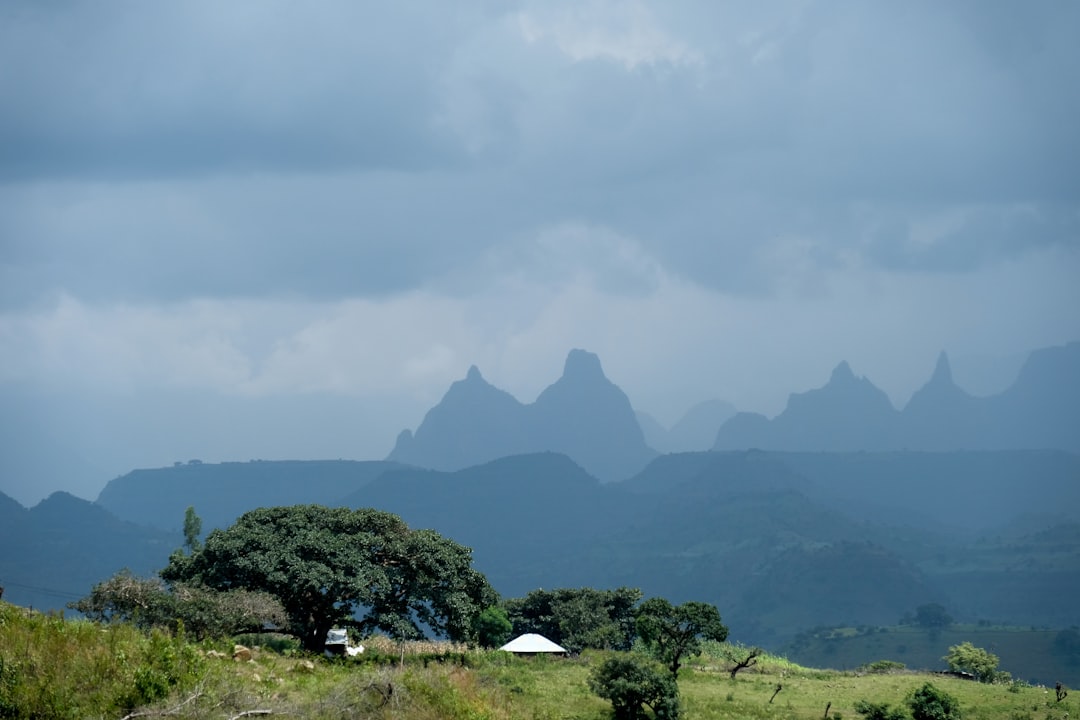
Ethiopia is not one single safari setting. The Simien Mountains offer high-altitude trekking and views of gelada baboons and Walia ibex. The Bale Mountains are known for Ethiopian wolves. Awash National Park is another wildlife destination, while the Omo Valley provides a very different lowland experience.
Altitude, heat, long drives, insects, and remote roads all affect your comfort. Therefore, ask how many hours you will spend in a vehicle each day. Also ask where you will sleep and how the operator handles illness, delays, or a vehicle problem.
Key features
Known for: Ethiopia is known for highland wildlife, rare endemic species, dramatic mountain scenery, and distinct cultural regions. A trip can include trekking, game drives, village visits, and city stays. Each activity needs different clothing, fitness, and guide support.
Best for: Ethiopia is best for travelers who enjoy nature, active routes, and a strong sense of place. It suits visitors who can manage changing road conditions and follow a guide’s instructions. Families and older travelers should discuss pace, transfers, and walking distances before booking.
Why it matters: A safe safari protects more than your health. It also protects your time, money, documents, and trust in the operator. A reliable company provides a clear plan, emergency contacts, and honest information about route limits.
Learn how to compare Ethiopia safari operators in 2026 before choosing a company. When you are ready to review options, compare Ethiopia safari packages by route, duration, and traveler reviews.
Why preparation matters
Ethiopia’s remote safari areas can have fewer services than major hotels in Addis Ababa. Reliable Wi-Fi is limited outside high-end hotels, according to practical travel guidance. Mobile SIM cards from Ethio Telecom or Safaricom can reportedly be bought at the airport with a passport.
That difference matters when you need directions, a payment update, or a family call. Download maps and booking details before leaving the city. Save your operator’s phone number in more than one place.
What Are the Nine Smart Ethiopia Safari Safety Tips?
The nine smartest safety steps are to check health risks, use malaria protection, follow your guide, choose safe transport, protect your belongings, prepare communication, respect local rules, manage activity levels, and buy suitable insurance. These steps reduce common problems without taking away from the adventure.
1. Get medical advice before you travel
Book a travel health visit before your departure. Tell the clinician which regions you plan to visit, how long you will stay, and whether you will trek in the mountains. Health needs can differ between highland routes and lowland safari parks.
Ask about routine vaccines, travel vaccines, prescriptions, allergies, and first-aid supplies. Travelers from Italy can also review the Ethiopia vaccination guide for Italian visitors in 2026. Dutch travelers can use the separate Ethiopia health rules guide for Dutch travelers.
2. Take malaria protection seriously
Malaria is reported in Ethiopia’s lowland safari areas, including Awash and the Omo Valley. Ask a qualified clinician whether you need antimalarial medicine. Source guidance advises travelers to begin prescribed medication one week before travel and follow their clinician’s instructions.
Use insect repellent containing 20–30% DEET in lowland safari areas. Wear long sleeves and trousers at dusk. Sleep under a net when your accommodation provides one. Tell your doctor about fever during or after your trip.
3. Stay with your guide near wildlife
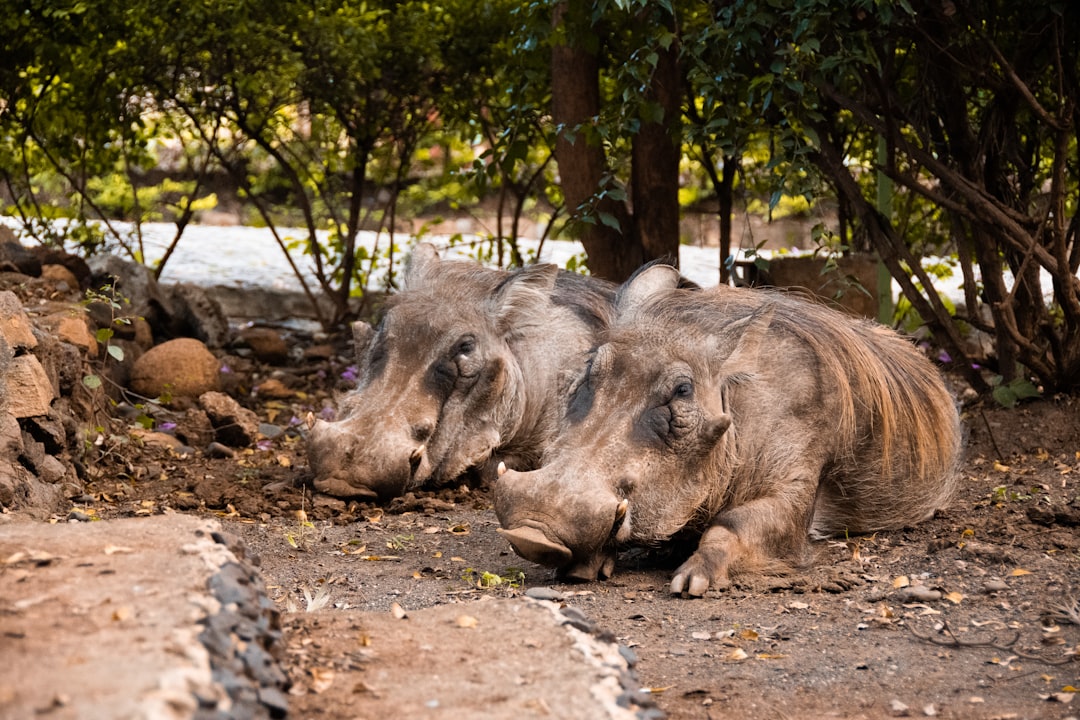
Wild animals can react quickly to sound, movement, food, and distance. Stay inside the vehicle unless your guide approves a safe stop. Never walk toward an animal for a better photograph.
Follow rules about silence, food, flash photography, and camp movement. Keep children close during walks. A guide knows animal behavior, local tracks, and safe viewing distances better than a first-time visitor.
4. Treat road travel as a major safety issue
Motor vehicle crashes are identified by the CDC as the leading cause of death for healthy U.S. citizens in foreign countries. This fact applies to travel planning beyond wildlife risks. Wear a seat belt, avoid unnecessary night driving, and ask about the vehicle before departure.
Ask whether the vehicle has working belts, spare tires, drinking water, and a working phone. Keep your day bag close during stops. Tell the operator if a driver speeds, drives while tired, or ignores safety rules.
5. Protect your documents and money
Keep your passport, visa record, insurance details, and emergency contacts in secure locations. Carry a paper copy and an encrypted digital copy. Store the originals safely when your guide advises you to do so.
Use small amounts of cash for local needs and separate backup funds. Avoid displaying large sums in busy places. Confirm what your package includes before the trip, including park fees, meals, transfers, and tips.
6. Build a communication backup
Reliable Wi-Fi is limited outside high-end hotels, so do not depend on hotel internet. Buy a local SIM when practical, and keep your passport available if the seller requests it. Charge your phone before each long drive.
Save your operator, lodge, driver, and travel insurance contacts offline. Share your route with someone at home. A power bank is useful when you spend many hours away from towns.
7. Respect local customs and restricted areas
Ask before photographing people, homes, ceremonies, or military sites. Dress with respect in villages and religious places. Your guide can explain rules that vary between communities.
Do not enter a restricted area because a view looks attractive. Follow instructions during protests, road blocks, or changes in local access. A flexible itinerary is safer than forcing a route that local staff have closed.
8. Match activities to your fitness
Highland trekking can require more effort than a vehicle safari. Simien and Bale routes may include steep paths, cold nights, and long walking days. Tell your operator about your fitness, medical needs, and preferred pace.
Drink water often and take breaks before you feel exhausted. Wear sturdy shoes on uneven ground. Pack layers because highland temperatures can differ sharply from lowland conditions.
9. Buy travel insurance with useful cover
Travel insurance should cover medical care, emergency transport, trip delays, and cancellation risks that match your plans. Confirm that trekking, remote areas, and vehicle transfers are included. Keep the policy number offline.
Insurance does not replace good judgment. It supports your plan when a delay, illness, or lost bag changes the trip. Ask your operator which hospitals and emergency providers serve your route.
How Should You Plan a Safer Ethiopia Safari?
A safer Ethiopia safari starts with a route review, a health plan, and a verified operator. Begin with the region you want to visit. Then check travel time, road conditions, activity level, communications, and seasonal weather. Finally, request a written itinerary with emergency contacts and clear inclusions.
Choose the route carefully
Simien Mountains are best known for gelada baboons and Walia ibex. Bale Mountains are associated with Ethiopian wolves. Awash is another wildlife destination and includes lowland health considerations such as malaria risk.
Do not choose a route only because it sounds remote. Remote travel can mean longer transfers and fewer services. Compare the route with your health needs, phone access, and comfort with basic accommodation.
Use a route guide before making a decision. The article Ethiopia safari itineraries for first-time visitors can help you compare different travel styles. You can also read about the best time for an Ethiopia safari in 2026.
Check the operator before booking
Ask these questions before you pay:
- Who will guide and drive the trip?
- What happens if a vehicle breaks down?
- Which medical support is available on the route?
- Are park fees, meals, and transfers included?
- How does the operator handle route changes?
- Can you read verified reviews from past travelers?
SafariFind helps you compare verified tour operators and authentic traveler reviews. Request a quote that lists the full route and all major costs. Request an Ethiopia safari quote from verified operators with review records and compare the answers, not just the headline price.
Prepare your personal safety kit
Pack light, but prepare for delays. Your day bag should include:
- Prescription medicine and a basic first-aid kit.
- Insect repellent with 20–30% DEET for lowland routes.
- Sun protection, a refillable water bottle, and lip balm.
- Layers and a warm jacket for highland evenings.
- Closed shoes, a torch, and a power bank.
- Passport copies, insurance details, and emergency contacts.
Keep prescription medicine in its original packaging. Carry key items in your hand luggage. A lost checked bag should not leave you without medicine or documents.
What Should You Do During an Ethiopia Safari?
During an Ethiopia safari, follow the guide, stay alert, and keep your daily plan simple. Eat and drink regularly, protect yourself from insects and sun, and report problems early. Small actions matter more than dramatic safety measures when you travel through remote areas.
Use a daily safety routine
Check your water, phone charge, medicine, and camera before each departure. Confirm the day’s route and return time. Ask where the vehicle will stop and whether you can walk there safely.
Keep windows and doors closed when your guide requests it. Do not feed wildlife. Avoid loud music and sudden movement near animals. These rules protect you, your group, and the animals.
Stay healthy on long travel days
Drink clean water and wash your hands before meals. Carry snacks that suit your diet. Tell your guide quickly if you feel sick, dizzy, or unusually tired.
Heat, altitude, and long drives can combine. Take breaks and avoid pushing through serious symptoms. Your operator should know the nearest suitable medical point for the route.
Stay calm when plans change
Road delays, weather, vehicle issues, or local events can change an itinerary. A good operator explains the reason and offers a safe alternative. Do not pressure a driver to continue when local staff advise a delay.
Keep your family or travel partner updated when the signal allows. Use offline maps and written details when mobile data fails. Practical flexibility often makes a trip safer and more enjoyable.
Use respectful photography
Ask for permission before taking a person’s photograph. Never block a path or approach wildlife for a close image. Follow guide instructions about camera flashes and vehicle positioning.
Respectful behavior builds trust with communities and protects the value of responsible tourism. It also helps you enjoy the moment instead of watching every scene through a screen.
Key Takeaways
- Ask a clinician about malaria medicine before visiting lowland areas such as Awash or the Omo Valley. Follow prescribed instructions, including advice to start one week before travel.
- Pack 20–30% DEET insect repellent for lowland Ethiopia safari routes. Combine repellent with long clothing and safe sleeping arrangements.
- Choose a guide-led itinerary in the Simien, Bale, or Awash regions. Local guidance improves decisions around wildlife, roads, and route changes.
- Check vehicle safety before every long transfer. Use seat belts and avoid unnecessary night driving because road crashes are a major travel risk.
- Save offline contacts and buy a local SIM when practical. Wi-Fi remains limited outside high-end hotels, so backup communication matters.
Frequently Asked Questions
Is Ethiopia safe for a safari in 2026?
Ethiopia is generally safe for a safari in 2026 when travelers prepare carefully and follow local guidance. Use a reliable operator, stay with your guide, plan for road conditions, and check health advice before visiting lowland or highland areas.
Do I need malaria medicine for an Ethiopia safari?
Malaria medicine may be needed for Ethiopia’s lowland safari areas, including Awash and the Omo Valley. Ask a clinician about your route, and follow the prescribed schedule. Current guidance advises starting prescribed antimalarial medication one week before travel.
What insect repellent should I use in Ethiopia?
Use insect repellent containing 20–30% DEET in Ethiopia’s lowland safari areas. Apply it as directed, wear long sleeves and trousers, and use a mosquito net when your accommodation provides one.
Is road travel dangerous during an Ethiopia safari?
Road travel deserves serious attention during an Ethiopia safari. Wear a seat belt, avoid unnecessary night driving, and choose an operator with safe vehicles and trained drivers. The CDC identifies motor vehicle crashes as the leading cause of death for healthy U.S. citizens abroad.
Can I use my phone during an Ethiopia safari?
Phone access varies by region, and reliable Wi-Fi is limited outside high-end hotels. Travelers can reportedly buy Ethio Telecom or Safaricom SIM cards at the airport with a passport. Save contacts offline and carry a power bank.
Which Ethiopian safari areas are best for wildlife?
The Simien Mountains are known for gelada baboons and Walia ibex. The Bale Mountains are noted for Ethiopian wolves, while Awash National Park is another wildlife destination. Your best choice depends on fitness, route length, and interest in trekking or game viewing.
How can SafariFind help me book an Ethiopia safari?
SafariFind connects travelers with verified tour operators, safari packages, and authentic reviews. Compare routes, request quotes, check included services, and read past traveler feedback before booking your 2026 Ethiopia safari.
Conclusion: Plan Your Ethiopia Safari With Care
Ethiopia safari safety in 2026 depends on preparation, trusted local support, and sensible daily choices. Protect yourself from malaria in lowland areas, use 20–30% DEET repellent, and follow your clinician’s instructions. Choose a guide-led route for the Simien Mountains, Bale Mountains, or Awash National Park.
Road safety deserves equal attention. Wear a seat belt, limit night driving, and ask clear questions about vehicles and emergency plans. Since Wi-Fi may be limited outside high-end hotels, keep contacts, maps, and booking records offline.
Start by matching your route to your fitness, health, and comfort level. Then compare operator experience, reviews, support, and total inclusions. Compare verified Ethiopia safari packages for your 2026 travel dates and request quotes from suitable operators.
SafariFind makes it easier to compare tour operators and read authentic reviews before you commit. A careful choice today can lead to a safer, richer journey through Ethiopia in 2026.
Plan Your Safari with SafariFind
These recommendations use real data from SafariFind, where you can compare operators, browse packages, and read verified traveler reviews before you book.
Recommended Safari Operators from SafariFind
Recommended Safari Packages from SafariFind
What Travelers Say (SafariFind Reviews)
References
- CDC, Kenya Traveler View: Travelers’ Health
- Conservation Travel Africa, Is it safe to travel to Africa in 2026?
- Safari Ideal, Why Choose Ethiopia for Wildlife Safaris in 2026?
- Lucy Ethiopia Tours, Ethiopia Travel Practical Information
- Burigi Chato Safaris, How Dangerous Is a Safari?
- Aman Ethiopia Tours, Ethiopia Travel: Discover Wonders and Tips for 2026
- SafariFind, Ethiopia Safari July 2026: Pricing & Wildlife
- African Budget Safaris, Safari Safety Tips: How to Stay Safe on an African Safari

 Ask Tembo about this guide