How Much Does a Safari in South Africa Cost? 2027 Budget Guide
South Africa safari costs $150–$2,000+ daily in 2027. Compare budget, mid-range, and luxury options. Book 3–6 months ahead to save 15–20% on peak season rates.

South Africa Safari Cost Guide 2027
Last updated: August 2026
A South Africa safari costs $150–$2,000+ per person daily in 2027, depending on comfort level. Budget safaris run $150–$350 per day, mid-range $350–$650, and luxury $1,000–$1,700+. Book 3–6 months ahead to save money and secure your spot at top reserves.
At a Glance
- Daily cost: $150–$2,000+ per person (2027)
- Budget option: $150–$350 per day
- Mid-range option: $350–$650 per day
- Luxury option: $1,000–$1,700+ per day
- Best time to visit: May–September (dry season, peak wildlife viewing)
- Recommended duration: 5–7 days minimum
- Best for: Big Five viewing, walking safaris, bird watching
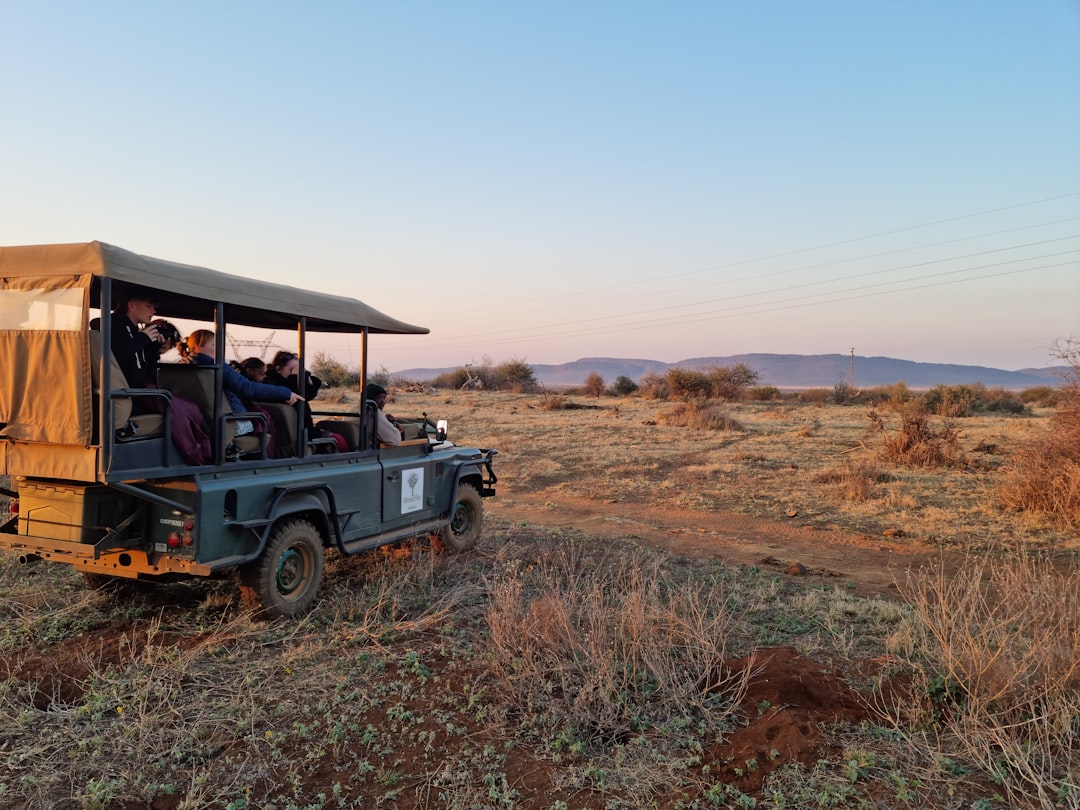
Introduction: Understanding South Africa Safari Costs
South Africa safari costs vary widely based on lodging quality, activities, and trip length. In 2027, daily rates range from $150 for budget travelers to $2,000+ for luxury experiences. The country offers excellent value compared to other African destinations, with world-class game reserves and flexible pricing options.
South Africa is one of Africa's most affordable safari destinations, yet many travelers overpay by booking without comparing options. The good news? You can find quality wildlife experiences at almost any budget level. Whether you want a basic 3-day Kruger National Park trip or a luxury multi-lodge journey, South Africa delivers.
This guide breaks down exactly what you'll pay for accommodation, activities, meals, and transport. You'll learn which reserves offer the best value, when to visit for savings, and how to avoid hidden costs. By the end, you'll know how to budget smartly for your South Africa safari in 2027.
What Does a South Africa Safari Cost? Price Breakdown by Comfort Level
South Africa safari pricing divides into three main tiers based on accommodation and service quality. Each tier offers genuine value—it's about choosing what fits your budget and preferences.
Budget Safaris: $150–$350 Per Day
Budget safaris cost $150–$350 per person daily in 2027, offering excellent wildlife viewing at economy prices without luxury amenities. These packages typically include basic lodge rooms, shared game drives, and simple meals. You'll see the same animals as luxury guests but stay in simpler accommodations.
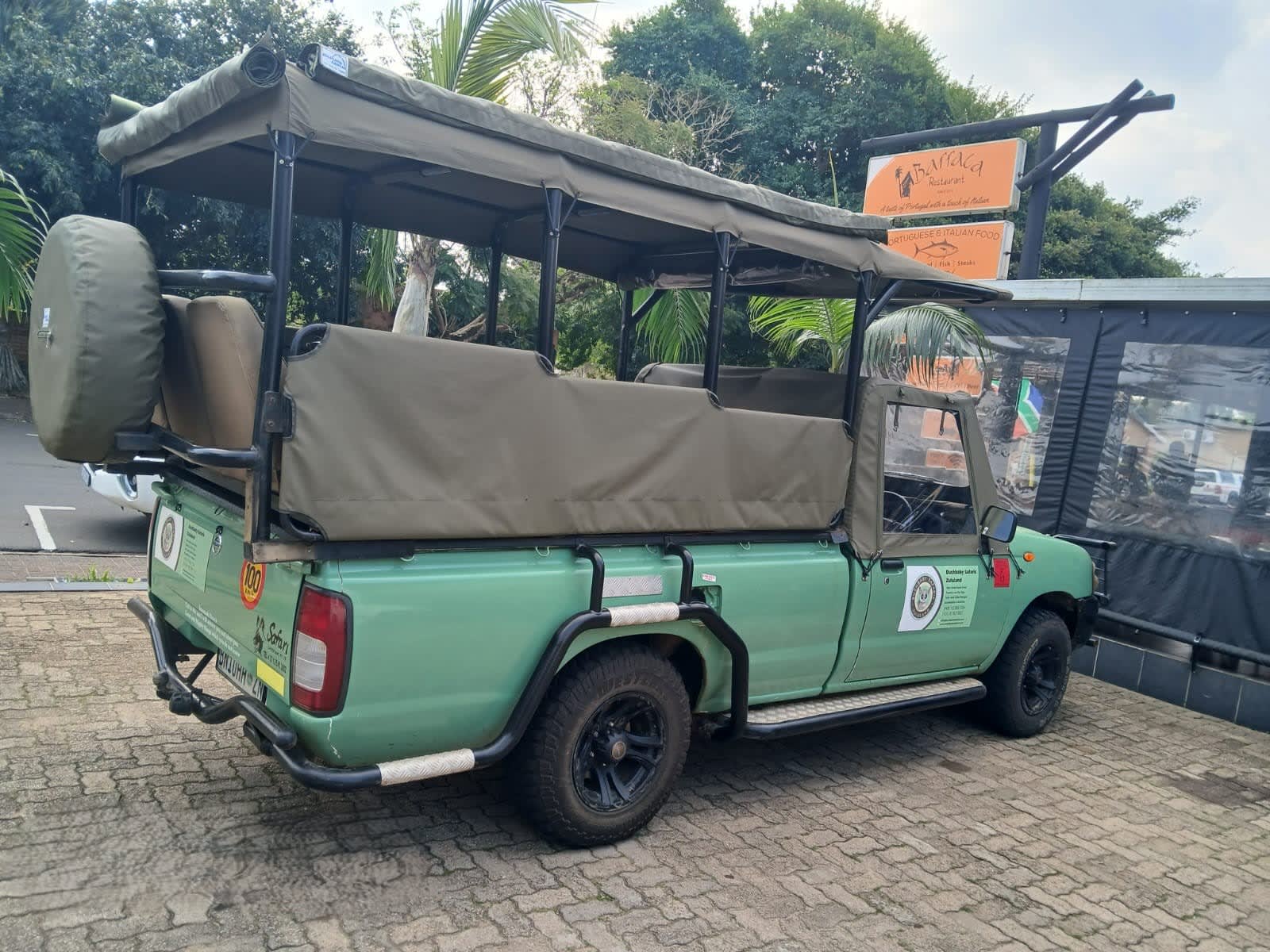
Budget lodges use shared safari vehicles with up to 8 passengers per drive. Rooms feature basic furnishings, shared or private bathrooms, and limited air conditioning. Meals are simple but filling—breakfast, packed lunch, and dinner at the lodge. Many budget operations still offer 2–3 game drives daily and knowledgeable guides.
Popular budget reserves include Hluhluwe-iMfolozi Game Reserve and community-run operations near Kruger National Park. A 3-day budget safari at Kruger starts around $555 total, or roughly $185 per day.
Mid-Range Safaris: $350–$650 Per Day
Mid-range safaris cost between $350–$650 per day and represent the best value for most travelers, balancing comfort with quality experiences. These packages offer comfortable lodge rooms, better meals, and smaller vehicle groups (4–6 passengers). You get attentive service without the ultra-luxury price tag.
Mid-range lodges feature private rooms with ensuite bathrooms, fans or air conditioning, and pleasant decor. Dining improves significantly—expect varied menus, quality ingredients, and afternoon tea service. Guides are experienced and often specialize in specific interests like bird watching or photography.
This tier includes many well-regarded private reserves like Phinda Private Game Reserve, which offers mid-range packages starting around $450–$550 per day. Most travelers find mid-range delivers the best experience-to-cost ratio.
Luxury Safaris: $1,000–$1,700+ Per Day
Luxury safaris cost $1,000–$1,700+ daily, featuring five-star lodges, gourmet meals, and personalized service. These experiences include private or semi-private game drives, fine dining with wine pairings, and exclusive access to certain areas. You're paying for comfort, privacy, and premium guiding.
Luxury lodges offer spacious suites with premium furnishings, spa facilities, heated plunge pools, and fine art. Every meal is a culinary event with professional chefs. Guides often include specialists—wildlife photographers, researchers, or naturalists. Many luxury lodges limit guest numbers to 12–20 to maintain exclusivity.
Top luxury reserves include high-end operations within and near Kruger and private concessions. These represent the pinnacle of safari comfort but remain optional—most travelers find mid-range delivers 80% of the experience at 40% of the cost.
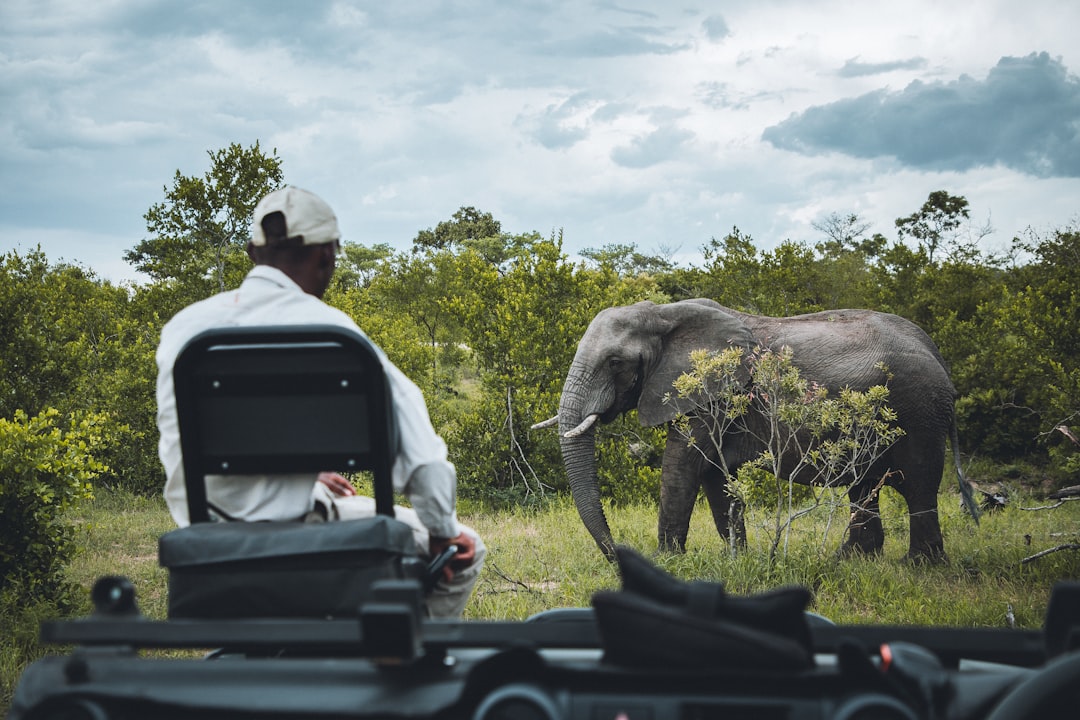
Which Part of South Africa Is Best for Safari? Top Destinations Compared
South Africa offers diverse safari experiences across different regions. Each destination has distinct wildlife, price ranges, and best seasons. Choosing the right reserve significantly impacts your total cost and experience quality.
Kruger National Park: Best for Big Five and Budget Options
Kruger National Park is South Africa's largest reserve and offers the widest price range. Daily rates run $185–$563 depending on accommodation. A basic 3-day Kruger experience starts at $555 total, while premium 5-day packages reach $2,500+. Kruger guarantees Big Five sightings and attracts over 300,000 visitors annually—which means availability but also crowds.
Budget lodges within Kruger operate through SANParks (South Africa National Parks). These government-run rest camps offer rock-bottom prices: $50–$150 per room nightly, plus $40–$60 for game drives. Mid-range private lodges on Kruger's borders charge $400–$700 daily. Luxury concessions within Kruger run $1,200–$2,000+.
Best time to visit is May–September (dry season) when wildlife congregates near water sources. Read our detailed guide on Kruger National Park safari costs 2027 for specific package comparisons.
Phinda Private Game Reserve: Best for Walking Safaris and Personalized Service
Phinda Private Game Reserve specializes in walking safaris and offers mid-to-luxury packages from $450–$1,200 daily. The reserve covers 23,000 hectares in northern KwaZulu-Natal and features diverse ecosystems—forests, grasslands, and wetlands. Wildlife includes Big Five, wild dogs, and rare antelope species.
Phinda's walking safaris are guided by expert trackers who teach you to read animal signs and behavior. This interactive experience costs more than vehicle drives but delivers deeper learning. Day rates include all meals, twice-daily activities (walk and drive), and premium guiding. The reserve limits guest numbers to maintain quality, so book 4–6 months ahead.
Learn more about pricing and booking in our guide to Phinda walking safaris 2027.
Hluhluwe-iMfolozi Game Reserve: Best for Budget Wildlife Viewing
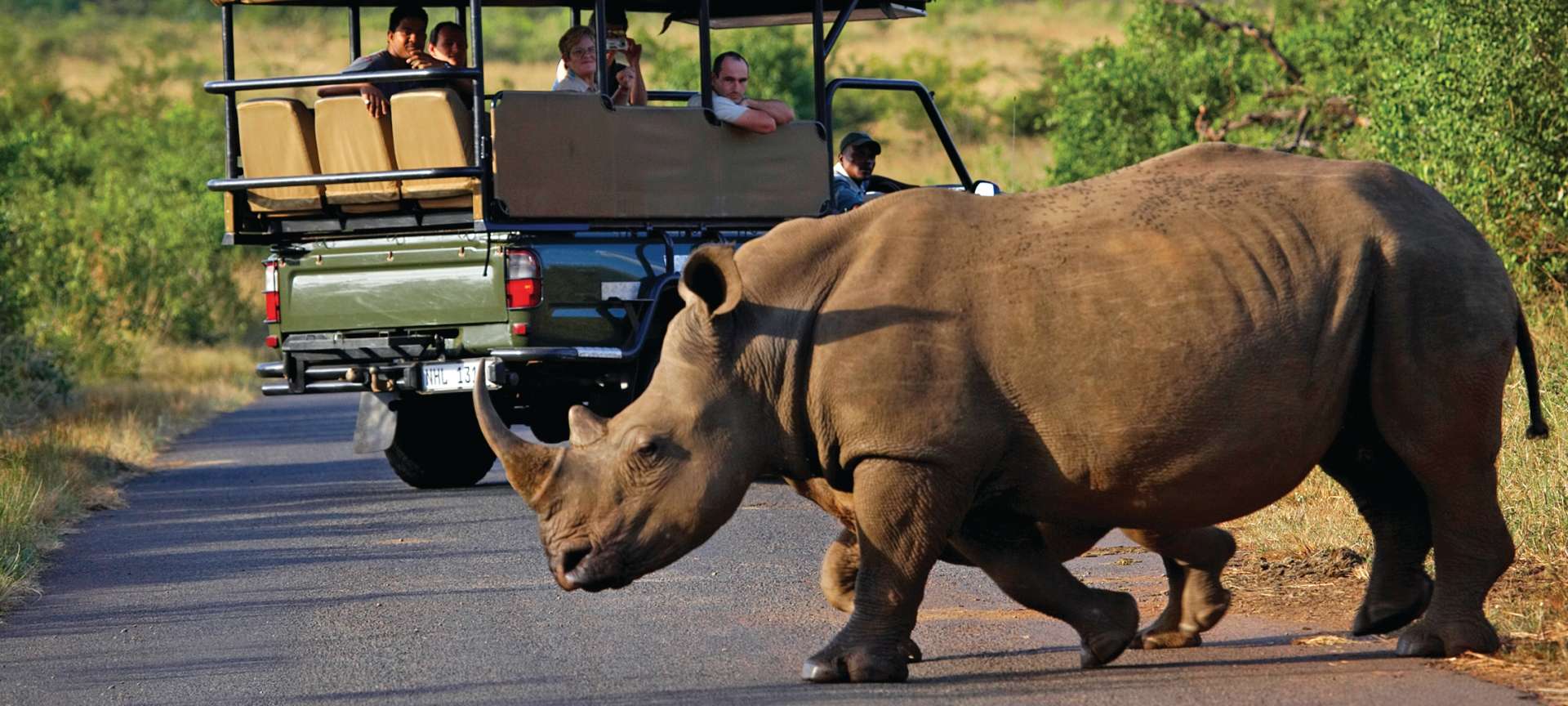
Hluhluwe-iMfolozi Game Reserve offers exceptional value in northern KwaZulu-Natal. Daily costs range $150–$300 for mid-range lodges, making it one of South Africa's most affordable reserves. The reserve has over 1,300 animal species and excellent rhino viewing.
Government-run rest camps cost $60–$150 per room, plus $35–$50 for guided drives. Private mid-range lodges run $200–$350 daily all-inclusive. Unlike Kruger, Hluhluwe sees fewer visitors, meaning less crowded game drives and more intimate wildlife encounters. The reserve recently expanded its walking safari program, adding another experience option.
Tembe Elephant Park: Best for Elephant and Bird Watching
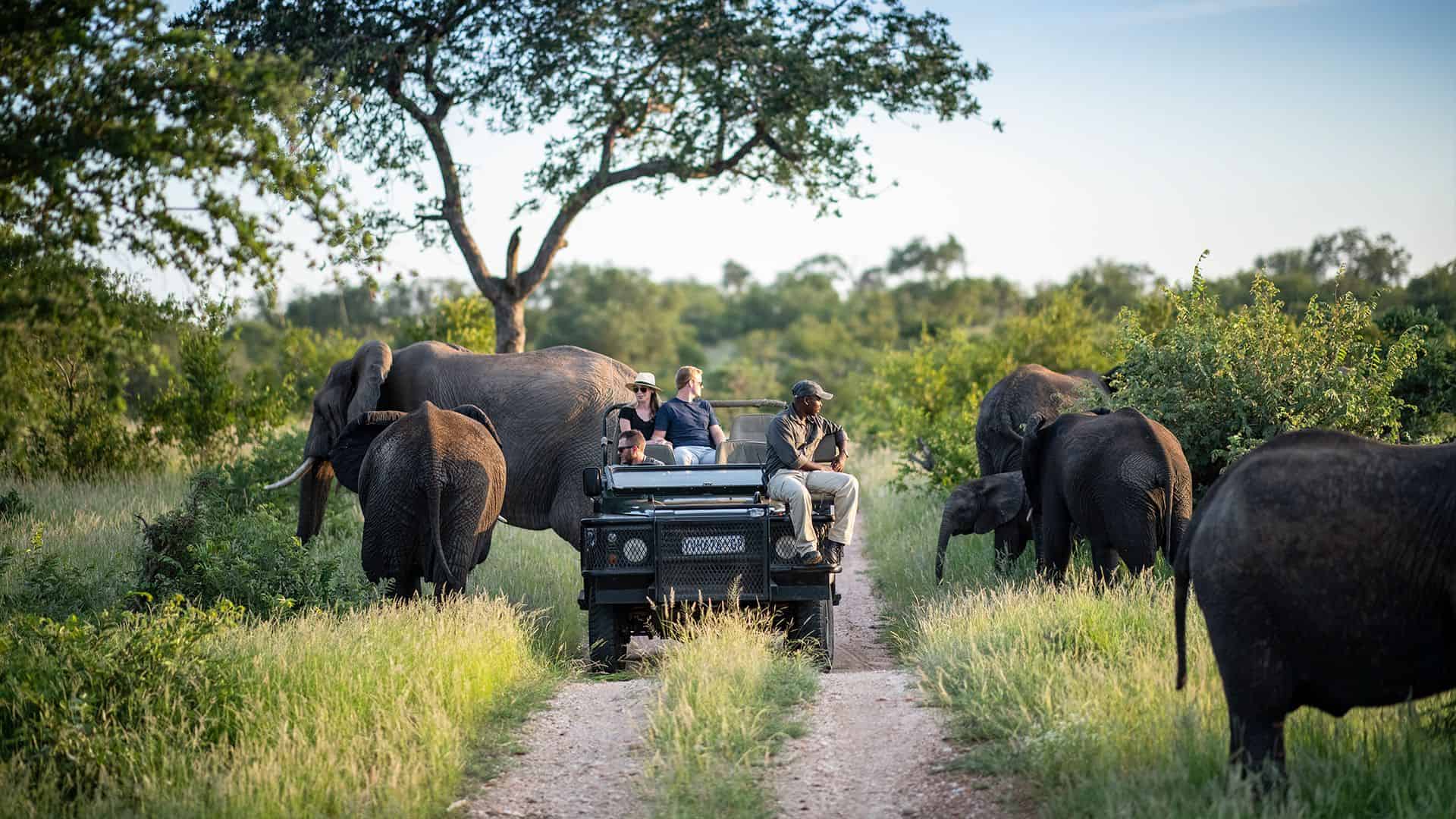
Tembe Elephant Park in far northern KwaZulu-Natal specializes in elephant viewing and bird watching. Daily rates are $200–$400, making it budget-friendly while still offering quality. The park protects over 300 elephants and 500+ bird species. It's less touristy than Kruger, giving you a quieter safari experience.
Tembe's small lodge capacity (under 50 guests) means you book well ahead but enjoy uncrowded game drives. The park requires special permits and has limited vehicle access to protect the ecosystem. This exclusivity adds cost but ensures pristine wildlife experiences. Best visit May–September.
Mapungubwe National Park: Best for Scenic Beauty and Budget Safaris
Mapungubwe National Park sits where South Africa, Botswana, and Zimbabwe meet. Daily costs run $180–$350, offering budget-friendly safaris with stunning landscapes. The park features elephants, buffalo, and diverse birdlife against a backdrop of dramatic cliffs and the Limpopo River.
Mapungubwe attracts fewer international tourists than Kruger, meaning lower prices and less crowding. Government rest camps cost $70–$140 nightly. Private mid-range lodges run $250–$350 all-inclusive. The park's remote location keeps it uncrowded, perfect if you want solitude with wildlife.
What Costs Are Included in Safari Packages?
Safari package costs typically cover lodging, meals, and guided activities. However, what's included varies widely. Understanding inclusions prevents budget surprises and helps you compare packages fairly.
Accommodation Costs
Accommodation is the largest share of your safari budget. Safari lodges operate in remote areas and maintain high staff-to-guest ratios, driving up costs. Budget lodges charge $50–$150 per room nightly. Mid-range lodges run $150–$350 nightly. Luxury lodges cost $400–$800+ nightly.
Room costs include furnishings, electricity, water, and housekeeping. Budget rooms are simple but clean. Mid-range rooms add comfort—better bedding, private bathrooms, small sitting areas. Luxury rooms rival five-star hotels with premium linens, artwork, and amenities like spa access.
Game Drives and Activities
Most packages include 2–3 guided game drives daily (usually early morning and late afternoon). A typical drive lasts 3–4 hours in an open or partially open vehicle. Guides are trained to locate wildlife and explain animal behavior. Game drive costs average $40–$80 per person per drive at budget lodges, $60–$120 at mid-range, and $100–$200+ at luxury lodges.
Walking safaris cost extra at some reserves. Budget lodges may offer 1–2 walks weekly for $30–$50. Mid-range and luxury lodges include walks in their daily rate. Specialty activities like bird watching tours, photography workshops, or night drives add $50–$150 per activity.
Meals and Beverages
Most packages include breakfast, lunch, and dinner. Budget lodges serve simple, filling meals—eggs and toast for breakfast, sandwiches for lunch, basic stews for dinner. Mid-range lodges offer varied menus with quality proteins and fresh vegetables. Luxury lodges provide fine dining with multiple courses and wine pairings.
Alcohol is often not included. Budget and mid-range packages typically charge $5–$15 per drink. Luxury packages often include premium beverages. Afternoon tea, coffee, and snacks are usually complimentary at mid-range and above.
Park Entrance Fees
Some packages bundle park entrance fees; others charge separately. Kruger National Park costs $15–$25 per person daily. Smaller reserves charge $10–$20. Private reserves (Phinda, Tembe) include fees in their rates. Always confirm whether your package quote includes park fees.
Transportation
Most packages include transport between your lodge and the airstrip or town. However, international flights and transport from major cities (Johannesburg, Cape Town, Durban) are typically not included. Budget $200–$500 for domestic flights to safari regions. Ground transport from towns to lodges costs $50–$150 per person depending on distance.
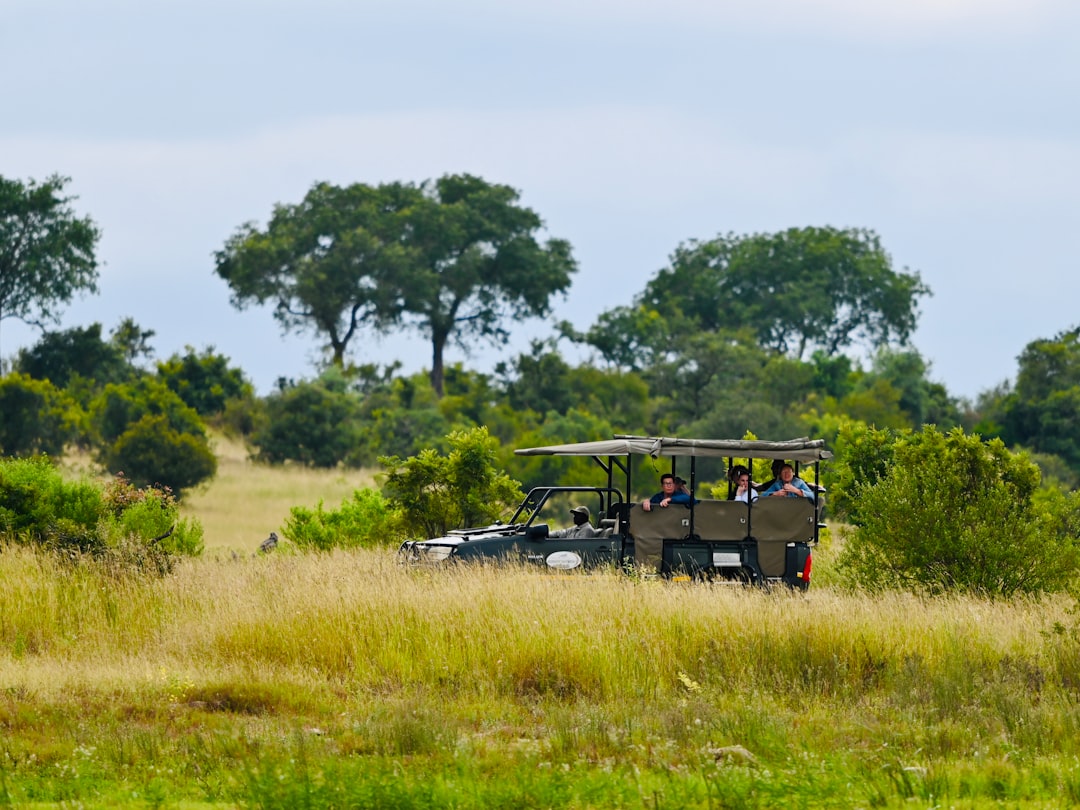
How to Budget for a South Africa Safari: Practical Cost Planning
Creating a realistic safari budget requires adding up lodging, activities, transport, and contingencies. Here's how to plan financially without overspending or undershooting.
Sample 5-Day Budget Breakdown (2027 Pricing)
Budget Safari Total: $900–$1,400 per person
- Lodging: 4 nights × $75–$100 = $300–$400
- Game drives: 8 drives × $40 = $320
- Meals (not always included): $200–$300
- Park fees: $75–$100
- Transport to/from lodge: $50–$150
- Tips and extras: $100–$150
Mid-Range Safari Total: $1,750–$3,000 per person
- All-inclusive lodging: 4 nights × $400–$500 = $1,600–$2,000
- Activities included in rate
- Most meals included
- Park fees included
- Transport to/from lodge: $100–$400
- Alcohol and tips: $150–$300
Luxury Safari Total: $4,000–$7,000+ per person
- All-inclusive lodging: 4 nights × $1,000–$1,500+ = $4,000–$6,000+
- All activities and meals included
- Premium beverages included
- Private transport often included
- Tips (optional but expected): $200–$400
Hidden Costs to Plan For
Travel insurance costs $50–$200 depending on coverage. Visa fees for South Africa are $0 (most nationalities enter visa-free). Vaccinations (yellow fever, malaria prophylaxis) cost $100–$300. Travel to the airport and parking add $50–$200. Souvenirs and extra meals outside your package run $100–$500.
Many travelers budget an extra 15–20% for unexpected expenses. This covers activity upgrades, additional drinks, or emergency purchases. Building this buffer prevents financial stress during your trip.
How to Save Money on Your South Africa Safari
Book 3–6 months in advance to access early-bird discounts of 10–20%. Many lodges offer rate reductions for bookings made 6+ months ahead. Traveling during shoulder season (April–May or September–October) saves 15–25% compared to peak season (June–August).
Combine multiple travelers to negotiate group discounts. Most lodges offer 10–15% discounts for groups of 4+. Staying longer typically reduces your daily cost—7-day packages often cost $50–$100 less per day than 3-day packages.
Choose mid-range over luxury if you're flexible. Mid-range safaris deliver 80% of the experience at 40–50% of luxury costs. Compare all-inclusive packages to per-activity pricing; all-inclusive usually saves money and prevents bill shock.
Explore verified safari packages on SafariFind to compare operators and pricing transparently. Many tour operators offer exclusive deals for SafariFind users.
Best Time to Visit South Africa: Seasonal Pricing Variations
South Africa's seasons dramatically affect both wildlife viewing quality and pricing. Booking during the right season saves money while improving your chances of seeing animals.
Peak Season (June–August): Higher Prices, Excellent Wildlife
Peak season runs June–August during the Southern Hemisphere winter. Prices increase 20–40% above shoulder season rates. Expect crowds at popular reserves, especially Kruger. However, wildlife viewing is exceptional—animals congregate near water sources, and dry conditions make spotting easier.
Peak season is best for seeing the Big Five and large herds. If Big Five viewing is your priority, peak season delivers. Budget an extra $200–$400 per person for peak season rates compared to shoulder season.
Shoulder Season (April–May, September–October): Best Value
Shoulder season offers the best balance of price and wildlife. Rates are 15–25% lower than peak season. Wildlife viewing remains excellent—animals still concentrate near water sources. Crowds are manageable, giving you more intimate game drive experiences.
September–October is slightly busier and warmer than April–May, but still less crowded than June–August. Both shoulder periods are ideal for budget and mid-range travelers. Many experts recommend September–October as the optimal time to visit.
Green Season (November–March): Lowest Prices, Lush Landscapes
Green season (November–March) is the Southern Hemisphere summer. Rates drop 20–40% below peak season. The landscape turns lush and green. However, wildlife viewing is tougher—animals spread out across abundant vegetation and water sources. You'll still see wildlife, just less consistently.
Green season is ideal for budget travelers and bird watchers. Migratory birds arrive, making this prime bird-watching season. Temperatures climb to 85–95°F, and afternoon rains are common. Green season suits travelers flexible on wildlife viewing and focused on cost savings.
The Kruger safari guide details seasonal variations specific to that reserve.
Booking Your South Africa Safari: Where to Find the Best Deals
Booking through the right channels significantly impacts your final price. Direct bookings, travel agents, and online marketplaces each offer different advantages and pricing.
Direct Bookings with Lodges
Booking directly with lodges sometimes offers the lowest rates, especially for longer stays or group bookings. Many lodges waive booking fees and offer flexible cancellation for direct bookings. However, you must research each lodge individually and compare manually.
Direct bookings work best if you've chosen your specific lodge and want to negotiate. Lodges are often willing to offer discounts for direct bookings of 7+ days.
Online Booking Platforms
SafariFind and similar platforms let you compare multiple operators and packages side-by-side. This transparency helps you spot the best value quickly. Read authentic reviews from past travelers to avoid poor operators. Many platforms offer price guarantees—if you find a lower price elsewhere, they'll match it.
Browse South Africa safari packages on SafariFind and filter by budget, destination, and duration. Request quotes from multiple verified operators to compare pricing and service quality.
Travel Agents
Travel agents specializing in African safaris can negotiate group discounts and access exclusive deals. They handle all logistics—flights, transfers, visas—in one place. However, agents charge commissions (typically 10–15%) that you may pay through higher quoted prices. Use agents if you want hands-off planning; use platforms if you want transparent pricing.
Key Takeaways
- Budget $150–$350 daily for budget safaris in 2027, offering excellent Big Five viewing without luxury amenities. These packages include basic lodging, shared game drives, and simple meals.
- Choose mid-range safaris ($350–$650 daily) for the best value, balancing comfort and cost. Most travelers find mid-range delivers 80% of luxury experience at 40% of the price.
- Book 3–6 months ahead to save 15–20% on peak season rates and secure availability at top reserves like Kruger and Phinda.
- Visit September–October (shoulder season) for lower prices and excellent wildlife viewing with fewer crowds than peak June–August period.
- Compare verified operators on SafariFind to find transparent pricing, authentic reviews, and exclusive deals from multiple tour companies in one place.
Frequently Asked Questions
How much does it cost for a safari in South Africa?
South Africa safari costs range from $150–$2,000+ per person daily in 2027, depending on comfort level. Budget safaris cost $150–$350 daily with basic lodging and shared activities. Mid-range safaris run $350–$650 daily, offering comfortable rooms and quality guiding. Luxury safaris cost $1,000–$1,700+ daily with five-star lodges and private experiences. A typical 5-day budget safari costs $900–$1,400 per person total; mid-range costs $1,750–$3,000.
Which part of South Africa is best for safari?
Kruger National Park is best for Big Five viewing and budget options, with daily rates from $185–$563. Phinda Private Game Reserve specializes in walking safaris ($450–$1,200 daily). Hluhluwe-iMfolozi offers the best budget value ($150–$300 daily). Tembe Elephant Park specializes in elephant and bird watching ($200–$400 daily). Choose based on your priorities: affordability, walking safaris, or specific wildlife.
What is included in a South Africa safari package?
Most safari packages include accommodation, meals, and guided game drives. Budget packages may not include all meals or park entrance fees—confirm before booking. Mid-range and luxury packages typically include lodging, all meals, 2–3 daily game drives, and park fees. Alcohol, tips, and specialty activities (bird watching tours, photography workshops) usually cost extra. International flights and transport from major cities are rarely included. Always verify exactly what your quote covers to avoid surprises.
When is the best time to visit South Africa for safari?
The best time to visit is May–September (dry season), when wildlife congregates near water sources for excellent viewing. June–August is peak season with highest prices (20–40% above shoulder season). September–October is ideal—excellent wildlife viewing with 15–25% lower prices and fewer crowds. April–May offers similar advantages with slightly cooler temperatures. November–March (green season) has the lowest prices but tougher wildlife viewing as animals spread out.
How far in advance should I book a South Africa safari?
Book 3–6 months in advance to access early-bird discounts of 10–20% and secure availability at popular reserves. Booking 6+ months ahead often unlocks additional savings. Peak season (June–August) books up quickly—aim for 4–6 months ahead if visiting then. Shoulder season (April–May, September–October) is more flexible—3 months ahead is usually sufficient. Last-minute bookings (within 4 weeks) rarely offer discounts unless there are cancellations.
Can I find a South Africa safari under $2,000 for 5 days?
Yes, absolutely. A 5-day budget safari costs $900–$1,400 per person, well under $2,000. Budget lodges run $75–$100 nightly, game drives cost $40 each, and basic meals add another $50–$75 daily. Mid-range safaris cost $1,750–$3,000 for 5 days, still under $2,000 for the lower end. To stay under $2,000, choose budget or lower mid-range lodges, visit shoulder season (April–May, September–October), book 3–6 months ahead, and avoid premium activities. Compare verified safari packages on SafariFind to find operators offering 5-day packages under your budget.
What hidden costs should I budget for on a South Africa safari?
Plan for travel insurance ($50–$200), vaccinations and malaria prophylaxis ($100–$300), visas (usually free for U.S./EU citizens), and transport to the airport ($50–$200). Alcohol, tips, and specialty activities add $150–$300. Souvenirs and extra meals outside your package run $100–$500. Many travelers budget an extra 15–20% for unexpected expenses. Building this buffer prevents financial stress and lets you enjoy spontaneous activities without worry.
Conclusion: Plan Your South Africa Safari Budget Today
South Africa offers world-class safari experiences at every price point in 2027. Budget safaris deliver genuine Big Five viewing and wildlife encounters without luxury amenities. Mid-range safaris provide the best value for most travelers, balancing comfort and cost. Luxury safaris offer five-star exclusivity for those prioritizing ultimate comfort.
The key to smart safari budgeting is booking in advance, choosing the right season, and comparing operators transparently. A 5-day mid-range safari costs $1,750–$3,000 per person—excellent value for African wildlife experiences. Visit during shoulder season (September–October) to save 15–25% while enjoying excellent game viewing and manageable crowds.
Compare verified safari packages on SafariFind to see real pricing from multiple operators, read authentic reviews from past travelers, and request quotes that match your budget. SafariFind connects you with vetted tour operators offering transparent pricing and quality service. Start planning your South Africa safari today—your adventure awaits in 2027.
Plan Your Safari with SafariFind
These recommendations use real data from SafariFind, where you can compare operators, browse packages, and read verified traveler reviews before you book.
Recommended Safari Operators from SafariFind
Recommended Safari Packages from SafariFind
What Travelers Say (SafariFind Reviews)
References
- South Africa Safari Cost 2027: Complete Price Breakdown | SafariFind
- African Safari Cost Guide 2027: What to Expect
- How much does a safari cost? Price guide for 2027 & 2028
- Luxury African Safari Price Guide (2027)
- 10 Best Safari Tours in South Africa 2026/2027 - TourRadar
V2Ui.sources
Related to
Ready to start your safari adventure?
Explore curated safari packages and find your perfect African adventure with verified operators.