How Safari Tourism Funds Conservation in Uganda (2026)
Safari tourism supports Uganda’s conservation system through park revenues, ranger operations, community benefits and private-sector partnerships. However, Uganda’s reliance on tourism also leaves protected areas vulnerable when visitor income falls, making diversified funding essential.[10]

Last reviewed August 2026. Conservation data changes — see the cited sources for the latest figures.
Quick answer: how does safari tourism fund conservation in Uganda?
Safari tourism funds conservation in Uganda through protected-area tourism revenue, support for ranger operations and infrastructure, community initiatives, and partnerships that connect tourism with wildlife protection. Uganda Wildlife Authority (UWA) explicitly links conservation with tourism development, community involvement and sustainable national development.
The model produces real conservation benefits, but it is not financially secure on its own. Uganda remains vulnerable because conservation funding is limited and heavily dependent on tourism; international tourism disruption during COVID-19 caused a reported 95% drop in funds available to parks. In 2026, the strongest approach is therefore a mixed model combining visitor income, government resources, grants, philanthropy, technology partnerships and community-based conservation.
Why safari tourism matters to Uganda’s conservation
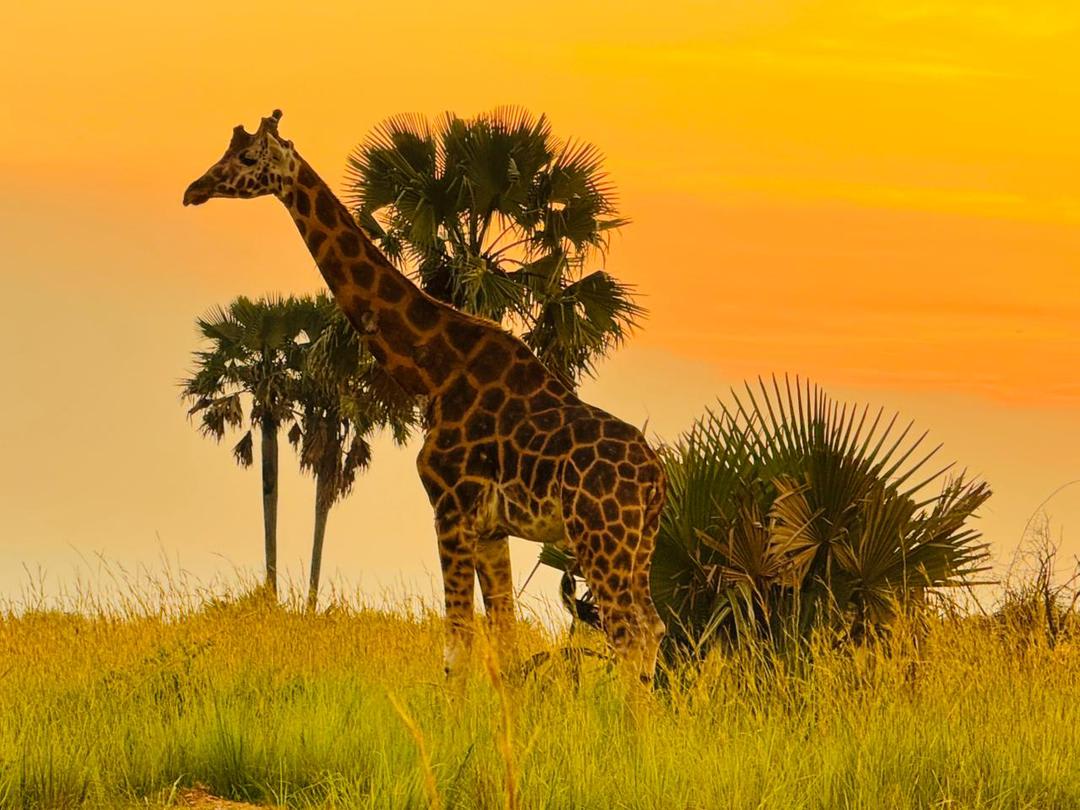
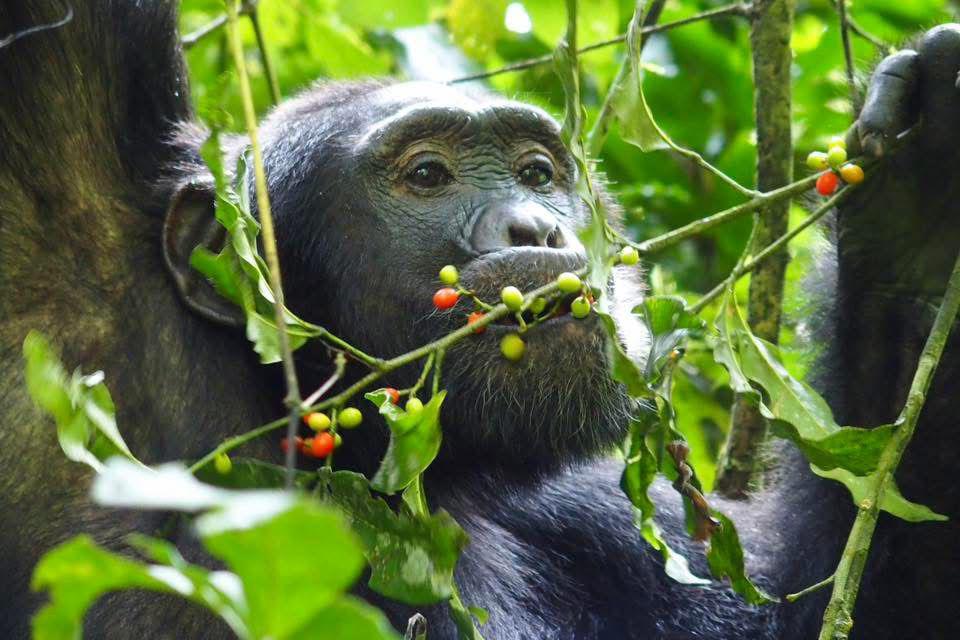
Uganda’s protected areas contain habitats for mountain gorillas, chimpanzees, lions, elephants, giraffes, rhinos, antelopes and many bird species. The country’s conservation priorities also extend beyond famous safari animals: the Wildlife Conservation Society lists a 2026 Uganda Wildlife Trafficking Assessment, while Uganda’s Ministry of Tourism, Wildlife and Antiquities published a National Chimpanzee Conservation Strategy in 2023.
Tourism gives these landscapes an economic function that can be recognised by government, businesses and communities. Visitors pay for park access, guided experiences and accommodation, while tourism companies employ drivers, guides and hospitality staff. UWA describes its mandate as extending beyond protection to ensuring that wildlife conservation contributes to community well-being and sustainable national development.
Gorilla tourism illustrates the connection particularly clearly. Historical research on gorilla tourism in Uganda records community revenue-sharing and tourism-funded local projects, including schools and clinics. At Mgahinga Gorilla National Park, an early system directed 20% of entrance fees towards community projects, while tourism proceeds helped cover ranger salaries. These historical examples demonstrate the mechanism, but they should not be treated as a current national fee-sharing rate: the research supplied for this article does not establish a single up-to-date percentage for all Ugandan parks.
Where the money goes: from a wildlife safari to field protection
A visitor’s wildlife safari does not normally pay for one isolated activity. Tourism revenue can help sustain the wider protected-area system, including staff, patrols, park access, visitor infrastructure and relationships with neighbouring communities. UWA identifies tourism development, environmental education, community involvement and combating wildlife crime as interconnected parts of its conservation work.
| Funding pathway | Conservation purpose | Evidence from Uganda |
|---|---|---|
| Park tourism income | Supports the operation of protected areas and visitor-accessible conservation landscapes. | Tourism proceeds historically supported ranger salaries at Mgahinga, while community projects received a share of entrance fees. |
| Ranger and security support | Patrols, communications, equipment and access infrastructure help address wildlife crime and protect habitats. | UCF supports UWA with ranger tools, specialist training, infrastructure and morale-building measures. |
| Community benefits | Livelihoods, local projects and community agreements can strengthen incentives for coexistence. | NatureUganda’s wetland project uses community conservation agreements and community wildlife scouts known as Crane custodians. |
| Partnership finance | Grants and philanthropic capital can expand protection beyond areas that generate substantial tourism income. | Global Conservation and partners have funded technology, infrastructure and park-wide protection systems in Kidepo Valley National Park. |
The practical lesson is that tourism is most valuable when it pays for durable conservation capacity rather than only short-term visitor services. That includes trained rangers, reliable communications, data systems, veterinary access, community engagement and management across entire landscapes.
The threats conservation funding must address
Poaching and illegal wildlife trade
Illegal wildlife trade remains a recognised challenge in Uganda. The Wildlife Conservation Society’s 2026 publication list includes a national Uganda Wildlife Trafficking Assessment, confirming that wildlife crime remains an active conservation and research priority. UWA also identifies combating wildlife crime as a central part of its work.
Tourism can help by supporting the personnel and systems that make protection possible, but it is not a substitute for effective law enforcement. UCF describes its park-recovery approach as providing rangers with equipment and specialist training, while also investing in ranger posts, marine ranger stations and veterinary laboratories.
Habitat loss and under-managed landscapes
Funding is not evenly distributed across protected areas. Global Conservation reports that historically more than 80% of key landscapes were under-managed, with conservation impact concentrated in limited, tourism-accessible zones. This is a critical weakness in a tourism-led model: the places that are easiest to visit may attract the most money, while remote habitats and less marketable species remain under-resourced.
In response, UCF-led programmes supported a move towards park-wide, integrated management, including sector-based planning and species-specific planning within national park operations. The approach matters because habitat protection cannot be measured only at a lodge, gorilla trail or game-drive circuit; it must cover the ecological landscape around them.
Human–wildlife conflict
Communities living beside parks can face crop damage, livestock losses and risks to personal safety. The IUCN’s Uganda country brief reports that targeted grants supported measures including beehive fences in Murchison Falls National Park, non-lethal deterrents and trenches in Kidepo National Park, and a project in Queen Elizabeth National Park associated with the elimination of retaliatory lion killings and a significant reduction in livestock predation.
These measures show why community funding is a conservation investment rather than an optional add-on. If tourism generates local employment, services or community projects, it can make protected areas more valuable to neighbours. But benefit-sharing must be transparent, locally appropriate and linked to actual needs; tourism alone cannot resolve every conflict over land, crops or wildlife.
Climate change, deforestation and invasive species
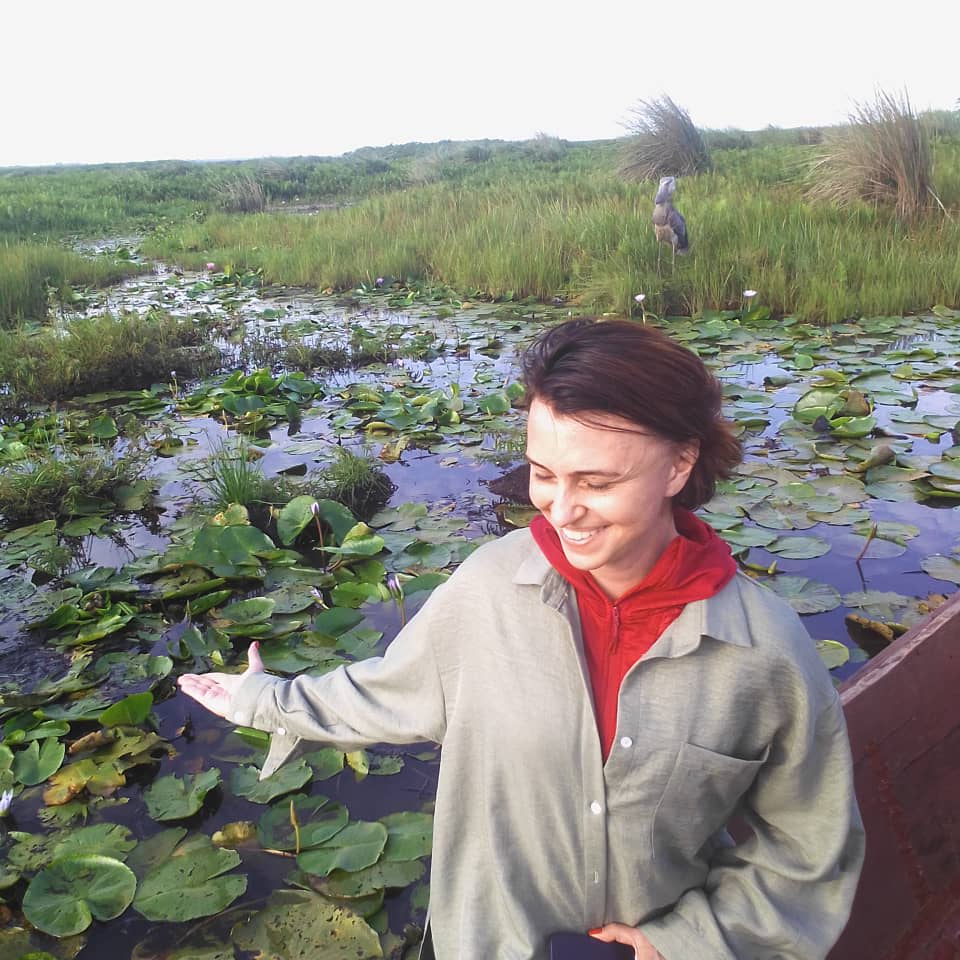
Uganda’s conservation challenges also include climate change, deforestation, human encroachment, population growth and invasive species, according to the IUCN country brief. Wetland protection is part of this wider picture. NatureUganda’s Kaku/Kiyanja project in the Lake Victoria catchment aims to strengthen community resilience, protect wetland biodiversity and support breeding Grey Crowned Cranes through community conservation agreements, local wildlife scouts and nature-based livelihood solutions.
What is being done in Uganda in 2026?
Kidepo Valley National Park: extending protection beyond tourism hotspots
Kidepo Valley National Park is a leading example of conservation finance being used to strengthen a remote landscape. In March 2026, Global Conservation, the Uganda Conservation Foundation, Northern Rangelands Trust, WildLandscapes East Africa and UWA reported the reintroduction of rhinoceros to Kidepo after the species had been absent since being wiped out there in 1983 through poaching, conflict and failing protection.
The reported funding supports around-the-clock surveillance and patrols, fencing, access roads, fire prevention, park-wide communications and security systems. Separately, Global Conservation reported that its support helped UCF secure up to $5 million from European Nature 2000 by meeting a 25% matching requirement, while also supporting community conservancies on both sides of the park. These are partnership and philanthropic funds rather than ordinary visitor fees, but they show how tourism-related conservation credibility can sit within a broader financing system.
Technology and data-led management
Global Conservation and partners funded a country-wide digital strategy and EarthRanger deployment for five endangered national parks, including Kidepo Valley, Murchison Falls and Queen Elizabeth. Charles Tumwesigye, UWA’s Commissioner of Field Operations, said that UWA’s use of conservation technology had grown substantially and that real-time data and reports were helping the authority manage protected areas, tourism and wildlife.
Technology does not replace rangers. Its value is in helping managers identify threats, coordinate patrols, monitor incidents and direct limited resources. Tourism income can contribute to this operating environment, while grants may finance the technology and systems that a park’s visitor revenue cannot yet cover.
Gorilla and community health programmes
At Bwindi Impenetrable Forest, Conservation Through Public Health works around the relationship between wildlife health, human health and livelihoods. The organisation’s multidisciplinary approach focuses on preventing disease transmission between people and gorillas, while also addressing land encroachment, competition for food and community income generation.
This illustrates an important principle for responsible safari tourism: conservation outcomes are often produced by health, education and livelihood work as much as by patrols. A gorilla permit or lodge stay is not a direct guarantee that a particular village or project receives money, so travellers should ask operators how their spending supports local employment and conservation partners.
Community conservation: making wildlife valuable beyond the park boundary
Community participation is a stated priority for UWA, and its Conservation Media Awards specifically recognise reporting on how communities engage with and benefit from conservation, as well as human–wildlife conflict and possible solutions. This emphasis reflects a practical reality: protected areas are not isolated from the people and economies around them.
NatureUganda’s Crane custodians provide one example of a locally grounded model. The project proposes community wildlife scouts as primary beneficiaries while seeking international wetland recognition and improved livelihoods around Kaku/Kiyanja. UCF likewise describes its work as combining park recovery with community development and relationships with park-adjacent communities.
Community benefits can include employment, local procurement, training, support for social infrastructure, conservation agreements and mechanisms for reducing conflict. The exact benefit depends on the park, programme and agreement. Travellers should avoid assuming that every park applies the same revenue-sharing arrangement.
Results and setbacks: what the evidence shows
Uganda has recorded meaningful conservation progress. The IUCN reports that the Save Our Species African Wildlife Initiative awarded six targeted grants totalling €523,748 to six Ugandan civil-society organisations between 2020 and 2023. Those projects supported improved management and protection across more than 1,014,300 hectares of critical wildlife habitat and contributed to measures addressing human–wildlife conflict.
However, the same country brief identifies limited and unsustainable funding, poaching, illegal wildlife trade, habitat loss, climate change, deforestation, invasive species and increasing human encroachment as continuing challenges. It also warns that heavy reliance on tourism makes conservation vulnerable to global disruption.
The COVID-19 experience made that vulnerability concrete. Conservation reporting documented a 95% fall in park funds after tourism halted, with consequences for day-to-day ranger patrols and wildlife protection. Earlier research also cautioned that excessive visitor pressure at Bwindi and Mgahinga could create operational problems, including risks that ranger attention would be diverted from anti-poaching and boundary patrols. Tourism therefore needs limits, good visitor management and alternative finance—not simply more visitors.
In 2026, Uganda is also receiving wider investment in sustainable tourism. The EU-backed Sustainable Tourism Value Chain Initiative runs from 2026 to 2030 with €15.5 million in funding and is implemented by Enabel, UNCDF, UNESCO and UNDP. Its aims include improving access to finance, supporting small businesses, creating jobs and strengthening sustainable tourism value chains. The initiative is broader than wildlife conservation, but stronger local tourism enterprises can help distribute economic value more inclusively.
How travellers can support conservation responsibly
- Choose legal, well-managed experiences. Use licensed operators and follow UWA rules, especially around wildlife encounters and protected-area access.
- Ask where the money goes. Responsible operators should be able to explain their local employment, conservation partnerships and community-benefit practices without making unsupported claims.
- Spend locally. Guides, community tourism enterprises, locally owned accommodation and Ugandan crafts can help retain tourism value near conservation landscapes.
- Keep wildlife encounters low-impact. Historical research from Bwindi and Mgahinga shows that excessive visitor pressure can create management problems, so responsible tourism must respect limits and staff instructions.
- Support credible organisations. UWA, Uganda Conservation Foundation, Conservation Through Public Health and NatureUganda are named in the research as organisations working on protected-area management, wildlife health, community conservation or biodiversity protection.
- Do not buy wildlife products. Illegal wildlife trade is an ongoing national conservation concern, and consumer demand can undermine the protection that tourism helps finance.
Travellers can book conservation-supporting safaris on SafariFind, while checking the individual operator’s claims and asking how its activities benefit parks, communities and conservation partners.
Conclusion
Safari tourism funds conservation in Uganda by helping maintain protected-area operations, supporting ranger capacity, creating community incentives and attracting wider conservation partnerships. Its impact is strongest when tourism revenue is combined with transparent community programmes, science-led management, technology, philanthropy and government responsibility.
The central lesson for 2026 is balance. Uganda’s wildlife economy needs visitors, but conservation cannot depend on visitor numbers alone. Diversified finance is essential to protect remote landscapes such as Kidepo Valley, sustain communities beside parks, address wildlife crime and ensure that tourism remains an instrument of conservation rather than a pressure on the ecosystems it promotes.
Frequently Asked Questions
How does safari tourism fund conservation in Uganda?
Safari tourism contributes through park tourism revenue, ranger and park operations, community projects, local employment and partnerships that finance conservation infrastructure and technology.
Does my Uganda safari fee go directly to wildlife conservation?
Safari spending supports the wider tourism and protected-area system, but the research does not establish that every fee goes directly to a particular project or community. Travellers should ask their operator how revenue is allocated.
Why is tourism important for Uganda’s national parks?
Tourism gives protected landscapes economic value and historically helped support ranger salaries and community projects, including around Mgahinga Gorilla National Park.
What is the biggest weakness of tourism-funded conservation in Uganda?
The main weakness is dependence on visitor income. Uganda’s conservation funding remains limited and vulnerable to global disruption; during COVID-19, park funding reportedly fell by 95%.
How does tourism help communities near Uganda’s parks?
Tourism can provide employment, local business opportunities, community projects and incentives for coexistence with wildlife. UWA identifies community involvement and conservation benefits as part of its mandate.
Which organisations support conservation in Uganda?
Named organisations include Uganda Wildlife Authority, Uganda Conservation Foundation, NatureUganda, Conservation Through Public Health, Global Conservation and the Wildlife Conservation Society.
What conservation work is happening in Kidepo Valley National Park in 2026?
Partners reported rhino reintroduction in March 2026, alongside surveillance, patrols, fencing, roads, fire prevention, communications and security improvements.
How can tourists support conservation in Uganda?
Use legal operators, follow park rules, spend with local businesses, avoid wildlife products, respect limits on animal encounters and ask operators for evidence of their conservation and community partnerships.
Does gorilla tourism support communities in Uganda?
Historical research records community revenue-sharing and local projects linked to gorilla tourism, including schools and clinics; an early Mgahinga system directed 20% of entrance fees to community projects. Current arrangements should be confirmed with UWA or the operator.
Is Uganda’s conservation funding sustainable?
Not yet fully. Uganda has conservation successes and new partnerships, but limited funding, wildlife crime, habitat loss, conflict and tourism dependence remain significant challenges.
V2Ui.sources
- Uganda Conservation Media Awards — Uganda Wildlife Authority
- GC Announces Historic $2 Million Dollar Grant to Save African Species — Global Conservation
- European Union-backed €15.5 million initiative to unlock investment in Uganda’s tourism sector — UNCDF
- Uganda Conservation Foundation — Rainforest Trust
- Publications — Wildlife Conservation Society Uganda
- Whitley Fund for Nature Programme — NatureUganda
- Impact Report 2025 — March Conservation Fund
- Country Brief: Uganda — IUCN Portals
- Responsible Tourism: A Conservation Tool or Conservation Threat?(official)
- Uganda: Rangers raise awareness for wildlife conservation as park funding plummets due to lost tourism
- First Year Progress — Kidepo Valley National Park, Uganda — Global Conservation
- Uganda Conservation Foundation — Practical conservation initiatives and wildlife-crime response
Related to
Ready to start your safari adventure?
Explore curated safari packages and find your perfect African adventure with verified operators.