Is It Safe to Do a Safari in Tanzania Right Now? 2026 Guide
Discover Is It Safe to Do a Safari in Tanzania Right Now? 2026 Guide - Expert guide to safari tourism and wildlife destinations.
Is Tanzania Safari Safe in 2026? Risks, Tips & Costs
Last updated: August 2026
Is It Safe to Do a Safari in Tanzania Right Now? 2026 Guide: Tanzania is generally safe for organized safaris, especially on established northern-circuit routes, but travelers must follow current government advice, use a verified operator, and prepare for malaria risk. Safari prices are not verified in the research available for this guide, so request current quotes before booking. The best trip plan matches your dates, health needs, and comfort level.
At a Glance
- Safety: Organized northern-circuit safaris are generally suitable for tourists, with normal precautions.
- Government advice: The U.S. Department of State advises travelers to reconsider travel because of unrest, crime, terrorism, and targeting of gay and lesbian individuals.
- Health: Malaria risk applies below 1,800 meters, covering virtually all Tanzania safari parks.
- Best practice: Travel with a professional guide and follow park rules.
- Cost: No verified 2026 package pricing is available in the research for this guide.
- Best for: Travelers who plan carefully, use reputable operators, and accept standard travel risks.
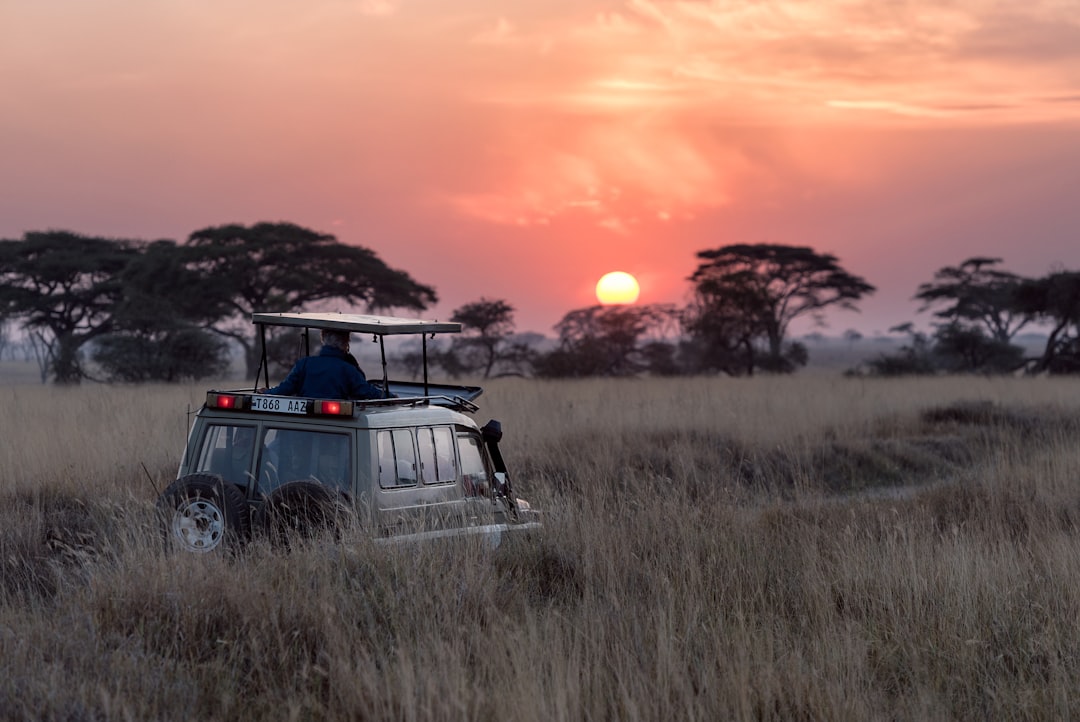
Tanzania safaris are generally safe in 2026 when travelers use established routes, professional guides, and sensible health precautions. The answer is not a simple “yes” for every traveler or every area. Current government advice highlights risks from unrest, crime, terrorism, and discrimination against gay and lesbian people.
Quick answer: A Tanzania safari is generally safe right now, especially in organized northern-circuit parks such as the Serengeti and Ngorongoro area. Use a verified operator, avoid political gatherings, protect yourself from mosquitoes, and check official advice before departure. Conditions can change, so review updates close to your travel date.
This guide explains the real risks without creating false certainty. It covers wildlife safety, road travel, health, city transfers, travel insurance, family planning, and safari costs. It also explains what to ask before booking a Tanzania safari package in 2026.
Safety depends on more than the country name. Your route, transport, guide, accommodation, travel season, and personal health all matter. A private guided safari gives you more support than an unplanned independent journey through unfamiliar areas.
Gotukio reports that its Tanzania safety guidance reflects conditions as of June 2026. Therefore, treat this article as a planning guide, not a replacement for official travel advice or medical care.
SafariFind connects travelers with verified tour operators, package details, and authentic traveler reviews. You can use the marketplace to compare route choices and ask direct questions about safety procedures before paying a deposit.
What Is It Safe to Do a Safari in Tanzania Right Now?
Tanzania safari travel is generally safe in 2026 on established routes with a professional guide. Several safari operators describe organized trips and northern-circuit itineraries as suitable for tourists when visitors follow normal precautions. The U.S. government, however, advises travelers to reconsider travel because of several wider national risks.
Known for: organized wildlife travel
Tanzania is known for structured wildlife trips through parks and conservation areas. Guides manage daily movement, choose safe viewing positions, and explain how to behave near animals. This structure reduces many risks that visitors face when they travel without local support.
Northern Tanzania is the main safari region for many first-time visitors. The route commonly includes the Serengeti and the Ngorongoro area. Operators also build trips around other parks, depending on the traveler’s time and goals. Your operator should explain drive times, border areas, flight links, and overnight locations before you book.
Why the official warning matters
The U.S. Department of State advises travelers to reconsider travel to Tanzania because of unrest, crime, terrorism, and targeting of gay and lesbian individuals. It also reports increased risk in some areas. This advice applies to the country as a whole, not only to safari parks.
That warning does not mean every safari is unsafe. It means you should assess your route and risk level. Avoid demonstrations and political gatherings. Keep copies of key documents. Ask your operator how it handles route changes, emergency transport, and communication problems.
Best for: prepared travelers
Tanzania safaris are best for travelers who accept guided travel and prepare before arrival. Families should ask about child ages, vehicle comfort, long drives, and emergency support. Solo travelers should choose an operator with clear arrival assistance and a reliable local contact.
LGBTQ+ travelers should read current official guidance and discuss practical concerns with a trusted travel adviser. The U.S. advisory specifically identifies targeting of gay and lesbian individuals as a risk. A personal safety plan should include discreet communication, suitable accommodation, and local support.
Compare verified Tanzania safari packages and request safety details from operators before choosing an itinerary.
What “safe” means on safari
Safari safety is not only about crime. It also includes animal distance, food and water, driving, weather, medical care, and fire procedures. A responsible guide keeps guests inside the vehicle when required and prevents guests from approaching wildlife.
Ask whether the package uses a private vehicle or shared vehicle. Ask how the operator trains guides. Also confirm whether the itinerary includes remote camps, domestic flights, or long road transfers. These details help you judge comfort and support, not just price.
What Are the Main Tanzania Safari Safety Risks in 2026?
The main Tanzania safari risks are road travel, wildlife encounters, malaria, petty crime, unrest, and limited medical access in remote areas. Most risks become easier to manage when you use a professional guide, follow instructions, protect valuables, and plan health care before departure.
Wildlife and vehicle safety
Wild animals are not tame, even when they appear calm. Stay inside the vehicle unless your guide gives clear permission to exit. Do not call, feed, or move toward animals. Keep your voice low near wildlife and follow camp rules after dark.
Safari vehicles can travel on rough roads for many hours. Seat belts, careful driving, and sensible daily distances matter. Ask your operator how often the itinerary changes camps. A route with fewer long drives may suit families, older travelers, and people with back problems.
Walking activities need extra care. Use a trained guide and obey every instruction. Never walk alone near a camp, river, animal, or open area. Camps may have different rules, so listen carefully during the arrival briefing.
Malaria and mosquito protection
Tanzania is a malaria zone below 1,800 meters, and this includes virtually all safari parks. Discuss preventive medicine with a medical professional before travel. Your doctor can match advice to your health history, route, season, and other medicines.
Malaria prevention works best as a layered plan. The Tanzania safari safety guidance recommends prophylactic medicine when appropriate, DEET-based repellent, long sleeves at dusk, and sleeping under treated nets. Pack enough supplies for the full trip, including time before and after the safari.
- Use insect repellent on exposed skin.
- Wear light, long clothing around sunset.
- Sleep under a treated mosquito net where provided.
- Ask a clinician about malaria medicine before departure.
- Seek medical help quickly if fever develops during or after travel.
Crime, unrest, and terrorism
Crime risk can increase in cities, transport hubs, and busy public areas. Keep phones and passports secure. Use arranged airport transfers when possible. Avoid displaying expensive jewelry, cash, or cameras outside the safari setting.
Unrest can affect roads, towns, and travel plans with little notice. Do not join protests or political gatherings. Follow local instructions, keep your operator’s phone number available, and allow flexibility for a route change.
Tourism operators describe organized northern safaris as easier for visitors to manage because guides coordinate transport and daily activities. However, organized travel does not remove every risk. It adds local knowledge and support.
Medical care and remote areas
Remote parks can sit far from major hospitals. Ask whether your package includes emergency evacuation support or whether you need separate insurance. Confirm the nearest clinic for each overnight area and tell the operator about allergies, medicines, or mobility needs.
Pack a small health kit with prescription medicine, basic first aid items, sun protection, and oral rehydration products. Keep medicine in original packaging. Your doctor or travel clinic should provide advice for your exact itinerary.
How Much Does a Tanzania Safari Cost in 2026?
No verified 2026 safari-package prices, booking fees, or regulatory changes appear in the research supplied for this guide. Therefore, this article does not invent a daily rate or claim that a Tanzania safari costs a fixed amount. Request a written quote that lists every included and excluded service.
What controls the final price?
Tanzania safari cost depends on more than the number of days. Park fees, vehicle type, guide service, accommodation, meals, internal flights, transfers, and travel season can change the total. A private vehicle usually gives more control, while a shared vehicle may lower the cost.
The route also affects the quote. A short itinerary may focus on one region. A longer plan may add several parks, more driving, or a domestic flight. Ask the operator to show each cost line instead of giving one unclear total.
Families should request a family-specific quote. Child ages, room sharing, private vehicles, meal plans, and activity rules can change the total. Read the detailed guide on how much a Tanzania family safari costs in 2026 for planning questions and cost factors.
How to calculate Serengeti safari cost in Tanzania
Serengeti safari cost is calculated by adding the daily vehicle and guide cost, accommodation, park and conservation fees, meals, transfers, and optional flights. Then add international airfare, visas, insurance, tips, and personal spending. This method gives you a clearer budget than copying a single online headline price.
- Choose the number of safari days.
- Choose shared or private transport.
- List every park and conservation area.
- Compare accommodation levels and room types.
- Add airport transfers and internal flights.
- Confirm taxes, fees, meals, and drinks.
- Add insurance, medical preparation, and personal spending.
The detailed guide on how to calculate Serengeti safari cost can help you build this list. For luxury planning, review luxury safari costs in Tanzania for 2026 before requesting quotes.
Compare Tanzania tour operators and request itemized 2026 safari quotes when you know your dates, group size, and preferred comfort level.
Questions about budget claims
Search results often show daily price ranges, including very low budget figures and high luxury figures. The supplied research does not verify those numbers. Treat any “$250 to $1,500+ per day” claim as a search phrase, not as a confirmed SafariFind price.
Ask whether the quote includes park fees, staff tips, drinks, transfers, emergency support, and airport nights. A low headline price may exclude important services. A higher price may include private transport, better camps, or flights, but you should confirm each item in writing.
What Is the Best Month to Do a Safari in Tanzania?
The best month for a Tanzania safari depends on your wildlife goals, comfort needs, and route. There is no single best month for every traveler. Ask an operator to match your dates with park conditions, crowd levels, road access, and the experience you want.
Choose dates by trip goal
Travelers who want a specific wildlife event should start with the event and then choose the route. The Serengeti, Ngorongoro area, and other parks do not offer the same sightings in every month. A guide can explain what your selected route is designed to deliver.
Travelers who prefer fewer crowds should ask about quieter travel periods. Travelers with fixed school holidays should focus on a strong plan rather than waiting for a perfect date. Good guiding, safe transport, and suitable lodging matter in every season.
Read what the best month for a Tanzania safari is in 2026 before making a final decision. The guide can help you compare timing with the type of safari you want.
Which safari is best in Tanzania?
The best safari in Tanzania is the one that matches your time, wildlife goals, budget, and comfort level. The Serengeti is a strong choice for travelers seeking a famous northern-circuit experience. A multi-park plan may suit visitors who want variety, while a focused route can reduce long drives.
Known for: the Serengeti is known for broad wildlife plains and classic game viewing. Ngorongoro-area trips are known for a concentrated wildlife setting and crater landscapes. Other routes may offer a different pace, fewer visitors, or a stronger focus on walking and remote camps.
Best for: first-time visitors are often best served by a clear route with reliable transfers and a professional guide. Families need shorter drives and suitable rooms. Luxury travelers should check camp standards, private vehicles, and emergency support.
Explore the comparison guide, which is the best safari in Tanzania in 2026, before choosing a package. The best itinerary is personal, not universal.
How to plan a safe route
Start with arrival and departure points. Then check every road transfer and overnight stop. A clear plan reduces missed connections and helps your operator prepare for delays.
Ask for a day-by-day schedule. It should name parks, camps, transport, meals, activities, and emergency contacts. You should also know what happens if weather, road conditions, or official guidance changes.
What Questions Should You Ask Before Booking a Tanzania Safari?
The safest booking process starts with clear questions about the operator, vehicle, guide, health support, costs, and cancellations. Written answers help you compare packages fairly. They also show whether an operator understands your needs before you pay.
Fifteen questions for a Tanzania safari package
- Is the operator verified and locally registered?
- Who will meet me at the airport?
- Will I have a private or shared vehicle?
- How many travelers share the vehicle?
- Who is my guide, and what training does the guide have?
- Which parks and conservation areas does the route include?
- How many hours will we drive on each day?
- What happens if a road becomes unsafe or impassable?
- Does the price include park fees and conservation fees?
- Are meals, drinks, transfers, and internal flights included?
- What medical and evacuation support is available?
- Which mosquito precautions does each camp provide?
- What is the cancellation and refund policy?
- Are taxes, service charges, and staff tips included?
- Can I read authentic reviews from previous travelers?
How to check an operator
SafariFind lists verified tour operators and authentic reviews to support this comparison. Read several reviews, not only the highest-rated comment. Look for repeated details about guide quality, communication, vehicle condition, punctuality, and how the company handled problems.
Request a formal itinerary and invoice. The document should show dates, inclusions, exclusions, emergency contacts, and payment terms. Avoid sending money until you understand the cancellation rules and the name of the receiving business.
For first-time visitors, read the guide to Tanzania safari operators for first-time visitors. It offers a useful checklist for comparing local support and trip design.
What to pack for safety
Pack light, but prepare for sun, dust, insects, and temperature changes. Useful items include long sleeves, insect repellent, a hat, sunscreen, closed shoes, personal medicine, and a small flashlight.
Carry copies of your passport, insurance details, prescriptions, and operator contacts. Keep digital copies in a secure account. Share your itinerary with someone at home and set a regular check-in plan.
Travel insurance should match the trip. Check medical care, evacuation, cancellation, baggage, and adventure activity terms. Ask the insurer whether remote park evacuation is covered.
Key Takeaways
- Check the U.S. Tanzania travel advisory before departure because it identifies unrest, crime, terrorism, and discrimination risks.
- Choose an organized northern-circuit safari with a professional guide to gain local support and safer wildlife routines.
- Discuss malaria prevention with a medical professional because risk applies below 1,800 meters across virtually all safari parks.
- Request an itemized 2026 quote because the available research verifies no package prices or booking fees.
- Ask 15 booking questions about vehicles, guides, fees, health support, cancellations, and emergency plans.
Frequently Asked Questions
Is it safe to do a safari in Tanzania right now?
Yes, an organized Tanzania safari is generally safe in 2026, especially on established northern-circuit routes. Use a verified operator, follow guide instructions, avoid political gatherings, and review official travel advice because national risks include unrest, crime, terrorism, and targeting of gay and lesbian individuals.
How much does a safari in Tanzania cost?
No verified 2026 price is available in the research for this guide. Ask for an itemized quote that lists accommodation, park fees, transport, guiding, meals, transfers, flights, taxes, and exclusions. Shared vehicles, route length, travel dates, and accommodation level all affect the final Tanzania safari cost.
How much does a Tanzania family safari cost?
A Tanzania family safari has no single verified 2026 price in the supplied research. Child ages, room sharing, private transport, activity rules, and trip length affect the total. Request a family quote with daily drive times, child policies, emergency support, and every included fee shown clearly.
What is the best month to do a safari in Tanzania?
The best month for a Tanzania safari depends on your route and wildlife goals. Choose dates after deciding whether you want focused game viewing, a certain seasonal event, fewer crowds, or school-holiday travel. Ask an operator to match dates with road access, lodging, and your preferred pace.
Which safari is best in Tanzania?
The best safari in Tanzania is the itinerary that matches your time, wildlife goals, budget, and comfort needs. The Serengeti suits travelers seeking a famous northern-circuit experience, while a multi-park route adds variety. Families often benefit from shorter drives and a private vehicle.
What health precautions should I take on a Tanzania safari?
Malaria prevention is essential because Tanzania is a malaria zone below 1,800 meters, including virtually all safari parks. Discuss preventive medicine with a medical professional, use DEET-based repellent, wear long sleeves at dusk, and sleep under treated nets where provided.
How can I book a safe Tanzania safari in 2026?
Book through a verified operator after checking reviews, emergency plans, vehicle arrangements, health support, cancellation terms, and itemized costs. SafariFind connects travelers with verified operators and authentic reviews, helping you compare options before you request a quote.
Conclusion: Is Tanzania Safe for a Safari in 2026?
Tanzania is generally safe for an organized safari in 2026, but travelers must plan for real risks. Established northern-circuit routes offer structured travel and professional guidance. The U.S. Department of State still advises travelers to reconsider travel because of unrest, crime, terrorism, and targeting of gay and lesbian individuals.
Choose an operator that explains wildlife rules, road plans, emergency support, malaria precautions, and cancellation terms. Do not rely on an attractive headline price. The available research contains no verified 2026 package pricing, so request a detailed quote for your dates and group.
Families should compare drive times and child policies. Luxury travelers should review the separate cost guide before selecting camps and private transport. Every traveler should check official advice again before departure.
Compare verified Tanzania safari packages on SafariFind and request a quote from a suitable operator. Read authentic reviews, compare tour operators, and choose a plan that fits your safety needs. As 2026 continues, careful preparation remains the best way to enjoy Tanzania’s wildlife with confidence.
Plan Your Safari with SafariFind
These recommendations use real data from SafariFind, where you can compare operators, browse packages, and read verified traveler reviews before you book.
Recommended Safari Operators from SafariFind
Recommended Safari Packages from SafariFind
What Travelers Say (SafariFind Reviews)
References
- Tanzania Travel Advisory — U.S. Department of State
- Is Tanzania Safe to Visit in 2026? An Honest Guide for Safari Travelers
- Is it Safe to Travel to Tanzania in 2026? — Enkarewa Safaris Ltd
- Tanzania Safari Safety Guide 2026: Rules, Risks & Tips — Duma Explorer
- Is It Safe to Travel to Tanzania in 2026? — Safari-Tz
- Tanzania Safari for US Travelers: Complete 2026 Guide
- 100 Questions About Tanzania Safari in 2026 — Heart of Serengeti
Image and Search Markup Suggestions
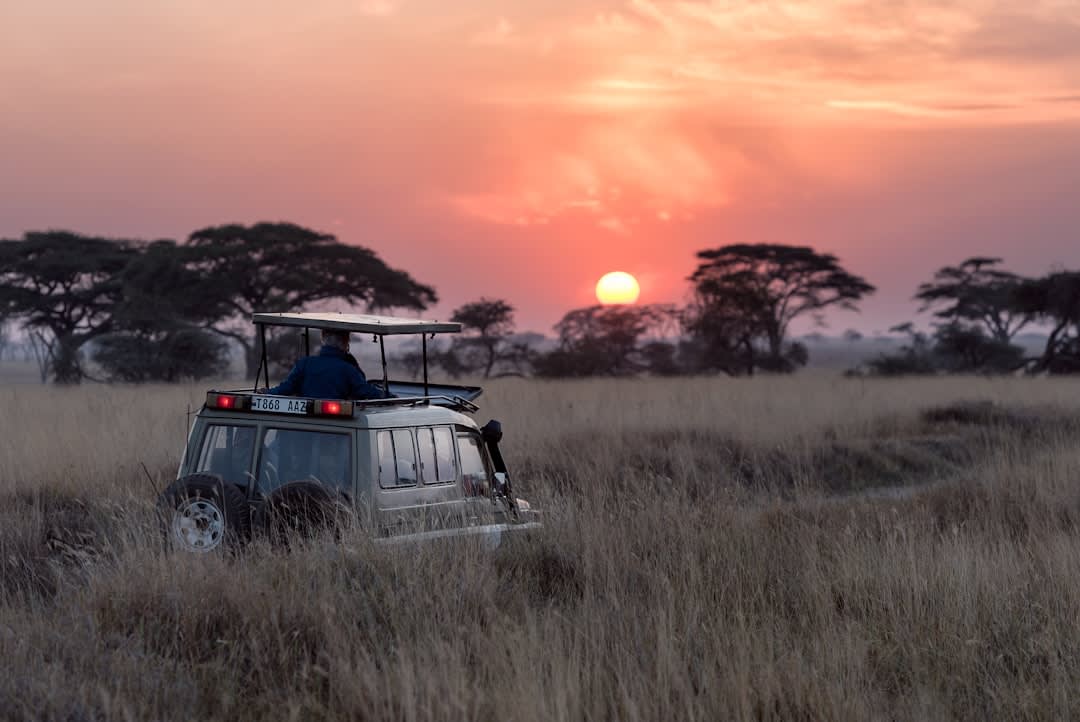
Suggested image alt text: “Guided safari vehicle viewing wildlife in Tanzania’s northern circuit in 2026.”
Suggested second alt text: “Traveler using mosquito repellent before an evening Tanzania safari drive.”
Suggested meta description: “Is Tanzania safe for a safari in 2026? Learn current risks, malaria precautions, wildlife rules, booking questions, and how to request verified safari quotes.”