Is Madagascar Dangerous for Safari? 7 Safety Facts for 2026
Discover Is Madagascar Dangerous for Safari? 7 Safety Facts for 2026 - Expert guide to safari tourism and wildlife destinations.

Is Madagascar Dangerous for Safari? 7 Safety Facts in 2026
Last updated: July 2026
Madagascar is generally safe for safari in 2026 when you plan transport, health care, and city time carefully. A 10-day Madagascar safari costs about $2,000–$4,500 per person. July–September is a strong travel period for cooler weather and whale watching. Use a trusted guide and follow local advice.
At a Glance
- Safety: Madagascar is generally safe for safari with sensible precautions .
- Cost: A 10-day safari costs about $2,000–$4,500 per person in 2026 .
- Best time: July–September offers cooler temperatures and whale watching .
- Duration: Ten days allows time for parks, travel, and wildlife walks.
- Health: Malaria is present, especially in coastal areas .
- Main concern: Road travel needs careful planning, especially outside major towns.
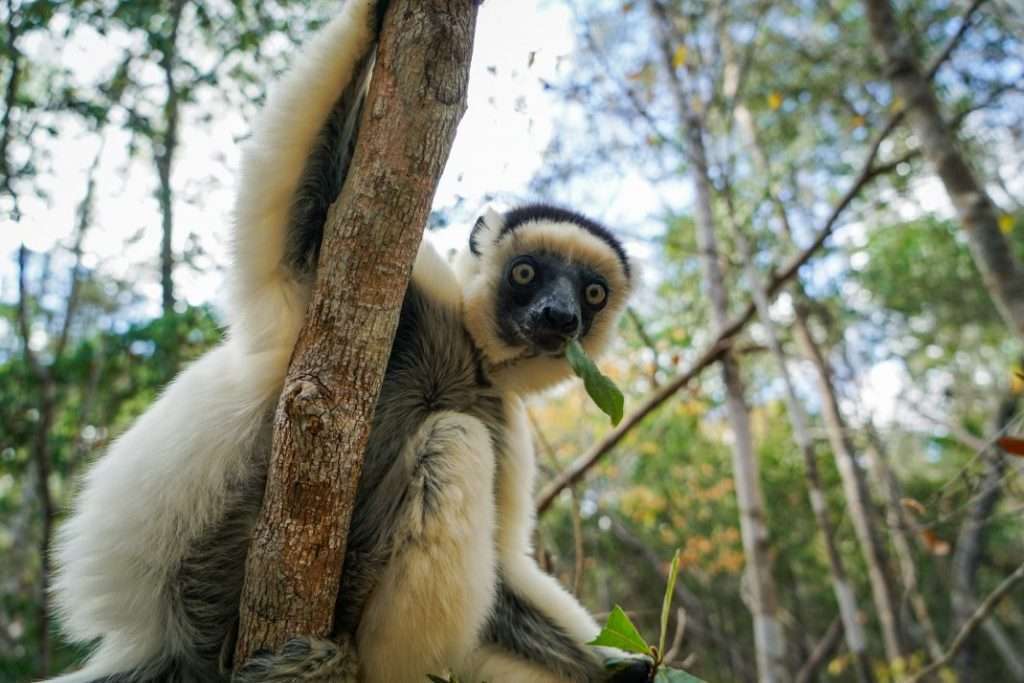
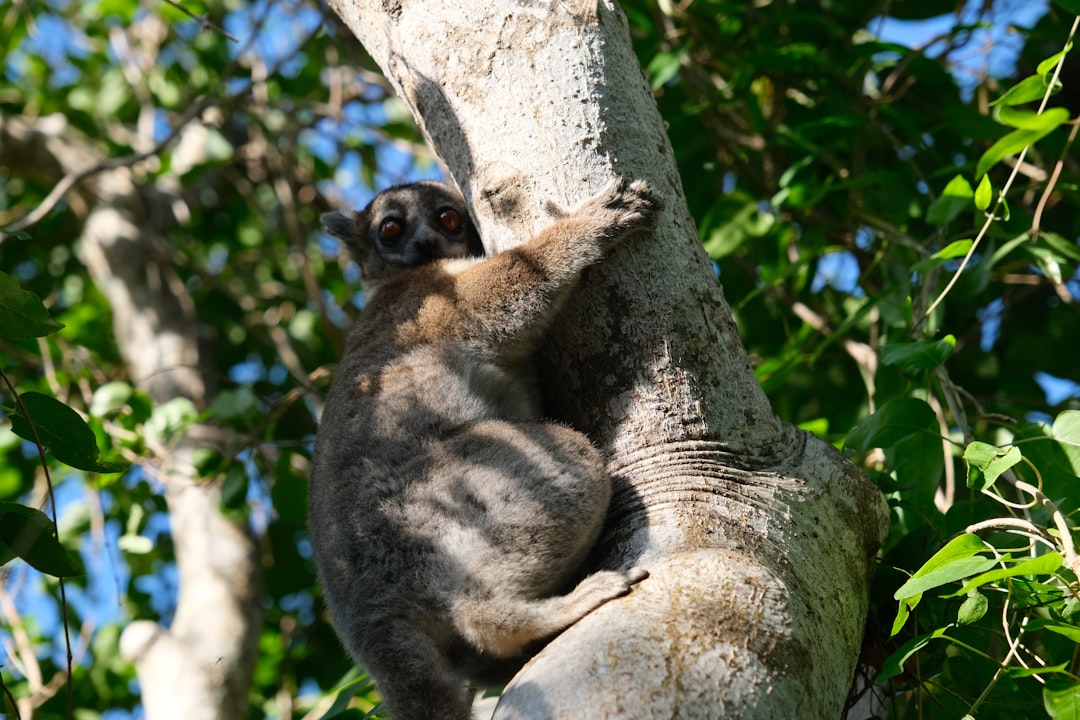
Madagascar is generally safe for safari in 2026, but road travel and health planning matter more than animal attacks. The island has 20 national parks and wildlife found nowhere else, including many lemur species . Most wildlife walks do not involve large predators, yet visitors still need good shoes, a local guide, and basic city awareness.
Is Madagascar Dangerous for Safari? 7 Safety Facts in 2026 is a practical guide for first-time visitors. It explains the real risks without fear or false promises. You will learn how to manage city crime, long road journeys, malaria, walking trails, weather, and remote areas.
Quick answer: Madagascar is a safe safari destination for most prepared travelers. The main risks are petty crime in Antananarivo, poor or slow road travel, and mosquito-borne illness. Protected areas have stronger oversight and clearer visitor-safety rules in 2026. Book with a verified operator, follow park guidance, and plan health advice before departure.
Safety also depends on the route. A lodge-based trip with private transfers creates a different experience from a long overland journey. Therefore, compare transport plans, guide support, and reviews before you pay a deposit.
For health planning, read the guide to Madagascar vaccinations and health rules for Spanish travellers. Italian visitors can use the separate Madagascar health guide for Italian travellers.
What Makes Madagascar Safe for Safari in 2026?
Madagascar is a manageable safari destination when travelers use guides, planned transfers, and protected-area rules. The island is not viewed as having heightened, systemic risk across the whole country in 2026. Experts also report stronger oversight, clearer environmental standards, and more structured visitor-safety protocols in protected areas .
Safety fact 1: Protected parks have stronger oversight
Madagascar’s national parks are central to organized wildlife trips. Safari visitors normally enter these areas with local guides or arranged tour support. This structure helps travelers understand trail rules, animal behavior, and local conditions before they begin a walk.
Protected areas are not risk-free. Trails can be remote, weather can change, and medical help may be far away. However, structured visits reduce the need to make difficult choices alone. Ask your operator how guides handle lost guests, injuries, bad weather, and emergency transport.
Safety fact 2: Madagascar offers a different wildlife experience
Madagascar wildlife is unlike a classic Big Five safari. Most wildlife viewing takes place on foot, and sturdy walking shoes plus protective clothing are useful . Lemurs, chameleons, birds, and other species often live in forests rather than open plains.
SafariBookings states that Madagascar has no dangerous animals in the usual safari sense . Still, never touch wildlife or leave a marked trail without your guide. Keep food inside your bag, listen during night walks, and use a torch after dark.
Why this matters for your trip
The biggest safety benefit comes from matching the route to your fitness and comfort. A short forest walk may suit families and older travelers. A remote park route may need stronger walking ability, more patience, and a higher comfort level with basic facilities.
SafariFind connects travelers with verified tour operators and authentic traveler reviews. Compare Madagascar safari packages with guide support and planned transfers before choosing your route.
What Are the Seven Main Safety Risks in Madagascar?
Madagascar’s main safari risks are petty crime, road travel, malaria, remote medical care, walking conditions, weather, and poor trip planning. These risks are usually easier to control than they first appear. A clear route, suitable insurance, and a qualified local operator reduce many common problems.
Safety fact 3: Petty crime can affect city visitors
Antananarivo is generally manageable for visitors, but petty crime can occur in busy places. Reported areas of concern include the Rova Steps, Avenue de l’Independence, and Analakely market . Pickpocketing is the main issue described for travelers in crowded areas.
Carry only the cash you need for the day. Keep your phone and passport secure. Avoid displaying expensive cameras in crowded streets, and use a trusted vehicle after dark. These steps protect you in the city without changing the relaxed nature of your safari.
Safety fact 4: Road travel is a key concern
Road safety is one of the most important issues to check before booking. Madagascar has long distances between parks, and slow journeys can form a large part of the trip. Ask for the type of vehicle, driver experience, rest plans, and expected travel time.
Do not judge a safari by park names alone. Two trips can visit the same reserve but offer very different road conditions and support. A private vehicle may cost more, but it can give you better control over stops, pace, and comfort.
Safety fact 5: Malaria is present in Madagascar
Malaria is present in Madagascar, especially in coastal areas . Your risk depends on the route, season, length of stay, and personal health. Speak with a travel clinic before departure about mosquito protection and whether preventive medicine suits you.
Use repellent, wear long sleeves at dusk, and sleep under a net when your lodge provides one. Fever after travel needs prompt medical advice. Do not assume that a short safari removes the need for health planning.
Safety fact 6: Walking requires the right gear
Most wildlife viewing happens on foot, so trail safety matters. Wear firm walking shoes with good grip. Choose light trousers and long sleeves for forest paths. Carry water, sunscreen, a small first-aid kit, and a rain layer.
Tell your guide about knee, back, or breathing problems before the walk starts. Guides can often adjust the pace and route. Never separate from your group to take a closer photograph.
Safety fact 7: Remote areas need careful planning
Remote parks can have limited phone service and slower access to medical care. Confirm what your operator includes before you leave town. Ask about emergency contacts, evacuation support, insurance rules, and the nearest clinic.
Weather can also affect road and trail plans. Build spare time into the route instead of scheduling a tight connection after a long drive. Flexibility is a safety tool in Madagascar.
How Should You Prepare for a Safe Madagascar Safari?
The safest Madagascar safari starts before you arrive. Choose a realistic route, check health advice, protect valuables, and confirm every transfer. Good planning matters because long distances and remote parks can make quick changes difficult.
Before you book
Start by deciding what type of trip suits you. Forest walks, lemur viewing, coastal parks, and whale watching each need different timing and travel plans. July–September is a favorable period for cooler temperatures and whale watching .
Next, check the full price. A 10-day Madagascar safari costs about $2,000–$4,500 per person in 2026 . Ask whether the quote includes park fees, internal flights, road transfers, guides, meals, lodge stays, and emergency support.
For a detailed budget view, read Madagascar safari cost in 2026. A clear quote makes it easier to compare operators and avoid low prices that leave out key services.
What to pack
- Sturdy walking shoes for forest trails and uneven ground.
- Light long-sleeved clothing for sun, insects, and brush.
- Insect repellent and any medicine advised by your travel clinic.
- A secure day bag for your passport, phone, and cash.
- A refillable water bottle, sun protection, and a rain layer.
- A small torch for lodge paths and night wildlife walks.
How to stay safe during the trip
Keep your guide informed about your health, walking limits, and food needs. Follow instructions during every wildlife walk. Do not approach animals, feed them, or use flash photography when your guide says it is unsafe.
In Antananarivo, stay alert in busy markets and public areas. Use arranged transport for evening journeys. Store copies of your passport, insurance policy, and emergency numbers online and offline.
How to choose a reliable operator
A reliable operator explains road times, park conditions, health planning, and emergency support in writing. The company should answer questions clearly before payment. Reviews can also show whether past travelers received the service promised in the itinerary.
SafariFind lets you compare tour operators, package details, and authentic reviews. Request a quote for a Madagascar safari with planned transport and local guide support.
Spanish citizens should also check the current Madagascar visa requirements for 2026. Entry rules are not the same as safari safety, but missing documents can create serious travel stress.
What Should Different Travelers Expect?
Madagascar suits travelers who enjoy nature, walking, and flexible travel days. Families, couples, solo travelers, and older guests can all visit safely when they choose the right pace. The best route is the one that matches your health, budget, and comfort with remote travel.
Families
Families should choose shorter walks, comfortable lodges, and private transfers where possible. Ask whether the operator provides child-friendly guides and rooms. Avoid building every day around a long road journey.
Solo travelers
Solo travelers benefit from joining a guided group or booking a private guide. Share your route with someone at home. Keep valuables secure in town and avoid isolated walks without local support.
Older travelers
Older travelers should ask about steps, trail length, vehicle comfort, and lodge access. A slower itinerary can improve both enjoyment and safety. Travel insurance with medical evacuation cover is especially important for remote routes.
Adventure travelers
Adventure travelers can explore less visited parks, but they should accept longer transfers and fewer services. Confirm emergency plans before choosing a remote itinerary. Do not confuse a wild setting with a lack of safety standards.
Madagascar is not a risk-free destination, but no safari destination is. The practical question is whether the operator gives you clear information and strong support. Read lodge details in Madagascar’s 2026 safari lodge guide before you choose where to stay.
Key Takeaways
- Choose July–September for cooler conditions and whale watching .
- Budget $2,000–$4,500 per person for a 10-day Madagascar safari in 2026 .
- Use a local guide for walking wildlife tours, especially in remote parks.
- Protect against mosquitoes because malaria is present, particularly along the coast .
- Secure valuables in Antananarivo around busy places such as Analakely market .
Frequently Asked Questions
Is Madagascar dangerous for safari in 2026?
Madagascar is generally safe for safari in 2026 when visitors use guides and plan transport carefully. The main concerns are petty crime in busy city areas, road travel, malaria, and limited medical care in remote parks.
Are there dangerous animals in Madagascar?
Madagascar has no dangerous animals in the usual safari sense, according to SafariBookings . Most wildlife viewing takes place on foot. You should still follow your guide, stay on trails, and avoid touching or feeding animals.
What is the biggest safety concern in Madagascar?
Road travel is one of the biggest practical safety concerns. Long distances connect many parks, and journey times can be slow. Ask your operator about vehicles, drivers, rest stops, road conditions, and backup plans.
Do I need malaria medicine for a Madagascar safari?
Malaria is present in Madagascar, especially in coastal areas . A travel clinic can assess your route and health needs. Use repellent, cover exposed skin, and follow professional advice about preventive medicine.
When is the safest time to visit Madagascar?
July–September is a favorable travel period for cooler temperatures and whale watching . Safety still depends on the route, weather, road plan, and health preparation. Your operator should explain seasonal limits before you book.
How can I book a safer Madagascar safari?
Book through SafariFind to compare Madagascar packages, review operator details, and read authentic traveler feedback. Choose a verified operator that explains transport, guides, park fees, health support, and emergency plans before payment.
Conclusion: Is Madagascar Safe for Your Safari?
Madagascar is a safe safari destination for prepared travelers in 2026. Its 20 national parks, rare wildlife, and guided forest walks create a different experience from a classic African game drive . The key risks are practical: road travel, petty crime in busy city areas, malaria, and remote medical care.
Plan a 10-day trip with a budget of $2,000–$4,500 per person. Choose July–September for cooler temperatures and whale watching. Pack sturdy shoes, use mosquito protection, secure your valuables, and ask clear questions about emergency support.
Compare the route, lodge plan, guide service, and reviews before you make a decision. Compare verified Madagascar safari packages on SafariFind, request quotes from trusted operators, and choose the trip that fits your pace. In 2026, careful planning lets you explore Madagascar with confidence and respect for its people, parks, and wildlife.
Plan Your Safari with SafariFind
These recommendations use real data from SafariFind, where you can compare operators, browse packages, and read verified traveler reviews before you book.
Recommended Safari Operators from SafariFind
Recommended Safari Packages from SafariFind
What Travelers Say (SafariFind Reviews)
References
- Forbes, “Madagascar Is Back On The Radar. What Experts Say Travelers Should Know”
- SafariFind, “Is Madagascar Good for Safari? Safety & Wildlife”
- African Budget Safaris, “Tours, Overlands & Safaris Departing from Antananarivo”
- Vivy Travel, “Is Madagascar Safe? A 2026 Protocol for High-End Travel”
- Naturalist Journeys, “2026 Madagascar Birding Tour”
- Viva Expeditions, “Is Madagascar Safe to Visit?”
- SafariBookings, “How Safe Is Madagascar? – Safety & Security”
- Wandr Health, “Travel Health Guide: Madagascar — Malaria, Plague, Chikungunya”

 Ask Tembo about this guide